Popular
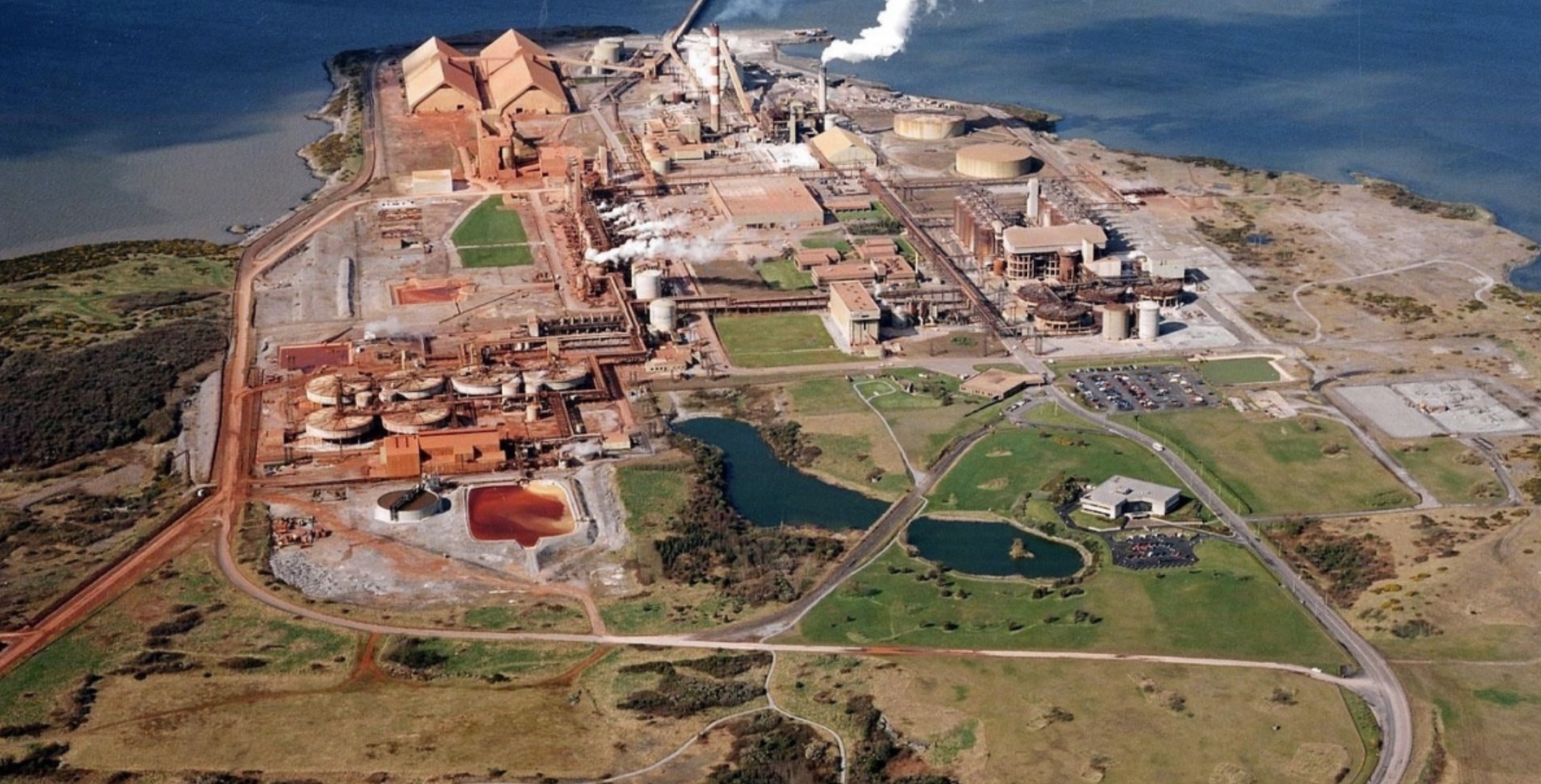
Europe’s largest producer of alumina—a key raw material for aluminum smelting—has been found to be part of the supply chain for Russia’s defense industry.
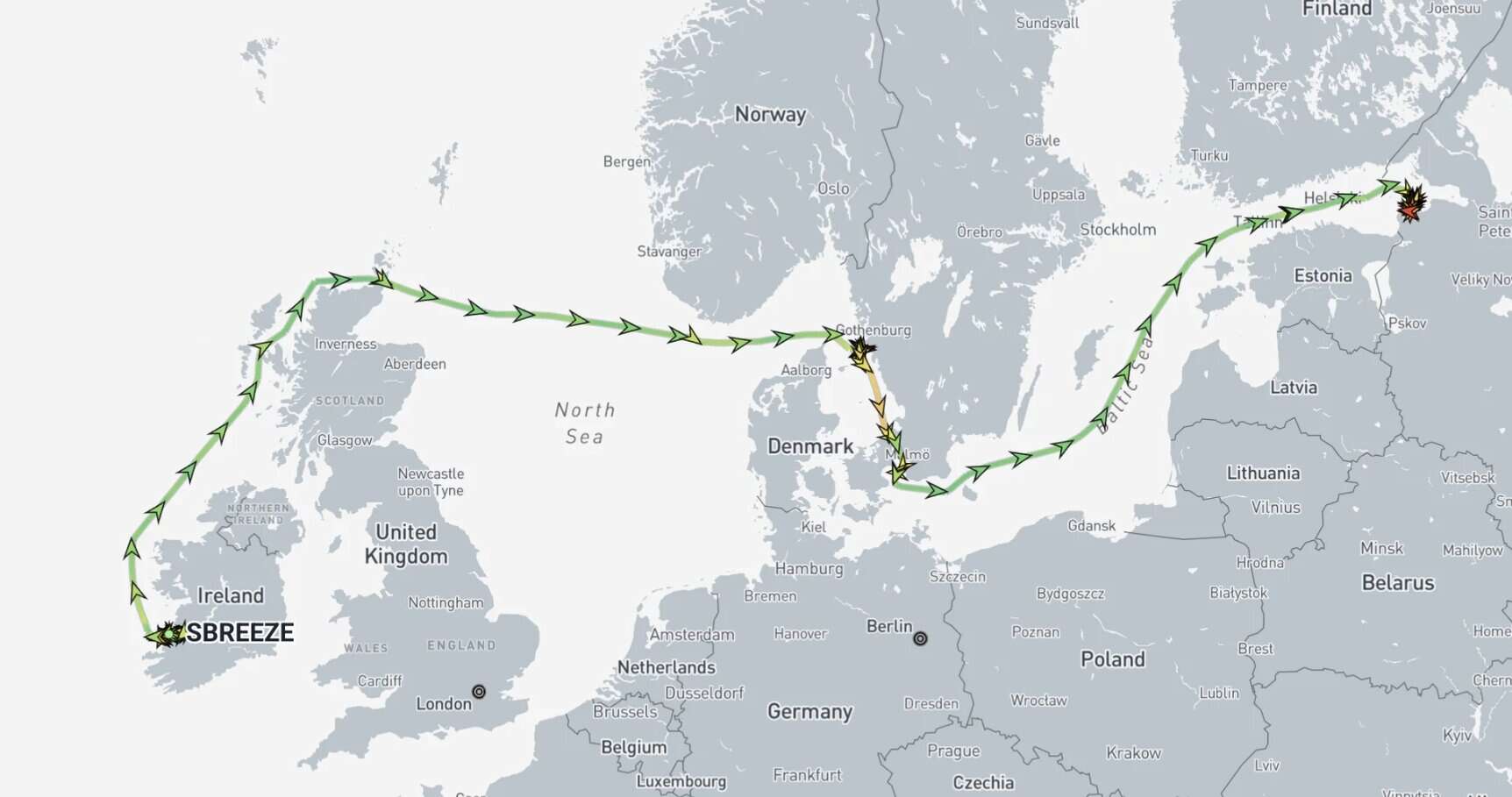
The shipments originate from the Aughinish plant in Ireland. It is owned by Rusal, whose founder, Oleg Deripaska, is subject to US and EU sanctions, according to the Vazhnye Istorii media.
The businessman reduced his stake in En+, Rusal’s parent company, back in 2018 after US restrictions were imposed—thus placing both companies outside the scope of sanctions.
Strong, corrosion-resistant aluminum is extremely important in the production of military equipment—so much so that the European Commission has called on member states to build up stocks of alumina as a critically important material for the defense sector.
Aughinish is a major part of the European industry.
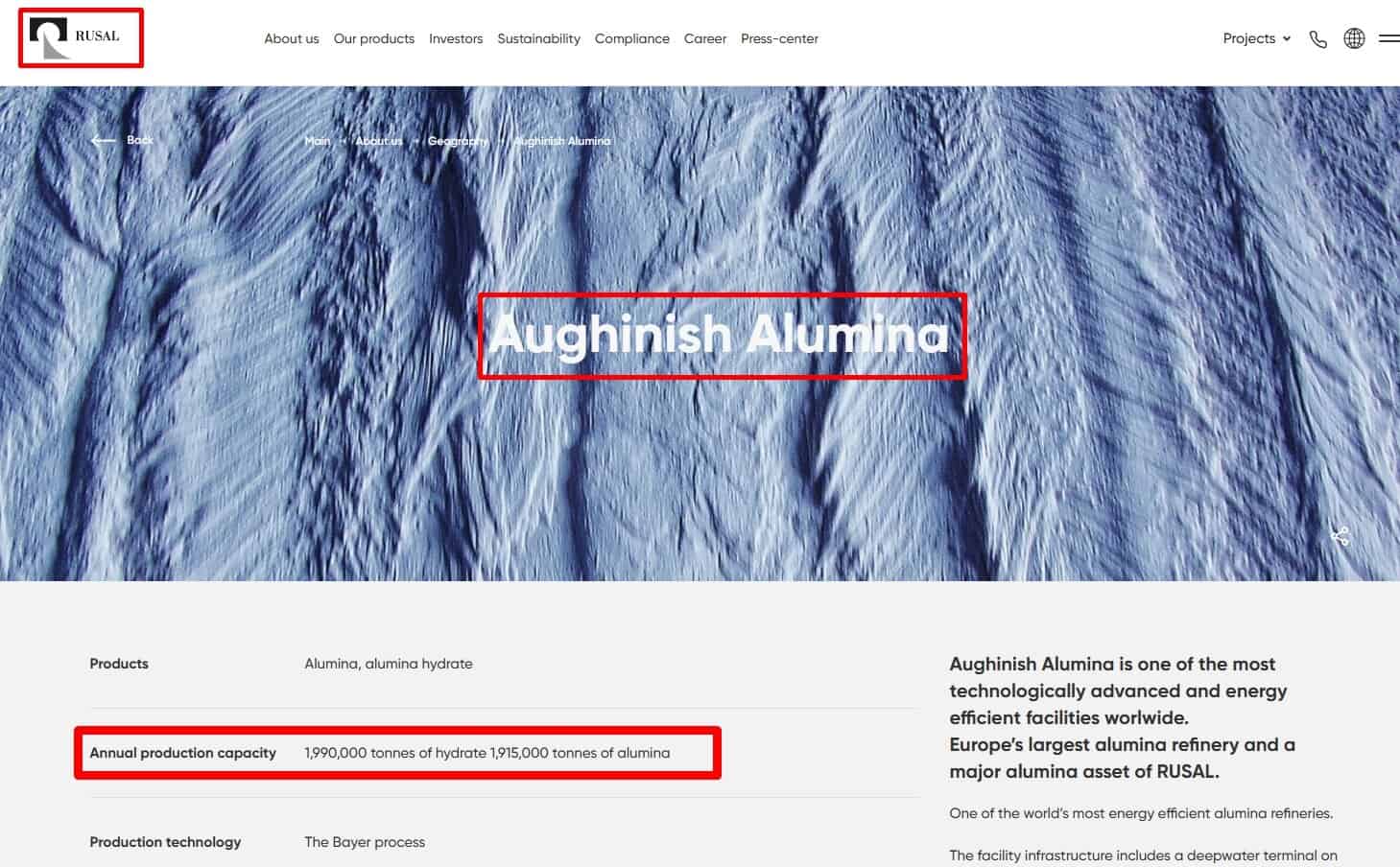
“It supplies Europe with up to 30% of the alumina needed for the continent’s construction, aviation, and automotive industries… and is in no way connected to the Russian military machine,” Patrick O’Donovan, the representative for the Limerick constituency (where the plant is located), claimed in parliament.
However, over the years of the war, alumina shipments to Russia from this plant have more than doubled.
When, during parliamentary hearings in the summer of 2023, MP Reada Cronin asked the Minister for Enterprise, Trade, and Employment why Russia remains the largest market for Irish alumina, given that it could be used in Russia’s invasion of Ukraine, she was told that this in no way violates the sanctions regime.
Indeed, there is no EU ban on the export of alumina to Russia. It was only in February 2025 that the European Union banned the import of alumina from Russia to avoid financing the war, but sanctions do not apply in the opposite direction.
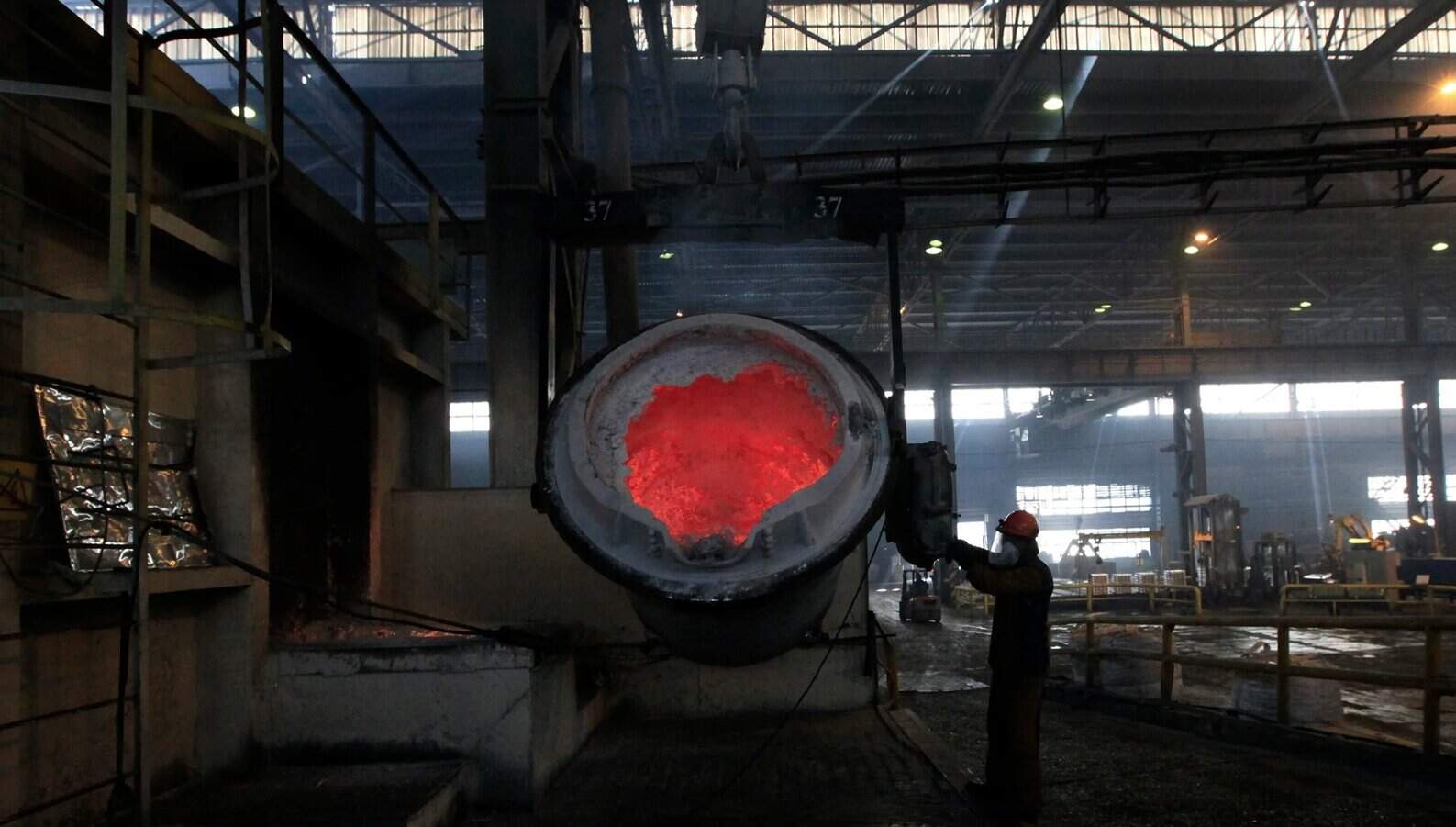
As part of a joint investigation by OCCRP, Vazhnye Istorii, The Irish Times, and other partners, the trail of Irish alumina was traced. It is shipped to Rusal’s aluminum plants in Russia, which, in turn, supply aluminum to weapons manufacturers.
The raw bauxite processed into alumina at the Aughinish plant is mostly mined at Rusal’s mines in Guinea.
This is Rusal’s key raw material base, according to the group’s 2024 annual report; more than half of the total bauxite volume is mined there. The Aughinish plant exports the raw material it produces. The main destination is Russia: Rusal’s local plants account for 50% of the Irish plant’s exports.
According to customs data, the value of alumina shipped from Ireland to plants in Krasnoyarsk and Sayanogorsk in 2024 exceeded $400 million. These two Siberian plants account for over a third of all aluminum produced by Rusal.
Beyond that, the trail of this aluminum goes cold. Rusal itself has never officially stated that it supplies aluminum to military enterprises in Russia.
As part of the investigation, journalists were able to establish that shipments to military enterprises go through the company ASK, which is not officially affiliated with Rusal.
Between 2022 and 2024, this company paid Rusal’s sales office over RUB 50 billion for aluminum. According to a financial leak from ASK and the journalists’ own calculations, more than a third of all the aluminum that ASK purchased from Rusal goes to Aughinish’s main importers in Russia—the Krasnoyarsk and Sayanogorsk plants.
ASC resells the aluminum, in particular to enterprises fulfilling state defense contracts. The company’s financial data shows that RUB 28.5 billion was received into its accounts under defense-related contracts (for 2022–2024; this is one-third of the company’s total revenue). Among its clients are the Arzamas Instrument-Making Plant, which produces X-101 cruise missiles, and the Votkinsk Plant, which manufactures Iskander-M ballistic missiles; engines for Russian tanks are made from the aluminum sold by ASC. Formally, ASC is simply an intermediary between Rusal and the plants. However, the company’s ties to Deripaska’s enterprises are stronger than they appear.
More than 20 ASC employees previously worked within Rusal’s structures (including two former owners of the company), according to the leaked data. ASK and Rusal branches in several Russian regions are registered at the same address; ASK also owned several properties that now belong to Rusal. Former ASC owner Natalia Kalgashkina currently owns the company Arsenal, which, according to the Verstka media, was responsible for purchasing a business jet that Deripaska could have used.
Supplies of alumina produced in the EU to Russia “could undermine NATO’s stated goals of supporting Ukraine and deterring Russia,” Oleksandr Danylyuk, a former employee of Ukraine’s Ministry of Defense and a research fellow at the Royal United Services Institute (RUSI) in London, stated.
“Even if these shipments are technically legal, they demonstrate gaps in European sanctions controls,” he says.
According to him, any attempts to disrupt Rusal’s operations could have far-reaching consequences. The company plays such a vital role in Russian military production that any “restrictions on its operations could potentially lead to a shortage of aluminum materials and alloys needed for the production of high-tech weapons in Russia,” he said.
The Aughinish plant representative shared with the reporters that the company operates in strict compliance with EU laws and has implemented a system of sanctions and comprehensive checks across the entire supply chain. However, he did not answer specific questions regarding the use of the plant’s products in Russian weaponry.
In response to an inquiry, the Irish Department of Foreign Affairs and Trade stated that alumina “is not a sanctioned good,” so its export to other countries, including Russia, is not restricted.
Підтримати нас можна через:
Приват: 5169 3351 0164 7408 PayPal - [email protected] Стати нашим патроном за лінком ⬇
Subscribe to our newsletter
or on ours Telegram
Thank you!!
You are subscribed to our newsletter