
Popular

According to analysts, while Russia cannot protect all of its facilities from long-range drone attacks, when its air defenses are saturated or broken through, about 10% of attacking drones reach their targets.
The Royal United Services Institute for Defence and Security Studies (RUSI) reported this in a recent study.
Researchers note that Russia has a large number of geographically dispersed targets, making it impossible to defend them all. Over time, Ukraine has gained experience and become increasingly effective at targeting sites lacking air defense coverage.
Priority is often given to targets where the presence of flammable or sensitive materials allows a relatively small number of drones to cause cascading damage.
However, there is also a significant number of sites that Russia has chosen to protect and that are difficult for Ukraine to hit. According to the researchers, citing Ukrainian officers they interviewed, during attacks on well-defended facilities involving salvos of 100-150 UAVs, about 10 drones typically reach the target. The cost of attack drones ranges from $20,000 to $80,000.
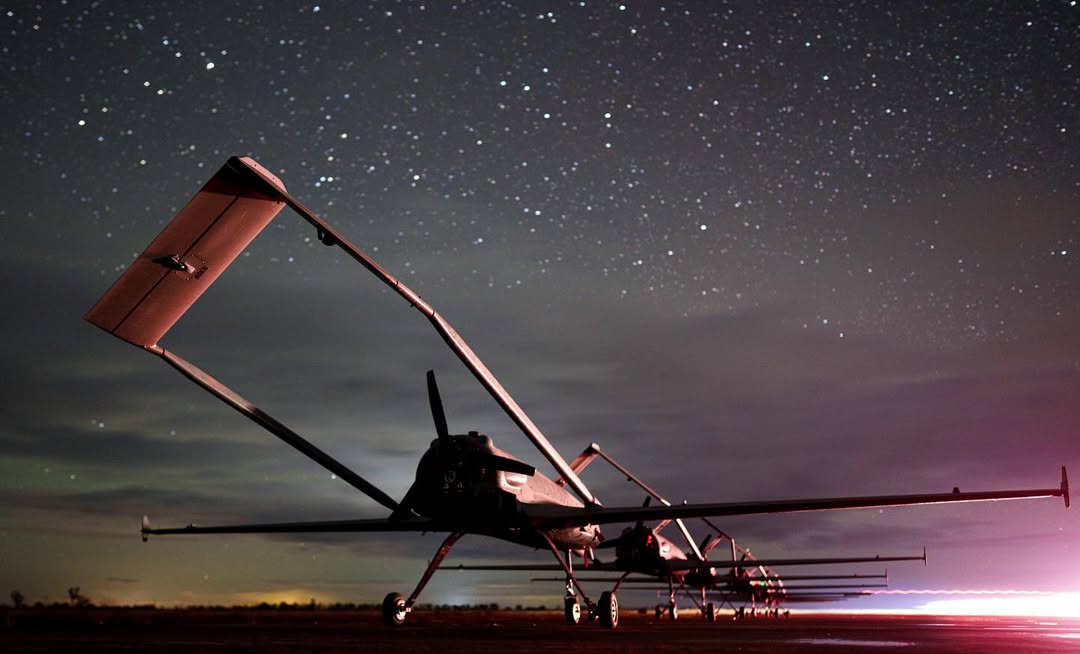
Strikes against heavily defended targets often require launching more than 100 UAVs along a single axis to exhaust air defenses in that sector. Only after this are cruise missiles or large strike drones used to destroy the target.
In some cases, Ukraine has carried out complex, multi-layered attacks that outmaneuvered air defenses and allowed drones to reach their targets, but such operations are rarely repeated.
Researchers also note that Russia’s air defense system is rapidly adapting to new threats. Initially, GMLRS guided rockets and later, ATACMS ballistic missiles inflicted significant losses. Over time, however, Russian air defenses adjusted, and interception rates increased markedly.
According to data provided to researchers by the Armed Forces of Ukraine, the share of successful hits declined from nearly 70% for GMLRS in 2022 to around 30% in 2023-2024, and often to about 8% in 2025.
For attacks targeting air defense elements, experience has shown that up to 10 ATACMS missiles may be required to destroy a single radar.
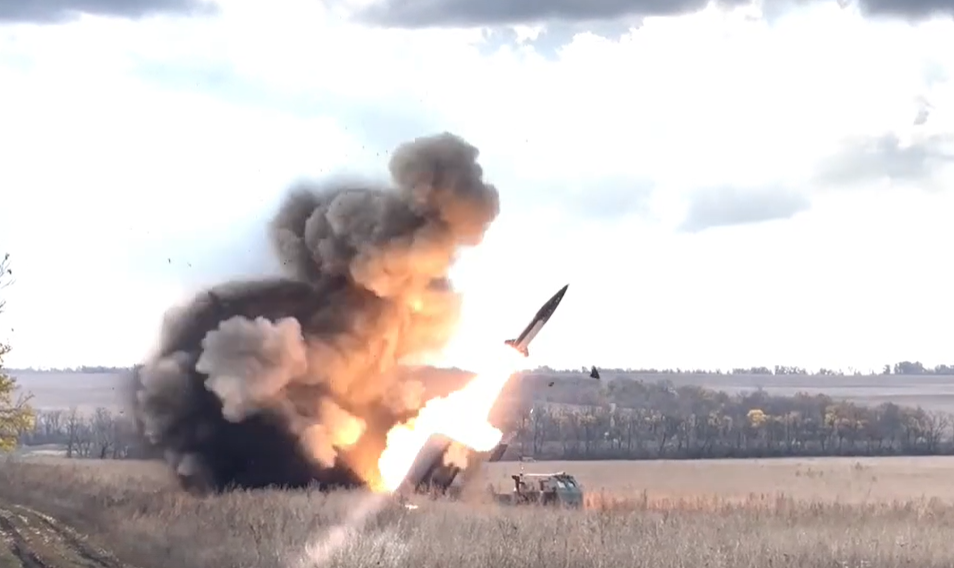
When countering precision-guided weapons that rely on combined satellite and inertial navigation, electronic warfare plays a significant role. This is particularly true for GMLRS rockets used on the battlefield or in the tactical rear, areas that are heavily saturated with electronic warfare systems. Accurate determination of target coordinates also remains a significant challenge.
According to Ukrainian officers responsible for strike operations, even when Storm Shadow cruise missiles or other high-value weapons are used, Russian air defense adaptations often allow more than 50% of such munitions to be intercepted, including during combined attacks.
At the same time, researchers note that a greater understanding of how Russian systems operate allows vulnerabilities to be identified and exploited. With the right combination of strike assets, high-quality reconnaissance, and electronic warfare, hit rates can be improved again.
Although UAVs are not cheap, interceptors are also costly. Russian surface-to-air missiles are currently being expended faster than they can be produced, particularly for short-range systems such as the Osa and Pantsir SAM systems.
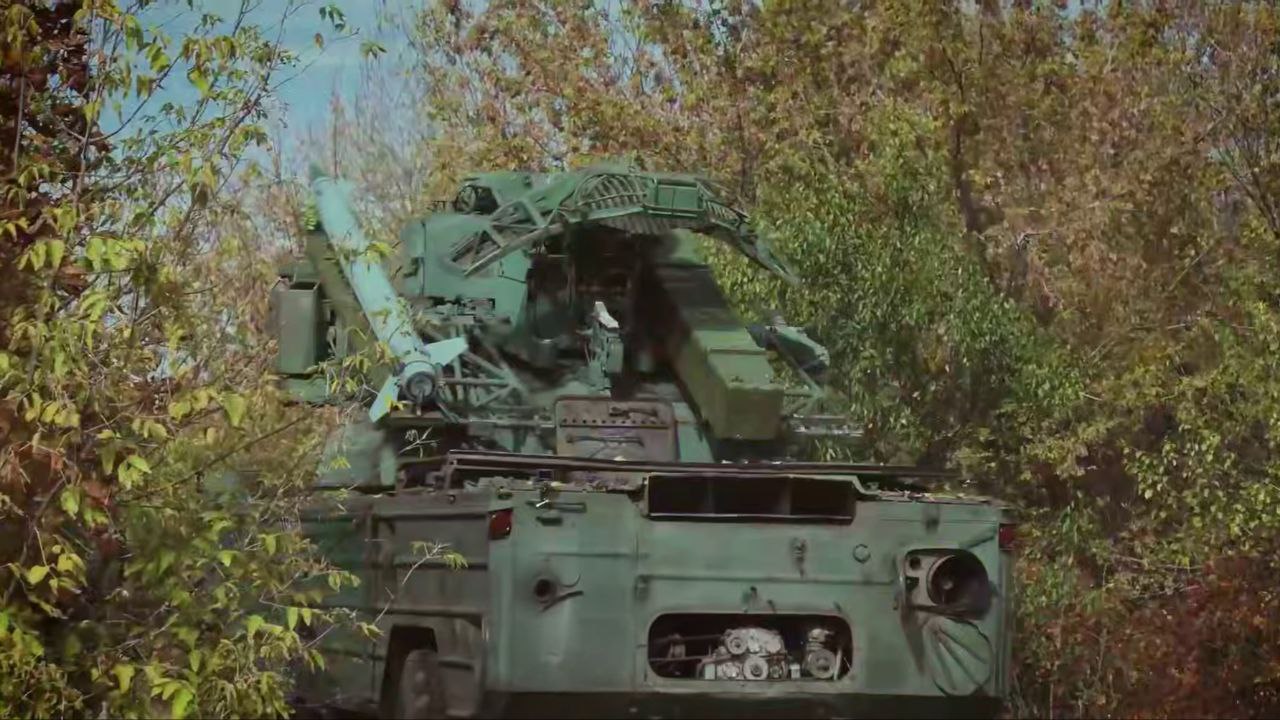
In November, it was observed that Russian forces were forced to equip Osa-AKM systems with outdated 9M33M naval missiles. To use them, modifications were required to the 9A33BM3 combat vehicle.
Similar signs of ammunition shortages have been noted in other Russian air defense systems. In particular, Buk SAM launchers are often seen carrying only one or two missiles.
At the same time, Russia is seeking to conserve missiles for its long-range S-400 systems while significantly increasing production of missiles for the Pantsir system.
Підтримати нас можна через:
Приват: 5169 3351 0164 7408 PayPal - [email protected] Стати нашим патроном за лінком ⬇
Subscribe to our newsletter
or on ours Telegram
Thank you!!
You are subscribed to our newsletter