





Popular
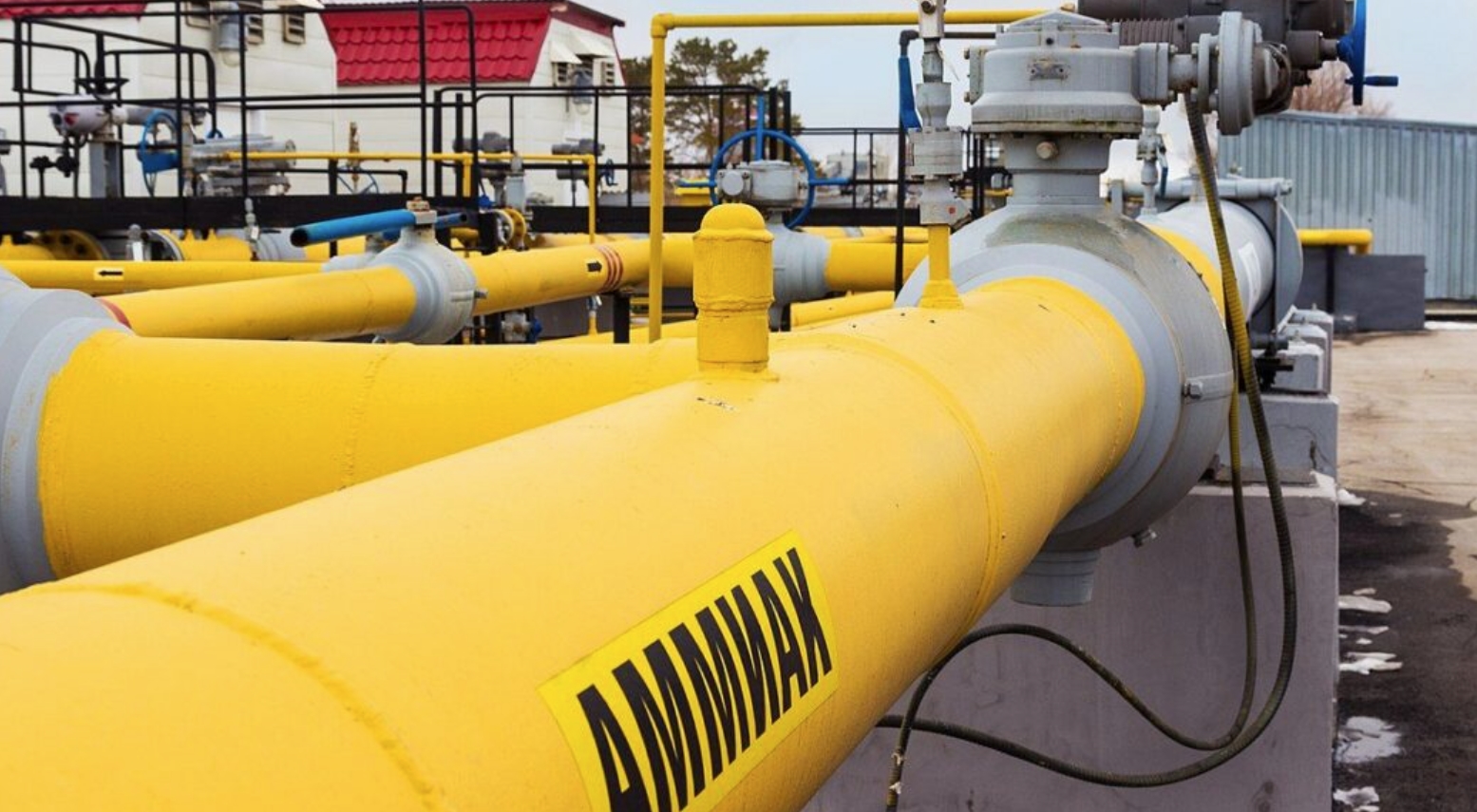
Around 11:00 on October 9th, 2025, as a result of artillery shelling by the Russian invaders, the equipment of a sectioning post on the linear part of the Togliatti-Odesa ammonia pipeline was damaged.
The details of the incident were reported by the Communications Department of the Support Forces Command of the Armed Forces of Ukraine.
The supply of liquid ammonia through this section has been suspended since 2014. Nevertheless, a small amount of technical ammonia remained in the pipeline, which creates potential risks in case of damage.
As of 12:00 a.m. on October 10th, according to the Ukrainian Defense Forces, no deterioration in air quality or spread of ammonia odor was recorded.
Due to the fact that the damaged area is located directly on the contact line, a preliminary survey of the incident site is not possible.
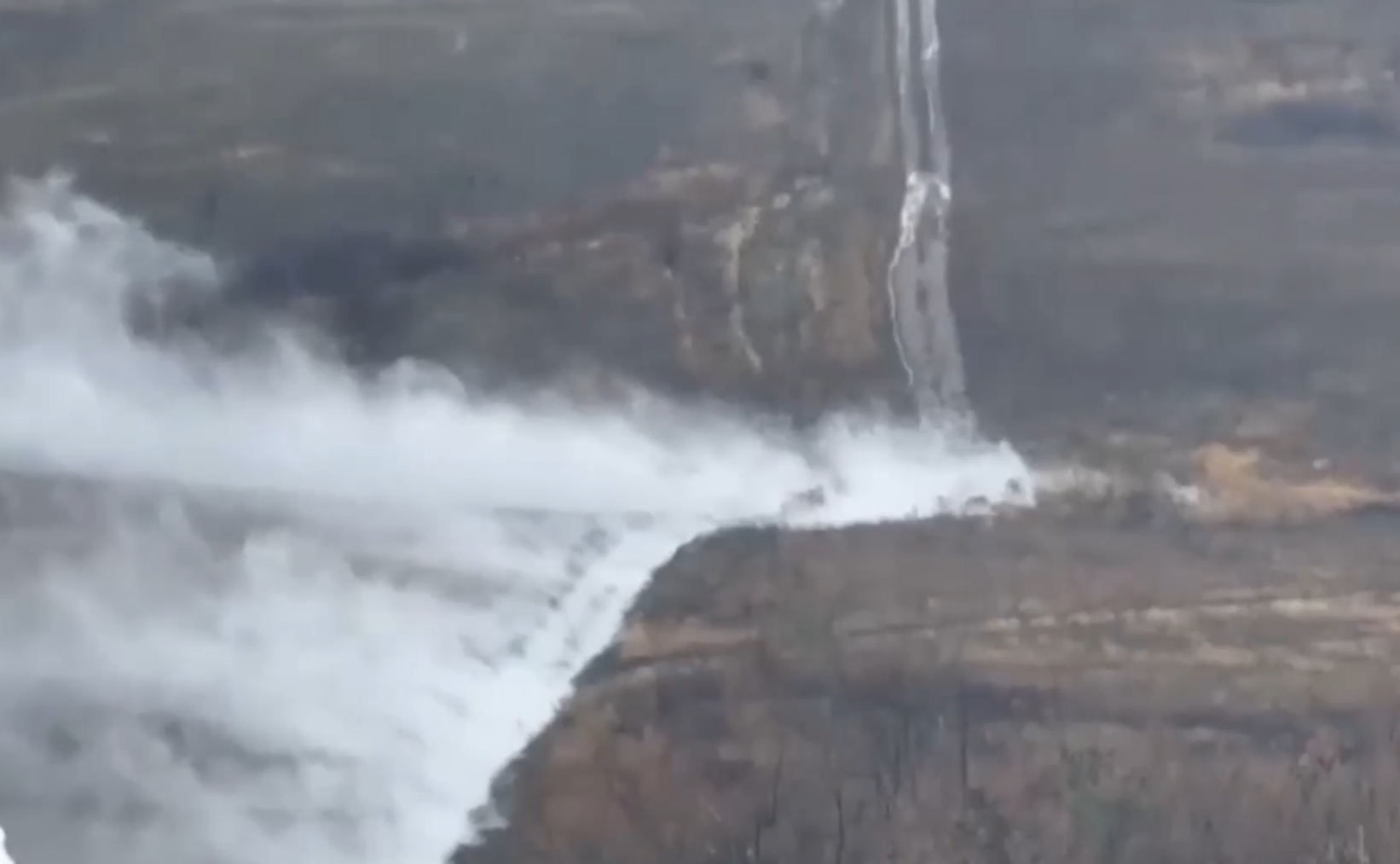
The data is currently being collected by radiation, chemical and biological intelligence units using drones.
Given the previous cases of damage to the ammonia pipeline, commanders at all levels are implementing effective personnel protection measures to work in conditions of possible chemical contamination.
The current situation does not have a significant impact on the fulfillment of the tasks of the Ukrainian Defense Forces in the area.
The situation is being monitored by the observation and control forces of the radiation, chemical and biological defense troops of the Support Forces Command of the Armed Forces of Ukraine. Also, specialists from the Donetsk Regional Center for Disease Control and Prevention are already conducting laboratory tests of the air in Druzhkivka and Kramatorsk.
“People’s lives are not in danger. There is no reason to overreact. In case of a noticeable odor, it is enough to close the windows and limit your stay outside – this is a preventive step,” the center said.

According to ecologist Yevhen Khlobystov, this section of the pipeline has not been used for more than 10 years, so only the remaining ammonia has been released into the air. The further away from the rupture, the lower the concentration.
“Ammonia residues dissolve very quickly in the air, ammonia is a very light gas. This ammonia pipeline does not transport ammonia directly, it is only the remains of what was transported many years ago. They will dissolve in the air, most likely, people will just feel a slight unpleasant odor, but this should have happened right at the moment of the breakthrough. The farther away from the rupture, the lower the ammonia concentration,” the professor-ecologist explained.
Підтримати нас можна через:
Приват: 5169 3351 0164 7408 PayPal - [email protected] Стати нашим патроном за лінком ⬇
Subscribe to our newsletter
or on ours Telegram
Thank you!!
You are subscribed to our newsletter