


After the start of the full-scale Russian invasion of Ukraine, it became clear that the Ukrainian Air Force, in addition to the threat from enemy ground-based air defense systems, faces no lesser threat from the Russian Aerospace Forces.
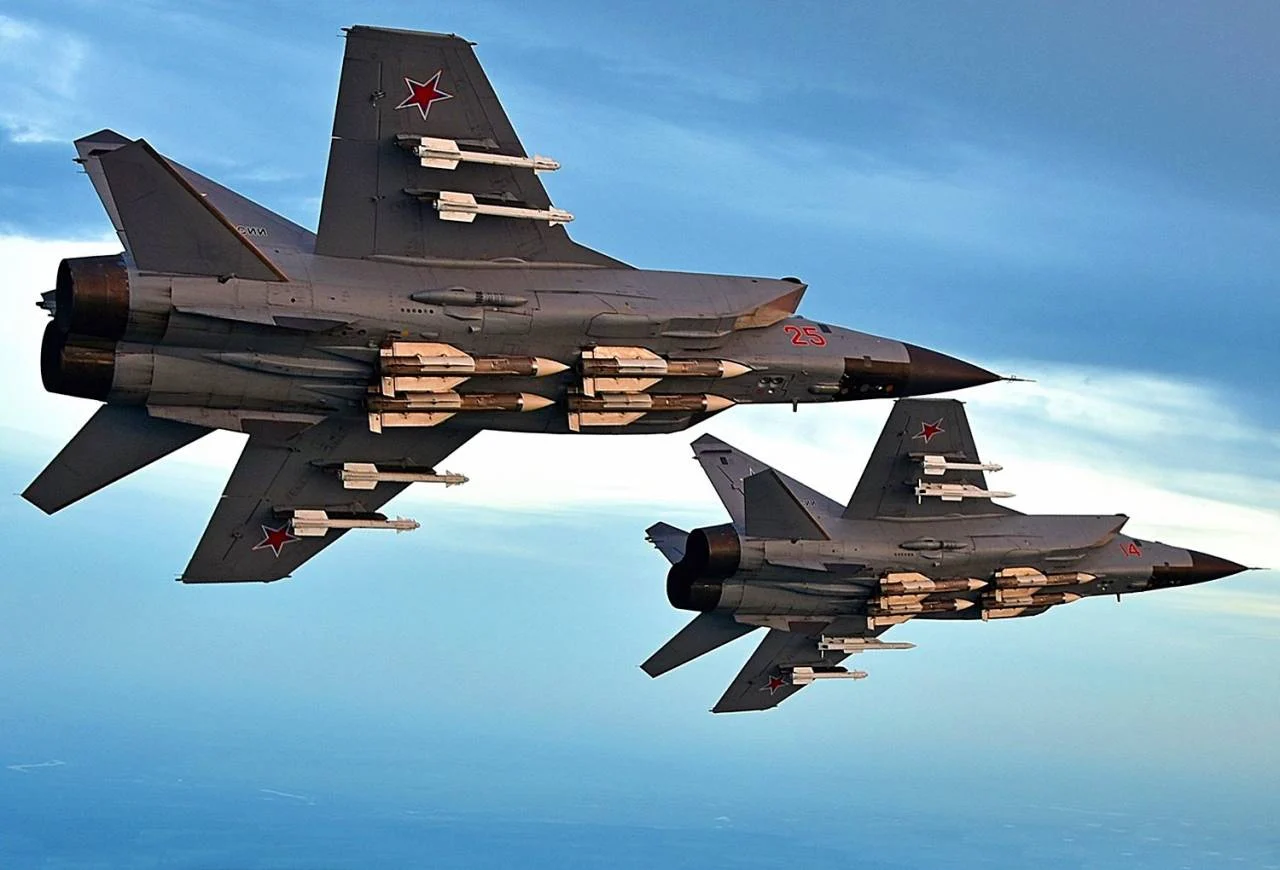
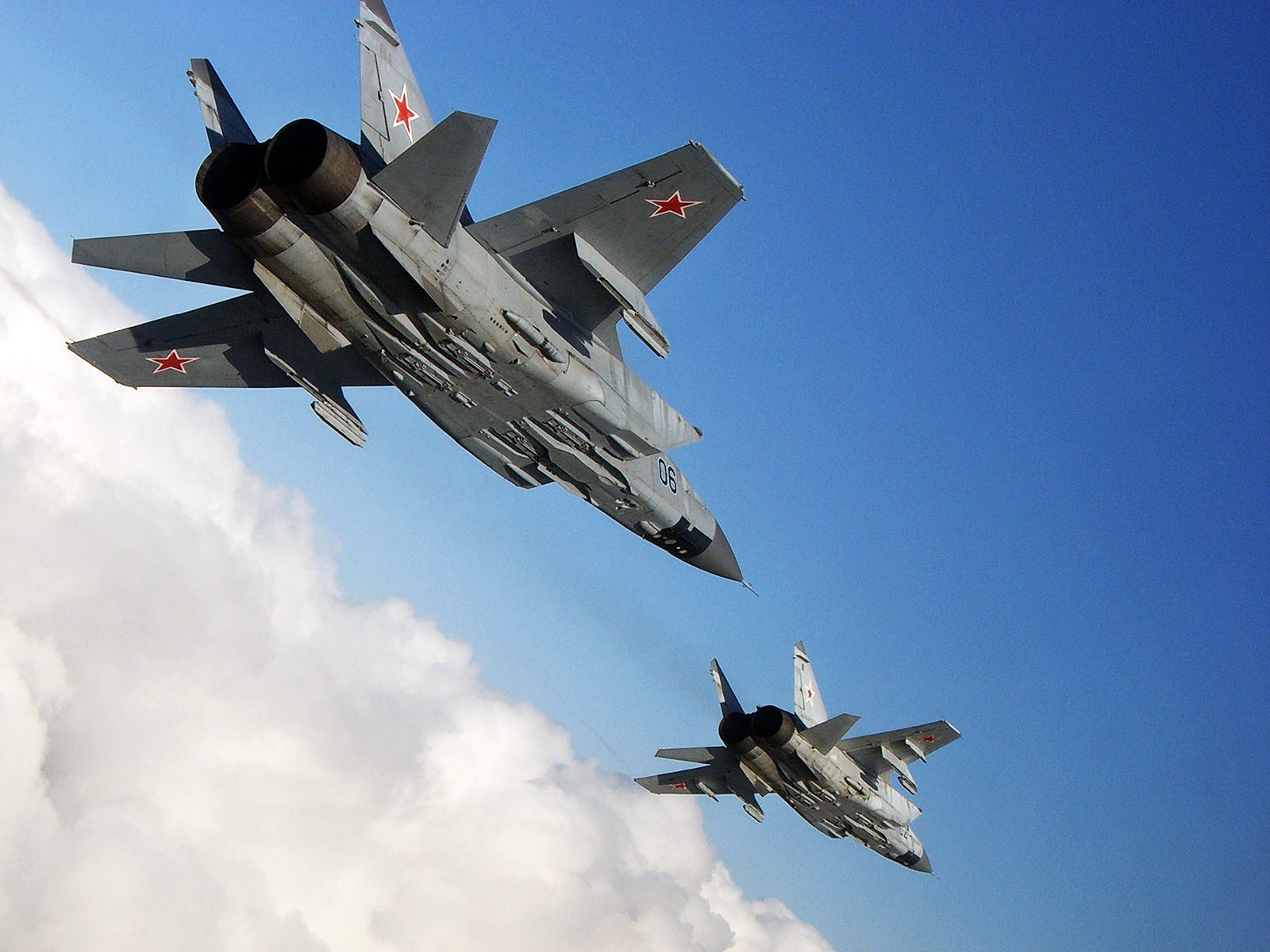
MiG-31 interceptors have become the limiting factor that prevents Ukrainian aviation from flying at high and medium altitudes.
The development of the E-155MP interceptor, which was to become the MiG-31, began in the 1970s. According to the new technical specifications, it was supposed to have better flight characteristics.
This included an increase in maximum speed to 3,500 km/h, a larger combat radius, and a modern onboard radar and interceptor control system.
The aircraft was developed using the fuselage and air intakes from the MiG-25, but with a certain improvement: the crew consisted of a pilot and a radar operator.
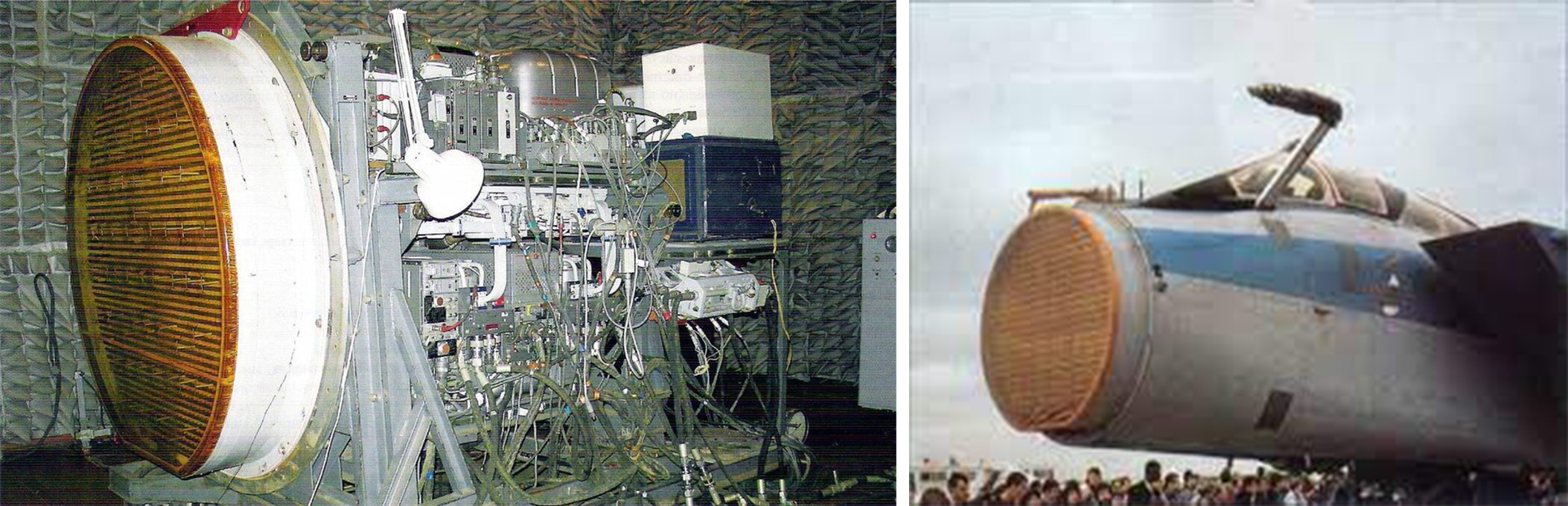
Nevertheless, the key to the aircraft’s effectiveness was the SBI-16 Zaslon onboard radar, which was the world’s first radar with a passive phased array (PFAR) to be serially installed on an aircraft.
At the time of its introduction in the 1970s and during its use, the radar was unparalleled, and its capabilities allowed the full potential of the aircraft and its missile armament to be utilized. Even today, the radar’s capabilities are impressive.
The station is capable of simultaneously tracking up to 10 air targets and guiding missiles with a semi-active GNSS at four of them. At the same time, the priority for guiding the missile to the target was selected by the Argon-K automatic computing device.
The maximum range for detecting air targets has never been officially published, but the terms of reference required that the range of target detection be at least 300 km. In addition, according to the terms of reference, the range of detection of targets with an effective scattering area of 5 square meters was to be at least 190 km.
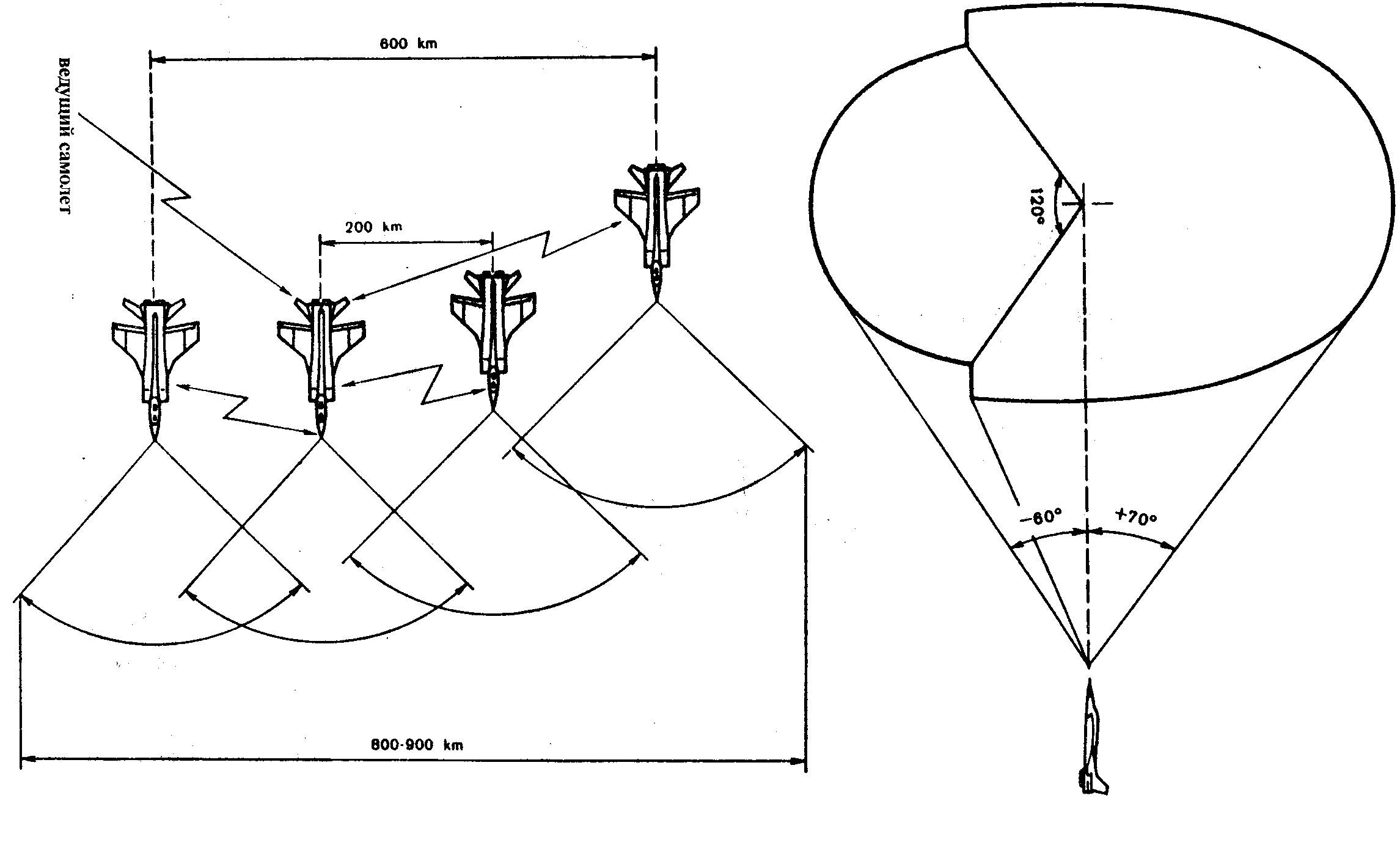
In general, the system was designed to use automated digital interference-protected data transmission equipment RK-RLDN and APD-518. Their use made it possible to transmit information about the detected target to other MiG-31 aircraft or ground command posts in real time.
This equipment made it possible to cover a large sector when flying in a formation, as Zaslon has scanning angles of +/- 70 degrees in azimuth and -60 + 70 in elevation.
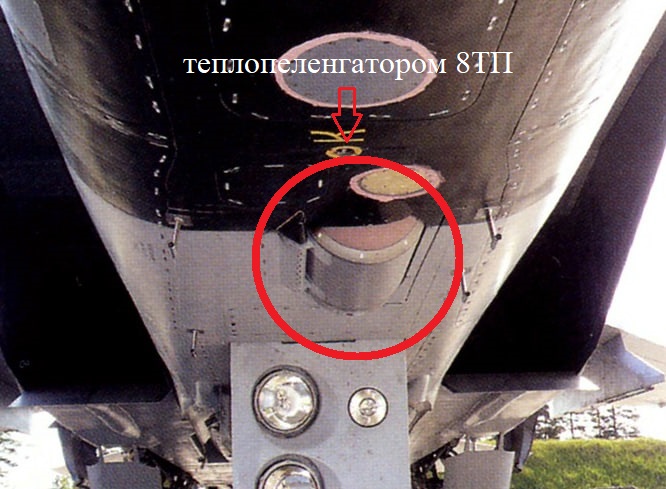
In addition to the airborne radar itself, the aircraft was equipped with an 8TP heat-seeking radar, which was integrated into the airborne radar. Its presence made it possible to use missiles with infrared GNSS at short distances with the aircraft’s main radar turned off, and the maximum detection range was 50 km.
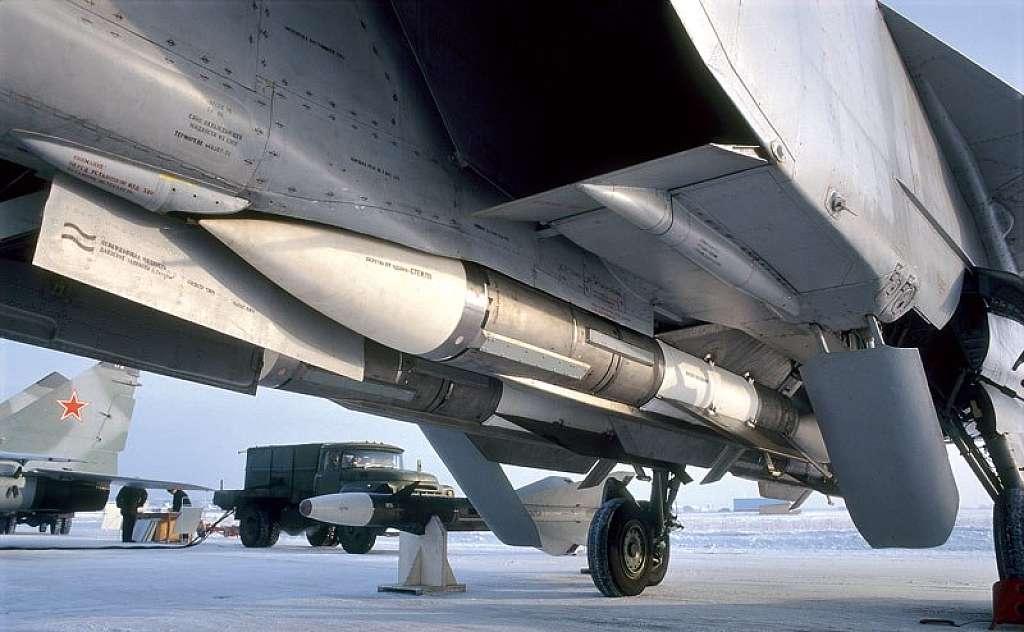
The powerful radar system of the aircraft was also to be reinforced by powerful missile weapons, which were primarily designed to intercept American bombers, reconnaissance aircraft, and cruise missiles at ranges of up to 200 km.
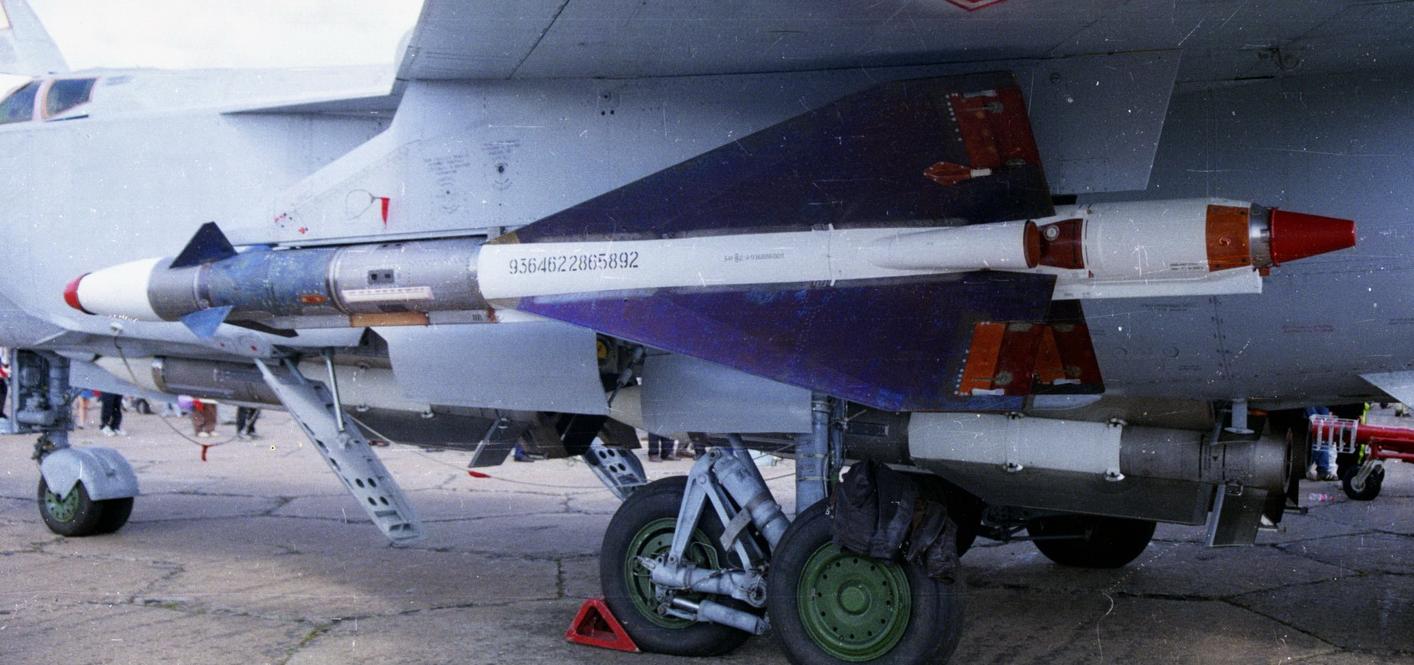
Initially, the aircraft’s armament consisted of the R-33 long-range radar air defense missile, which used a semi-active GWS, and the R-40TD missile with an infrared GWS. Later, the aircraft was equipped with more compact and maneuverable R-60 missiles.
These missiles fit perfectly into the aircraft’s weapon system, and their guidance was possible both from the aircraft and from a ground command post. The R-33 missiles had an advanced inertial guidance system, the accuracy of which in most cases depended on the accuracy of the entered coordinates when launched at long ranges.
The SAU-155MP automatic control system and the KN-55 navigation system were perfectly suited for this task. Their development was initially problematic, as MiG-31 aircraft had to intercept targets above the polar pole, where the devices worked somewhat incorrectly due to the unstable magnetic field.
The aircraft was also equipped with two IS-1-72A inertial systems, a Maneuver digital calculator, and other systems that significantly improved the accuracy of the missile’s primary coordinates.
Since the R-33 missile used a semi-active GNSS, the onboard radar had to track the target along most of its trajectory to engage it. The R-33 missile itself was capable of hitting targets at a range of 160 km, and its 47 kg warhead made it possible to destroy them with devastating destructive force.
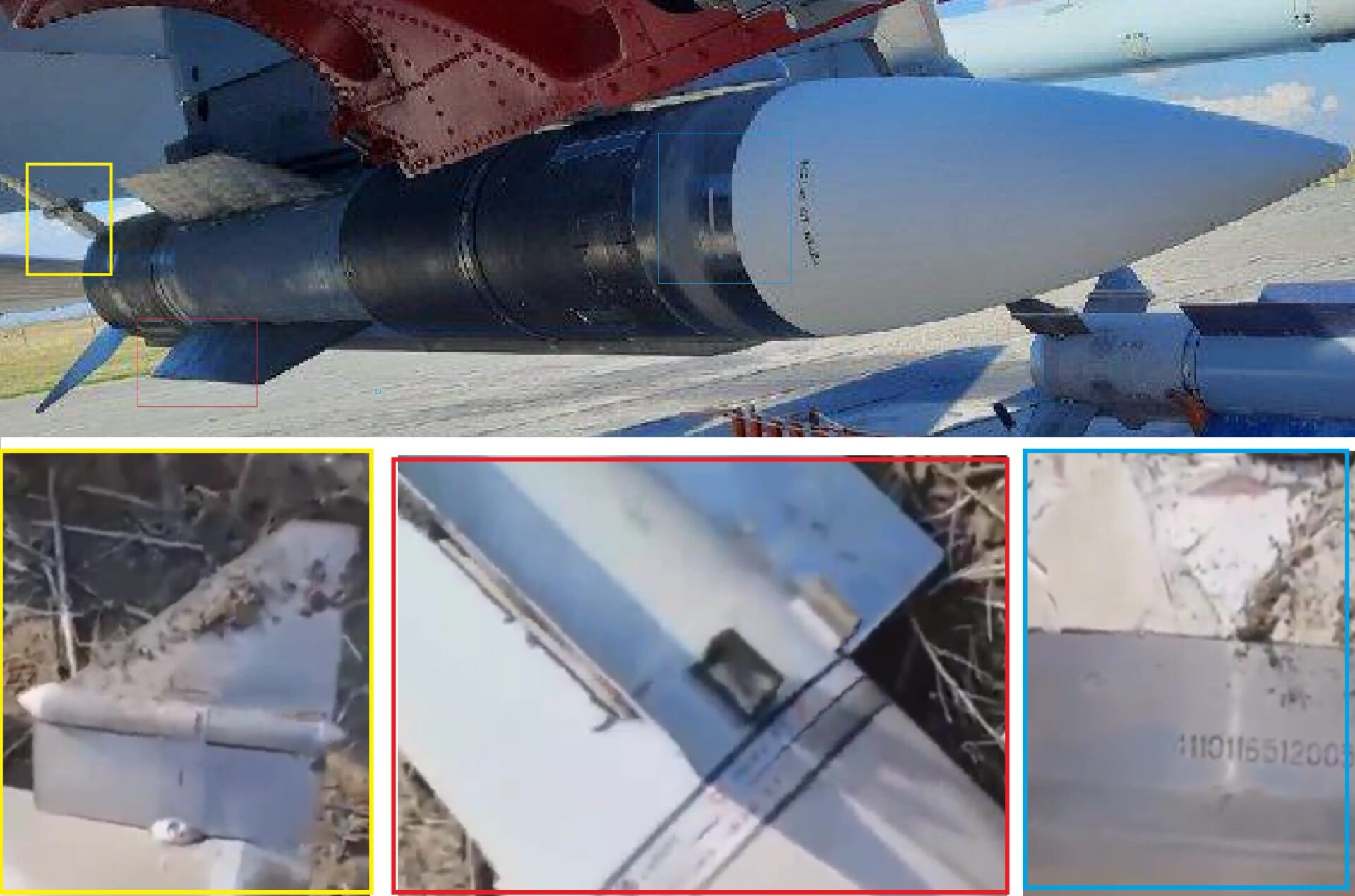
Since the beginning of Russia’s full-scale invasion of Ukraine, the enemy has repeatedly used MiG-31 aircraft to patrol its own airspace and attempt to “catch” Ukrainian air force aircraft. Already in 2021, on the eve of the war, MiG-31 combat units began to receive a new long-range R-37M radar missile, which was supposed to provide the Russian VKS with a long-range advantage.
Looking ahead, it is worth noting that the missile did indeed limit the capabilities of the Ukrainian Air Force, as the stated maximum range is 300 km. In addition, it is equipped with a modern active GNSS, which, unlike the R-33, does not require constant targeting. This makes it possible to launch from long distances and carry out correction from A-50U airborne radar aircraft.
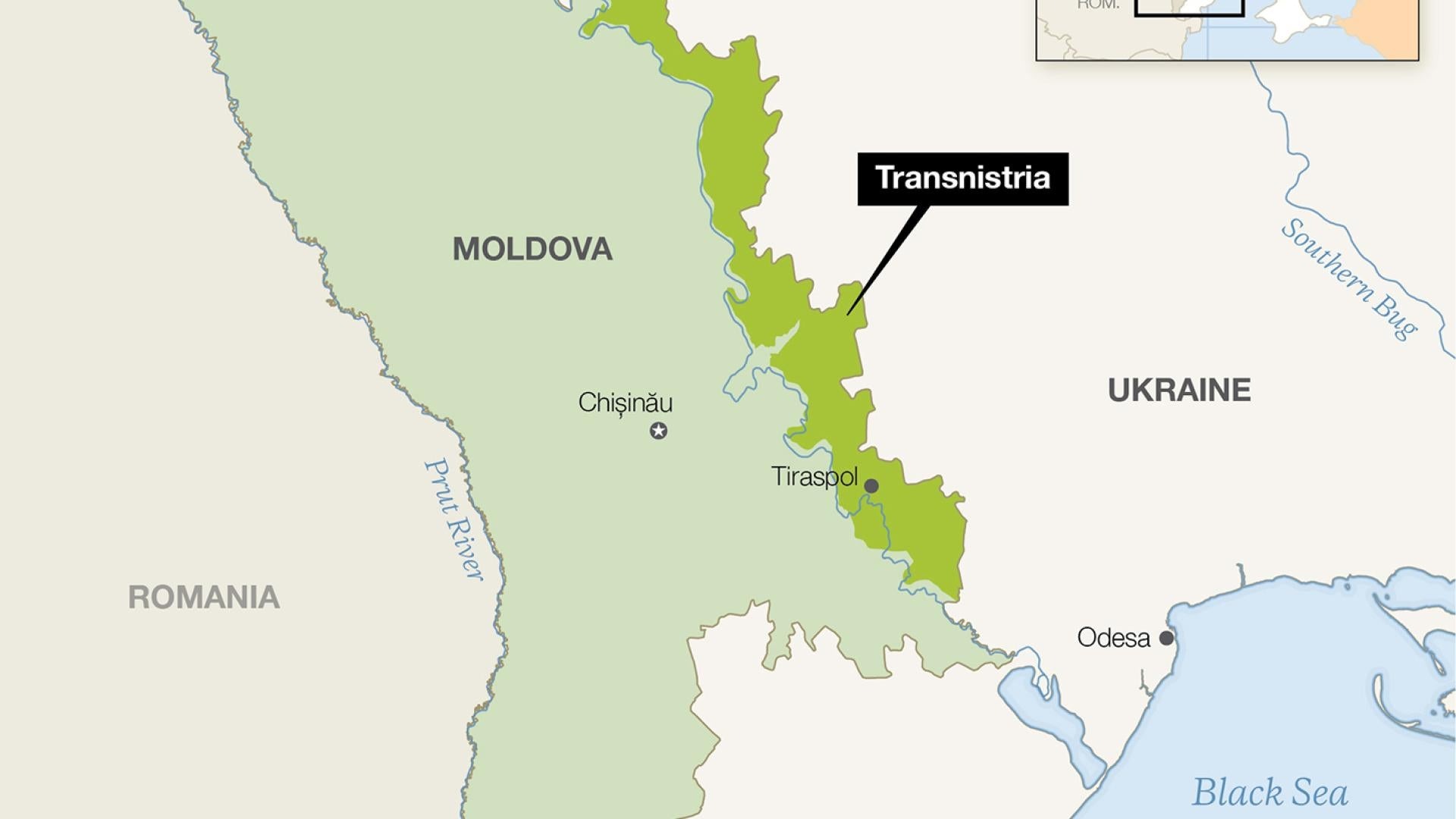
In their report published in 2022, experts from the Royal United Services Institute noted that in October 2022, approximately six launches per day of R-37M missiles were launched at Ukrainian air forces. In addition, to limit the capabilities of Ukrainian aviation, four MiG-31s were redeployed to the Belbek air base in Crimea that year.
There is no official confirmation of Ukrainian aviation losses from R-37M missiles. According to unofficial information, the Ukrainian Air Force lost two aircraft.
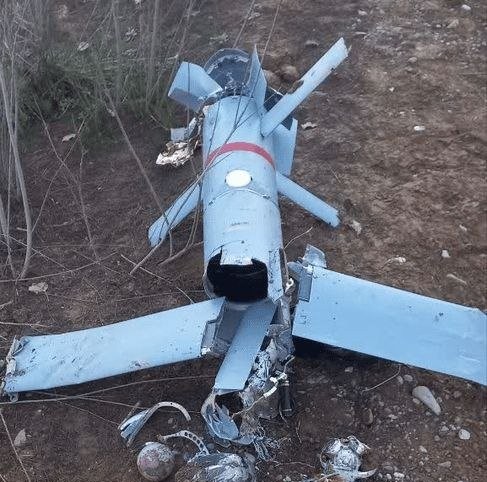
In February 2023, the wreckage of an R-37M aircraft missile was found on the territory of Ukraine.
Despite the relative activity of using missiles of this type from MiG-31 interceptors, which worked in conjunction with A-50U air defense aircraft, their effectiveness is not very satisfactory. The R-37M has a maximum range of 300 kilometers and a top speed of about 7,400 kilometers per hour, which should have given the Russians air superiority.
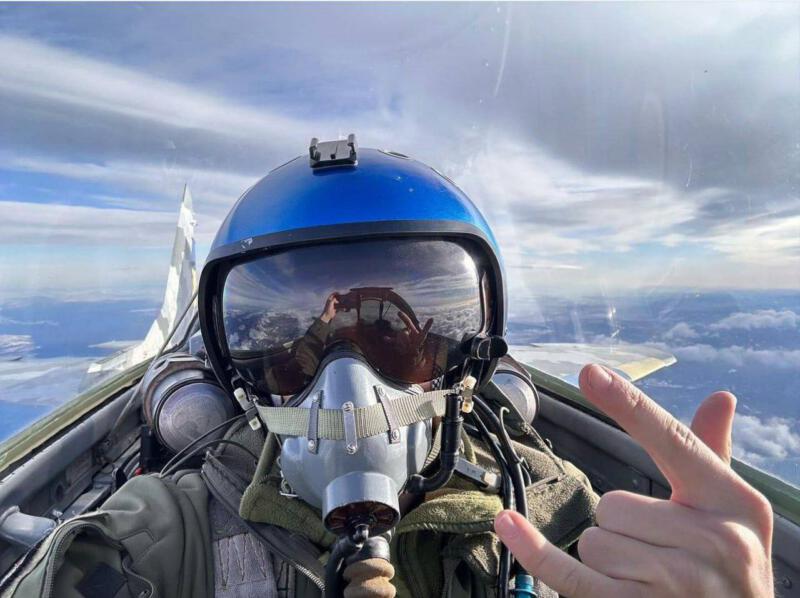
However, since Ukrainian fighter pilots were aware of this threat, their flights shifted from medium to low altitudes. Flying at low altitudes does not yield high efficiency in the use of these missiles against such targets, as the reliability of targeting against the ground poses certain problems for radar GEOs due to the large number of contrasting targets.
Currently, the threat from MiG-31 interceptors still exists, and it limits the activities of the Ukrainian Air Force. But at the same time, given the fact that Ukrainian aviation carries out most flights at low altitudes, the R-37M carriers only have to wait for a certain error to launch.
Despite its long range and high speed, the missile has major limitations that are related to both its maximum possible overload and the overload of the target. Therefore, the pilot can effectively perform anti-missile maneuvers.
Підтримати нас можна через:
Приват: 5169 3351 0164 7408 PayPal - [email protected] Стати нашим патроном за лінком ⬇
Subscribe to our newsletter
or on ours Telegram
Thank you!!
You are subscribed to our newsletter