

Popular
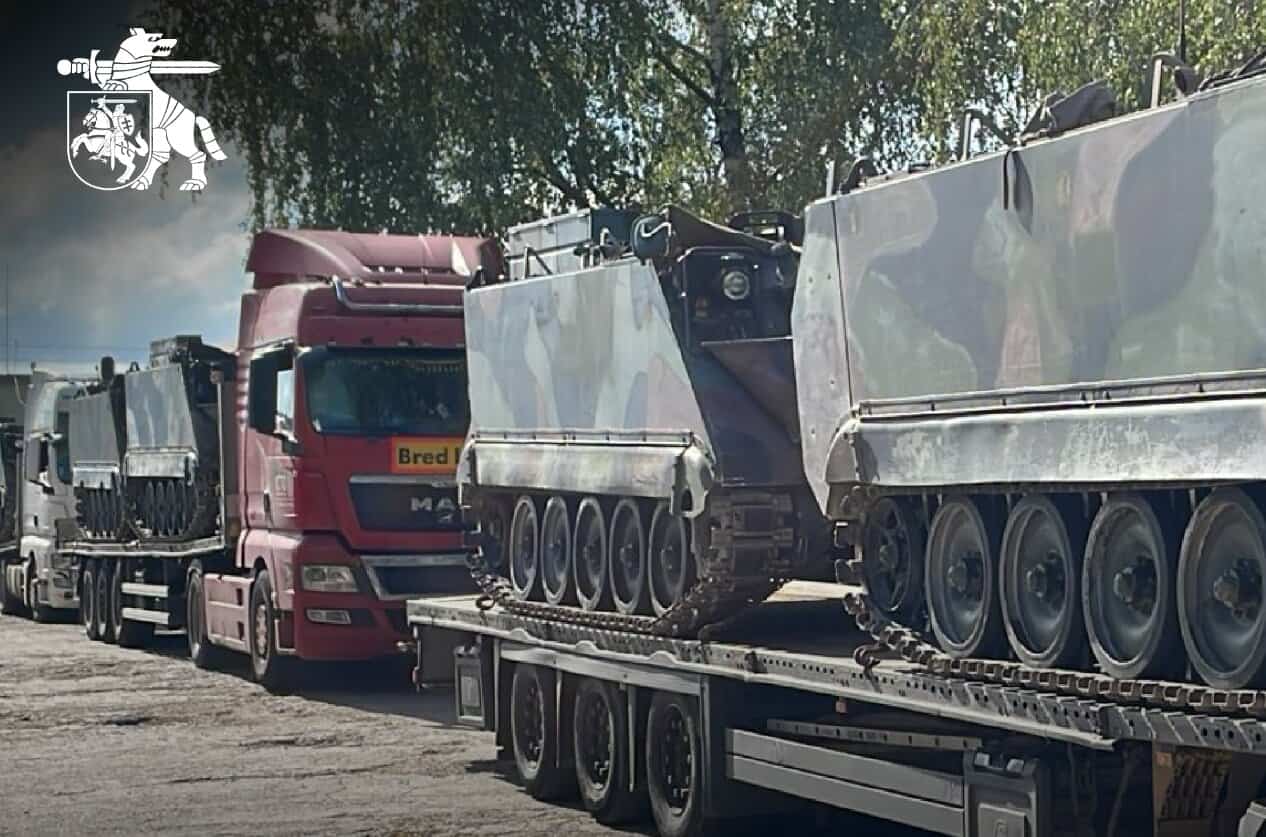

Even before the Russian invasion of Ukraine in 2022, Lithuania was a vocal and key supporter of Ukraine, aiding Ukraine’s integration into the Western political and security blocks, such as European Union and NATO. Lithuania also provided military training after and humanitarian aid to Ukraine after the 2014 crisis. It was also one of the few countries that provided lethal military aid right before the 2022 invasion, supplying the Ukrainian military with vital weapons such as Stinger anti-aircraft missiles.
From the first glance, it seems as Lithuanian aid will continue. Yet some longtime partners, like Poland, have recently turned somewhat more negative to Ukraine. Thus, entering the 4th year of war, it is important to assess current public and political Lithuanian support for Ukraine.
Lithuanian support for Ukraine can be separated into a few main fields, that being political, humanitarian, military aid and public support for it.
As mentioned before, Lithuania supported Ukraine’s efforts in the international politics for a while now. Both the previous Conservative and the current Social democrat governments have expressed strong support for Ukraine’s intent to join NATO and the EU, as well as backed up wider EU lead Ukrainian rebuild process for when the war ends. The Lithuanian President Gitanas Nausėda have stated that any kind of peace deal must guarantee Ukrainian sovereignty, independence and territorial integrity.
While the Prime Minister Inga Ruginienė has declared that her cabinet’s support for Ukraine is “immovable” and a top priority, not all political parties express such support. One of the main coalition parties, Nemuno aušra (NA for short), and its leader Remigijus Žemaitatis often criticize Ukraine and Lithuania’s position in the conflict. Žemaitaitis have accused Ukraine of corruption, while the party voted against additional sanctions on Russian citizens. Even though the NA is far from the most popular party, with 18 members in the parliament and a position in the leading coalition it is still influential. More importantly, it represents a portion of Lithuanian society that likely harbor anti Ukrainian sentiment.
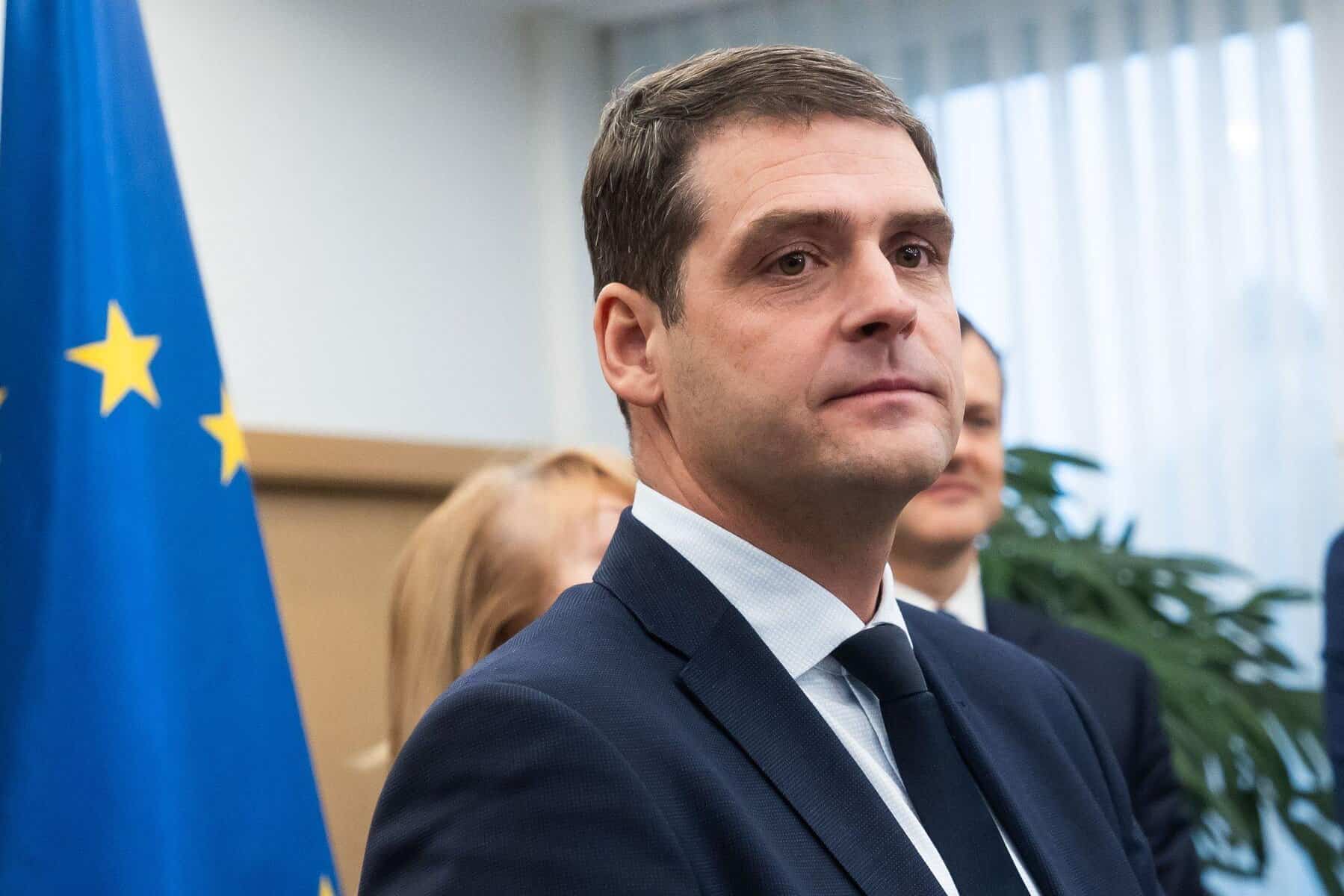
Nevertheless, most Lithuanians still support Ukraine. While there were no surveys or public polls this year, survey done a year ago shows that vast majority (71 percent) support military aid to Ukraine. Last year, several Lithuanian fundraisers, like Radarom managed to raise more than 6 million euros to buy drones and air defense radars. While organizations like Blue/Yellow managed to raise more than 21 million euros in 2024 (latest report) to help Ukraine. This shows, that despite talks of “fatigue” Lithuanians still overwhelmingly support Ukraine. Such results show that after nearly 4 years of war, majority of Lithuanians still support Ukraine.
Lithuania also accepted a relatively large number of Ukrainian refugees, since it is estimated that over one hundred thousand Ukrainians have arrived in Lithuania since the beginning of the war. While public support for the refugees have subsided, it generally remains strong, as 7/10 Lithuanians view Ukrainian refugees positively (November 2024 data, most recent poll). This is a sharp contrast to Poland, which set record lows for refugee support in early 2026, with just 46 percent of population showing approval.
This can be explained by the fact that most Lithuanians view Ukraine as a country defending Europe from the Russian aggression, strong anti-Russian unity, and no historic or present-day tensions with between Lithuania and Ukraine. Another thing that dampens Lithuanian “fatigue” is a solid integration of refugees into Lithuanian society. Ukrainians are learning Lithuanian language, studying in schools and working. This means that in foreseeable future there should be no drastic decline in public support, unlike what happened in Poland.
Besides humanitarian and political aid, Lithuanian President Gitanas Nausėda has announced that the country provided Ukraine with over 1 billion worth of military equipment. And for the first time in nearly four years of the war, the new Lithuanian national defense strategy includes a mandatory requirement to spend at least 0.25 percent of GDP as military aid to Ukraine. Lithuania also substantially invests into Ukrainian defense industry, as well as rehabilitation of wounded troops and provides military training. And as mentioned before, more than 70 percent of Lithuanians supports military aid. All of this ensures long term strategic stability in Lithuanian/Ukrainian defense cooperation.
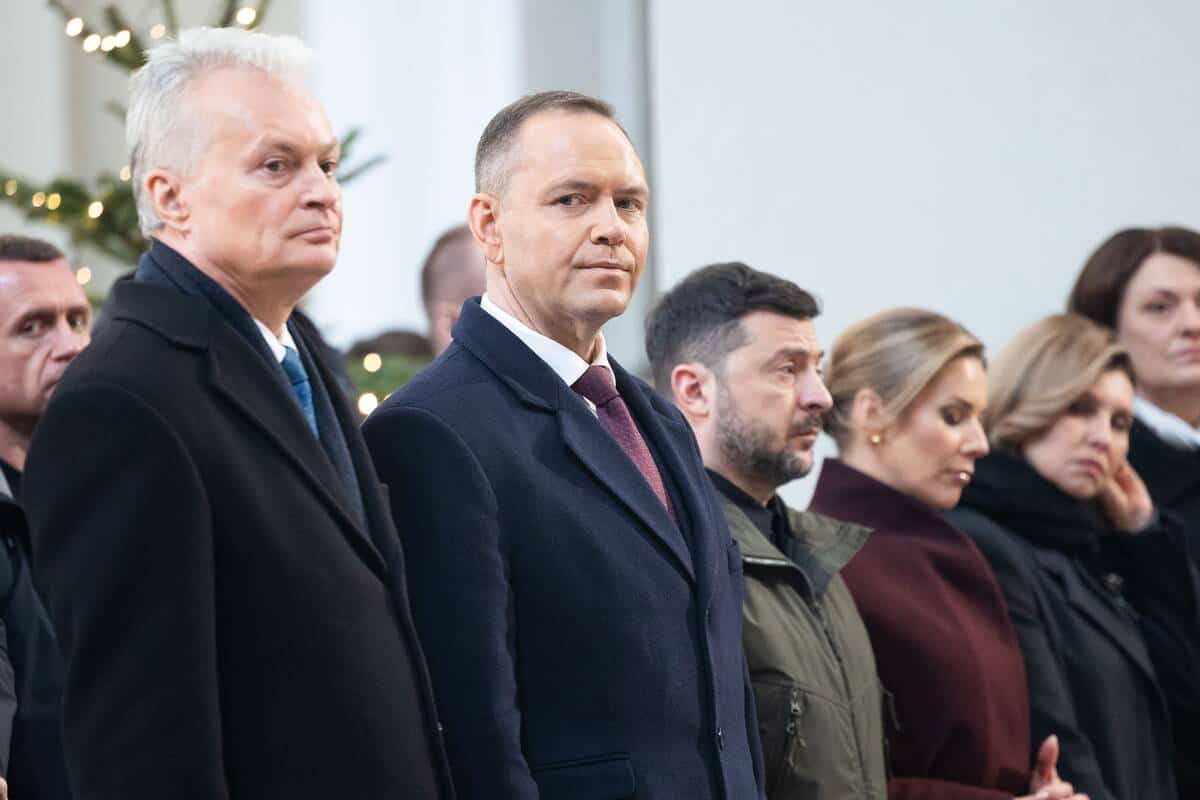
While long term political and military support for Ukraine is a key strategy for Lithuania, there are some major issues that can cause problems in the future, and they must be addressed and dealt with.
Although the majority of Lithuanian public and government express approval for Ukraine, there’s a growing, Russian backed anti-Ukrainian movement. While previously mentioned Nemuno aušra party represents anti-Ukrainian sentiment in the parliament, this party is yet unable (or possibly, unwilling) to turn their agenda into actual results and prefers stalling major political processes, like afore mentioned sanctions on Russian citizens.
Most of the anti-Ukrainian movement is made up and led largely by decentralized mass of political grifters, “alternative” media outlets and anti-government types, with a few fringe political parties with no seats in the parliament, with roots in anti-vaccination movement back during the COVID-19 pandemic. Ideologically they are not any different from any other European far right/far left groups, with strongly expressed anti-Ukrainian, anti-West, anti-NATO beliefs, as well as opposition to increased military funding.
While these groups cannot muster large amounts of people, they are very active online, especially on Facebook and TikTok. With over half a million bots accounts in Lithuania alone, they tend to drown out the opposition, spread fake news and create an illusion of being the “majority” despite authorities attempts to stop the tide of disinformation. Nevertheless, anti-Ukrainian movement in Lithuania suffers from lack of majority support, proper organization and actual representation in the parliament or the government. Thus, they currently don’t possess the power to hinder Lithuanian support to Ukraine or our bilateral relations but poses as a growing threat. A threat not only to Ukraine, but to Lithuanian sovereignty in general. The best way Ukraine can counter these groups is by transparence and continuing the fight against corruption in the country, as “Ukrainian corruption” is a popular topic in anti-Ukrainian circles.
Another issue is a growing possibility of war with Russia. Despite issues in transatlantic relations within the NATO, the alliance is still extremely popular in Lithuania, with over 90 percent of Lithuanians supporting it, and over half being ready to defend the country. Record numbers of citizens have joined the paramilitary Rifleman union, while the conscription system faces no shortage of recruits willingly coming to serve the 9-month long service.
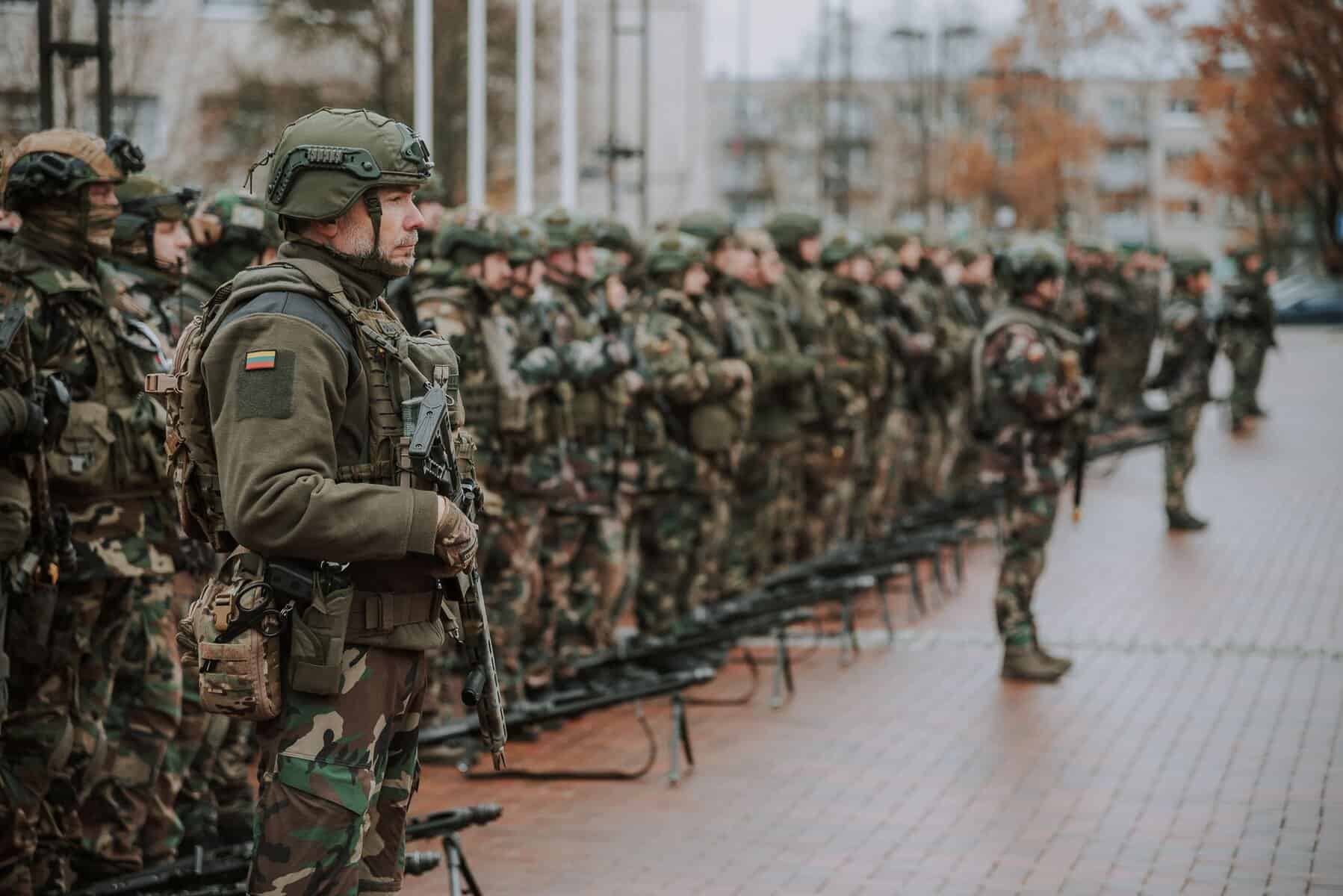
This means that while there is increased concern about possible future conflict, there is no indication of universal panic or fear. With a record high defense budget, Lithuania seems to care about its national security more than ever in the last 20 years.
Nonetheless, this causes a problem on its own when it comes to military aid to Ukraine. With over a billion euros worth of aid, Lithuania has largely exhausted immediate support it can give without compromising its own security. This raises some experts (and public) voices that Lithuania should not give Ukraine more, because it is necessary to build up our own armed forces. One example of this would be Lithuanian refusal to give Ukraine state of the art Panzerhaubitze -2000 self-propelled howitzers, citing their own need for artillery systems. One of the ways to solve this problem is by investing more into Ukraine’s own defense industry, which would be beneficial to both countries, since Ukraine could quicly manufacture military equipment they need, while Lithuania would have access to battle tested hardware without using its own stockpiles.
In conclusion, Lithuanian support for Ukraine doesn’t seem to dwindle like in some other European countries, namely Poland. While there are several issues, such as Russian backed army of bots in the social media, or fringe political groups, anti-Ukrainian sentiment doesn’t seem to take root. Even though, these issues must be addressed, both by Lithuania and Ukraine, otherwise it can cause problems in the long run.
However, in the near future, there should be no drastic changes in Lithuanian national policy regarding Ukraine. Driven by strong sense of brotherhood and mutual history, it appears that the Lithuanian people are ready to support Ukraine’s fight for freedom as long as it takes. As the popular saying goes, “kartu iki pergalės!” (Lithuanian – together until victory!)
Підтримати нас можна через:
Приват: 5169 3351 0164 7408 PayPal - [email protected] Стати нашим патроном за лінком ⬇
Subscribe to our newsletter
or on ours Telegram
Thank you!!
You are subscribed to our newsletter