

Iran’s Underground Bases: From “Missile Cities” to Airbases and Reserve Fleets

Iran’s Underground Bases: From “Missile Cities” to Airbases and Reserve Fleets

Oleksandr Yan

Oleksandr Yan

March 4, 2026
15:23
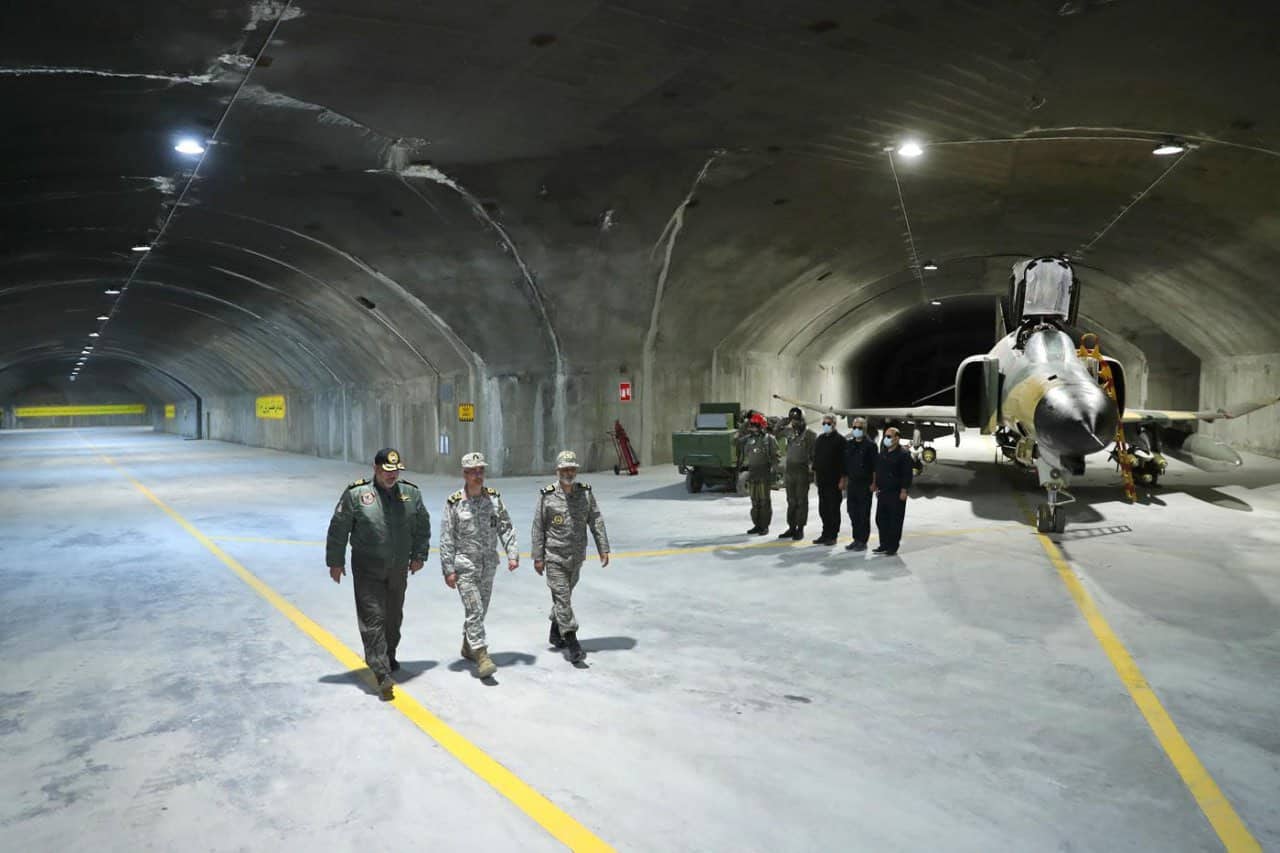
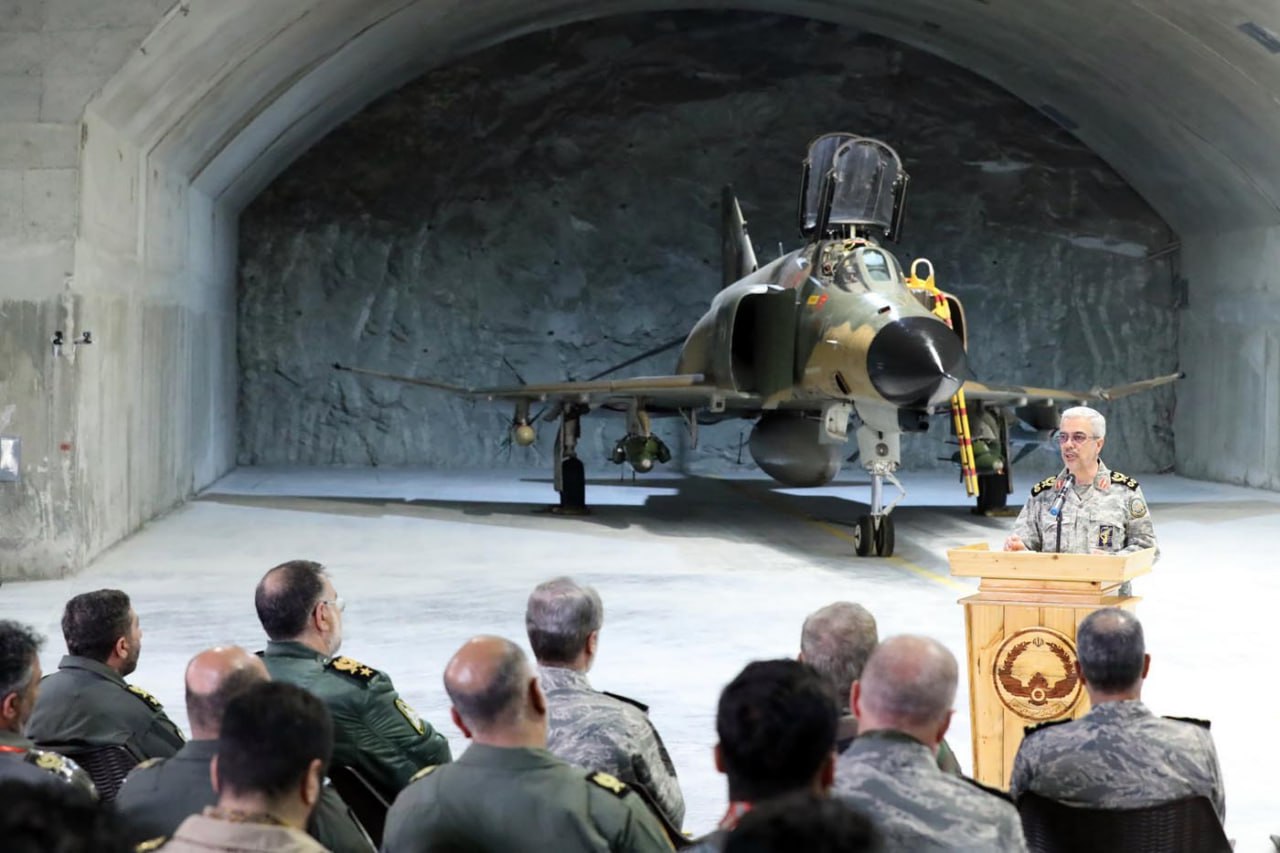
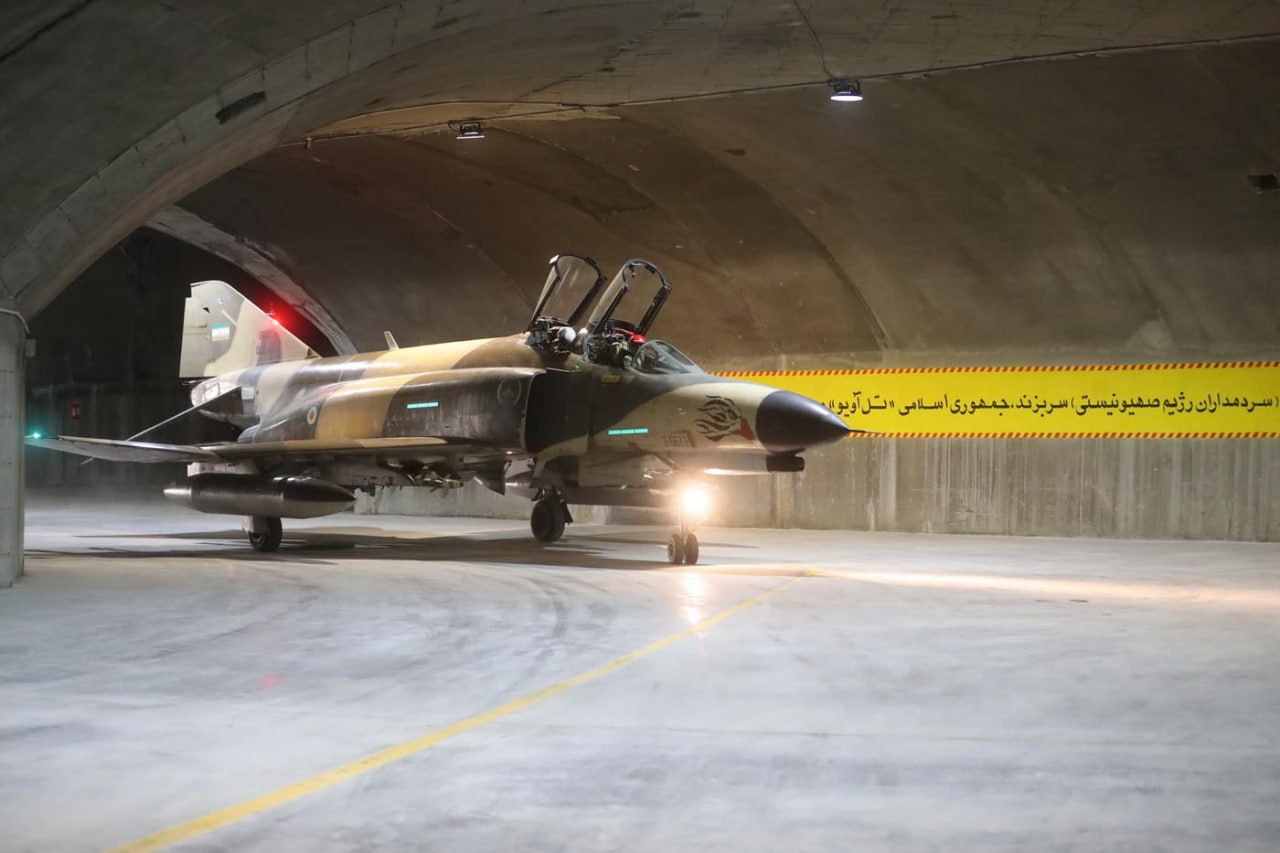
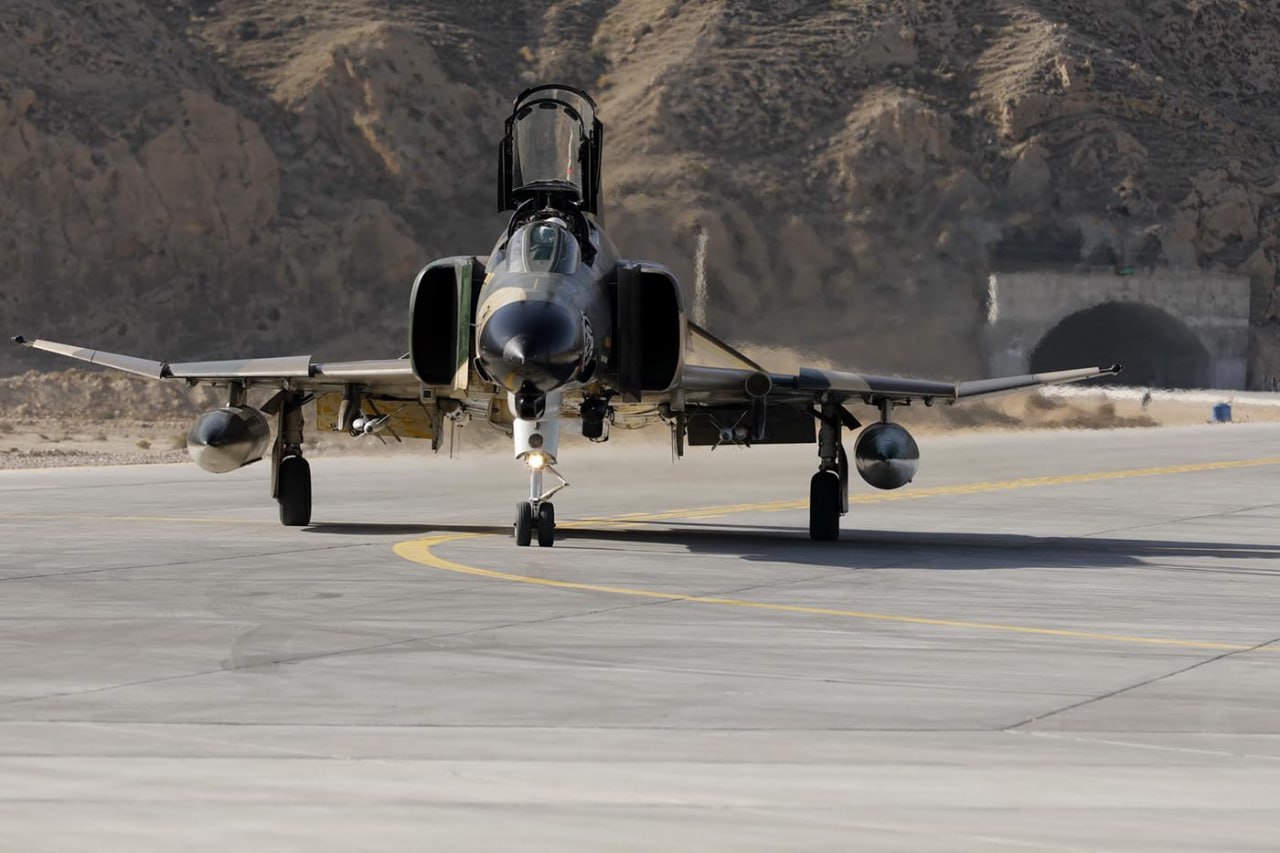
Iranian F-4 Phantom at the Oghab 44 underground airbase, February 2023. Photo credits: FARSNews

Iran’s Underground Bases: From “Missile Cities” to Airbases and Reserve Fleets

Oleksandr Yan

Oleksandr Yan

March 4, 2026
15:23
Iranian F-4 Phantom at the Oghab 44 underground airbase, February 2023. Photo credits: FARSNews

The hostilities in Iran have once again demonstrated that modern warfare is not just a matter of quantity of equipment or air superiority. One of the most important factors in the conflict was the large-scale underground infrastructure that the Iranian military had been building for decades. Colossal facilities — missile cities, air bases, command posts, and logistics tunnels — built deep underground, became an impenetrable shield that ensured the preservation of combat potential even during intense Israeli strikes.

Hidden beneath the earth, these bases not only saved the Iranian military from complete destruction but also allowed it to switch to an asymmetric response, preserving the mobility and concealment of its strategic resources. These grandiose underground structures and their role in the war will be the main topic of today’s story — from architecture to military strategy, shaped by the experience of past conflicts.

To understand the logic of Iranian military doctrine, it is necessary to delve into history and examine two key events in the Middle East: the Iran-Iraq War and Operation Desert Storm. It was under their influence that the modern Iranian military machine and the vision of how to win a war were formed.

In 1980, Saddam’s army invaded Iran with a plan for a lightning war that would end with the defeat of the enemy and the capture of the oil-rich province of Khuzestan. However, as is typical of this genre, the “small operation” turned into a bloody massacre that lasted for years. A particularly tragic stage was the so-called “war of cities” — massive rocket attacks and air strikes on Iranian cities, which were intended to break the will of the ayatollahs and force them to the negotiating table. Iran had no missiles and could only respond with its limited tactical aviation.

The feeling of vulnerability only intensified after Operation Desert Storm. Without setting foot on Iraqi soil, the US and the UK used their air forces alone to completely destroy the once-powerful air defense system and destroy a significant part of the air force while it was still on the ground. The coalition succeeded in implementing the “Shock and Awe” doctrine — within days, it disabled key command posts and paralyzed the entire troop command system.

F-15 and F-16 US Air Force aircraft in the skies over Kuwait, 1991. Photo credits: US Air Force

The war in Iraq demonstrated the superiority of high-tech weapons. The air operation was launched by strategic aviation, which, for the first time, used AGM-86 cruise missiles equipped with satellite navigation for precision strikes against communications and command-and-control facilities. Meanwhile, tactical aviation and low-profile F-117s bombed strategic targets, including Baghdad, with impunity, using satellite intelligence data.

The defeat of what was once the largest army in the region was significant, and Tehran drew strategic conclusions: in the view of Iranian strategists, the army of the Islamic Republic is not capable of winning an open confrontation against forces that have total superiority in the air, reconnaissance, and high-precision weapons. Therefore, the main idea of the defense doctrine was to preserve key elements of military potential even after the first waves of massive strikes — and to maintain the ability to respond effectively. The response was hundreds of kilometers of tunnels, missile silos, hangars, command posts, and transport arteries hidden deep underground. Over two decades, they will form entire “underground cities.”

  • The US has absolute superiority in the air and in long-range strike capabilities.
  • Iran is not capable of defeating the US or Israel in an open war.
  • Its only chance is to survive the first strike and preserve its forces for a counterattack.

Iran’s geography also works in favor of this strategy — the Zagros and Elburz mountain ranges cover the western and northern regions. The terrain and rock strata are ideal for constructing underground bases and for the concealed placement of military facilities.

Iran’s underground “missile cities”

Since the 1990s, the Iranian military has been steadily developing its own missile program, drawing on Soviet and North Korean developments in the field of liquid-fuel and solid-fuel ballistic missiles. In twenty years, the country has gone from copying Soviet Elbrus missiles with a range of 300-500 kilometers to developing its own medium-range missiles, such as Ghadr and Emad.

The Iranian strategists’ bet is simple: if it is impossible to wage symmetrical warfare against its likely adversaries, it is necessary to ensure a devastating asymmetrical response. In the absence of modern tactical aviation, Iran is now putting pressure on Israel with ballistic missiles that have a range of 2,000 kilometers and are extremely difficult to intercept.

According to estimates by the American Center for Strategic and International Studies, the arsenal of the Aerospace Force of the Islamic Revolutionary Guard Corps includes thousands of ballistic missiles and is actively growing. The retaliatory operations codenamed “True Promise I” and “True Promise II”, which involved salvos of up to 120 and 200 ballistic missiles fired at Israel, eloquently demonstrate the enormous missile stockpiles. And the third iteration, in June 2025, reached more than 500 ballistic missile launches in a week.

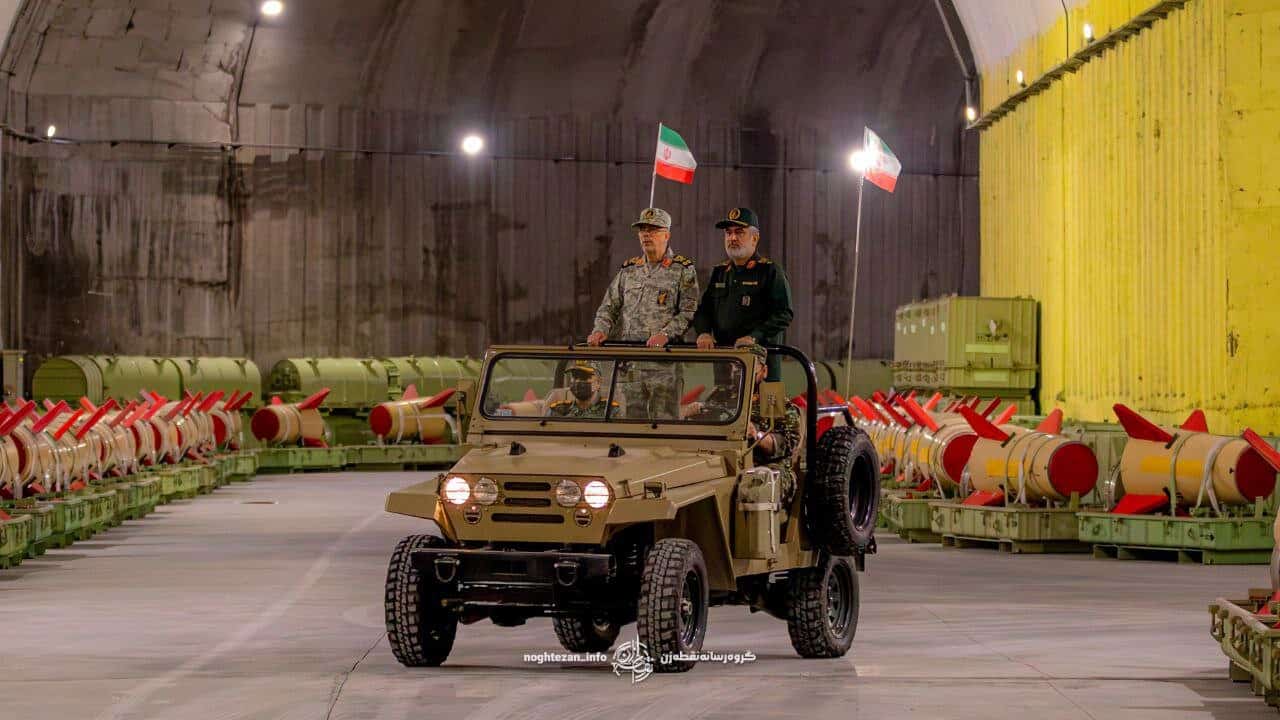
Accepting the fact that the enemy would quickly conquer the country’s airspace, Iran formed all important military assets with the expectation that they would be permanently based underground. The most famous manifestation of this doctrine is the so-called “missile cities” — extensive underground complexes that serve as storage facilities and launch sites for missile systems.

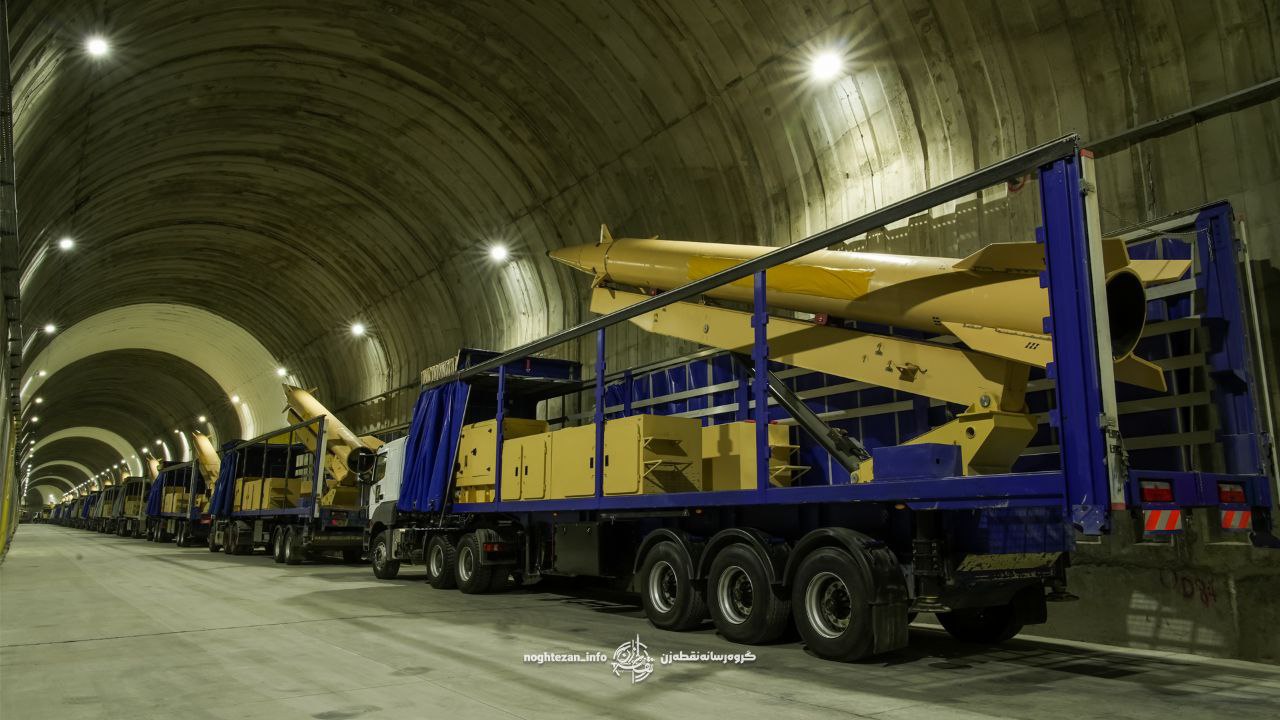
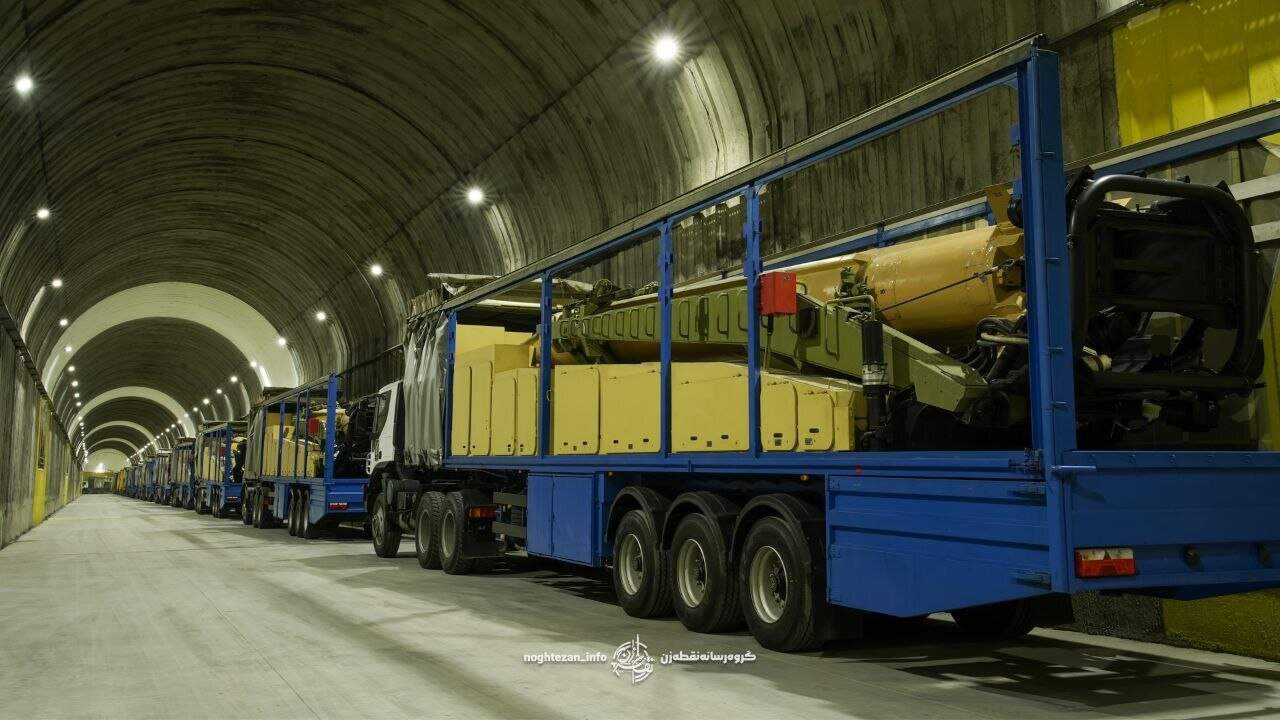
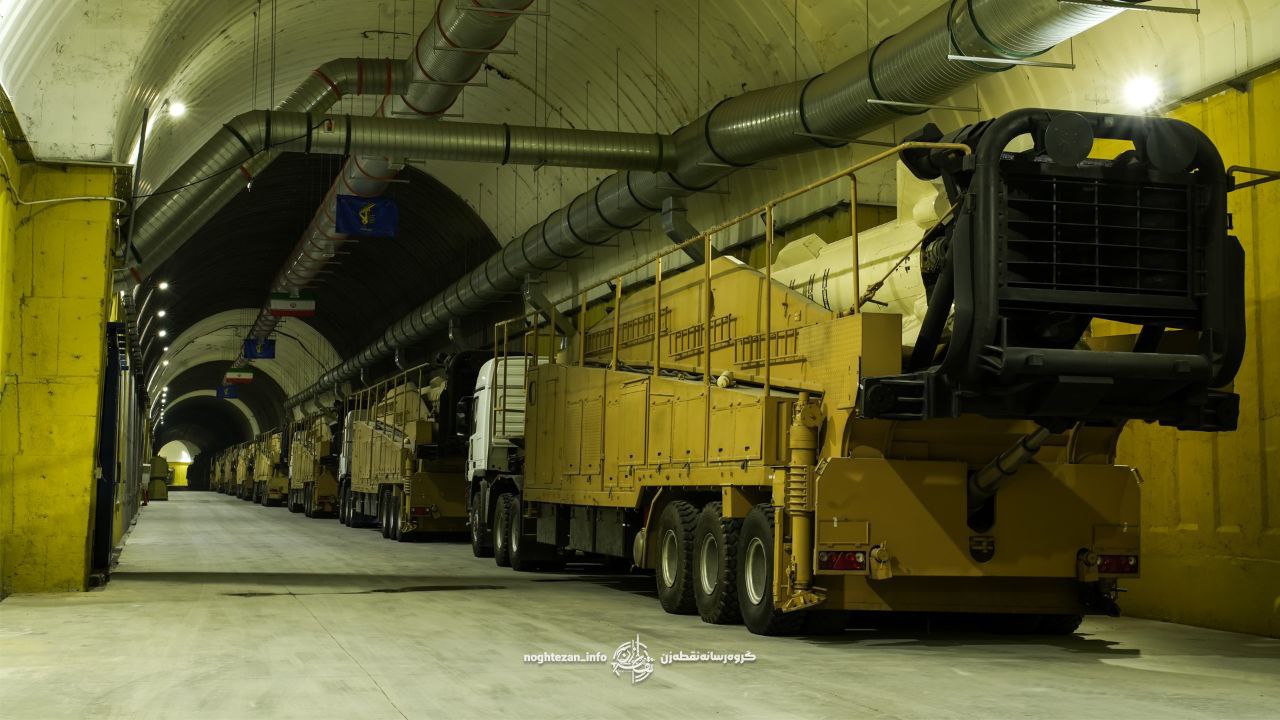
The Iranian authorities claim that there are missile bases in each of the 31 provinces. At least nine are known to exist, the most famous of which are the bases. The first images of Iranian missile cities began to be published by state media in 2015. Schematically, all facilities are similar — they are a network of tunnels, usually 6-10 meters high and about 6 meters wide. The lack of large areas is compensated for by the length of the tunnels, which can reach tens of kilometers.

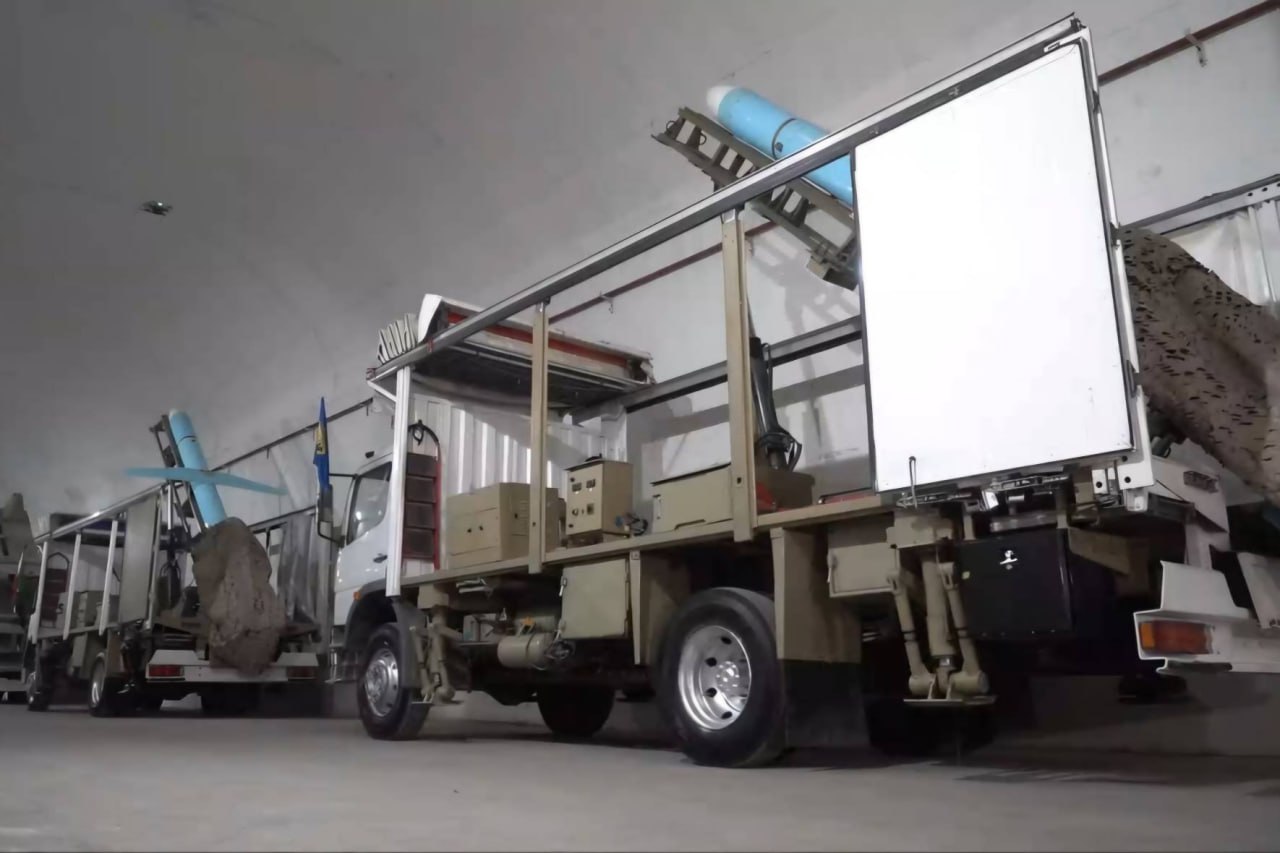
Rows of ballistic missiles or vehicle launchers are compactly stored along the walls of the tunnels. The latter, in particular, are stored together with ammunition so that, if necessary, the vehicle can drive to the surface and immediately launch a missile.

The depth of such facilities is not disclosed. According to various estimates, typical tunnels where missile weapons are stored can be located at a depth of 30–80 meters, which is sufficient to withstand conventional air strikes. The maximum estimate of 500 meters is based on a statement by the commander of the IRGC, but such figures are only possible if the tunnel is dug in a mountain range.

It is claimed that each such facility is autonomous and has an independent power supply system in case of strikes on substations. These are likely to be underground diesel generators that can power key systems such as lighting and ventilation in the event of a power outage in the civilian grid.

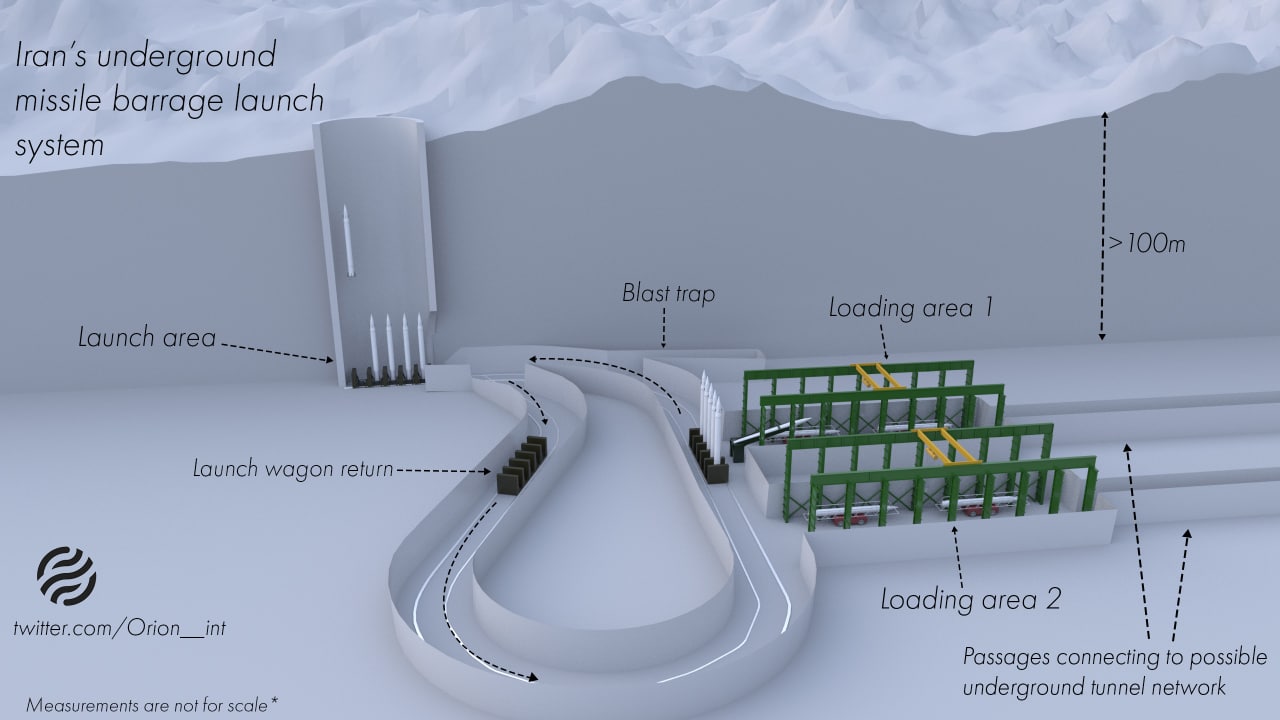
Some missile bases are adapted for underground missile launches. For this purpose, the complex is equipped with a rail mechanism for delivering ballistic missiles to the launch silo, the exit of which is camouflaged on the surface.

In particular, the video below shows the Iranian military loading the installation with Emad medium-range ballistic missiles (2000 km). This is noteworthy because the missile is liquid-fueled and is refueled immediately before launch. Therefore, the Iranians have the necessary infrastructure for refueling kerosene and toxic oxidizer in closed underground facilities.

In 2021, the Iranian military expanded its base in Hormozgan by building a battery of seven silo launchers. Based on satellite imagery, each launcher has a diameter of 16 meters and can fire several ballistic missiles at once — probably 4-5 at a time.

The silos do not have protective caps, but they do have some protection due to their location in a pass between two mountain peaks, which should make it significantly more difficult for enemy aircraft to hit them.

Researcher Orion Intel has visualized an approximate diagram of the tunnels with a rail delivery mechanism, launch shafts, and an underground ballistic missile preparation point.

Underground air bases

The new theocratic government inherited a substantial arsenal of weapons from the fallen monarchy — the former Shah had invested astronomical sums in modernizing the army, purchasing the most advanced weapons from the United States. With its oil revenues, Iran became one of the largest buyers of Western combat aircraft.

During the decade from 1968 to 1979, American defense giants supplied more than 500 fighter jets, including over 200 F-4 Phantoms of various modifications, up to 300 F-5 light fighters, and 79 F-14 Tomcats for heavy carrier-based aircraft.

It would seem that after the revolution and the imposition of international sanctions, the supply of technological weapons would have been cut off, but in January 1991, Saddam made an invaluable gift to his bitter enemy — he evacuated the remnants of his air force from under the blows of the international coalition directly to Iranian airfields.

This paradoxical political move led to a country in conflict with the Soviet Union receiving dozens of Soviet aircraft in a single day:

  • 4-7 MiG-29 fighter jets
  • about 20 Su-24M front-line bombers
  • about 40 Su-20/Su-22 fighter jets
  • 10-15 MiG-23 fighters
  • about 10 MiG-21 fighters
  • 24-25 French Mirage F1 fighter jets

Iran did not return a single aircraft, despite protests from Iraqi diplomats, officially declaring the captured equipment to be reparations for the war started by Iraq.

Su-24M as part of the Iranian Air Force alongside F-14 Tomcat fighter jets

In the following decades, Iran was cut off from foreign military support and forced to master the repair and maintenance of Western fighters on its own. Later relations with Russia and China helped somewhat in renewing the air fleet, but deliveries were irregular and did not significantly affect the Iranian Air Force’s overall potential.

The core of the air force remained American Phantoms and Tomcats, which were naturally phased out due to a lack of spare parts and the exhaustion of their service life. By the beginning of the 2000s, there were about six dozen F-4s and no more than two dozen heavy F-14s in service. And so, in the absence of alternatives, every combat-ready aircraft was “gold.”

Realizing the importance of the remnants of its once-powerful air fleet and the fact that it would lose in a direct air confrontation with modern combat aircraft, Iran prepared underground infrastructure to hide its aircraft. Ahead of the Israeli strikes in June 2025, it played its role: the Iranian command moved the most valuable aircraft to shelters — in two weeks of hostilities, only one operational F-5 was destroyed. So, what are these shelters?

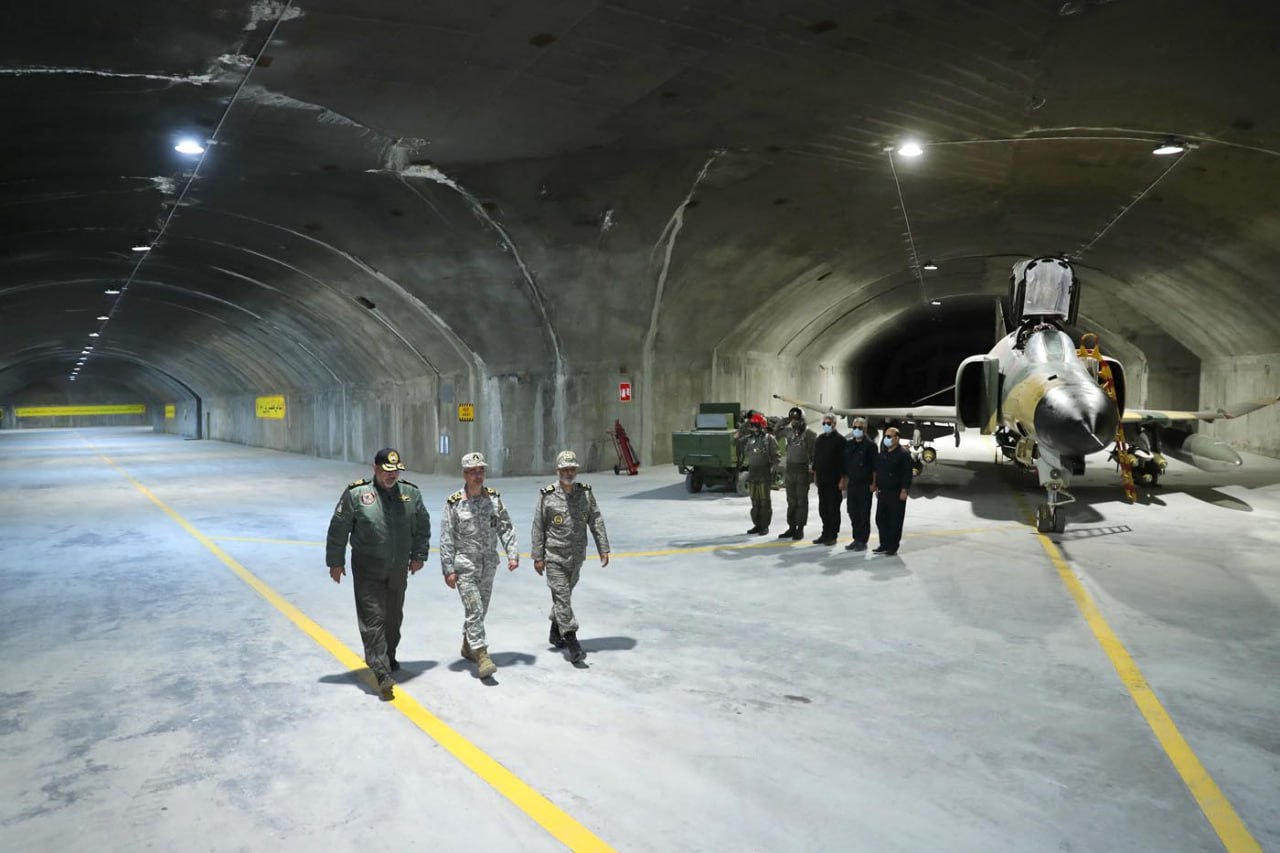
The most famous Iranian airbase is the Oghab 44 facility located in the mountains north of the Strait of Hormuz in the province of Hormozgan. Its construction began in the 2010s, and it was only publicly opened two years ago. It is designed to house manned aircraft, including fighters and bombers, and to service them to ensure full operational capability.

According to The New York Times, at the time of its opening, the airbase was still under active construction. Satellite images revealed a parking lot with full-scale models of F-4s and Su-35 fighters, which were being used to test the interior spaces for readiness to accommodate them.

The use of Russian fighter mock-ups is direct evidence of the Iranian Air Force’s preparations for deploying new aircraft. According to various estimates, Iran is to receive at least 24 aircraft in the coming years.

F-4 and Su-35 mock-ups at Oghab 44 Air Base, February 2023. Photo credits: Planet Labs

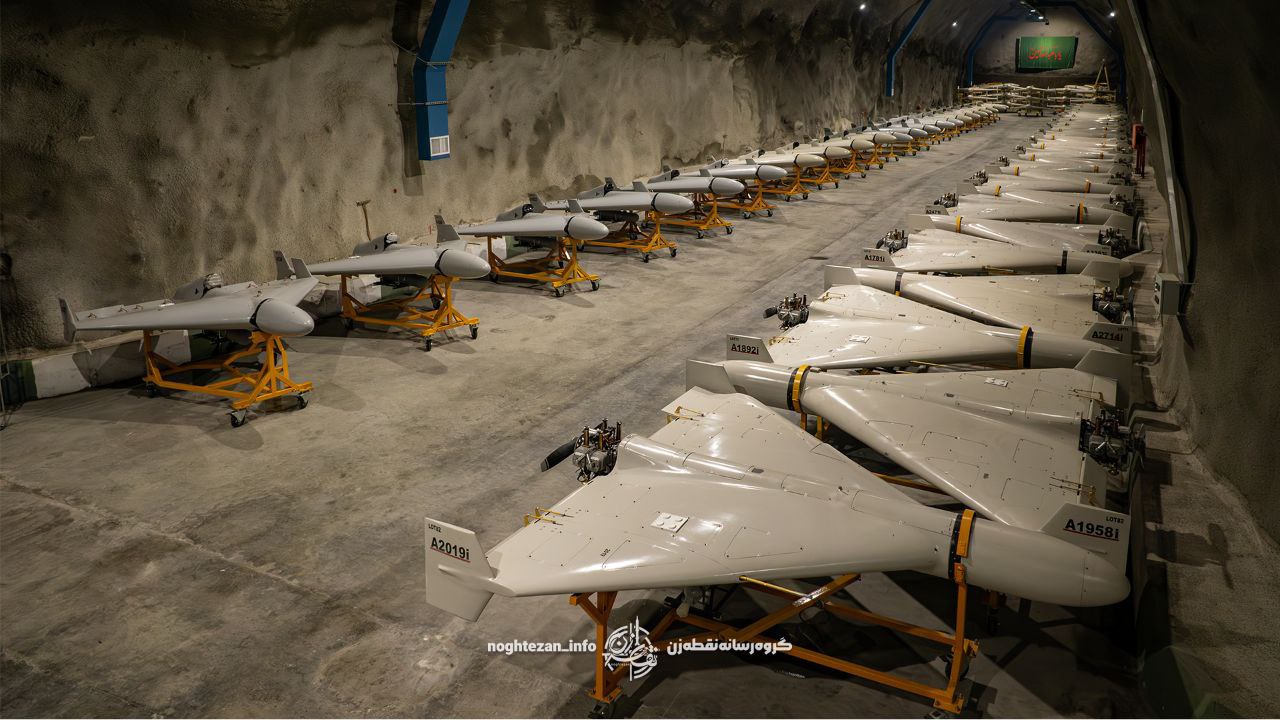
However, even before that, the Iranian army and the Corps were actively building smaller underground bases across the country to house numerous unmanned aerial vehicle units. Some of them are similar in structure to “missile towns” and lack runways, as they are designed to house mobile launchers for Arash and Shahed kamikaze drones.

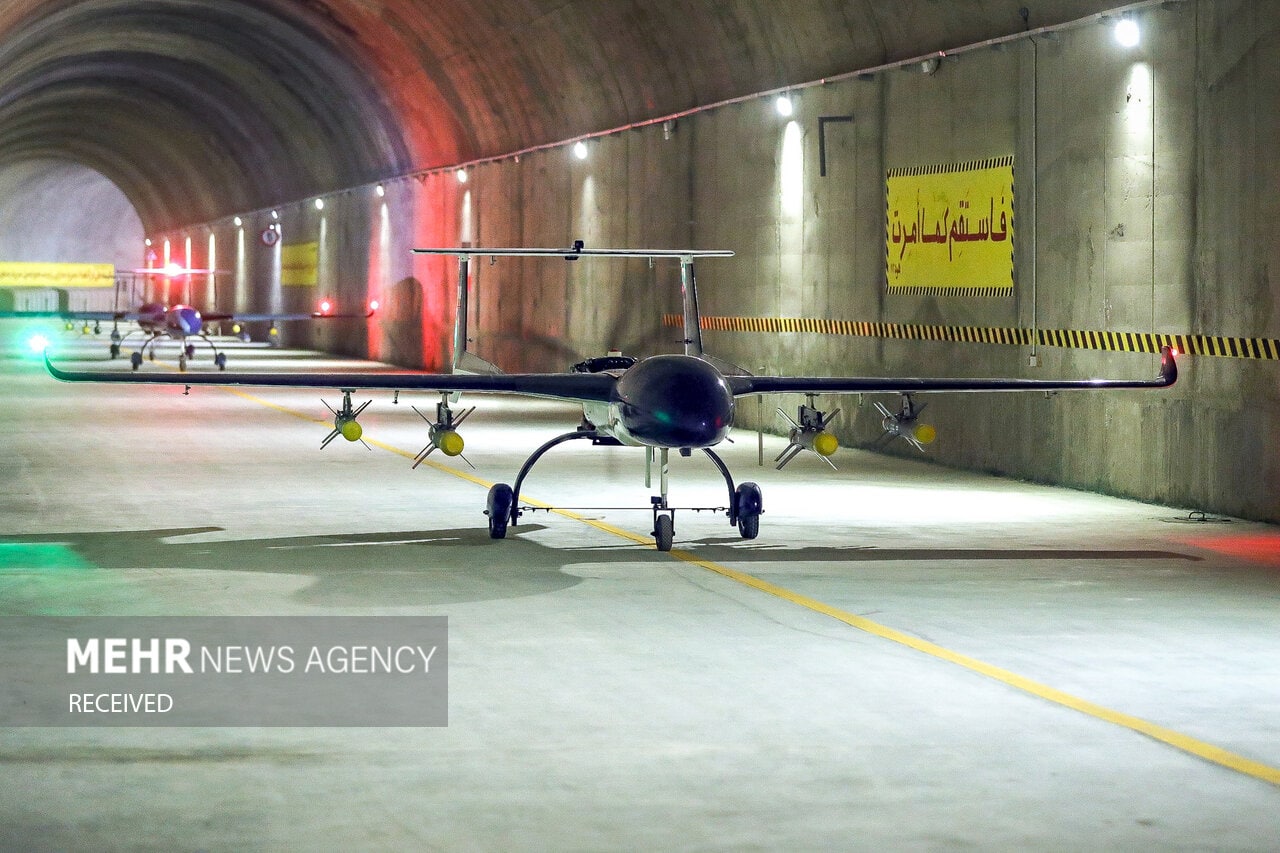
Quite large reconnaissance and strike drones are also housed underground, with the necessary infrastructure in place, including an airfield, protected service stations, and arsenals. They also serve as a base for launchers for cruise missiles and other long-range weapons.

Iranian Kaman-12 reconnaissance and strike drones at an IRGC Aerospace Force base, 2022. Photo credits: MEHR News agency Shahed-136 drones at the IRGC Aerospace Force's underground bases, June 2025. Photo credits: noghtezan_info

“Mosquito fleet” in burrows

Iran’s maritime military doctrine is a continuation of its strategy of asymmetric warfare against more powerful adversaries, primarily the US and its allies in the Persian Gulf. Since Iran cannot compete in a war of large ships, it is betting on a “mosquito fleet” — a group of small, maneuverable boats that can quickly attack, launch missiles, and retreat just as quickly. The tactic involves the mass use of small combat units to overload the enemy’s defenses and wear them down.

Hundreds of small missile and patrol boats have been placed in a separate fleet under the command of the Islamic Revolutionary Guard Corps. Iran keeps a small portion of the boats in active service, storing most of them in dry storage facilities at underground bases along the southern coast.

The balance of power and the close military partnership between the unfriendly countries of the Arabian Peninsula and the US determine Iran’s role as a threatening but not dominant force in the region. The Iranian military does not aim for head-on confrontation, choosing instead to put pressure on trade routes. In line with this strategy, small boats can be used for a wide range of tasks, including sabotage, targeted missile-boat raids, and the mining of waterways.

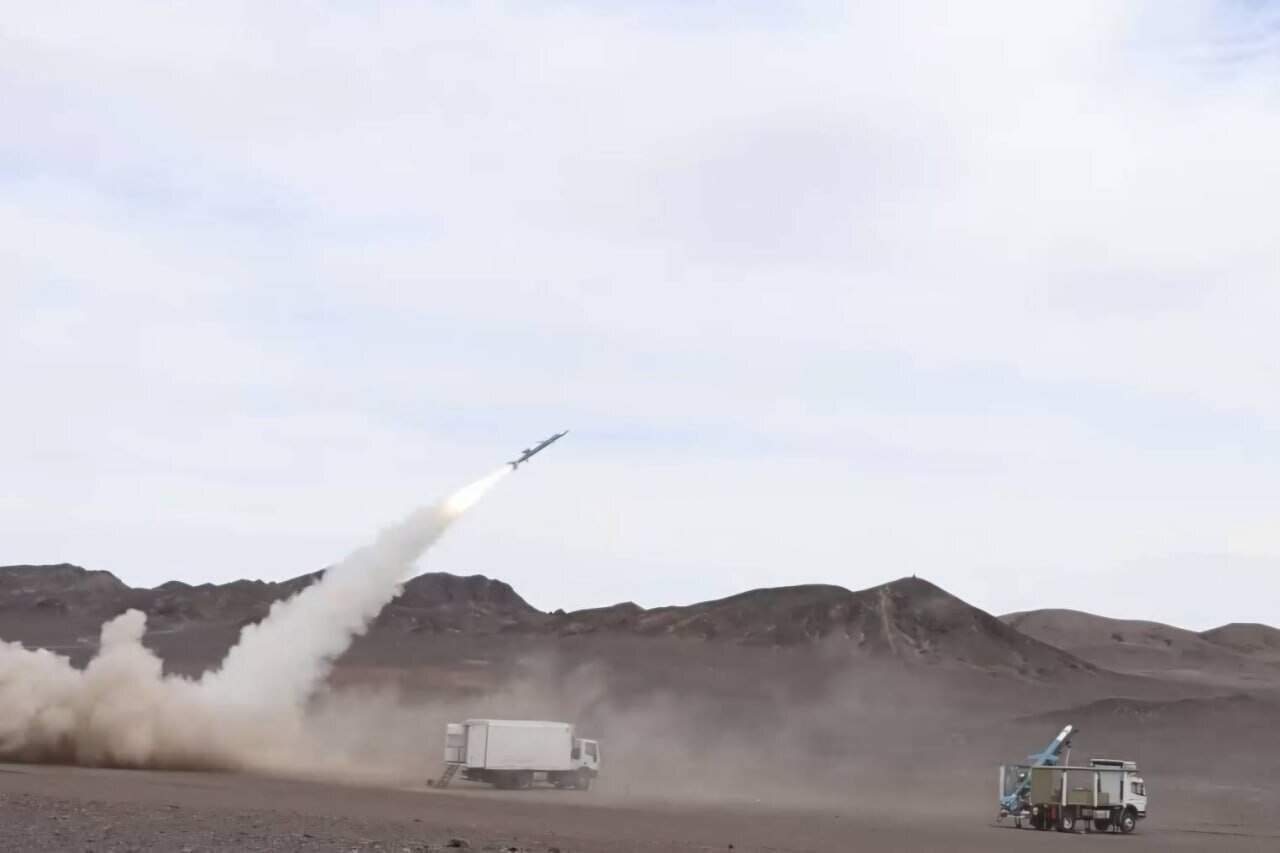
Coastal missile systems equipped with anti-ship cruise missiles of the Noor, Ghader, and Ghadir families play an important role in the defense of coastal waters, providing echeloned defense at ranges of up to 1,000 kilometers. Their locations are largely similar to the aforementioned “missile towns,” which are designed to be brought to the surface exclusively for combat launches.

In conclusion, it is worth noting a few additional details. First of all, the Iranian military sees enemy aircraft as the main threat to its bases, so a layered air defense system has been deployed around the facilities, elements of which have their own isolated underground shelters. In most cases, these are Raad or Khordad-15 medium-range anti-aircraft missile systems, along with electronic warfare systems.

At the same time, the Iranians are systematically building fake facilities that mimic real tunnel complexes, with identical ventilation shafts, concrete hangar portals, and “entrances” to shelters. Often, fake launchers or full-scale aviation equipment are placed nearby. The purpose of such facilities is to overwhelm enemy satellite reconnaissance and provoke the use of high-precision weapons on false targets. In this game, Iran is not counting on force, but on the enemy’s mistakes.

Iran’s doctrine of “asymmetric survival” is not just about concrete, mines, and missiles. It is a unique strategy that emerged in the context of a confrontation with a vastly superior enemy and has proven effective in deterring, preserving potential, and implementing asymmetric responses. And although it did not serve as an absolute shield, allowing for serious losses, this experience remains valuable for other countries in similar geopolitical circumstances.

SUPPORT MILITARNYI

PrivatBank ( Bank card )
5169 3351 0164 7408
Bank Account in UAH (IBAN)
UA043052990000026007015028783
ETH
0x6db6D0E7acCa3a5b5b09c461Ae480DF9A928d0a2
BTC
bc1qv58uev602j2twgxdtyv4z0mvly44ezq788kwsd
USDT
TMKUjnNbCN4Bv6Vvtyh7e3mnyz5QB9nu6V
Popular
Button Text