

Interceptor Drones Already Shooting Down Jet-Powered Drones, and This Is Just the Beginning of the Arms Race

Interceptor Drones Already Shooting Down Jet-Powered Drones, and This Is Just the Beginning of the Arms Race
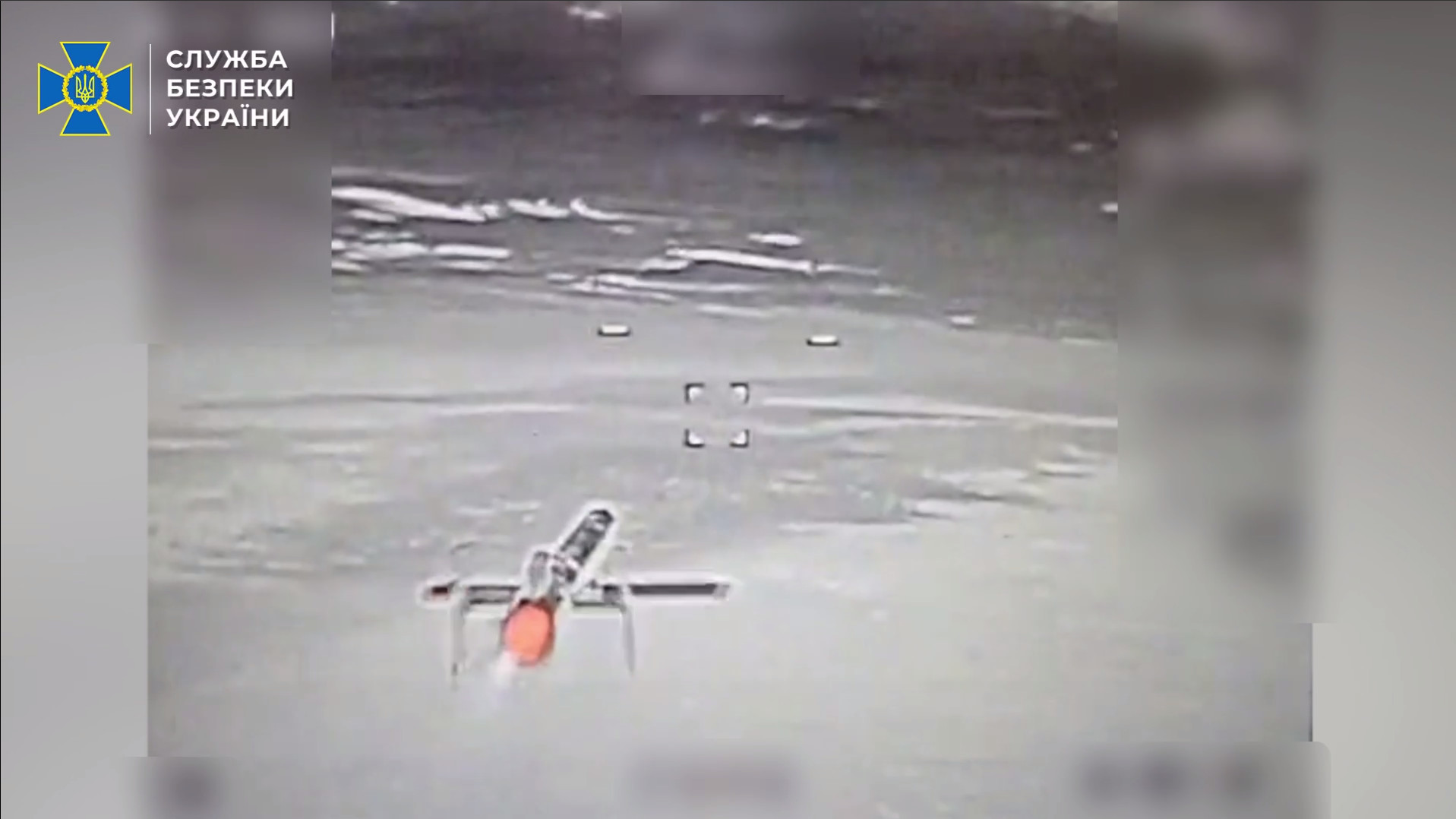
Реактивний ударний безпілотник Герань-3 в прицілі українського дрона-перехоплювача. Фото з відкритих джерел

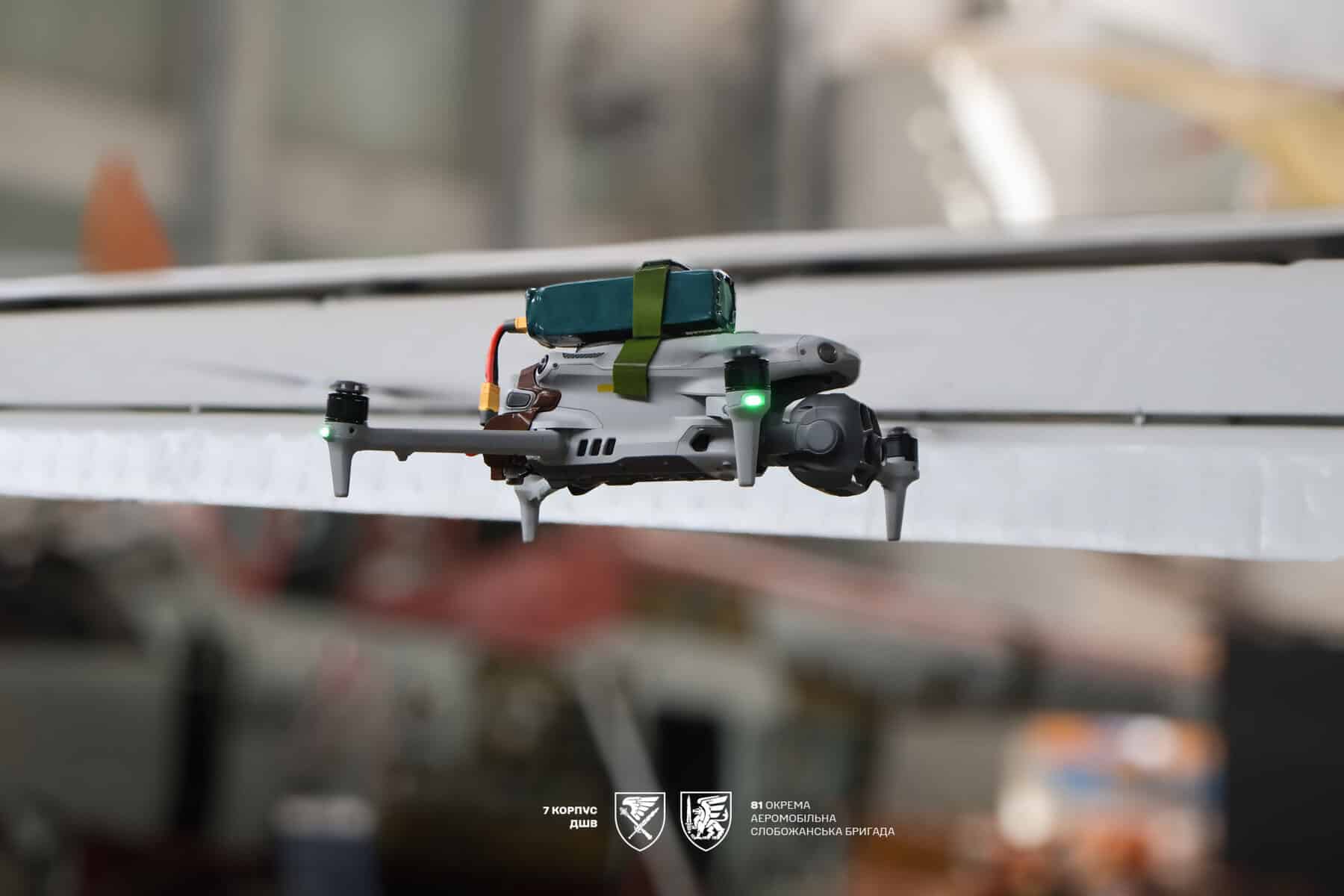
Currently, known interceptor drone models can reach speeds of up to 340 km/h. So far, this is sufficient to effectively counter enemy long-range drones, both propeller-driven and newer jet-powered models flying at cruising speeds.

The enemy’s use of jet-powered drones is a widely discussed topic, as it is sparking a new arms race in speed. Defense Minister Mykhailo Fedorov recently highlighted this threat:

“The key challenge is jet-powered kamikaze drones. The enemy is scaling up their use, speeds are increasing, and interception is becoming more difficult. Our task is to find a technological solution. Together with manufacturers, we analyzed products and their readiness, identified bottlenecks, and synchronized actions for rapid scaling.”

With the OSINT group Andrew Perpetua, we identified 22,054 interceptions of various wing-type drone models from open sources. They include 1,257 instances involving long-range Shahed-type drones, only 10 of which are jet-powered Shahed-238/Geran-3.

We present a compilation of all published intercepts. The last screenshot contains only pixels of the jet engine for security reasons.

Footage of the interception of Russian Shahed-238 / Geran-3 jet drones. Source: collage from open-source materials of the Ukrainian Defense Forces’ anti-aircraft units

Due to security restrictions, we cannot yet publish the full study; however, even with the figures cited above, two conclusions can already be drawn:

  1. In their current version, jet drones are successfully shot down by interceptor drones.
  2. The share of Shahed-238/Geran-3 in the total threat pool is quite small, at ~0.045%.

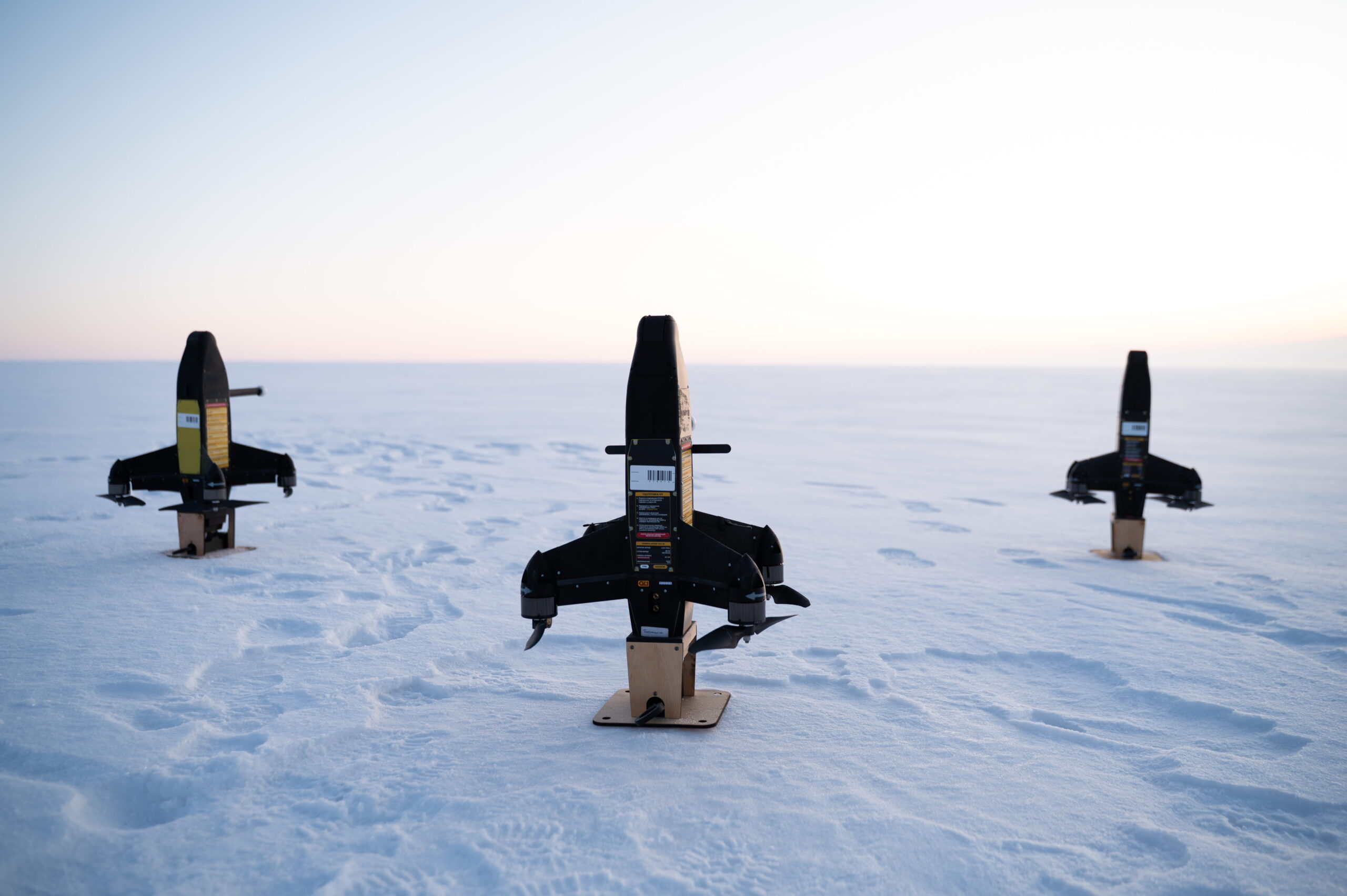
We can also confirm the capability of several systems to intercept high-speed jet drones. These include:

  • 7 posts featuring Sting drones from Wild Hornets
  • 1 post featuring a P1-SUN drone from SkyFall
  • 1 post, likely featuring a Chaklun drone
  • 1 post featuring a Merops drone from Project Eagle

However, the development of attack systems continues. There is a risk that the enemy will increase their speed and sharply increase the number of jet drones. It is also important to remember that areas traversed at maximum speeds (as in recorded flights at up to 500 km/h) are already problematic for interception by interceptor drones. That is precisely why the Ministry of Defense has tasked interceptor manufacturers with increasing the speed of interceptor drones.

Unfortunately, I lack the technical expertise to assess how future versions of strike drones will evolve and what their speed characteristics will be. However, we can refer to the words of Vyriy Industries CEO Oleksiy Babenko, who expressed the following opinion on UT-2:

“…if they [jet drones] fly at 800 km/h, then of course they will be able to escape [from existing interceptor drones]. But then they will already be a cruise missile.”

Thus, we have the lower and upper limits of the problem speeds: 340–800 km/h, since propeller-driven interceptor drones provide coverage up to the lower limit. Faster targets are gradually approaching the class of drone missiles and cruise missiles, and are becoming targets for interception by conventional anti-aircraft missile systems.

From this, we can formulate the key questions of this note:

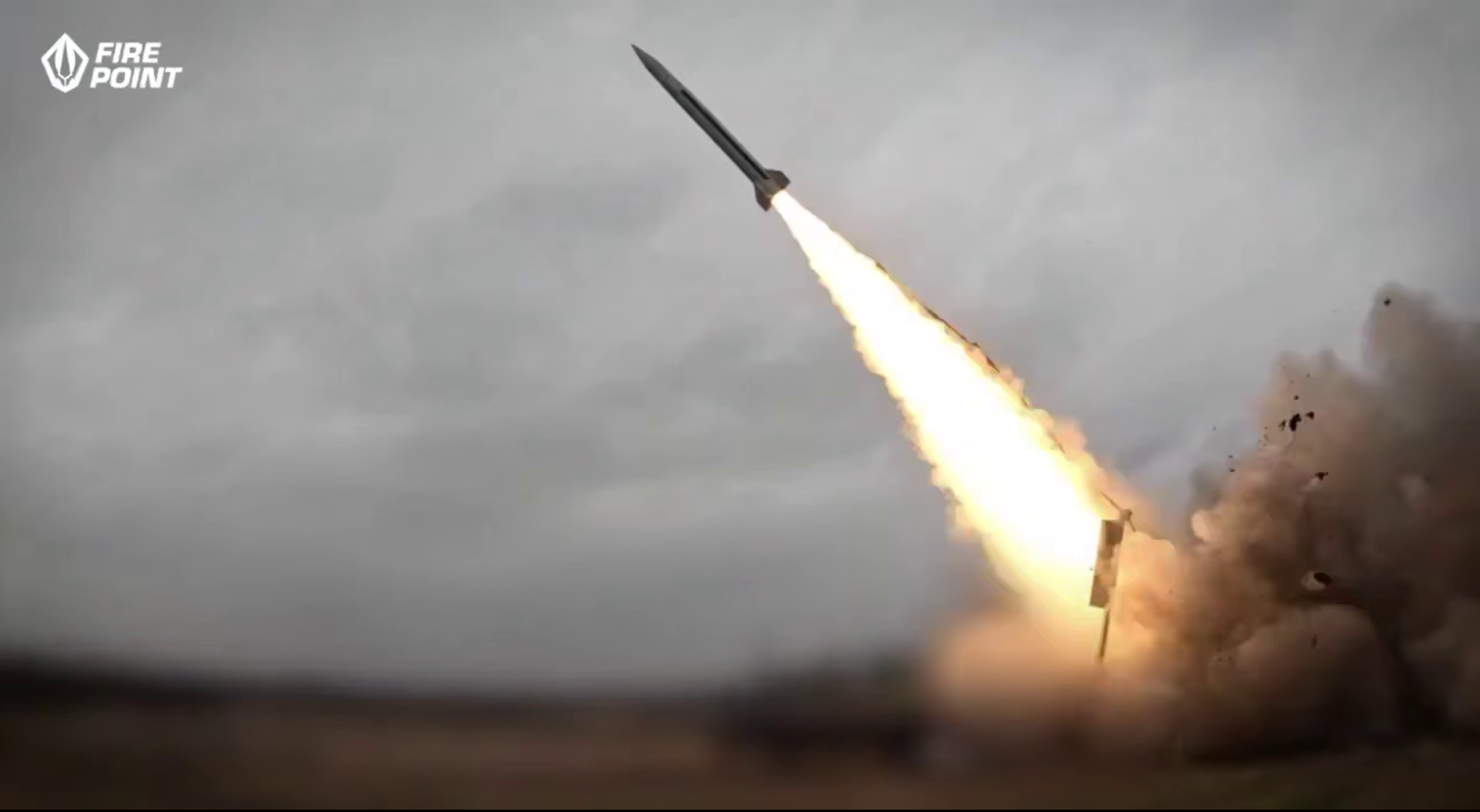
  • Can propeller-driven interceptor drones be improved to counter missile drones while maintaining mass production and low cost, without complicating the current deployment method?
  • What range of missile drone speeds can we cover with improved interceptor drones?

Based on statements by the Minister of Defense, these are related issues that interceptor drone manufacturers are actively addressing.

Conclusion

As of today, we are witnessing the simultaneous convergence of offensive and interceptor capabilities toward a qualitative transformation. The developers of the Shahed-238/Geran-3 are approaching a “reinvention” of the cruise missile, while the developers of interceptor drones—with a potential transition to jet propulsion—are approaching a qualitative transformation into a full-fledged missile system. In this race, factors such as mass production and affordability are critically important for both the former and the latter systems.

It is known that at present, Ukraine is successfully countering the enemy’s mass-produced jet-powered attack systems with a mass-produced, high-quality countermeasure. The future balance of capabilities depends on many factors. The key factor on our side is funding. Therefore, I urge you to become patrons for the following initiatives:

  • Dronefall” from the “Come Back Alive” Charitable Foundation
  • Shahedoriz” from the “Sternenko Community” Charitable Foundation
  • Yedynozbory” from the “Serhiy Prytula” Charitable Foundation

Share this post:

SUPPORT MILITARNYI

PrivatBank ( Bank card )
5169 3351 0164 7408
Bank Account in UAH (IBAN)
UA043052990000026007015028783
ETH
0x6db6D0E7acCa3a5b5b09c461Ae480DF9A928d0a2
BTC
bc1qv58uev602j2twgxdtyv4z0mvly44ezq788kwsd
USDT
TMKUjnNbCN4Bv6Vvtyh7e3mnyz5QB9nu6V