

The Lithuanian Weather Balloon Crisis: Lessons Learned

The Lithuanian Weather Balloon Crisis: Lessons Learned

Lukas Šimonis

Lukas Šimonis

January 22, 2026
08:19
A weather balloon that arrived in Lithuania from Belarus. Photo: State Border Guard Service of the Republic of Lithuania
News

The Lithuanian Weather Balloon Crisis: Lessons Learned

Lukas Šimonis

Lukas Šimonis

January 22, 2026
08:19
A weather balloon that arrived in Lithuania from Belarus. Photo: State Border Guard Service of the Republic of Lithuania

A weather balloon is a tool traditionally used by meteorologists to gather atmospheric data from high altitudes. Traditionally a tool used for peaceful purposes caused havoc in Lithuania over the last few months of 2025.

Lithuania is no stranger to smuggling attempts from Belarus, but over the last few years the technique has grown more sophisticated, and thus, more dangerous and difficult to intercept. Due to border closures caused by political tension and increased surveillance, smugglers are forced to look for alternatives, such as makeshift cargo drones, and more recently, weather balloons. As reported by the Lithuanian national broadcaster (LRT), in 2023, Lithuanian border guard found 3 balloons filled with contraband items (usually cigarettes), in 2024 – 226. However, in late 2025, the number reached unprecedented highs. By December 8th, the number of balloons flying in from Belarus reached 623.

More importantly, starting in September, balloons were flying over major Lithuanian airports, forcing the civilian aviation administration to temporary shutdown airports and delay flights. Lithuanian government was careful to accuse Belarussian government and instead labeled it as “smuggler balloons”. Nevertheless, as the number of balloons flying increased, the Lithuanian government have accused Belarus of hybrid warfare against Lithuania and shut down major border posts with Belarus. In response, Belarus denied the accusations and in response forcibly held Lithuanian cargo trucks in Belarus, causing further friction between the nations. As more than 350 flights were delayed, the Lithuanian government have declared state of emergency on December 12th.

As Lithuanian government raced to find a way to counter the weather balloons coming from Belarus, it is important to analyze the tactics Belarus used, and why was it so difficult to counter it.

Weather balloons, like drones, are relatively cheap and easily accessible tools. A single balloon can cost merely a few hundred euros. By launching a few dozen balloons a night, it is possible to disrupt the air traffic, shut down airports, cause panic, and thus create substantive financial and moral damage at a cost of just a few thousand euros. Like drones, they are very cost-effective. While balloons sent to Lithuania carried contraband items, like cigarettes and alcohol, it is possible to equip them with explosives or surveillance equipment, making them a formidable and cheap tool of war or terror. Even with sophisticated air surveillance technology, balloons are difficult to track due to their nonexistent heat signature, low level and brief GPS signature, and high altitude. And even shooting them down can cause potential harm to people and civilian infrastructure with falling cargo.

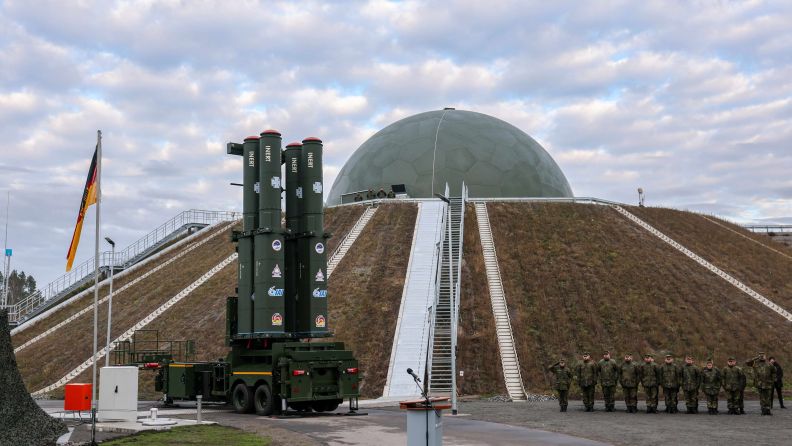
Low price of weather balloons also means that using highly expensive air defense measures, like surface to air missiles, is cost prohibitive. For example, a single AIM-120 AMRAAM surface to air missile used in Lithuanian NASAMS 3 air defense system can cost more than a million euros, meaning that using a million-euro worth missile to shoot down a few hundred-euro worth balloon is incredibly cost ineffective tactic. Not only cost ineffective, but by shooting down a several dozen balloons a night can rapidly deplete ammunition reserves that could be used to defend against an actual aerial attack. That makes Lithuanian military cautious about using expensive weaponry to take down cheap aerial threats.

While a lot of balloons were empty, part of them were filled with contraband items, thus the Lithuanian government were quick to label them as “smuggler balloons”. But as tensions rose, the Belarusian government was accused of sending them to Lithuania. However, it is very likely that it was a mixture of both. Belarusian government is long known for working with various organized criminal enterprises, the so-called thieves-in-law to achieve their goals. Belarusian authorities are known to work with organized crime groups in contraband, arms trafficking, cybercrime, sanctions evasion. It is likely that Belarusian government could have easily influenced crime groups both in country to work in their favor and send balloons to Lithuania and have plausible deniability.

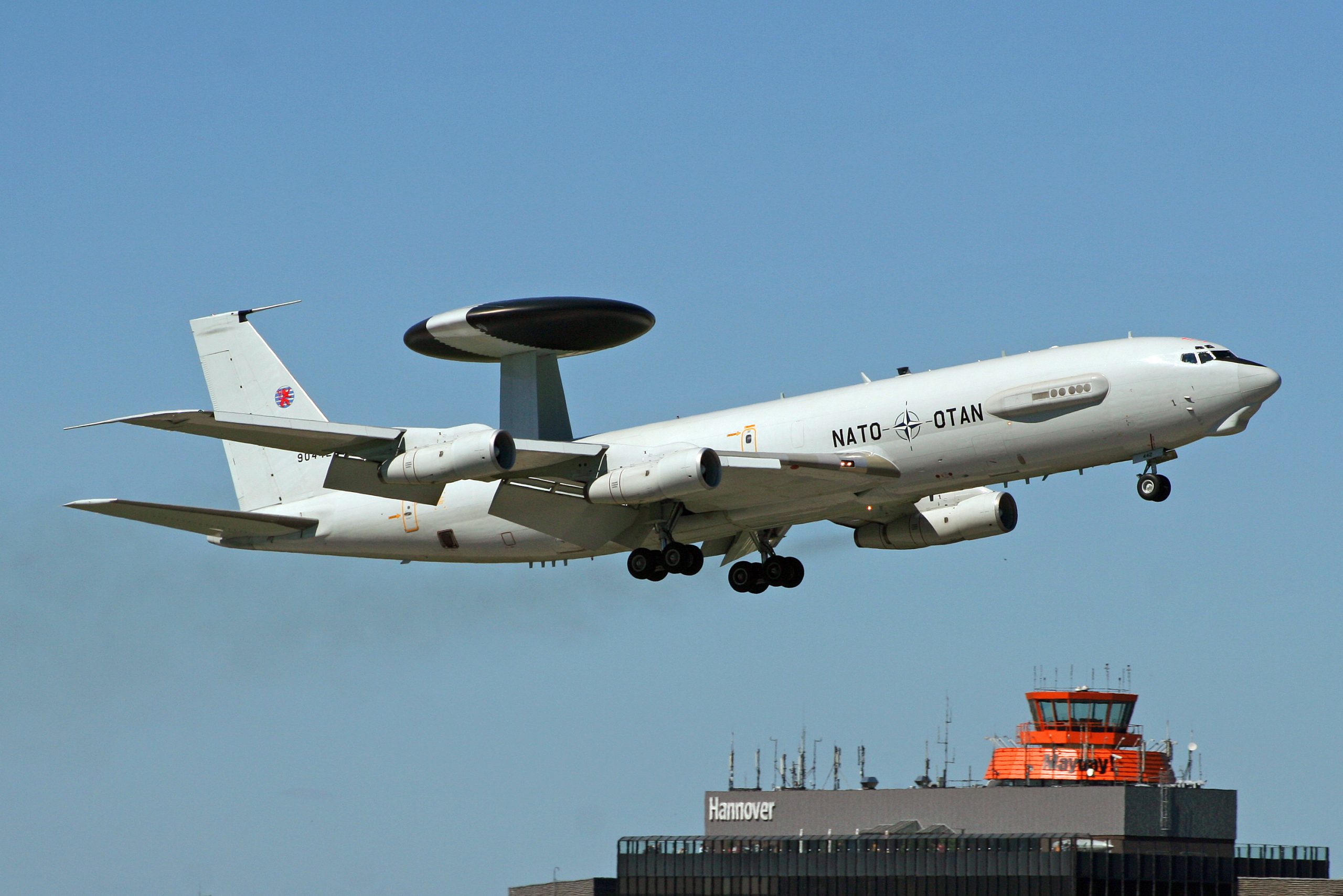
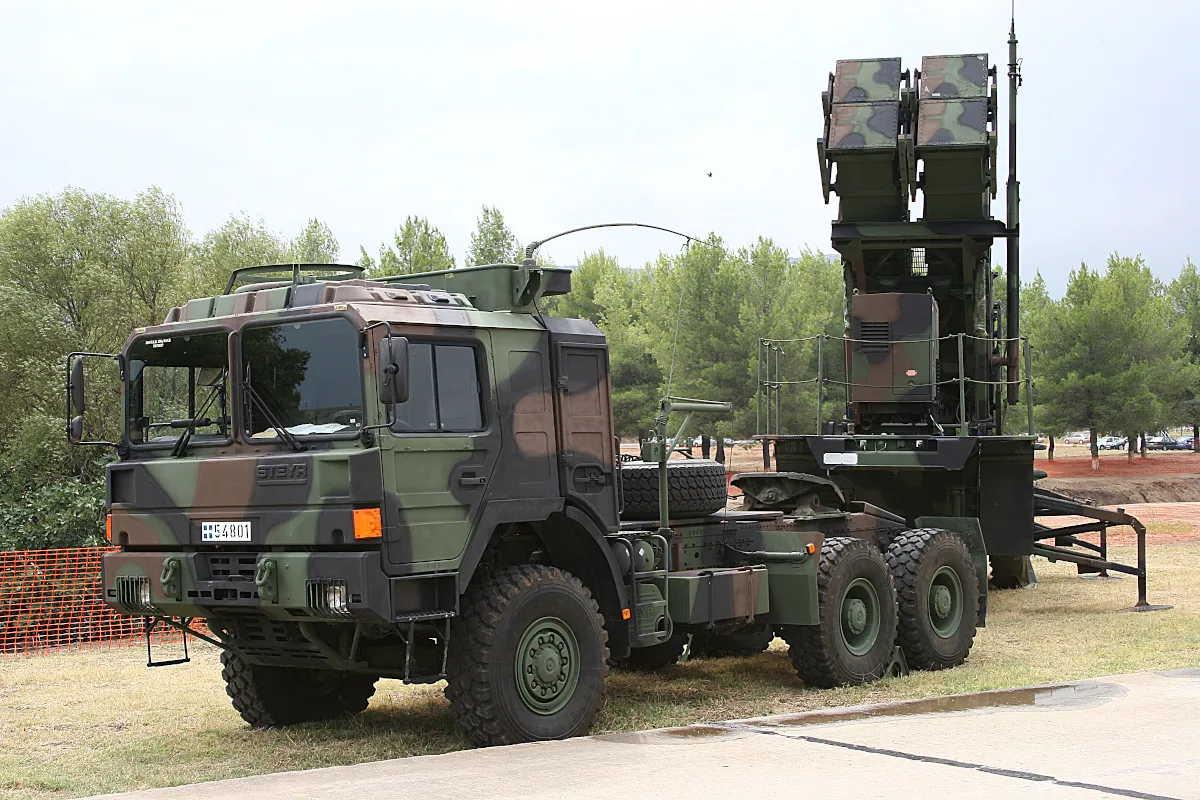
Lastly, Lithuanian government actions were limited to both bureaucracy and lack of technological possibilities. Peacetime air traffic control in Lithuania is a civilian aviation administration and responsibility; thus, military action is limited. Border control is responsibility of law enforcement agencies, such as Lithuanian State Border guard service. Lithuanian military, in peacetime, can only work as auxiliary, aiding civilian agencies and providing radar information. Which leads to another issue, lack of technological possibilities. While Lithuanian air defense capabilities have substantially improved over the last decade, it still lacks several important components, like long range air defenses, combat aircraft and must rely on NATO’s Baltic air policing mission. While existing equipment, like NASAMS 3 or RBS-70 surface to air missile systems, as mentioned before, are simply too costly to be used against cheap aerial threats. At the same time, civilian law enforcement agencies are not equipped to deal with threats of such scale and cannot effectively combat mass of high-altitude weather balloons.

While at the time of writing this article the situation at the border is more peaceful, the overall situation in Europe does not allow NATO countries to relax and let their guard down. Besides Lithuania, several other European countries, like Belgium or Germany are facing similar incidents with drones flying over airports or military bases. The Belarusian balloons were a test that revealed several glaring issues with European defense, and we must learn from it.

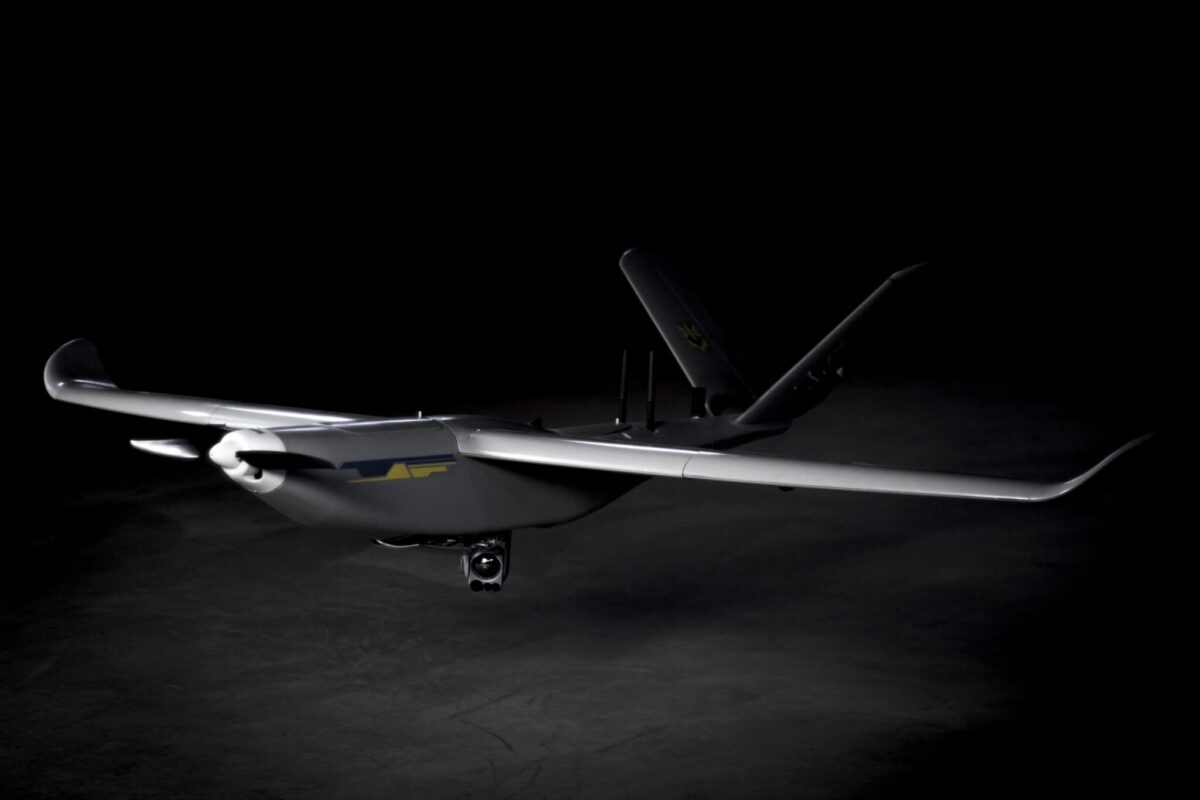
Firstly, cheap aerial threats require cost effective solutions. The war in Ukraine has showed that expensive, conventional systems can quickly be overwhelmed and spent on cheap systems, like drones (or in Lithuanian case, balloons). It necessitates cheap, Ukrainian style defenses like drone interceptors or anti-aircraft weapons (like German Skyranger or Skynex) that could quickly dispatch aerial threats at the fraction of the cost. Lithuanian military did acknowledge that, and, in cooperation with private companies, are developing cheaper countermeasures. Law enforcement agencies must also be equipped with additional counter unmanned aerial systems (C-UAS) weapons to deal with this threat, as they are the primary first responders.

Secondly, civilian institutions, law enforcement agencies, and the military must closely cooperate to deal with future threats. In the beginning of the crisis, the military could not effectively assist civilian institutions due to peacetime legal limitations, and while the declaration of the state of emergency can mitigate this, it is only a stopgap solution. New legislation is necessary to ensure that the military can legally help in peacetime, so the national defense would not be hindered by bureaucracy.

Thirdly, Lithuanian government must address organized crime part of the balloon crisis. Organized smuggler groups undoubtedly played their part in the crisis and had directly or indirectly helped the Belarusian government. Stronger measures must be enabled to help law enforcement agencies combat this threat. However, it appears that the Lithuanian government has already partly addressed this issue, as Lithuanian police and State Border guard service had conducted a series of raids and arrests in the weeks following the balloon crisis. Similarly, there are already some proposals in the national parliament for harsher punishments for people engaged in smuggling, especially when it directly threatens public safety.

In conclusion, the Lithuanian weather balloon crisis was a part of hybrid warfare conducted on NATO eastern border. It largely caught Lithuania off guard and forced it to overthink its national defense policies. The balloon crisis has shown that European countries must take a different, more cost-effective approach at air defense, similarly to what is used in Ukraine, invest more in air defense, and more importantly, address legislative and bureaucratic issues that hinders national security. In the ever-changing security environment, being aware of “unconditional” threats and having the means to deal with it is of most utmost importance.

SUPPORT MILITARNYI

PrivatBank ( Bank card )
5169 3351 0164 7408
Bank Account in UAH (IBAN)
UA043052990000026007015028783
ETH
0x6db6D0E7acCa3a5b5b09c461Ae480DF9A928d0a2
BTC
bc1qv58uev602j2twgxdtyv4z0mvly44ezq788kwsd
USDT
TMKUjnNbCN4Bv6Vvtyh7e3mnyz5QB9nu6V
Articles
Popular
Button Text