



Popular
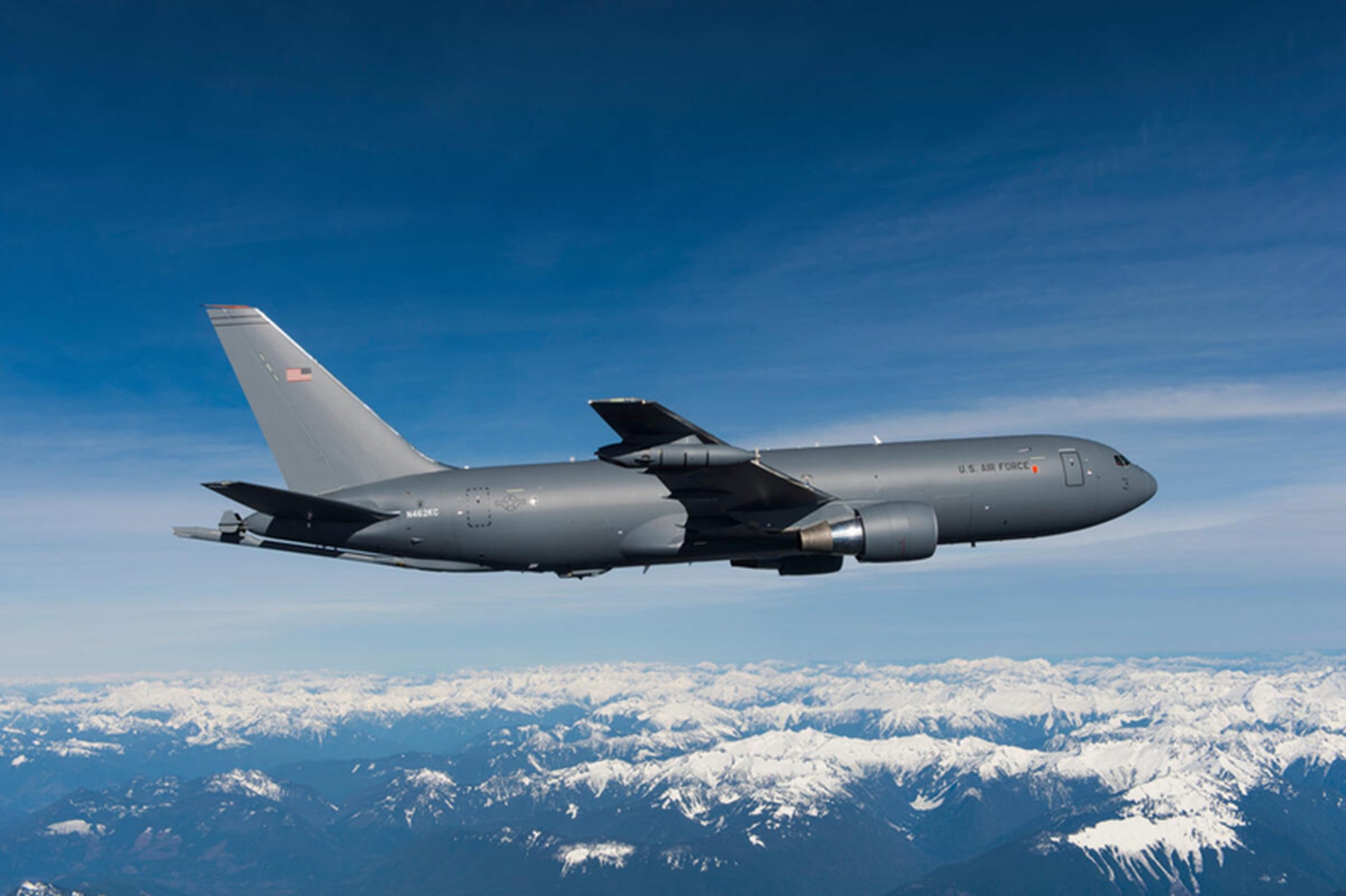
The U.S. Air Force has identified a requirement for a miniature interceptor missile to defend tanker aircraft against incoming enemy missiles.
Aviation Week reported the development, citing Kevin Stamey, Program Executive Officer and Director for the Mobility and Training Aircraft Directorate at the Air Force Life Cycle Management Center.
According to Stamey, aircraft in the U.S. Air Force tanker fleet require a new type of air-to-air interceptor capable of destroying incoming missiles.
By integrating such an interceptor into transport aircraft, the Air Force aims to reduce reliance on electronic countermeasures, which must be continually upgraded to keep pace with evolving adversary capabilities.

“Whether it’s an infrared seeker or a radar seeker, if we have a way to destroy it kinetically, we don’t have to rely on electronic attack or decoys that may be effective against some threats but not others,” Stamey said.
Kinetic interceptors would serve as a last line of defense, particularly against missiles equipped with dual-mode seekers.
“If all else fails and a threat penetrates other layers of defense, we would still have a means to protect the tanker aircraft,” he added.
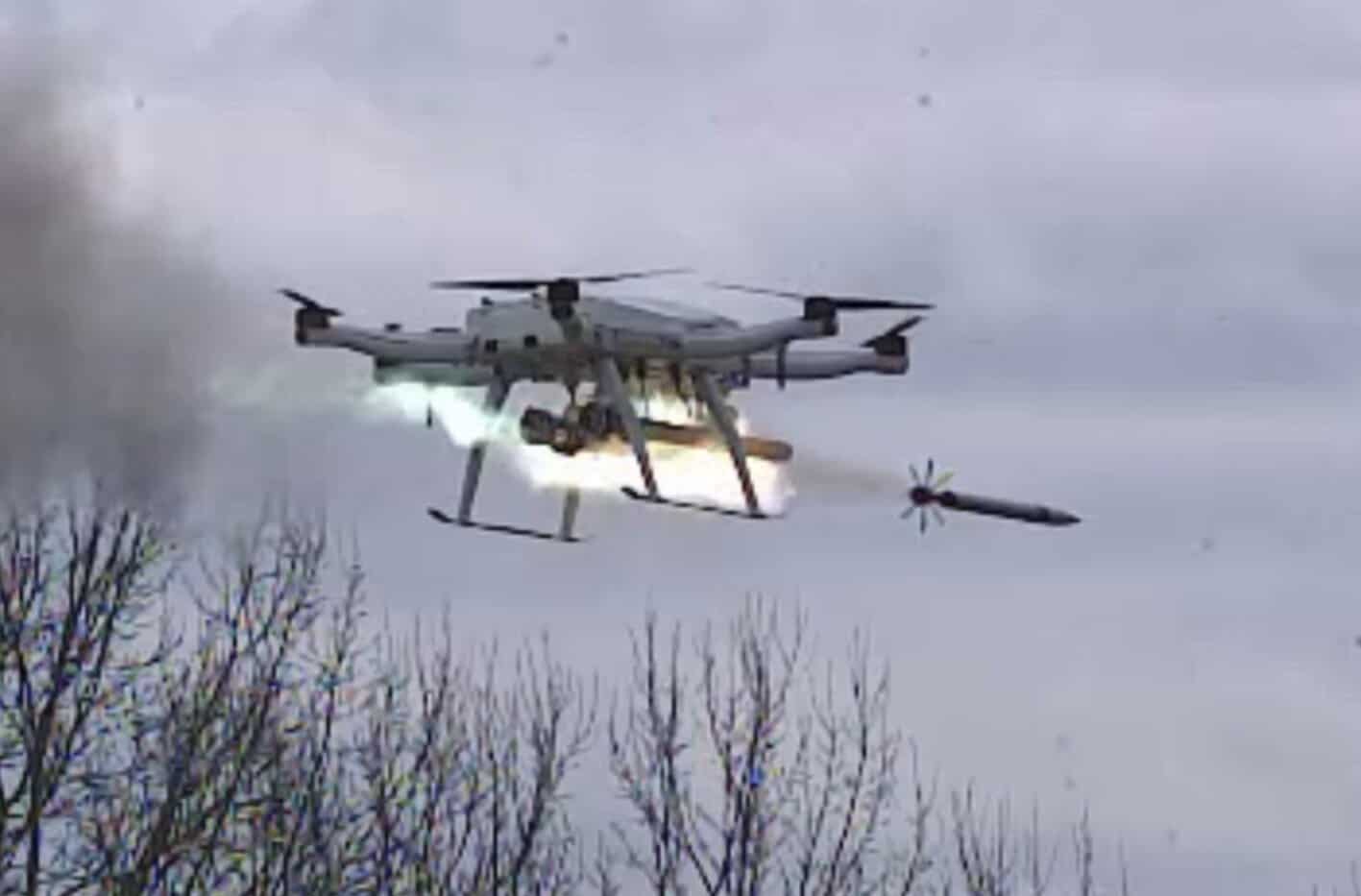
Efforts to develop a mini-missile for aircraft self-defense are not new, but previous programs have not resulted in an operational system.
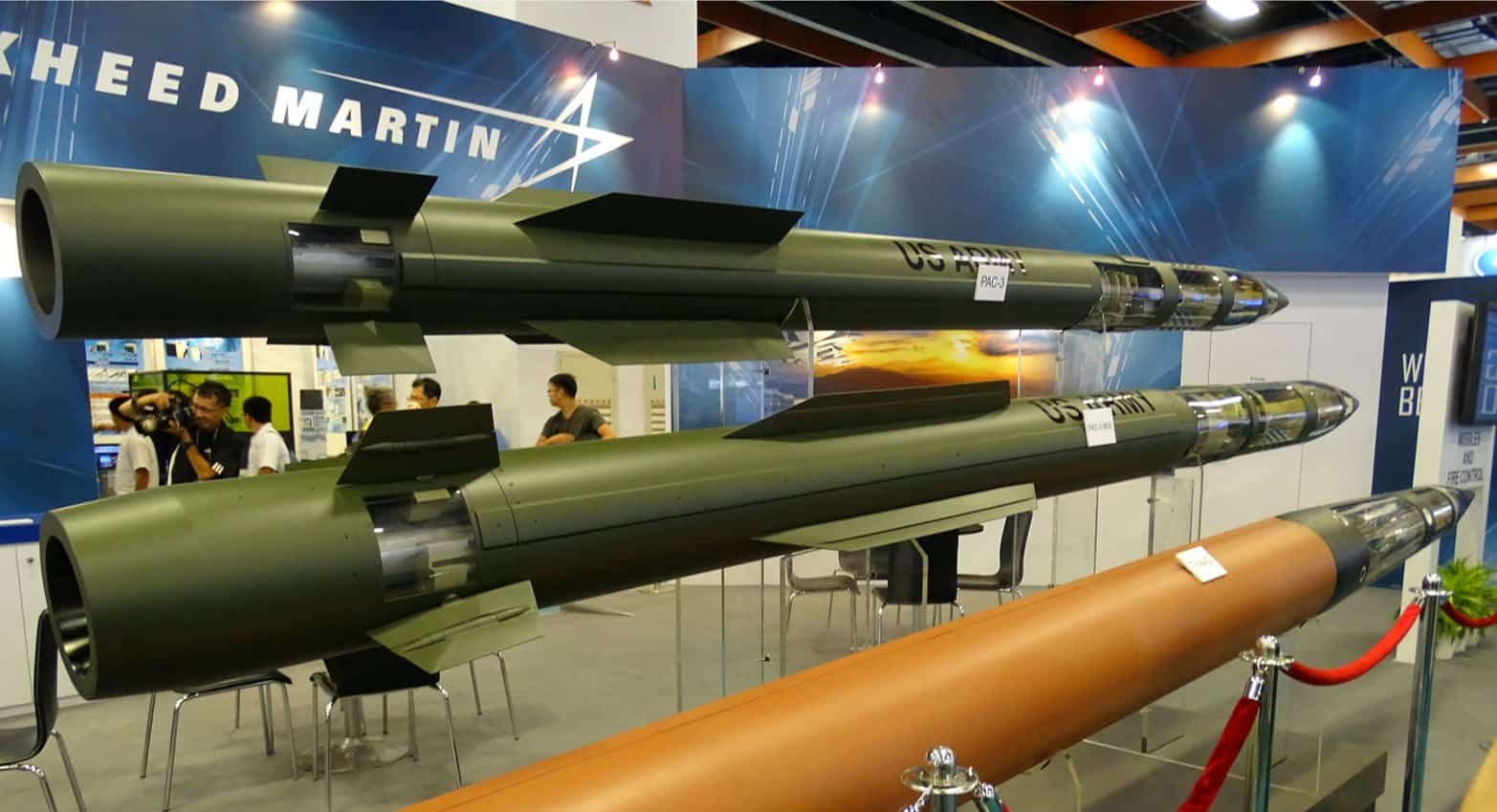
For example, in 2015, the Air Force Research Laboratory (AFRL) disclosed work on the Miniature Self-Defense Munition (MSDM). At the time, AFRL said it was seeking a “highly maneuverable, highly responsive” miniature missile with a low-cost passive seeker and an overall length of about one meter.
AFRL initially contracted Raytheon and Lockheed Martin for the MSDM program. In 2020, Raytheon received an additional contract for what was described as a “miniature self-defense missile,” covering research and development of a flight-ready design. The effort appeared to continue the earlier MSDM work under a slightly revised name. However, Raytheon has not publicly presented a working prototype of such an interceptor.
In 2018, the United States Navy also issued a request for information on missile options to protect transport aircraft, tankers, and other support aircraft. The concept was also considered for use on advanced unmanned aerial systems.

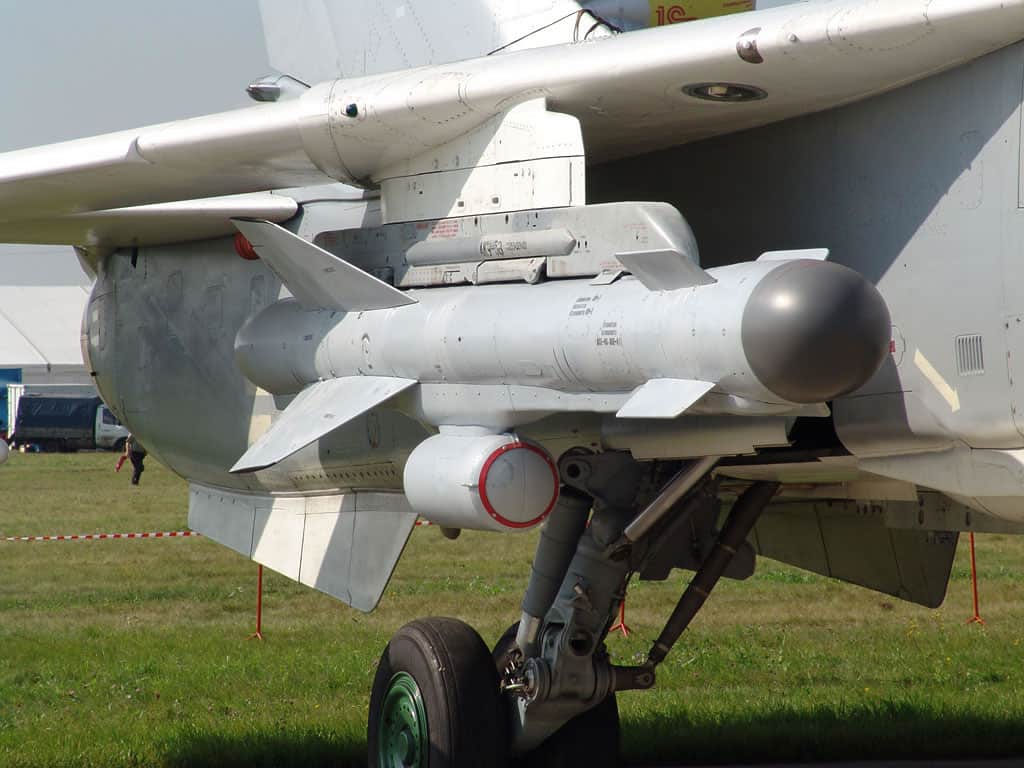
In late January 2026, China released detailed imagery of the PL-17 ultra-long-range air-to-air missile, designed to target high-value aircraft. Its maximum range is estimated at about 400 kilometers.
Such weapons are primarily intended to engage large, high-value airborne assets, including tanker aircraft and airborne early warning and control platforms.
Підтримати нас можна через:
Приват: 5169 3351 0164 7408 PayPal - [email protected] Стати нашим патроном за лінком ⬇
Subscribe to our newsletter
or on ours Telegram
Thank you!!
You are subscribed to our newsletter