



Popular

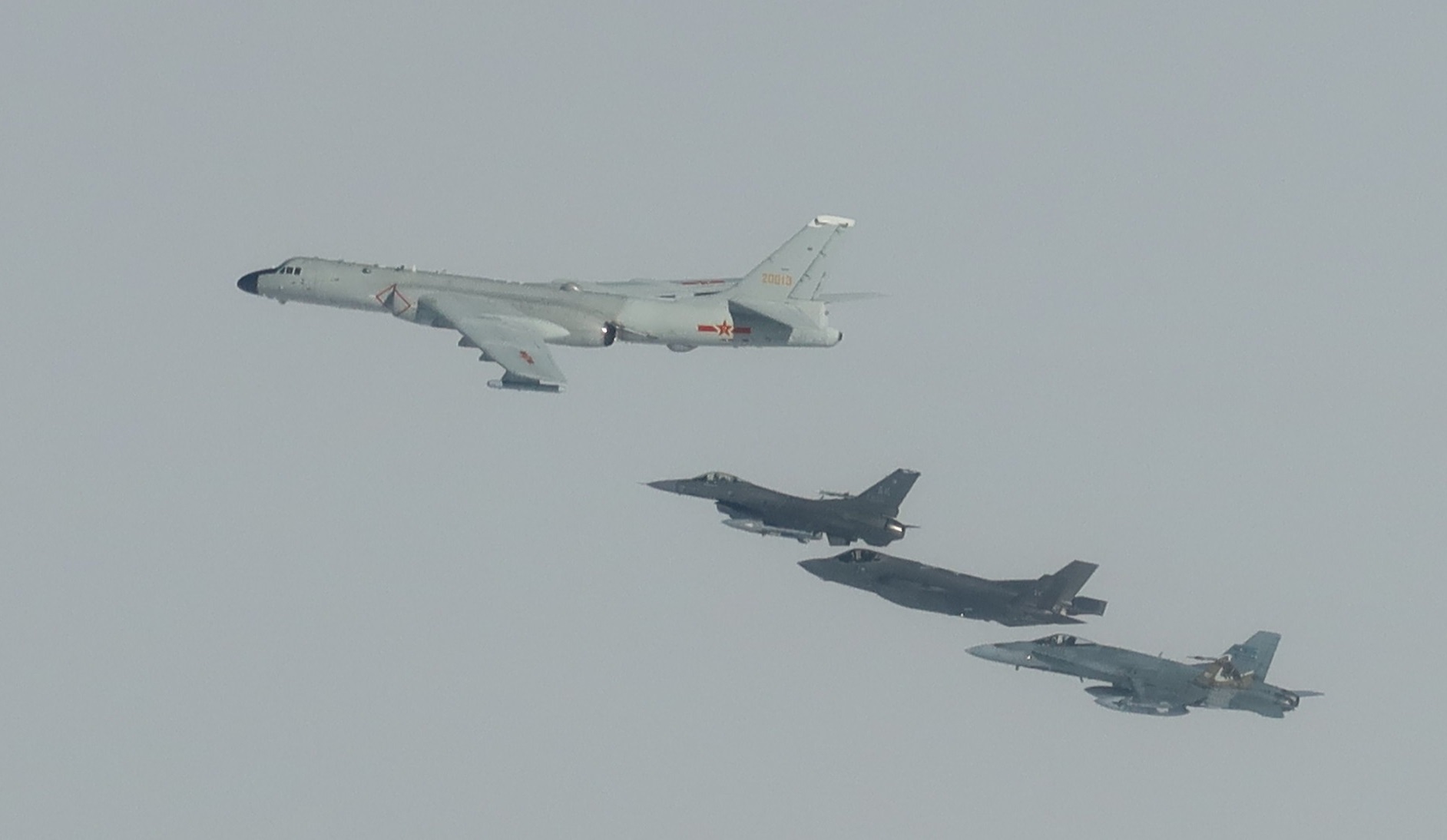
On the night of February 19–20 (local time), U.S. fighter jets were scrambled to intercept Russian military aircraft detected flying near the coast of Alaska.
The incident was reported by the North American Aerospace Defense Command (NORAD).
The Russian aircraft included two Tu-95 strategic bombers, two Su-35 fighter jets, and one A-50 airborne early warning and reconnaissance aircraft.
NORAD said it deployed two F-16 fighter jets, two F-35 fighter jets, and four KC-135 aerial refueling tanker aircraft to escort the Russian aircraft.
According to the command, the Russian planes did not enter U.S. or Canadian airspace. Russia’s activity in the Alaska Air Defense Identification Zone was described as “a routine occurrence that was not considered a threat.”
The Alaska ADIZ is a section of international airspace that begins beyond the sovereign airspace of the United States and Canada.
According to NORAD, it is “a designated area of international airspace that requires the ready identification of all aircraft in the interest of national security.”
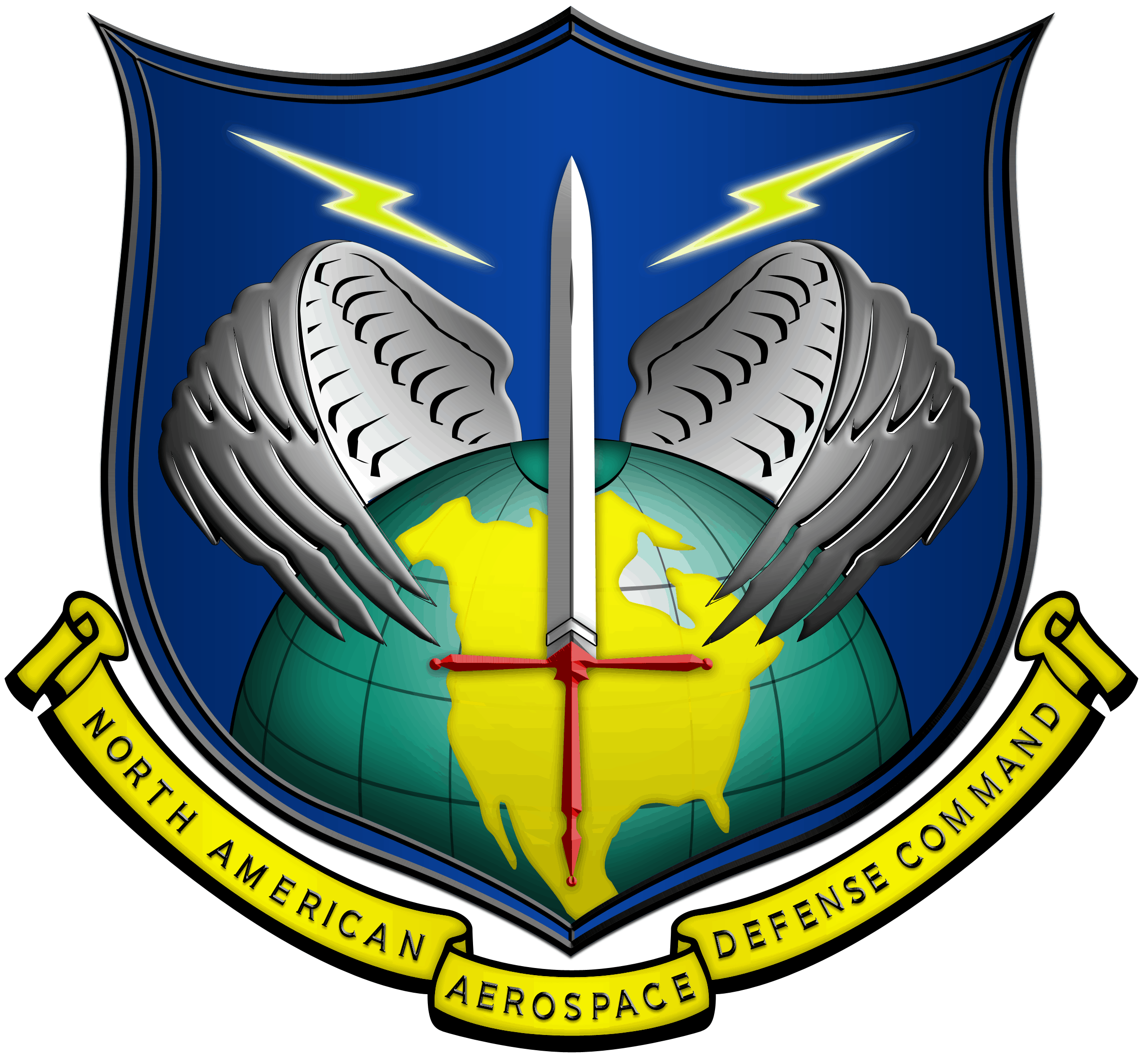
North American Aerospace Defense Command (NORAD)
Air defense of the North American continent is carried out by the joint U.S.–Canadian command, the North American Aerospace Defense Command (NORAD).
It was established in 1957 as a result of bilateral agreements signed by the governments of the United States and Canada.
Read more about North America’s air defense system in the article: U.S. Air Defense.
The joint command includes the U.S. Air Force Air Defense Command, the Canadian Air Command, the Naval Forces CONAD/NORAD, and the Army Air Defense Command.
The command’s headquarters is based at Peterson Air Force Base, while its permanent command center is located in a fortified bunker built inside Cheyenne Mountain.
Підтримати нас можна через:
Приват: 5169 3351 0164 7408 PayPal - [email protected] Стати нашим патроном за лінком ⬇
Subscribe to our newsletter
or on ours Telegram
Thank you!!
You are subscribed to our newsletter