



Popular
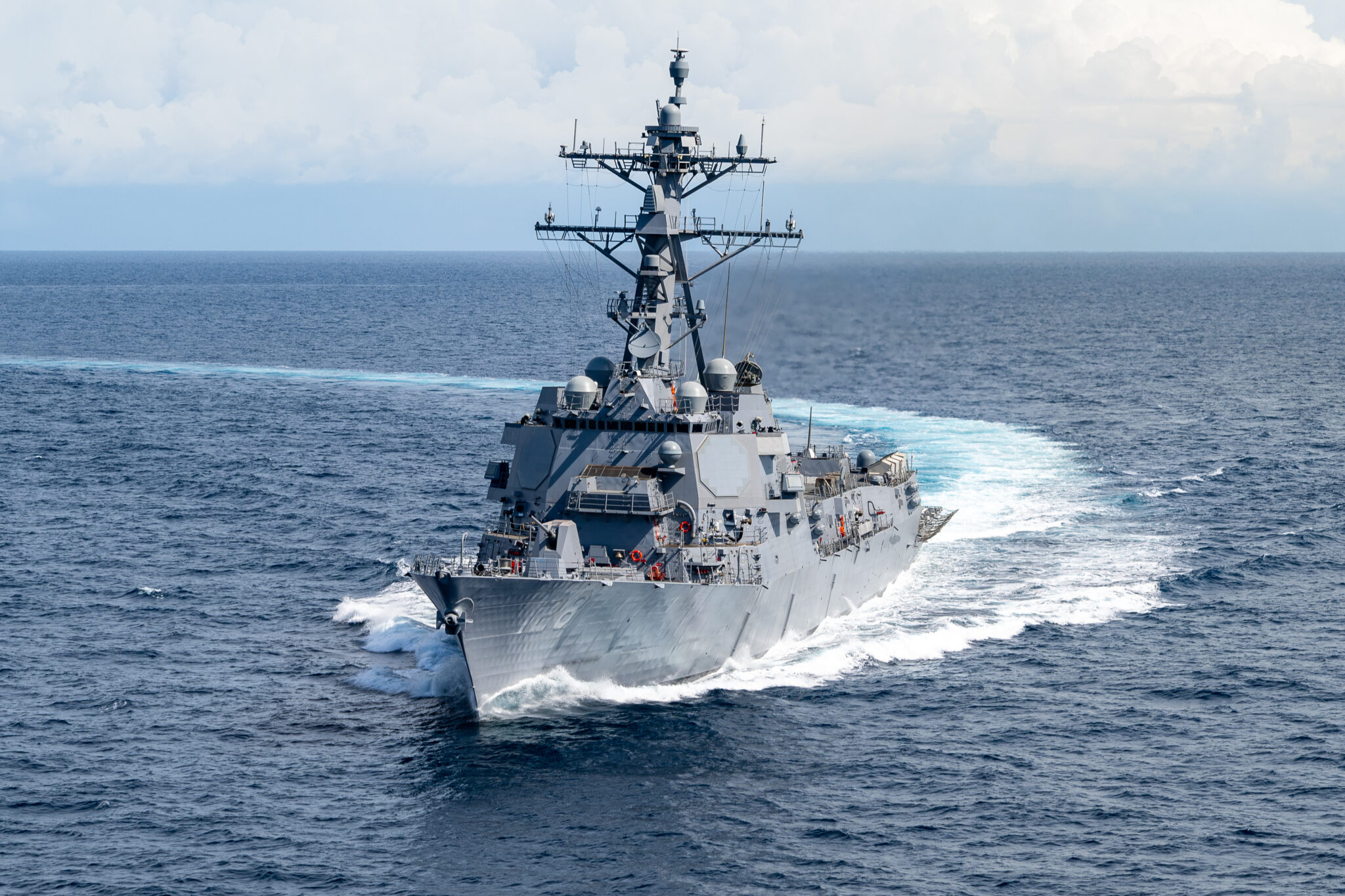
US Central Command forces have begun preparations for mine clearance in the Strait of Hormuz.
US Central Command (CENTCOM) reported this on X.
Two Arleigh Burke-class guided-missile destroyers — USS Frank E. Peterson (DDG 121) and USS Michael Murphy (DDG 112) — transited the Strait of Hormuz as part of preparations for mine clearance.
Today, we began the process of establishing a new passage, and we will share this safe pathway with the maritime industry soon to encourage the free flow of commerce,” Admiral Brad Cooper, commander of CENTCOM, stated.
The US military said additional assets, including underwater drones, will take part in the operation in the coming days.
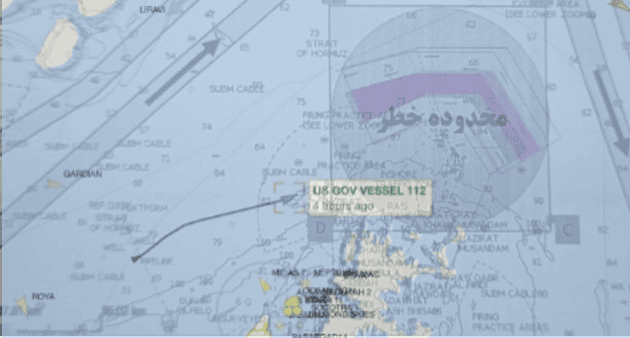
US President Donald Trump said the United States has begun “clearing” the Strait of Hormuz as a “service” to countries around the world.
“We’re now starting the process of clearing out the Strait of Hormuz as a favor to Countries all over the World, including China, Japan, South Korea, France, Germany, and many others. Incredibly, they don’t have the Courage or Will to do this work themselves,” he wrote on Truth Social.
As of April 2026, the US Navy has four Avenger-class mine countermeasures ships in service and three littoral combat ships equipped with mine countermeasures modules.
The Avenger-class ships — USS Patriot (MCM 7), USS Pioneer (MCM 9), USS Warrior (MCM 10), USS Chief (MCM 14) — are based in Sasebo, Japan. They are scheduled for decommissioning in 2027.
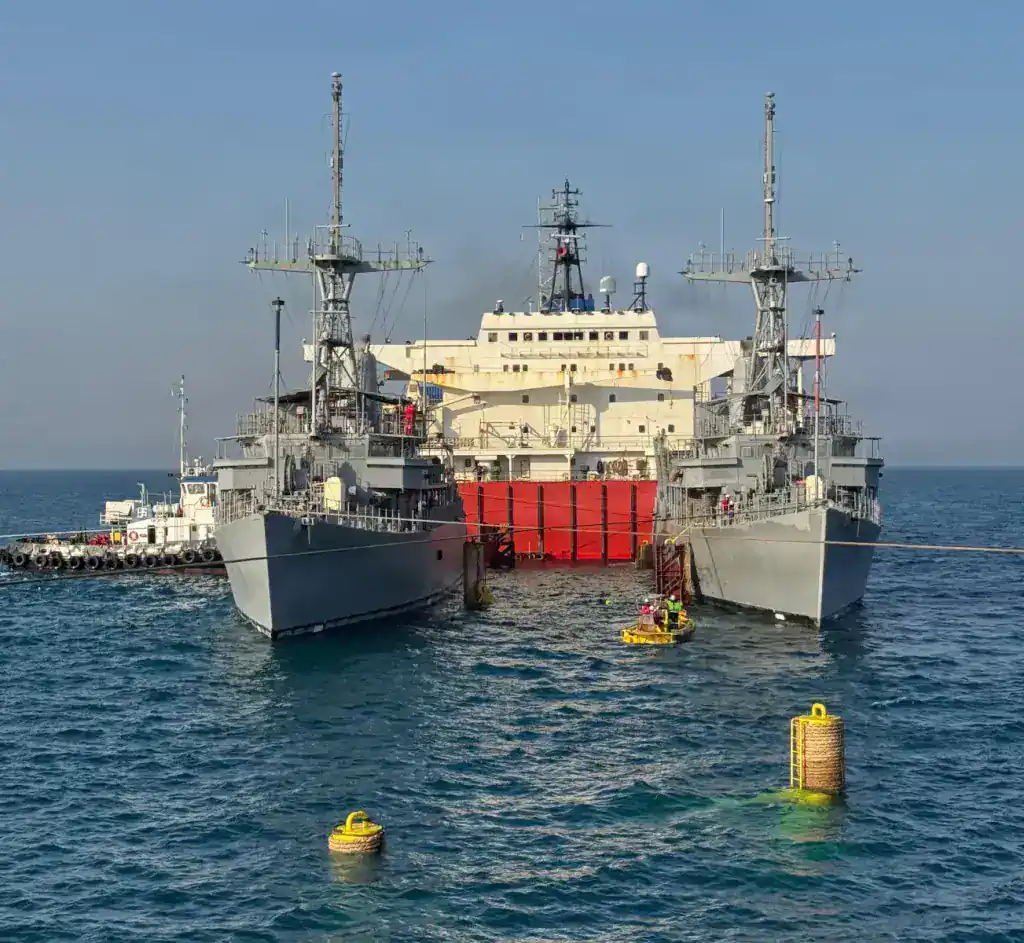
The Avenger-class ships are 68 m long and have a displacement of 1,312 tons. Their hulls are made of wood coated with fiberglass to reduce vulnerability to magnetic mines. They are equipped with mine-hunting sonar, towed sweep systems, and remotely operated underwater vehicles for mine disposal.
Shortly before the escalation with Iran, four decommissioned Avenger-class ships left Bahrain aboard the transport vessel M/V Seaway Hawk for disposal.
The Avenger-class ships are to be replaced by littoral combat ships with mine countermeasures modules. Three Independence-class ships — USS Canberra (LCS 30), USS Tulsa (LCS 16), and USS Santa Barbara (LCS 32) — arrived in Bahrain in late 2025.
Testing showed that not all components fit within the designated bay on Independence-class ships. As a result, the Navy abandoned the concept of interchangeable mission modules and installed mine countermeasures systems permanently.

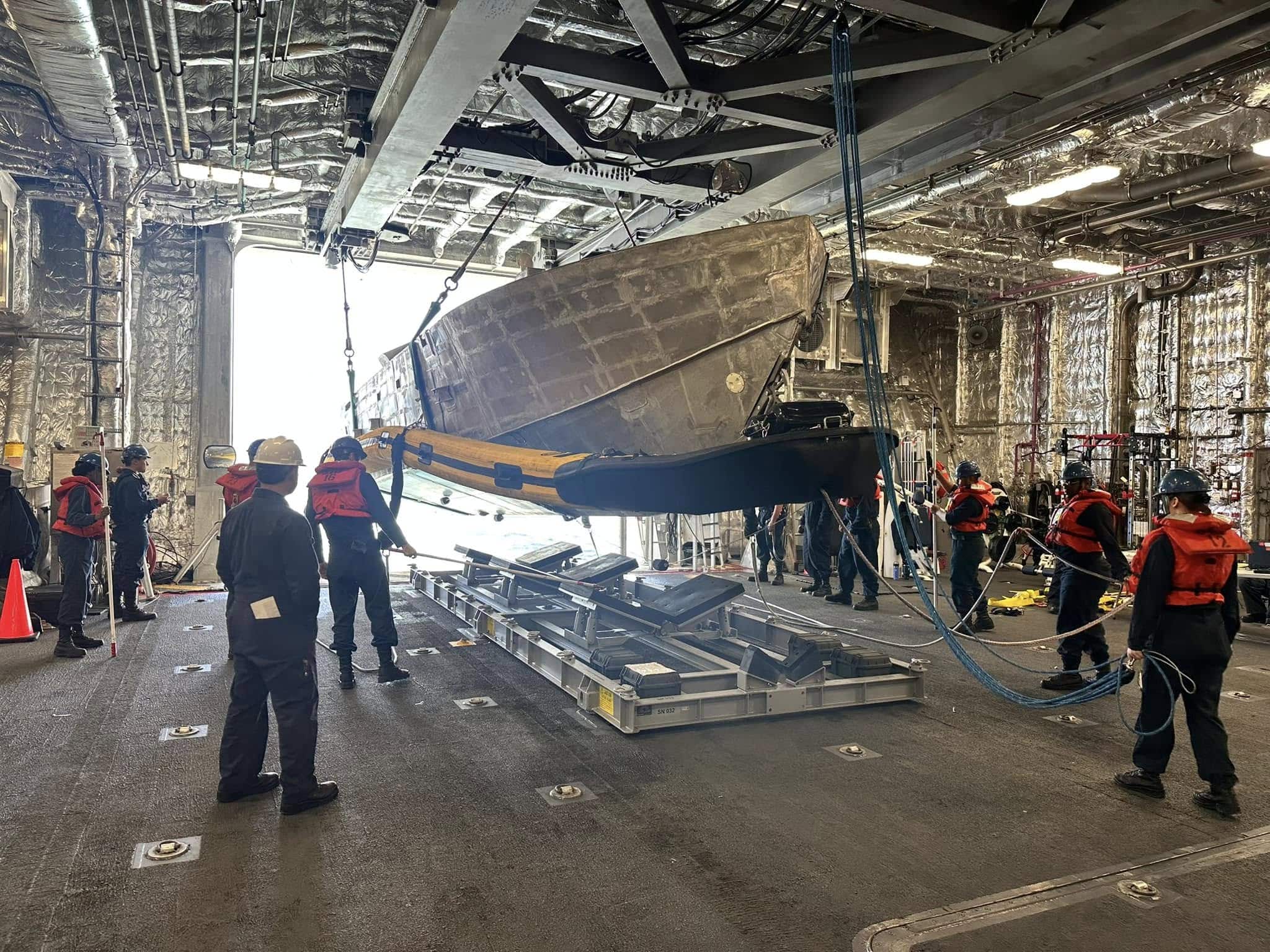
In its current configuration, the package includes a towed sonar system, Common Unmanned Surface Vessel (CUSV) platforms with mine-sweeping equipment, and mine detection and disposal systems deployed from MH-60 Sea Hawk helicopters.
At the same time, Gulf Arab navies also have mine countermeasures capabilities. Saudi Arabia operates three Sandown-class minehunters, while the UAE operates two Frankenthal-class ships. Together, they could help clear the Strait of Iranian mines.
Підтримати нас можна через:
Приват: 5169 3351 0164 7408 PayPal - [email protected] Стати нашим патроном за лінком ⬇
Subscribe to our newsletter
or on ours Telegram
Thank you!!
You are subscribed to our newsletter