


Popular

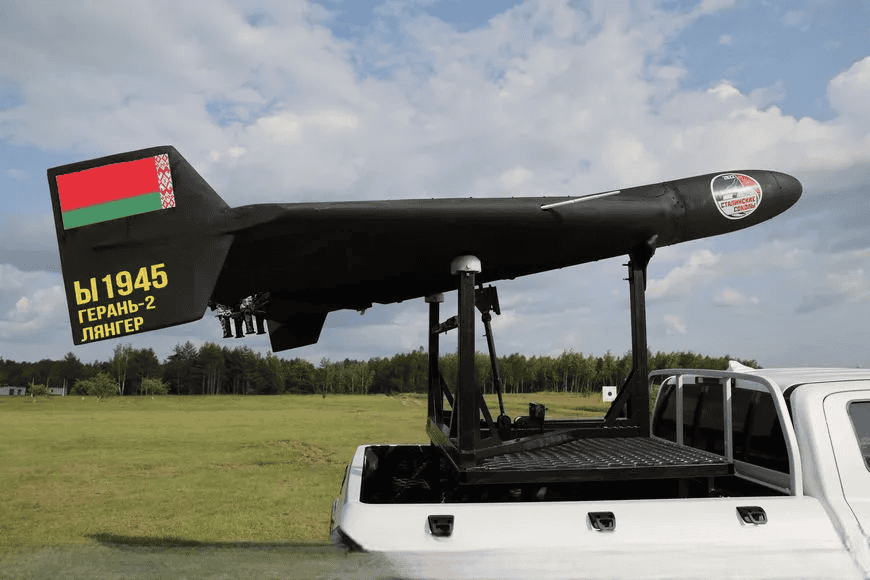
The WU Samurai unit intercepted a Russian Gerbera equipped with two visual detection cameras for anti-aircraft drones.
The footage of the Russian drone was posted on the unit’s page.
The Russian drone in the reconnaissance version, in addition to a ground-facing surveillance camera, also carried two optical sensors: one provided a view from the stern, and the other from the upper hemisphere, thus blocking the most risky angles of the interceptor drones’ approach.
However, the video shows that the Ukrainian anti-aircraft drone operators managed to shoot down the enemy drone before it initiated an algorithm of maneuvers to evade the attack.
The first Russian drones with such a system began to appear on the battlefield last fall in response to the saturation of the airspace by Ukrainian anti-aircraft drones. The mass deployment of such systems is relatively recent.
It is noteworthy that the next video of the WU Samurai’s combat operation, following the aforementioned Gerbera, was the interception of a Zala reconnaissance drone with a similar optical detection and evasion system.

Having been the first to deploy a drone warfare system, Ukraine is now adopting the enemy’s experience and implementing systems to evade attacks by Russian interceptors.
At the Defense Tech Valley exhibition in September, the developers of DEVIRO, a leading Ukrainian manufacturer of unmanned systems, reported on field tests of their own Snitch module, which helps aircraft recognize enemy interceptor drones in the air and perform evasive maneuvers automatically.
The system consists of an additional camera that detects enemy interceptor drones and automatically issues a command to maneuver. The company admits that this configuration is “not optimal” because it leaves blind spots through which an enemy drone can fly up unnoticed and hit the scout.
Therefore, in parallel with the field testing of the camera version of the Snitch system, the next generation is being developed, which will rely on electronic intelligence to detect signals from enemy drones. The new system will not only warn of an approaching enemy drone but will also feature a built-in electronic warfare system to counter it, similar to the Russian Mirror system.
The new system will be available for all of the company’s UAVs, not just the latest Leleka-100M2R. According to the plan, no later than early November, the first generation of Snitch systems should become generally available, and the company will begin modernizing its existing UAVs.

Last week, European Commissioner for Defense Andrius Kubilius invited representatives of Ukrainian industry to discuss the “drone wall” project to counter Russian drones on the EU border.
Підтримати нас можна через:
Приват: 5169 3351 0164 7408 PayPal - [email protected] Стати нашим патроном за лінком ⬇
Subscribe to our newsletter
or on ours Telegram
Thank you!!
You are subscribed to our newsletter