




Popular
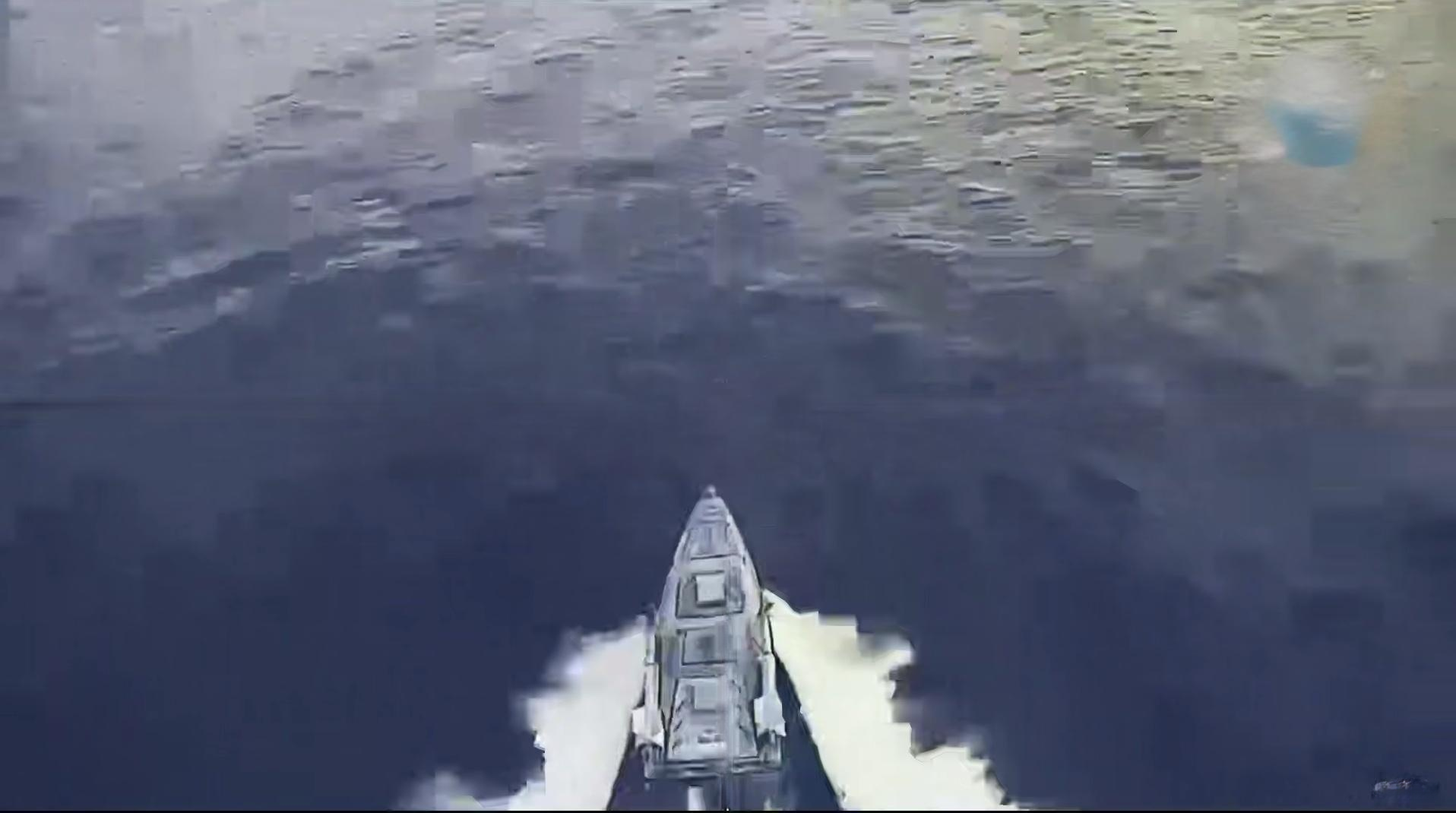
A multinational naval group led by the Ukrainian Navy, during the NATO exercises REPMUS/Dynamic Messenger 2025, used Magura V7 naval drones to “sink” at least one Alliance frigate.
F.A.Z. reported on this.
A direct participant from Ukraine told the publication that during five exercise scenarios held in September 2025 off the coast of Portugal, they practiced port defense, convoy escort, and attacks on convoys.
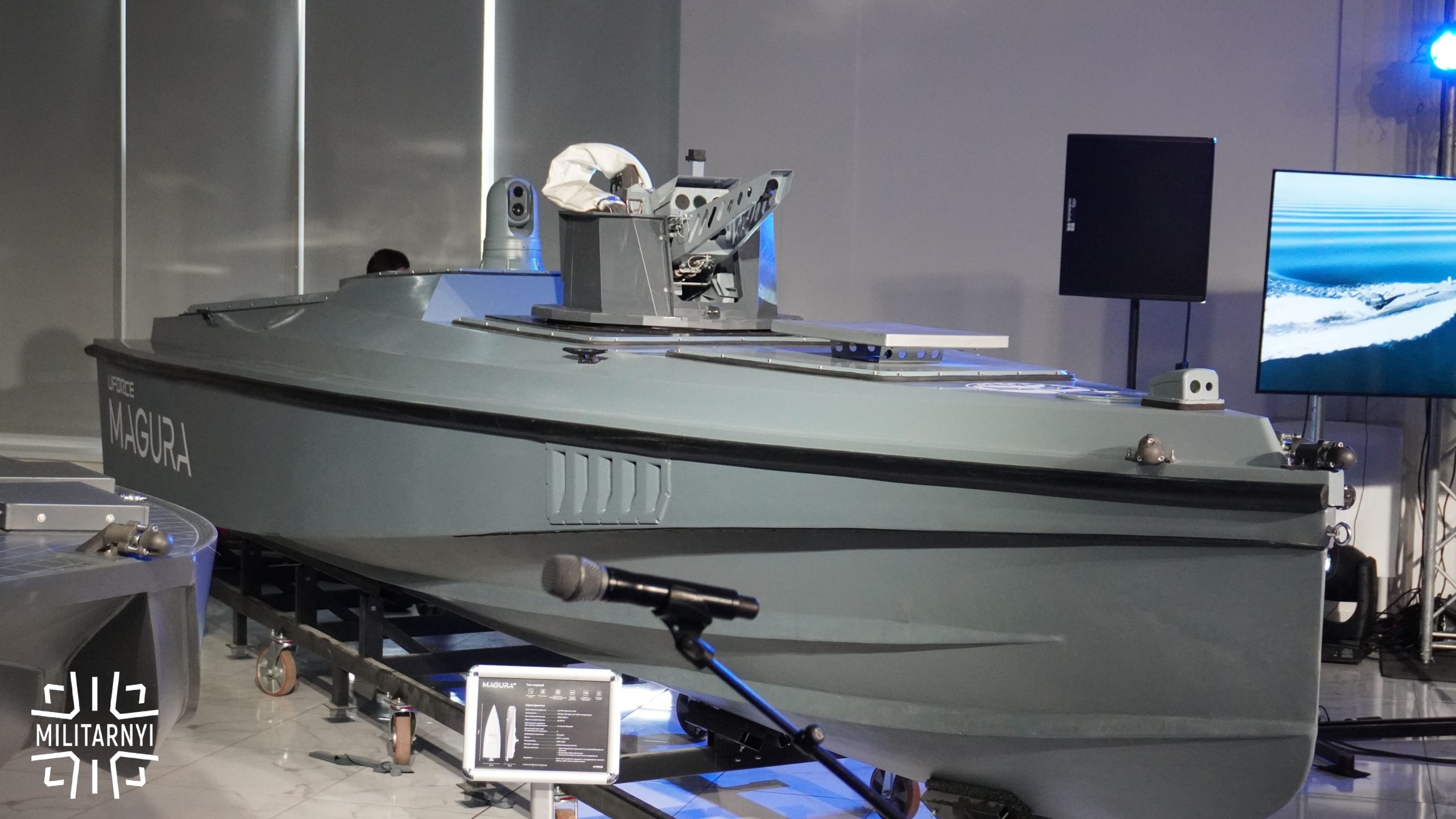
In all five scenarios, the “reds” defeated the “blues”—NATO forces. To do so, they used several versions of Ukrainian Magura V7-type naval drones. One was equipped with reconnaissance gear and an explosive charge, while another carried a machine gun. Other participating countries also deployed unmanned boats.
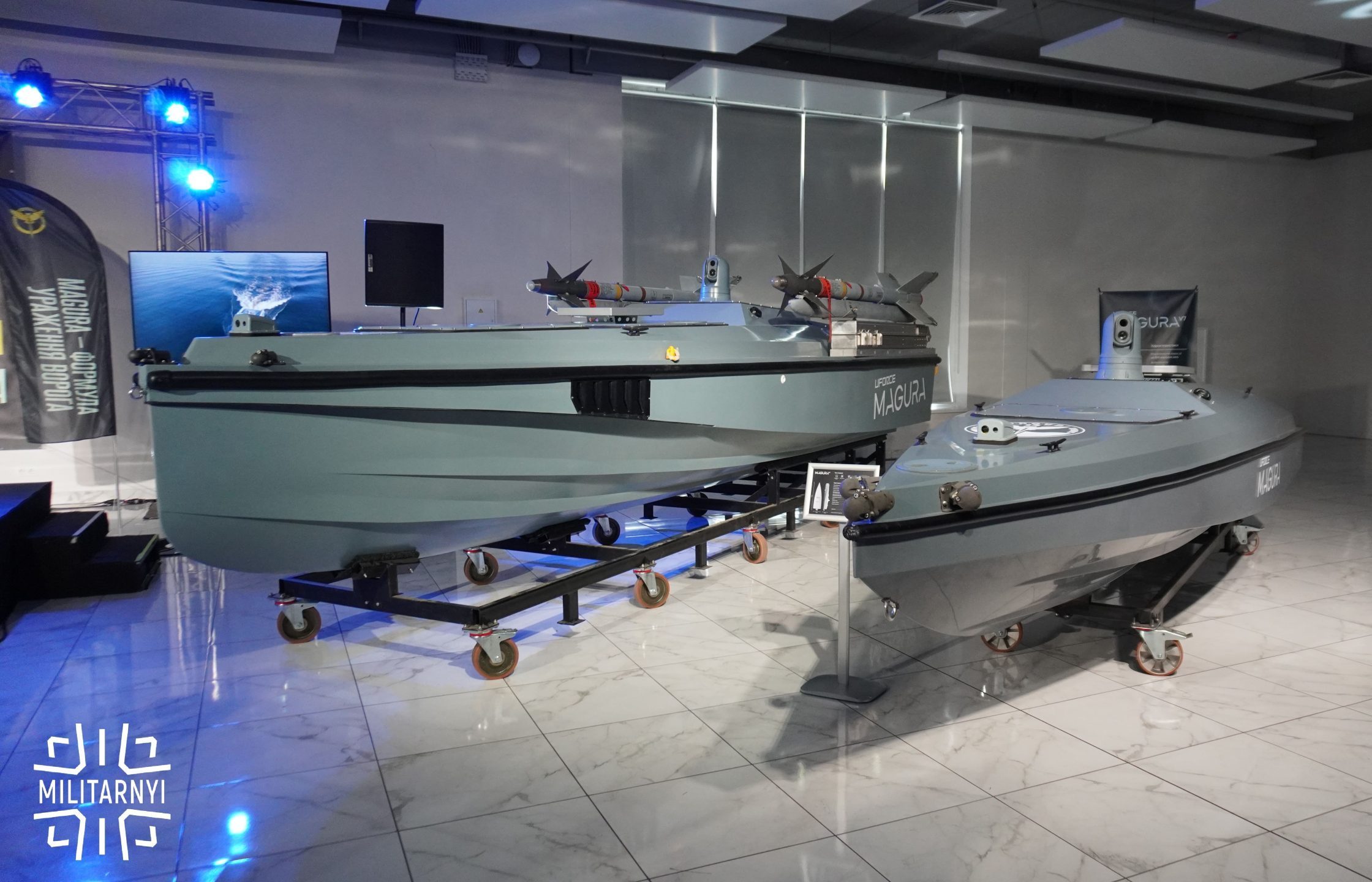
According to a Ukrainian source, the “Red” team at the “REPMUS/Dynamic Messenger 2025” exercises consisted of units from the U.S., the U.K., Spain, and other countries, but Ukraine provided overall command.
The goal was to test new technologies as realistically as possible—in an environment simulating electronic jamming, acoustic reconnaissance, and active military resistance.
According to the exercise rules, simply guiding a drone toward a target—as confirmed by video recordings—was sufficient for a victory. For example, if a maritime drone attacked a ship with the aim of striking the radar, a victory was counted if the drone managed to lock onto the radar before being detected. If, however, the ship’s crew managed to photograph the drone first, it was considered intercepted.
The exercises demonstrated that unmanned systems, combined with combat experience and careful planning, pose a “real threat” to NATO’s naval forces—primarily because the Alliance is not yet sufficiently prepared for attacks using such means.
For instance, during one scenario, the “reds” managed to hit a frigate during a simulated attack on a convoy, which in a real battle would have meant its destruction. Five minutes later, the “blues” asked in a group chat, looking confused: “Are you going to attack us or not?” As a Ukrainian source explained in a comment to F.A.Z.: “The problem wasn’t that they couldn’t stop us—they didn’t even see us.”
Shortly after the exercises, in December 2025, Ukraine and Portugal signed an agreement on establishing a strategic partnership in the field of unmanned maritime vehicle production.
The parties are not disclosing the details of the agreement. It likely involves the localization of Ukrainian drone production in Portugal for the needs of Ukraine and the Portuguese Navy.
Shortly thereafter, it was reported that Portugal had decided to allocate €25 million annually over the next five years to purchase products from the Ukrainian defense industry as part of the SAFE initiative. Portuguese partners also confirmed their readiness to contribute €50 million to the PURL mechanism for the procurement of American weapons for Ukraine.
Підтримати нас можна через:
Приват: 5169 3351 0164 7408 PayPal - [email protected] Стати нашим патроном за лінком ⬇
Subscribe to our newsletter
or on ours Telegram
Thank you!!
You are subscribed to our newsletter