



Popular
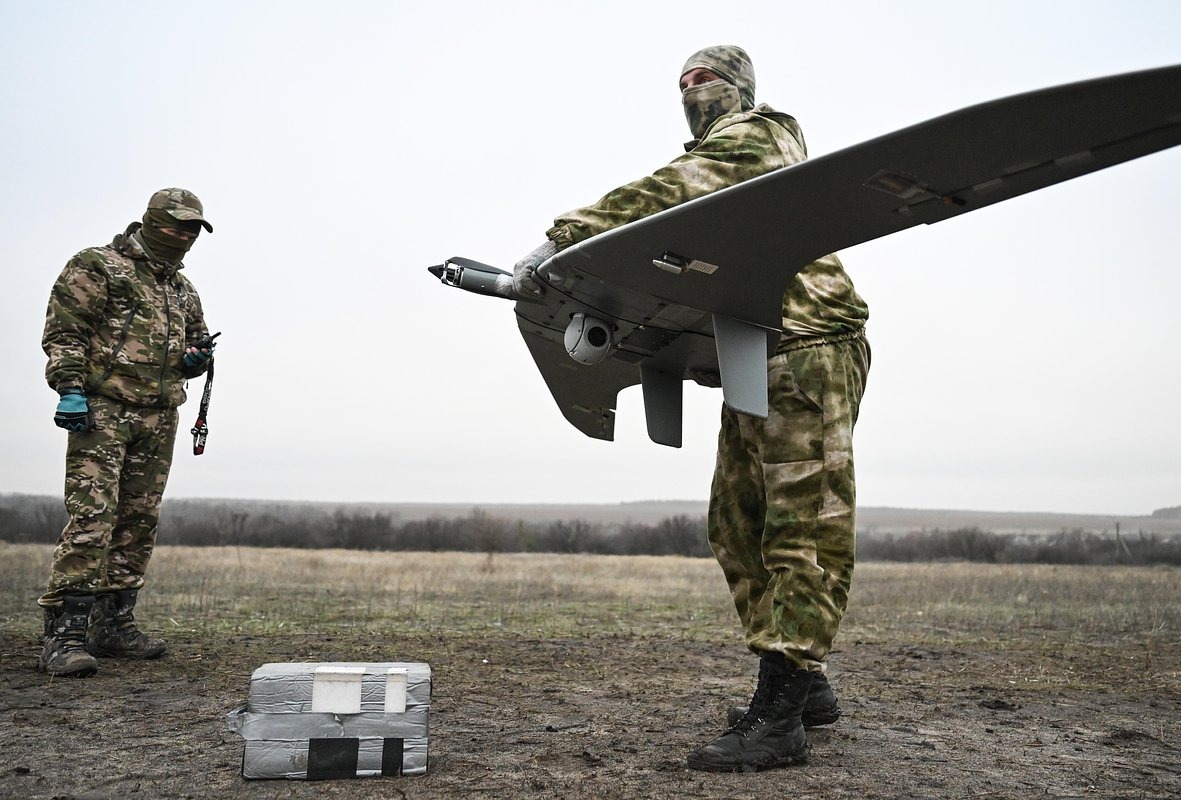
Ukraine’s rocket and artillery forces have destroyed the control point of Russia’s Rubicon UAV unit and an ammunition depot in the occupied Donetsk region.
The General Staff of Ukraine released a video of the strikes.
“The combat work of the Rocket Forces and Artillery of the Armed Forces of Ukraine continues. The units of the rocket forces, in cooperation with other units of the defense forces, struck a number of key targets of the Russian aggressor. Recently, in the occupied territories of the Donetsk region, the control point of the Russian Rubicon UAV unit and a large ammunition warehouse were destroyed,” the statement said.
The first video shows the destruction of a UAV command post hidden in a tree line by several missiles, likely GMLRS.
The second video shows two hangars converted into ammunition storage destroyed by four missiles, also likely GMLRS.
The Rubicon Center for Advanced Unmanned Technologies was created in August 2024 by order of Russian Defense Minister Andrei Belousov. Its main task is to train UAV instructors, transfer combat experience to frontline units, and prepare operators.
Rubicon also develops and tests robotic systems and trains specialists to operate them.
The center’s analytical department compiles data on drone use in the war zone, analyzes surveillance footage from the front line, and makes recommendations on how to employ UAVs more effectively.
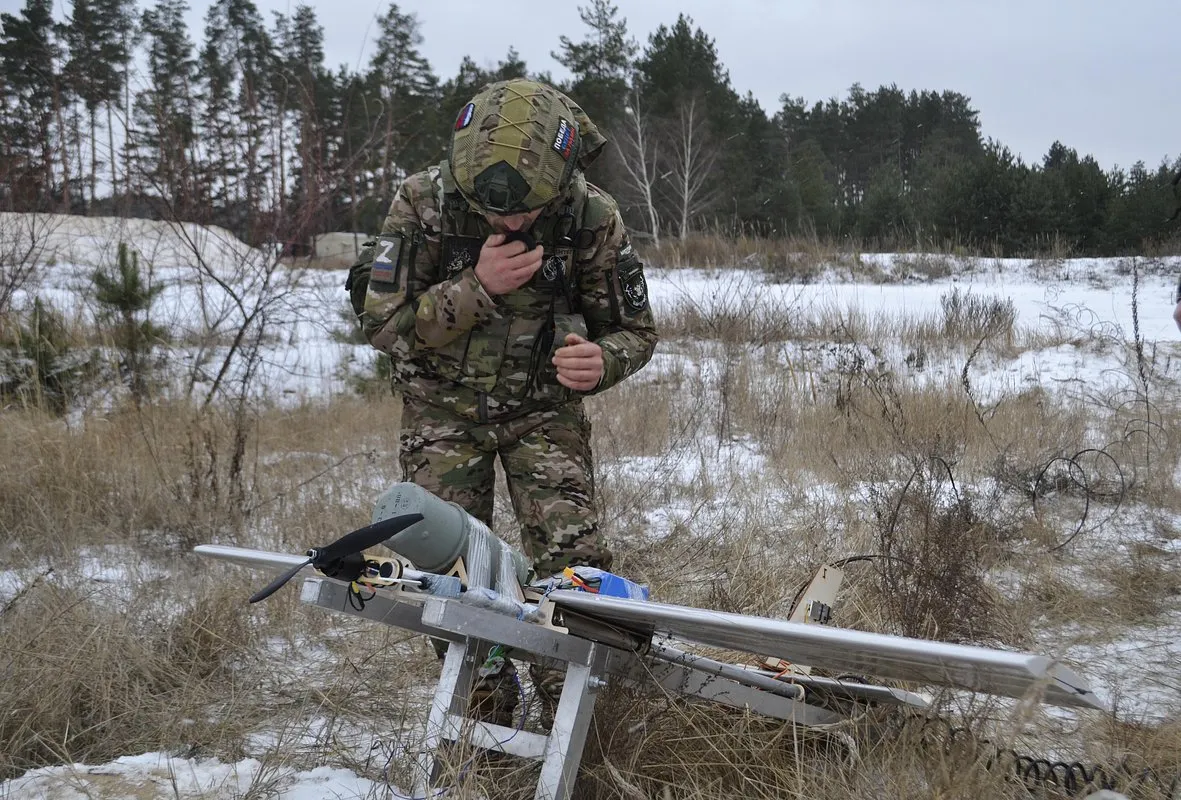
The unit emphasizes flexibility in developing and deploying new unmanned systems, combining combat experience with grassroots innovation from workshops and small factories, backed by Defense Ministry funding.
According to Russian sources, while discipline is military, management resembles that of a tech company — with more freedom in decision-making, less formalism, and encouragement of initiative. This approach allows rapid responses to battlefield requests, such as producing improvised drone munitions, testing new electronic warfare or air defense systems, and fielding them quickly.
Rubicon has diverged from Russia’s traditionally centralized military model in favor of flexible, horizontal interaction. Its units were the first in the Russian military to widely use fiber-optic FPV and interceptor drones. Rubicon also employs reconnaissance drones and strike UAVs such as Lancet, Molniya, and long-range systems.
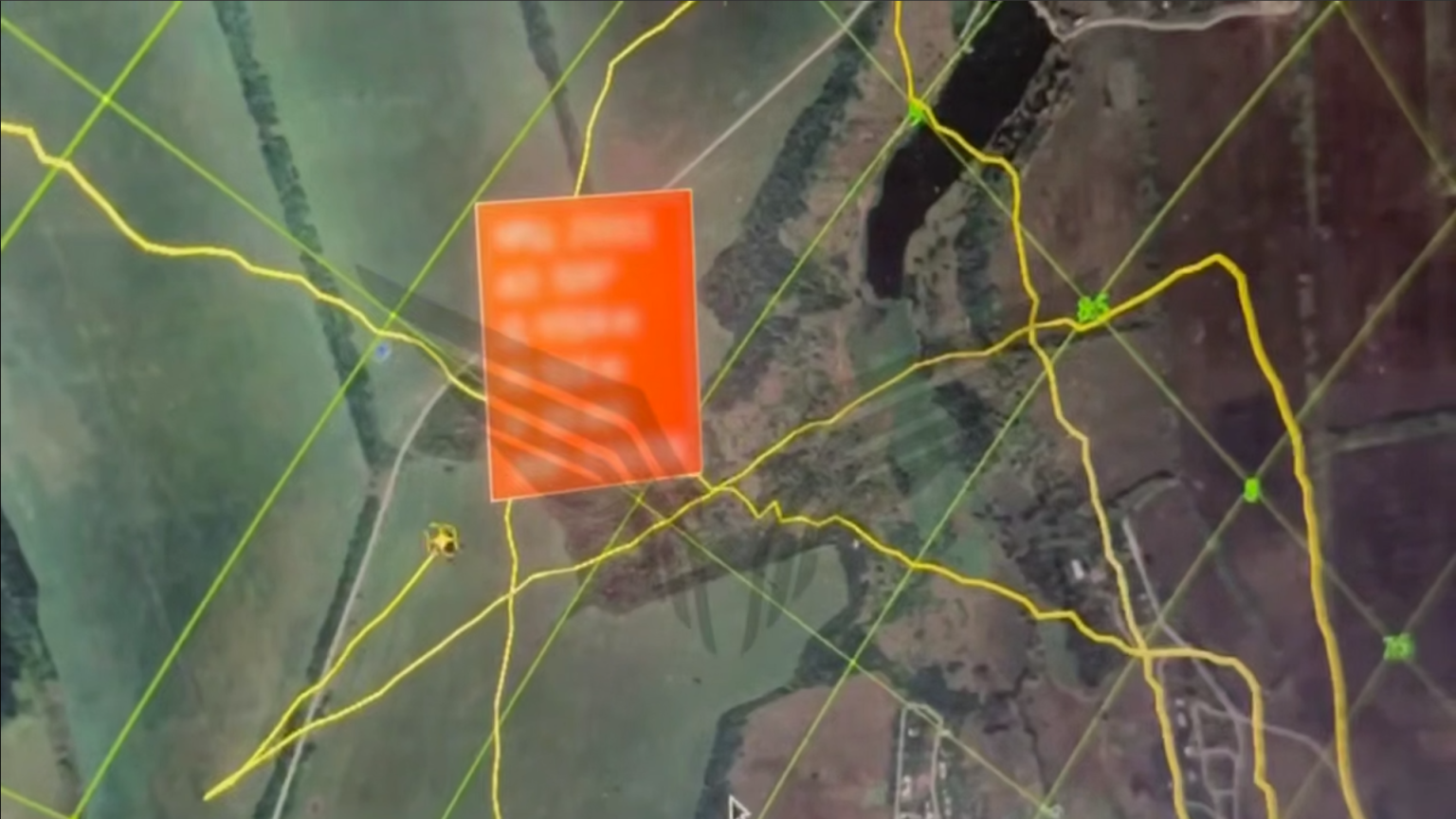
In addition to training, analytical and research units, the Rubicon center also includes combat units directly assigned to priority areas of the front and using developments created by other divisions. As a result, Rubicon groups can be found in almost all sectors of the front.
“I wouldn’t say they have brought any real innovations since their arrival. They have created obvious problems, primarily with logistics. I think when they entered this area, their clear task was to disrupt our logistics as much as possible. It is very difficult to fight without logistics, almost impossible. That was the task they came here with,” said the commander of the unmanned systems battalion of the Azov brigade, known by the call sign “Bud,” commenting on the presence of Russian Rubicon drone units at the front.
The commander added that the situation became more difficult after Rubicon’s appearance, but he still expected elite units to be different.
“They die just like any other Russians. They are not some kind of super-soldiers from their UAV units. They need to be destroyed methodically, worked against methodically. And then it becomes easier. Their tactics are the same as those of other units. They just perform somewhat better, perhaps because of the training of their crews and their focus,” he said.
Підтримати нас можна через:
Приват: 5169 3351 0164 7408 PayPal - [email protected] Стати нашим патроном за лінком ⬇
Subscribe to our newsletter
or on ours Telegram
Thank you!!
You are subscribed to our newsletter