








Popular
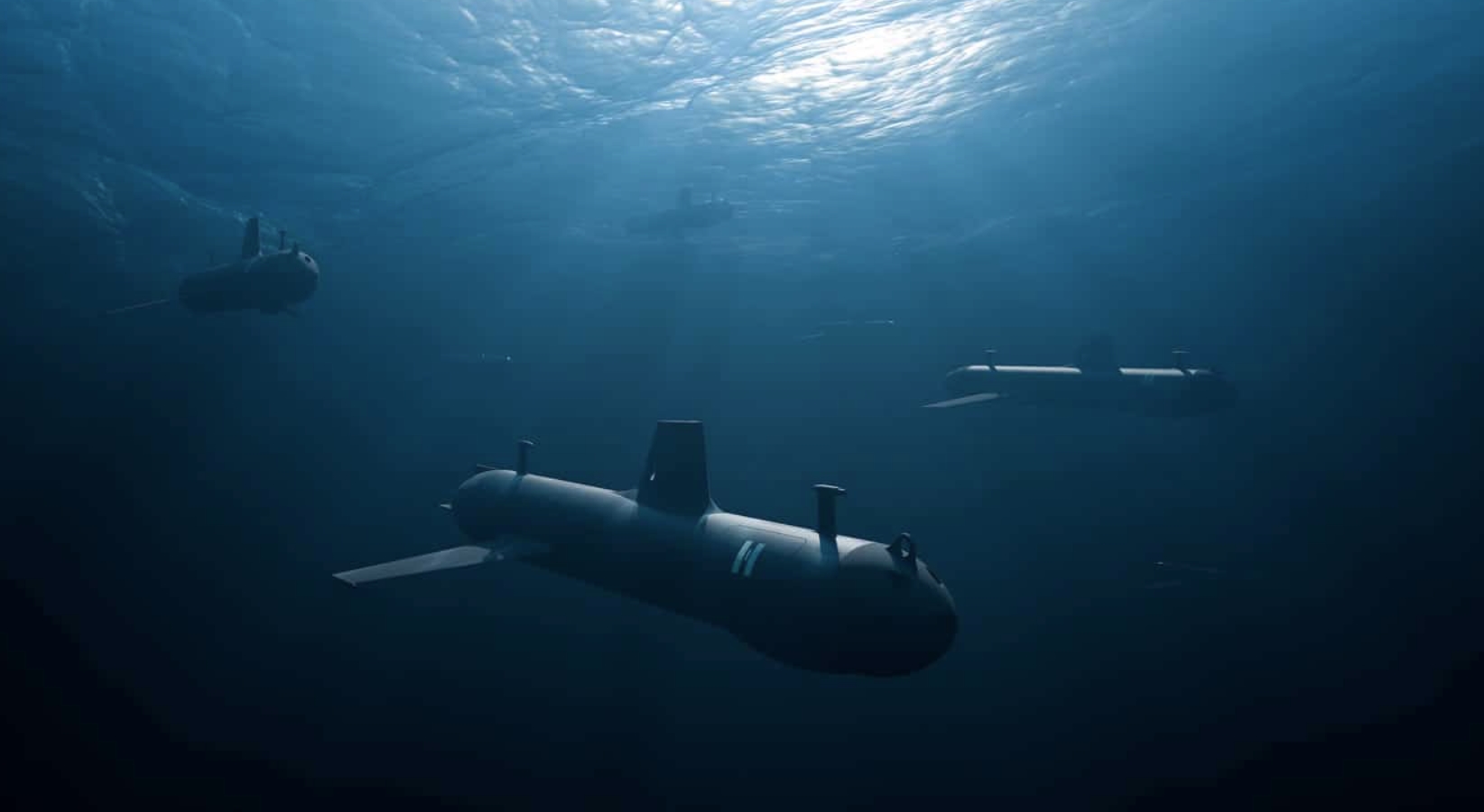
The Royal Navy has presented a new tactic to counter Russian submarines in the Atlantic, using SG-1 Fathom marine gliders.
Katie Rain, head of the Fathom program, shared with the BBC that the glider patrols the ocean depths, monitoring and listening for potential adversaries in the area.
These adversaries include Russian submarines that operate covertly in or near British waters and are suspected of working with spy vessels to map the UK’s critical underwater cables and pipelines.
A subsea glider is an autonomous underwater vehicle that moves using hydrodynamic forces generated by changes in buoyancy. Gliders travel along a distinctive “saw-tooth” path within a set depth range.
The Fathom glider, developed by the German defense company Helsing and now being tested by the Royal Navy, moves silently, and its sensors continuously collect information.
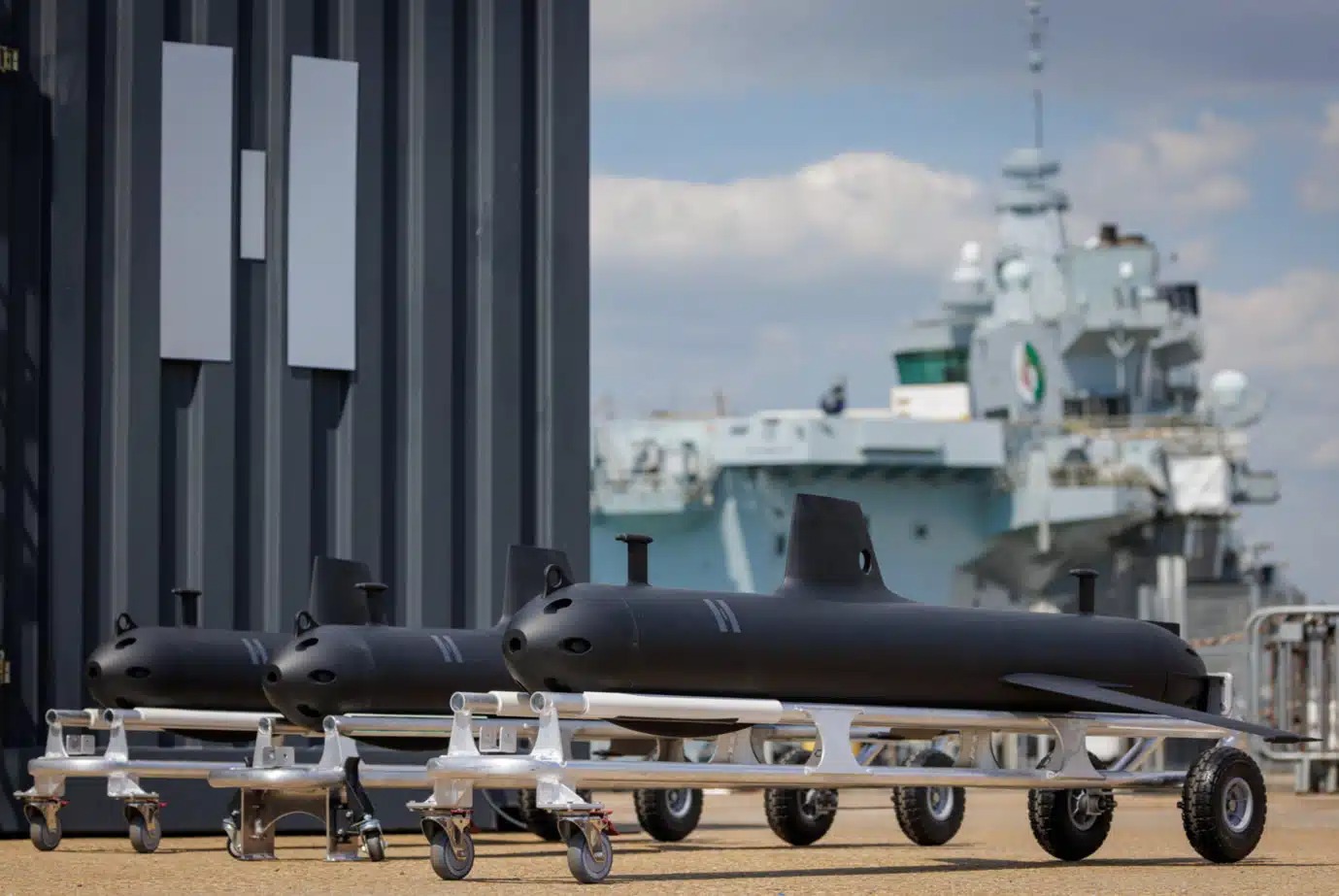
It is designed for months-long autonomous patrols, working together with dozens of other gliders and using software trained on decades of acoustic data.
“The glider processes and detects threats faster than we were ever able to before,” Rain noted.
If the system proves effective, Fathom will likely become part of Atlantic Bastion – a network of drones, naval vessels, and patrol aircraft aimed at protecting critical underwater infrastructure.
The UK Ministry of Defence, which is set to present elements of the Atlantic Bastion program, has stated that the program is a direct response to Russian underwater activity. According to the government, the number of Russian vessels posing a threat to British waters has increased by 30% over the past two years.
In September, the Parliamentary National Security Strategy Committee reported it was not confident in the UK’s ability to protect its underwater cables and warned that an attack could cause “catastrophic disruptions” to financial and communication systems.
Last month, Yantar – a Russian oceanographic vessel suspected of mapping British underwater cables and pipelines – directed lasers at UK pilots who were monitoring its movements near British waters.
Defence Secretary John Healey called such actions “extremely dangerous” and said that Yantar had repeatedly entered and exited the UK’s exclusive economic zone.

During a visit to Portsmouth last week, Healey stressed that government investment in new technologies to counter the threat is critically important.
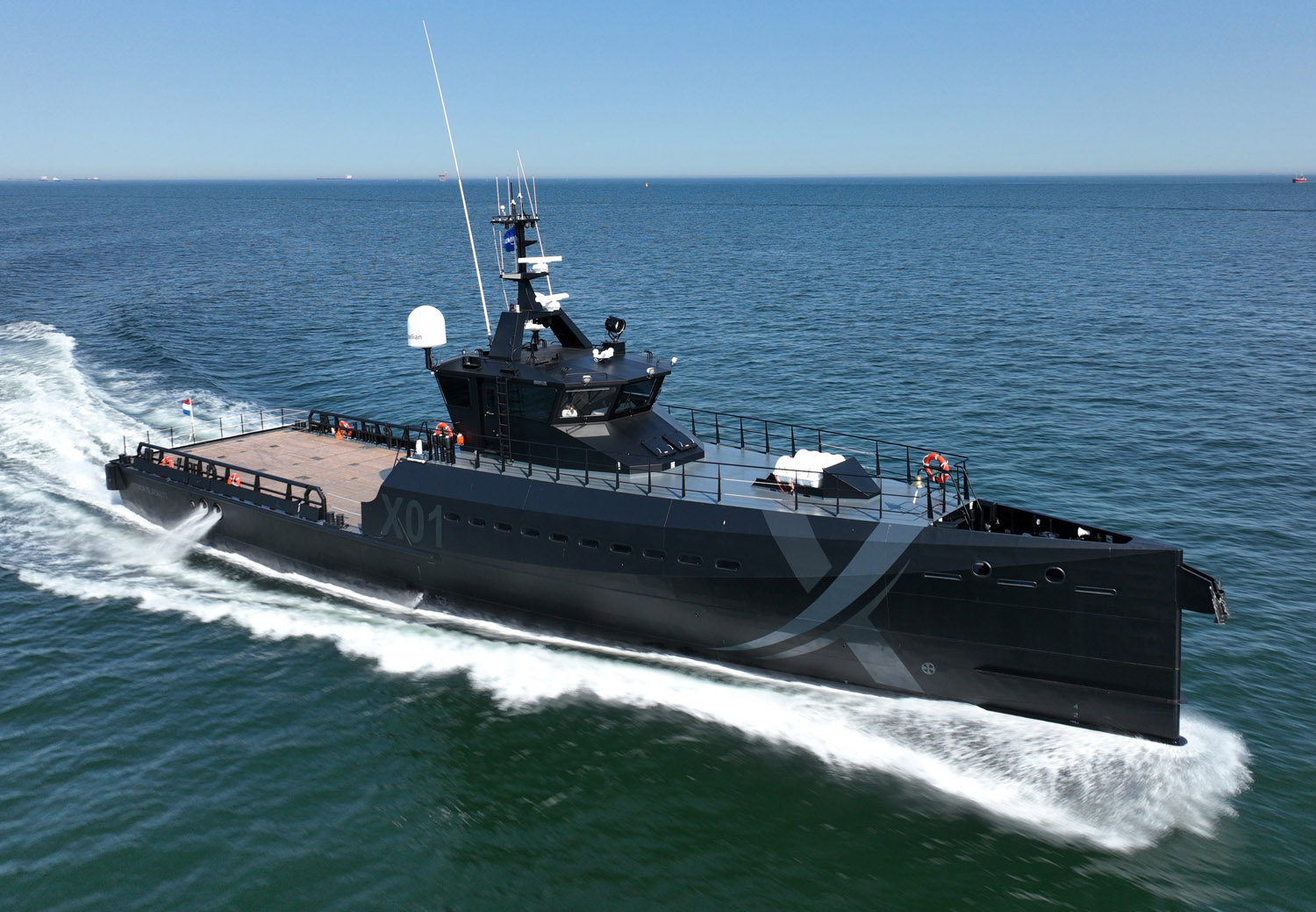
“It’s about staying ahead of the Russians,” he told me aboard the XV Patrick Blackett, the Royal Navy’s experimental ship used as a platform for testing new technologies.
Some of these new technologies were demonstrated on-site – from a remotely operated high-speed boat churning through the harbor to a mock-up of Proteus, the Navy’s first-ever unmanned helicopter.
On the quay above us loomed the black hull of Excalibur – a 12-meter, 19-ton unmanned underwater vehicle that was launched for the first time this year.
“We know they are mapping our underwater cables, our networks, and pipelines, and we know they are constantly developing new capabilities to put them at risk,” Healey said.
Together with Norwegian Defence Minister Tore O. Sandvik, as the two countries signed the Lunna House Agreement – a defense pact for joint hunting of Russian submarines and protecting underwater infrastructure – Healey emphasized that time is of the essence.
Підтримати нас можна через:
Приват: 5169 3351 0164 7408 PayPal - [email protected] Стати нашим патроном за лінком ⬇
Subscribe to our newsletter
or on ours Telegram
Thank you!!
You are subscribed to our newsletter