


Popular

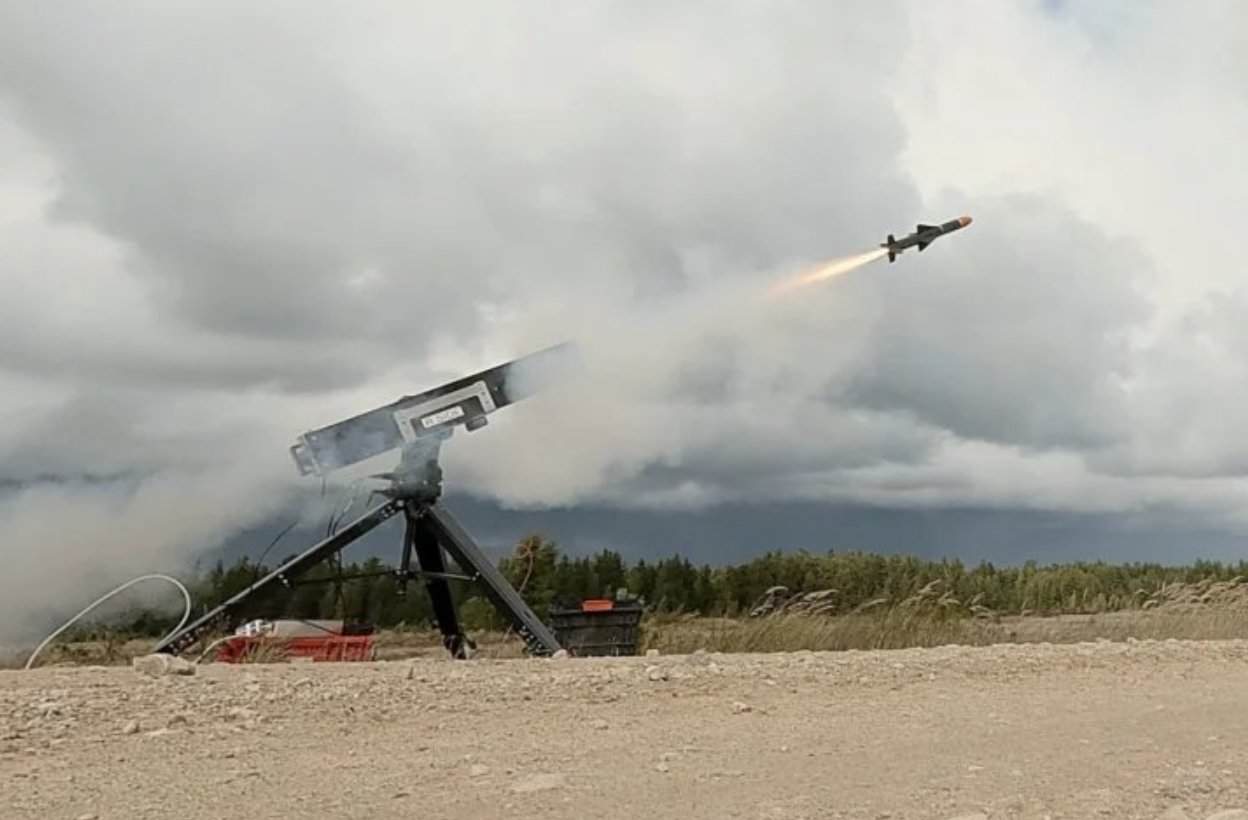
The U.S. Central Command conducted an exercise focused on defending a base against aerial threats using the new version of the Coyote interceptor drone.
The U.S. Central Command (CENTCOM) reported on this.
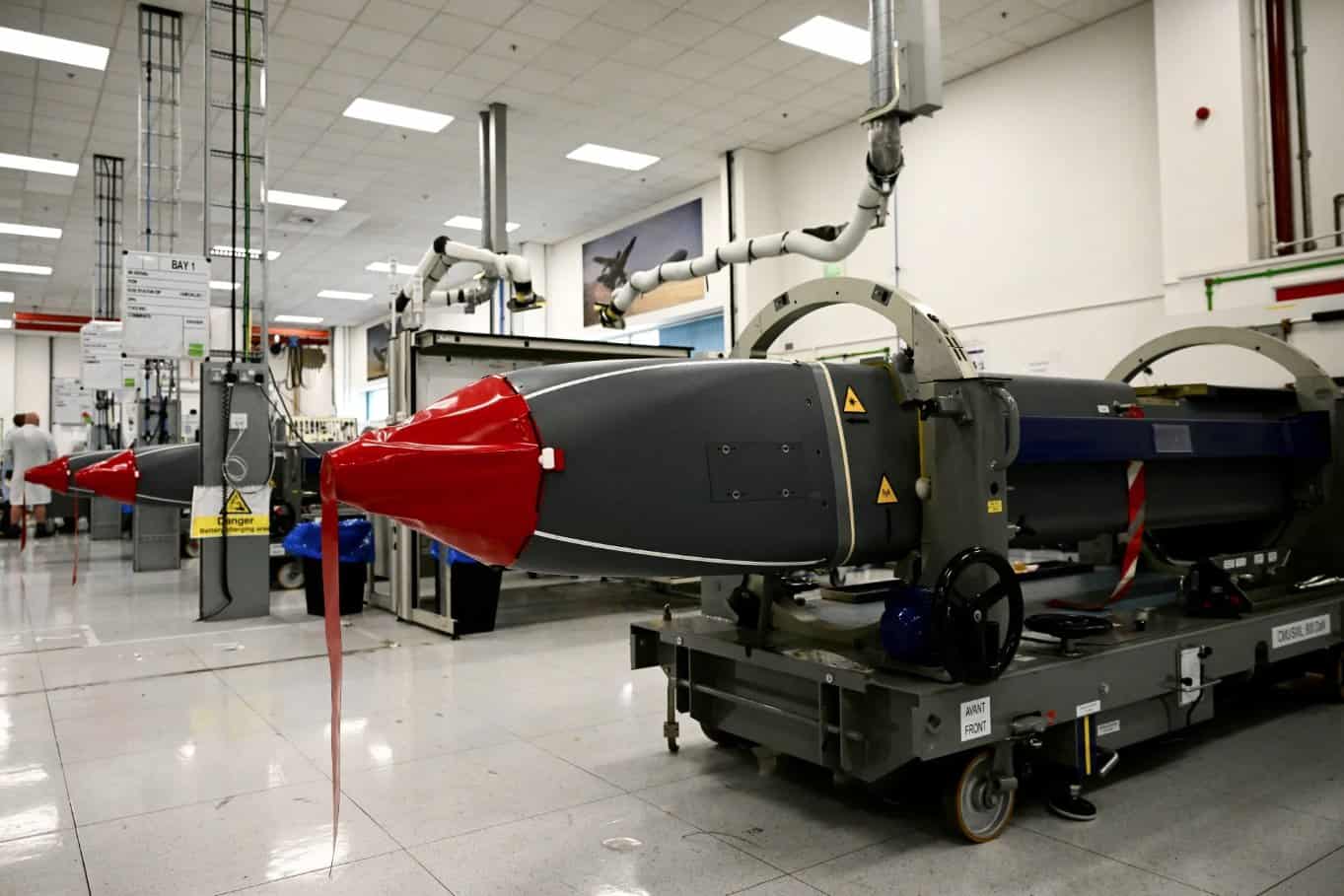
The agency noted that during the exercise, launches of the Coyote Block 2C interceptor drones had taken place, which the U.S. Army had ordered in January 2024.
A key feature of the new Block 2C version, compared to previous variants, is the use of a kinetic warhead with a 1.8 kg fragmentation-high explosive payload designed to destroy small drones or swarms.

The drone is launched using a launcher equipped with a KuRFS radar and control stations integrated into the LIDS (Low, Slow, Small Unmanned Aircraft Integrated Defeat System).
The U.S. Army signed a contract in January 2024 for the supply of 600 drones of this version, worth $75 million. The main contractor for the deal is RTX Corporation.
In addition to the U.S. Army, countries in the Middle East have also expressed interest in these drones. As a result, the American company Raytheon will establish production of Coyote interceptor drones in the United Arab Emirates.
For the UAE, deploying such systems is a necessity, as the country has repeatedly suffered massive missile and drone attacks from Yemeni Houthis, who use these assaults to exert political pressure on the Arab League states.

Additionally, the new version of the interceptor drone currently in development – the Coyote Block 3 – was recently tested from a modified launcher mounted on an M2 Bradley fighting vehicle and a Bell 407 helicopter, functioning as a reusable reconnaissance tool.
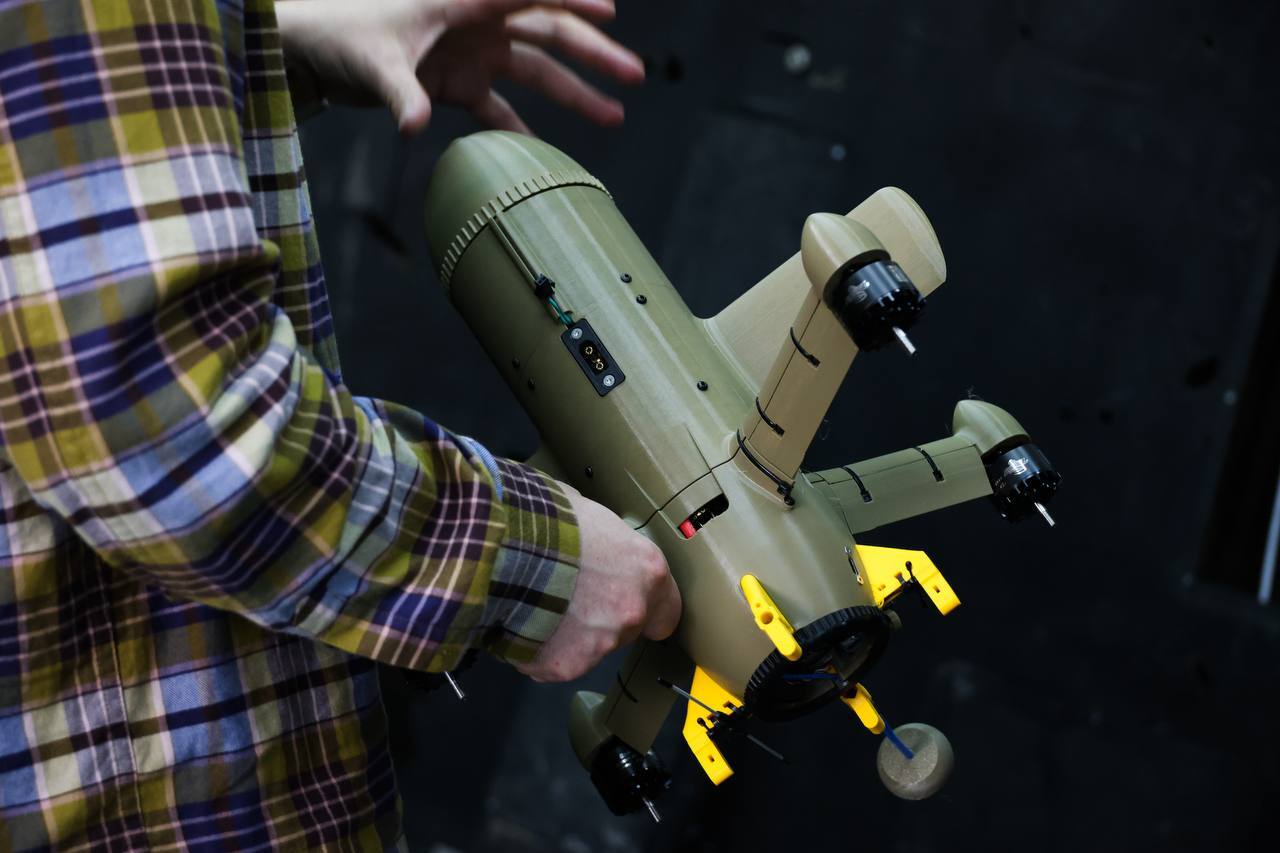
It should be noted that the basic version, Coyote Block 1, is a six-kilogram kamikaze drone with an electric motor and a fragmentation-high explosive warhead with a proximity fuse.
According to the developers’ concept, this interceptor drone is meant to complement traditional anti-drone systems equipped with small-caliber artillery and electronic warfare systems by engaging drones beyond their effective range. It is optimized to destroy UAVs weighing from 9 to 600 kilograms by detonating near them.
Its guidance system is based on radio frequency scanning, while target detection is provided by the ground-based KuMRFS radar (Ku-band Multi-mission RF System), which features four electronically scanned antennas and an effective range of 7 kilometers.
Підтримати нас можна через:
Приват: 5169 3351 0164 7408 PayPal - [email protected] Стати нашим патроном за лінком ⬇
Subscribe to our newsletter
or on ours Telegram
Thank you!!
You are subscribed to our newsletter