



Popular
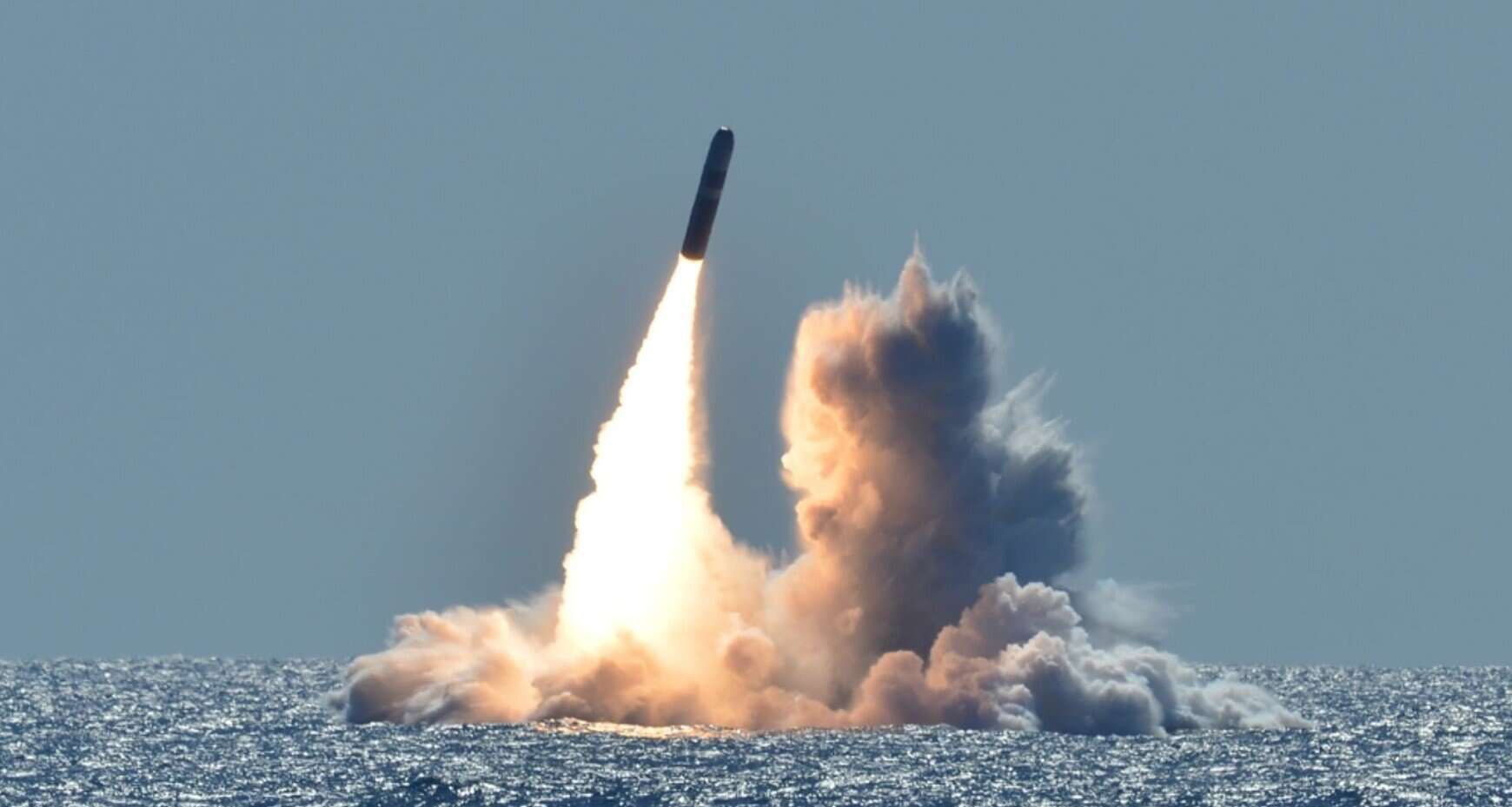
U.S. President Donald Trump is considering expanding the country’s nuclear arsenal and resuming underground nuclear testing, amid reports that China may be taking similar steps.
The New York Times reported this.
It remains unclear whether the United States, Russia, and China are entering a new nuclear arms race, or whether the Trump administration is using this approach to push for negotiations on a new strategic arms control treaty after the previous one expired.
In the five days since the last nuclear treaty between the United States and Russia expired, statements from U.S. administration officials have clarified two key points: Washington is seriously considering deploying additional nuclear warheads and is not ruling out the resumption of nuclear testing.
Both steps would mark a departure from nearly 40 years of stricter nuclear control policies, under which the United States reduced or stabilized the number of warheads deployed in missile silos, on strategic bombers, and aboard submarines.

If these plans are implemented, Donald Trump would become the first U.S. president since Ronald Reagan under whom the country’s nuclear arsenal begins to grow again.
The United States last conducted nuclear tests in 1992. However, last year, Trump said he would like to resume testing “on equal terms” with China and Russia.
Signs of preparations for possible changes began to emerge just hours after the treaty limiting the number of deployed nuclear warheads of the United States and Russia to approximately 1,550 each expired.
Trump rejected the Russian president’s proposal to informally extend the 15-year agreement without legally binding commitments while negotiations on a new treaty are underway.

According to U.S. officials, previous agreements did not cover new classes of nuclear weapons that Russia and China are currently developing.
Washington insists that any new treaty must also include limits on Beijing, which possesses the fastest-growing nuclear arsenal in the world.
Meanwhile, China has shown limited interest in arms control – at least until its nuclear forces approach the scale of those of the United States and Russia.
As nuclear strategists Franklin Miller and Eric Edelman – who served in previous Republican administrations – wrote last year in Foreign Affairs, Beijing “views a willingness to participate in arms control as a sign of weakness, and transparency and verification mechanisms as intrusive measures resembling espionage.”
Підтримати нас можна через:
Приват: 5169 3351 0164 7408 PayPal - [email protected] Стати нашим патроном за лінком ⬇
Subscribe to our newsletter
or on ours Telegram
Thank you!!
You are subscribed to our newsletter