





Popular
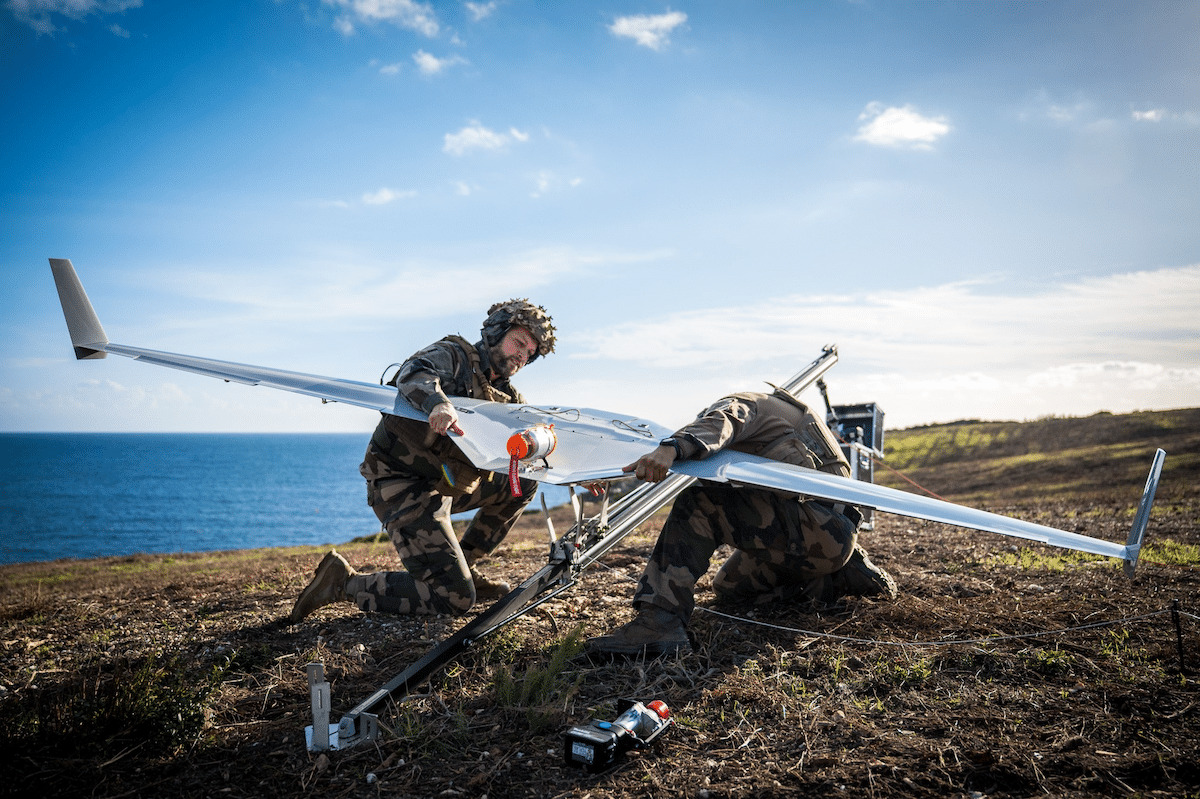
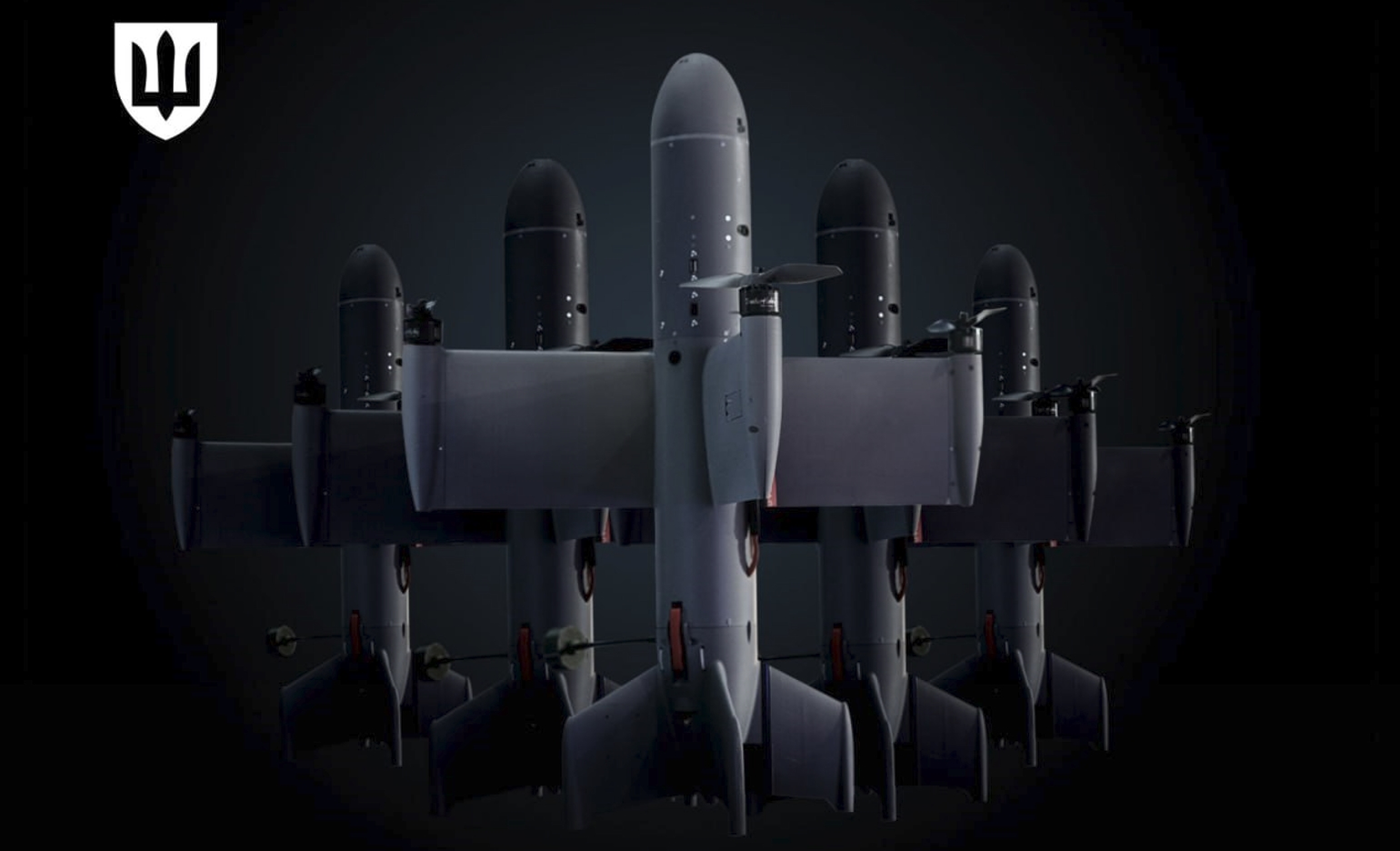
EOS Technologie will supply its new long-range loitering munitions, the Veloce 330 and Rodeur 330, to the Ukrainian Defense Forces for battlefield testing. The systems were developed under the LARINAE program, a competition to create a next-generation strike drone for the French Army.
The French military outlet Forces Operations Blog reported the move.
Under the LARINAE project, EOS Technologie—working in partnership with KNDS France—introduced two strike UAVs: the Rodeur 330 and its jet-powered version, the Veloce 330.
According to the company, both systems “will be tested in Ukraine very soon.” The drones will be delivered as part of a joint effort to share operational expertise. Interest in deeper industrial cooperation is also increasing, although large-scale production in Ukraine still carries certain risks.
In June 2025, EOS demonstrated the Rodeur 330 striking a tank using an inert warhead under FPV control. By November, the Rodeur 330 successfully hit a target in a fully autonomous mode.

According to a statement by EOS Technologie CEO Jean-Marc Zuliani, these drones can also be used in swarm mode, with the ability to deploy up to 30 UAVs simultaneously.
The Rodeur 330 has a range of up to 500 km and can loiter for up to five hours in a designated area to conduct reconnaissance and engage targets. The drone is equipped with a 4-kilogram anti-tank warhead and can operate without GPS navigation. It also features a parachute recovery system, allowing the UAV to be safely recovered during training missions or if a strike mission is aborted.
Although the LARINAE project required the ability to engage targets at up to 50 km while maintaining a data link, EOS states that its drones exceed this requirement and can operate at up to 80 km.
“After further testing, we can extend this to 100 km. However, this is still line-of-sight. Terrain and obstacles remain risk factors,” Jean-Marc Zuliani noted.
According to EOS, certain modules can be replaced to increase the range to 150–200 km. However, confirming this capability would require complex testing, as France currently lacks the necessary infrastructure for such trials.
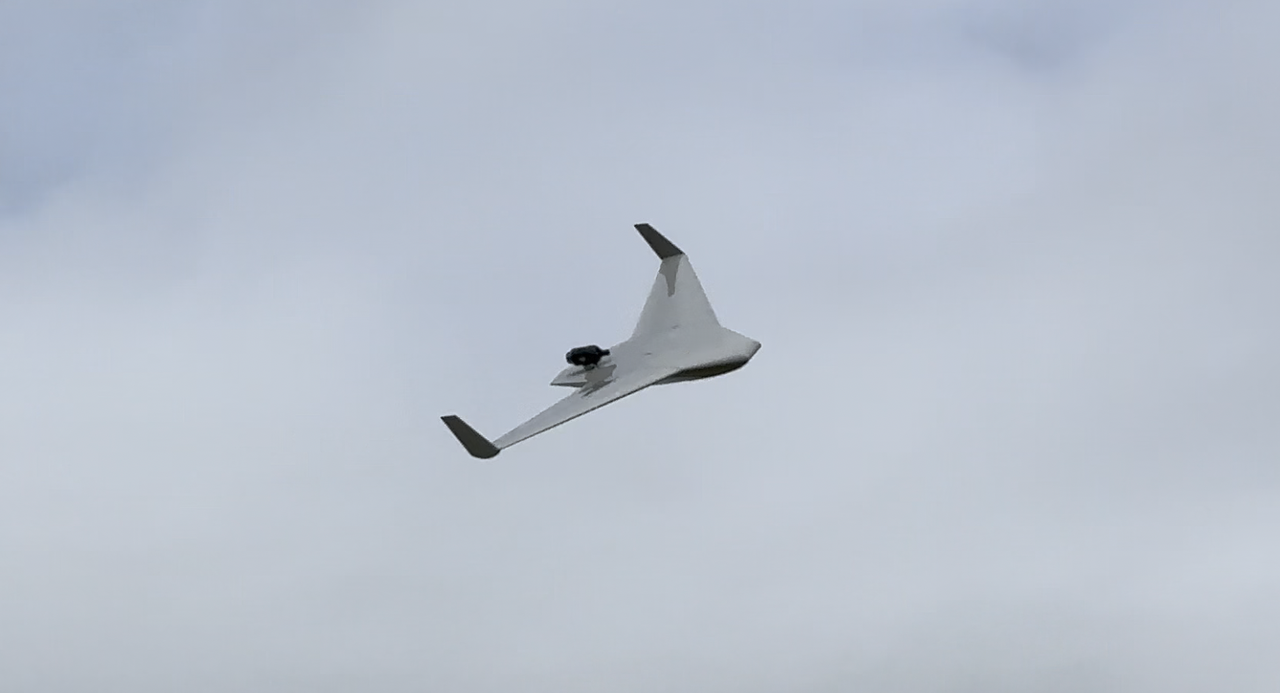
The Veloce 330 has performance characteristics similar to those of the Rodeur 330; however, thanks to its jet engine, it achieves a higher maximum speed of up to 400 km/h. This increase in speed comes at the cost of reduced endurance and maximum range—a range of 100 km and a flight time of 40 minutes at a cruise speed of 200 km/h.
The company has already signed an agreement with a “major player in the automotive industry” for the final assembly of the drones. It is noted that this is not Renault, but rather a large, partly French industrial group.
The stated production targets are 10,000 units in 2028, 100,000 in 2029, and one million in 2030. This would be possible provided there are sufficient orders and, most likely, the use of manufacturing facilities outside France.
Підтримати нас можна через:
Приват: 5169 3351 0164 7408 PayPal - [email protected] Стати нашим патроном за лінком ⬇
Subscribe to our newsletter
or on ours Telegram
Thank you!!
You are subscribed to our newsletter