

Popular
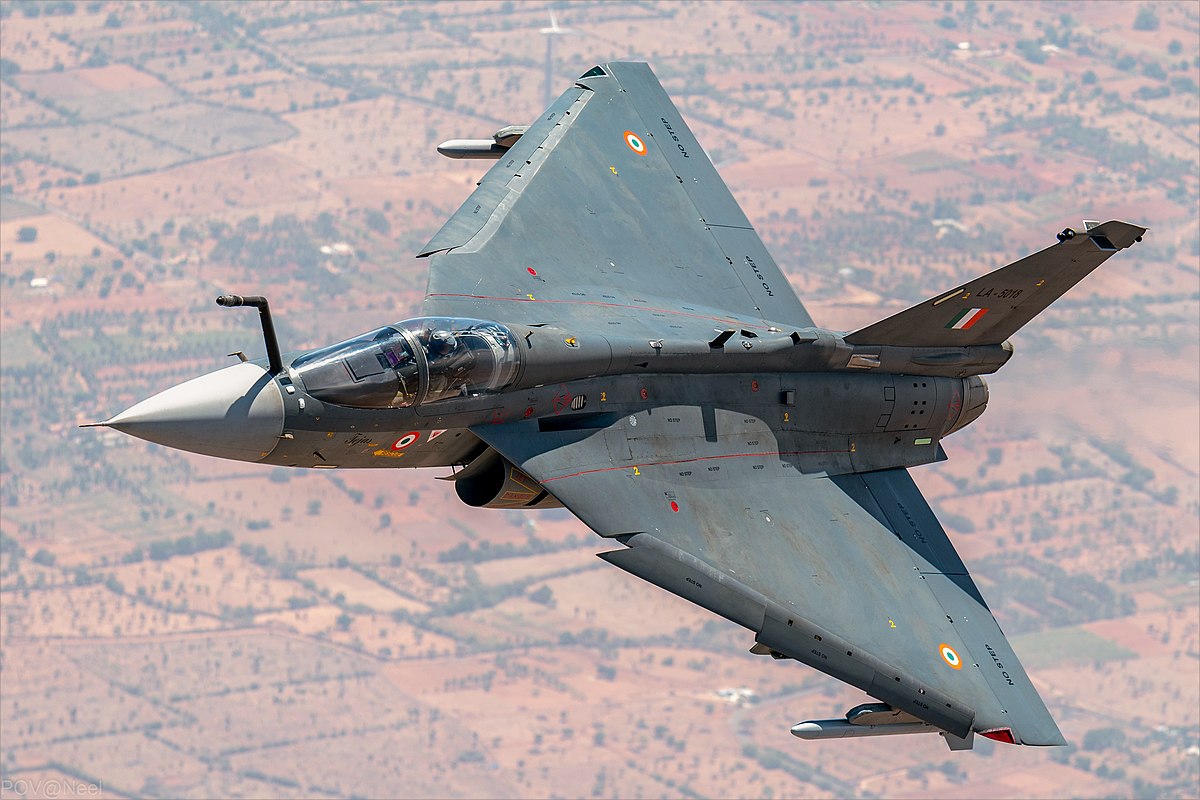
A Tejas light fighter jet crashed in India during landing following a training flight in early February 2026.
The Economic Times reported the incident, citing its sources.
The crash occurred at an Indian Air Force base. The pilot ejected safely and sustained no serious injuries. The aircraft suffered significant damage and is likely to be taken out of service. The Air Force has launched an investigation and is conducting comprehensive checks across the entire Tejas fleet.
According to the manufacturer and defense authorities, the accident involved a single-seat LCA version. The Air Force currently operates about 32 units of the Mk-1 series.
Meanwhile, the order for the modernized Mk-1A version stands at approximately 180 aircraft, but developers have repeatedly delayed delivery schedules.

This crash follows a series of accidents over the past two years. The first major incident occurred on March 12, 2024, near Jaisalmer during a training flight; the pilot ejected safely.
In November 2025, a Tejas fighter crashed during a demonstration at the Dubai Airshow. That crash killed the pilot and raised concerns about the program’s reliability.
The Tejas program has faced problems and delays for over 30 years. Recent statements from senior officials in the Indian Ministry of Defense underline the program’s ongoing difficulties.
Air Marshal Amarpreet Singh expressed concern in 2025 about HAL’s failure to meet deadlines, noting that the corporation has yet to complete any projects on time.
Bureaucracy and ineffective supplier management have slowed decision-making. Despite promises to deliver 11 Tejas Mk1A aircraft by early 2025, inspections found no finished fuselages.

A Comptroller and Auditor General (CAG) report identified 53 major deficiencies in the Mk-1 version that reduce combat capability. Key issues include:
Heavy reliance on Western components has compounded the program’s problems. India abandoned its Kaveri engine project due to technical barriers and funding constraints, and instead relied on General Electric F404 and F414 engines. During 2024-2025, the U.S. delayed F404 deliveries by more than two years due to supply chain disruptions.
In 2025, HAL decided to equip 83 Mk1A aircraft with Israeli ELTA EL/M-2052 radars instead of the Indian Uttam system, creating additional challenges:
The Dubai Airshow crash in November 2025 further damaged the aircraft’s export image. Piloted by Namanshah Syal, the Tejas entered an uncontrolled dive during a low-altitude turn under negative Gs. For the statically unstable Tejas platform, any delay in the fly-by-wire system under such conditions can be fatal.
Підтримати нас можна через:
Приват: 5169 3351 0164 7408 PayPal - [email protected] Стати нашим патроном за лінком ⬇
Subscribe to our newsletter
or on ours Telegram
Thank you!!
You are subscribed to our newsletter