



Popular
On the night of March 17, the 123rd Aircraft Repair Plant in Staraya Russa of the Novgorod region came under attack.
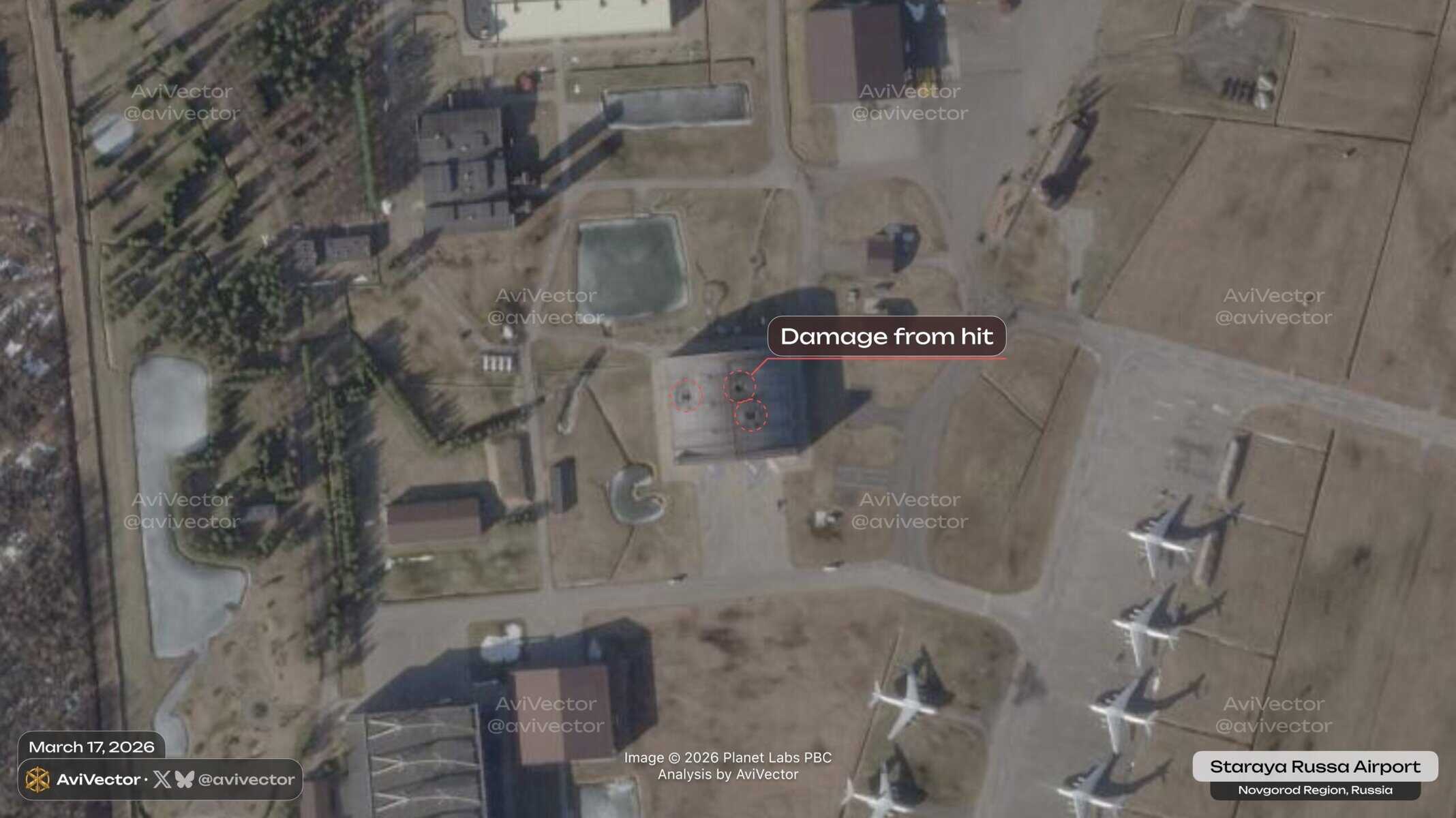
Satellite images taken on March 17 at 13:14 UTC and shared by aviation monitoring analysts AviVector on X show that at least nine Il-76 military transport aircraft were at the airfield. The images also indicate damage to a maintenance hangar.
The facility focuses on repairing, upgrading, and servicing military transport aircraft used by the Russian Aerospace Forces.
In particular, the plant works with Il-76, Il-78, and L-410 aircraft, and also repairs D-30KP and AI-20 engines, as well as auxiliary power units.
In addition, the facility services propellers of the AV-68 and AV-72 types.
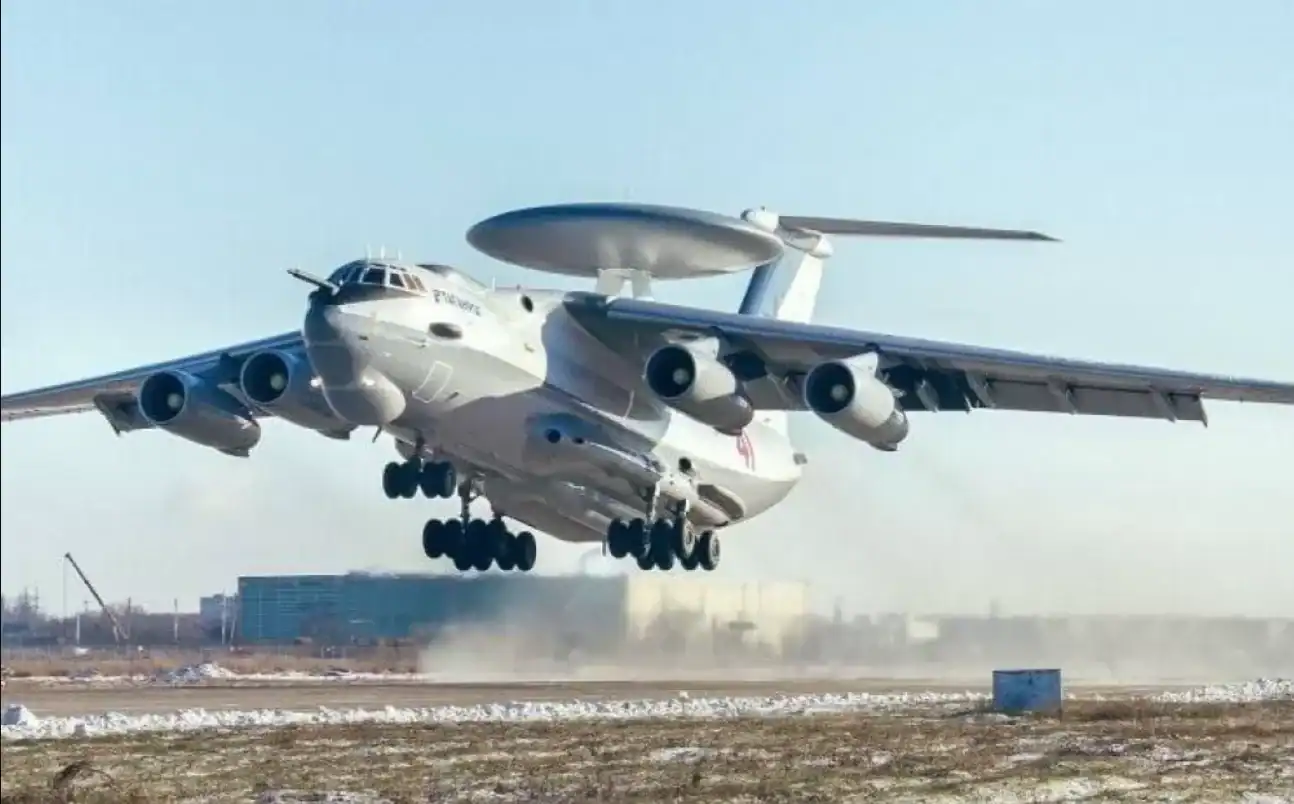
According to Russian monitoring resources, two A-50 airborne early warning and control (AEW&C) aircraft may have been present at the plant.
Post-strike satellite images show at least three hits on one of the facility’s hangars.
The hangar in question was built in 2017 and was used for servicing aircraft, including Il-76 planes.
Meanwhile, two decommissioned A-50 aircraft without radar domes, as well as at least five decommissioned Il-76s, are also located on the airfield.
There are currently no reports confirming whether any operational aircraft that may have been at the facility were damaged or destroyed.
Amid the attack, further redeployment of Russia’s strategic aviation between airbases has also been observed, which may indicate efforts to reduce the vulnerability of its aircraft fleet.
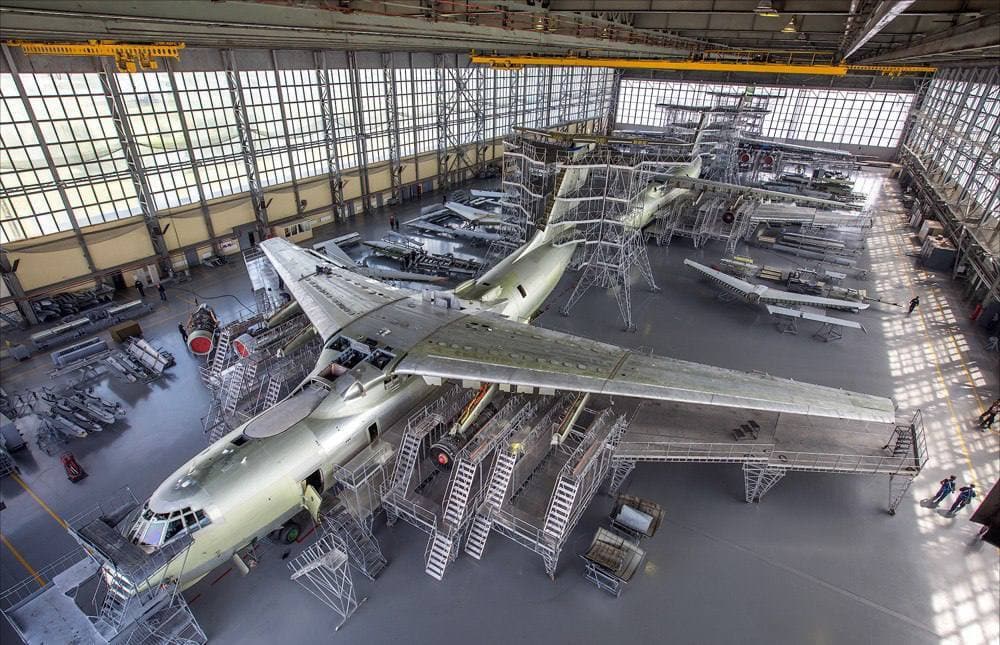
A-50 airborne early warning and control (AEW&C) aircraft are a key element of Russia’s air surveillance and control system.
They serve as ‘flying radars,’ detecting aerial targets at long distances, coordinating fighter aircraft operations, and transmitting data to air defense units.
This allows A-50 aircraft to help Russian forces respond in a timely manner to aerial threats, including Ukrainian aircraft flights and the use of cruise missiles.
These aircraft also play an important role in detecting low-altitude targets, which are more difficult for ground-based radars to track.
The number of such aircraft in Russia is limited, and their production or deep modernization requires significant time and resources.
That is why each strike on, or even damage to, an A-50 has a disproportionately large impact on Russia’s aviation capabilities.
The loss or temporary disabling of such aircraft reduces the effectiveness of air operation management and complicates coordination between forces in the air.
It is worth noting that Russia has recently postponed the resumption of serial production of A-50 airborne early warning and control (AEW&C) aircraft.
Підтримати нас можна через:
Приват: 5169 3351 0164 7408 PayPal - [email protected] Стати нашим патроном за лінком ⬇
Subscribe to our newsletter
or on ours Telegram
Thank you!!
You are subscribed to our newsletter