


Popular
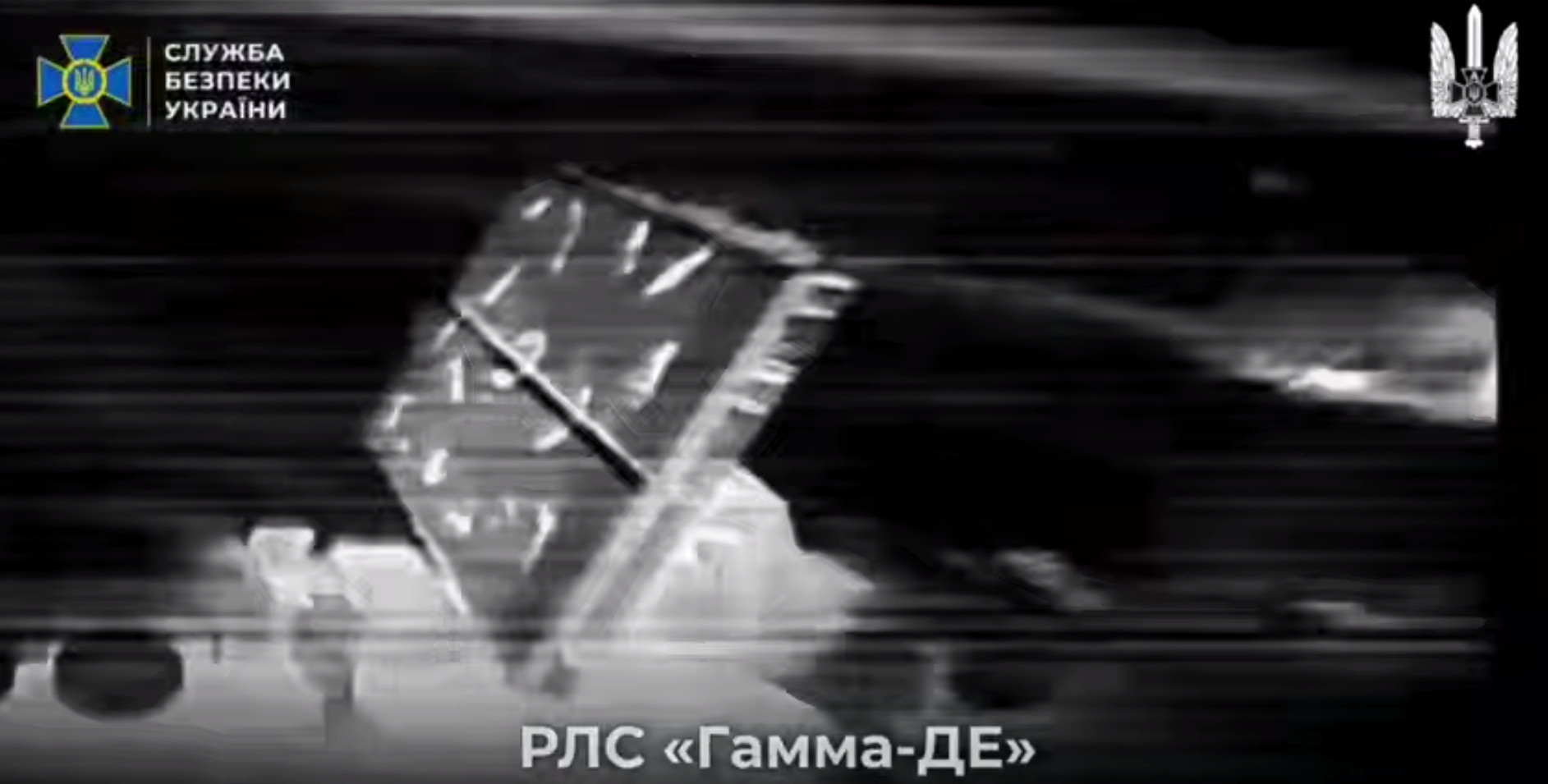
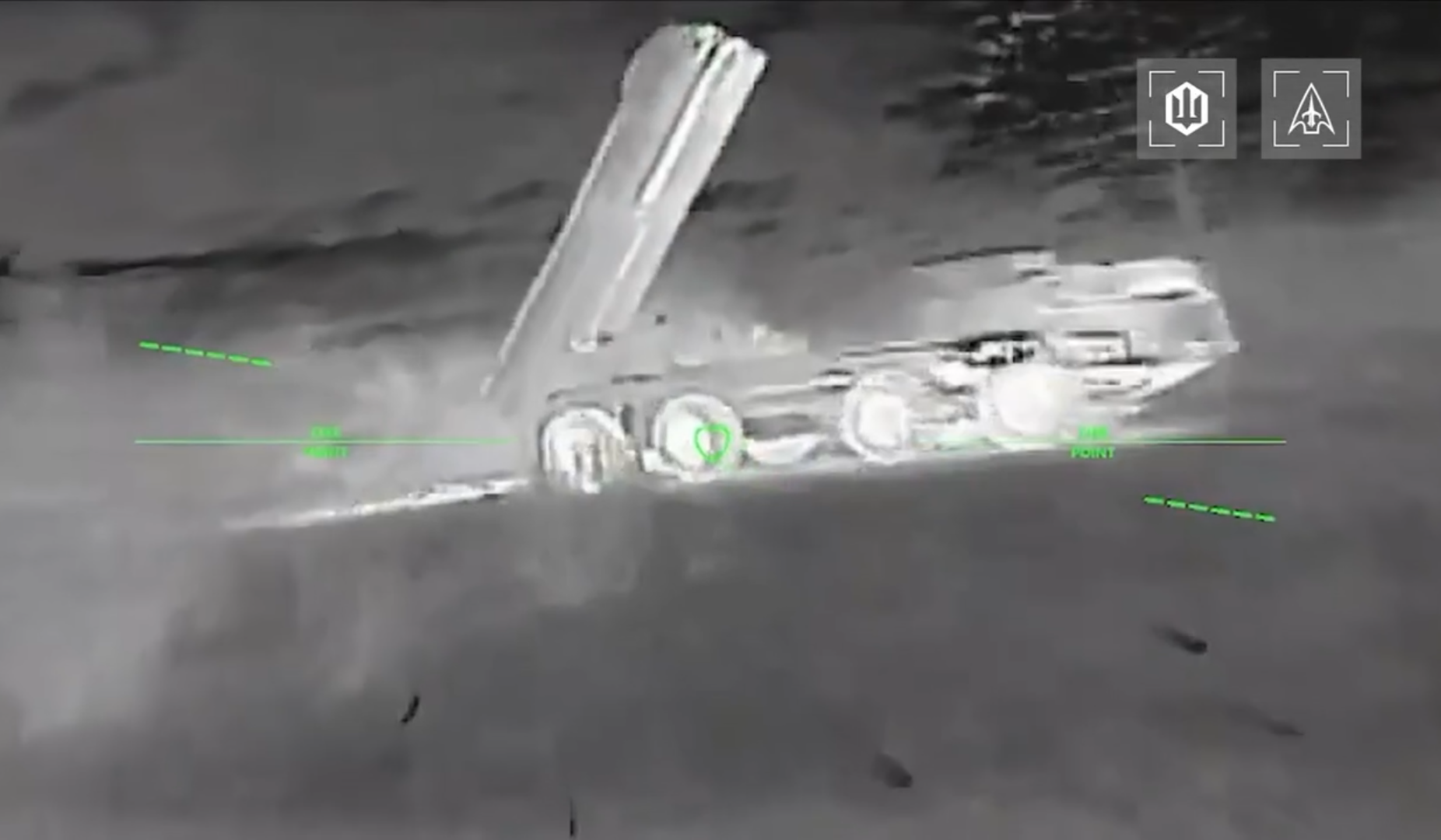
The Security Service of Ukraine destroyed rare Russian Gamma-D and Protivnik-GE radars using drones in 2025.
The SBU published video footage of the strikes on its social media platforms.
The Gamma-D is a three-dimensional radar system developed in 1997 by the Moscow-based All-Russian Scientific Research Institute of Radio Engineering. It is produced in two variants: the 64L6 operating in the centimeter band and the 67N6 operating in the decimeter band. The radar is equipped with an active electronically scanned array (AESA).
«Альфа» СБУ у 2025 році відмінусувала вороже ППО на $4 млрд
➡️ https://t.co/PgMQuShnS2 pic.twitter.com/zwHvh8ltNr
— СБ України (@ServiceSsu) January 19, 2026
The first version of the Gamma-D radar had a maximum detection range of 360 km at an altitude of up to 30 km. Its deployment time was up to 90 minutes.
It was designed to detect and track high-altitude, low-observable missiles in conditions of intense electronic warfare and various types of interference.
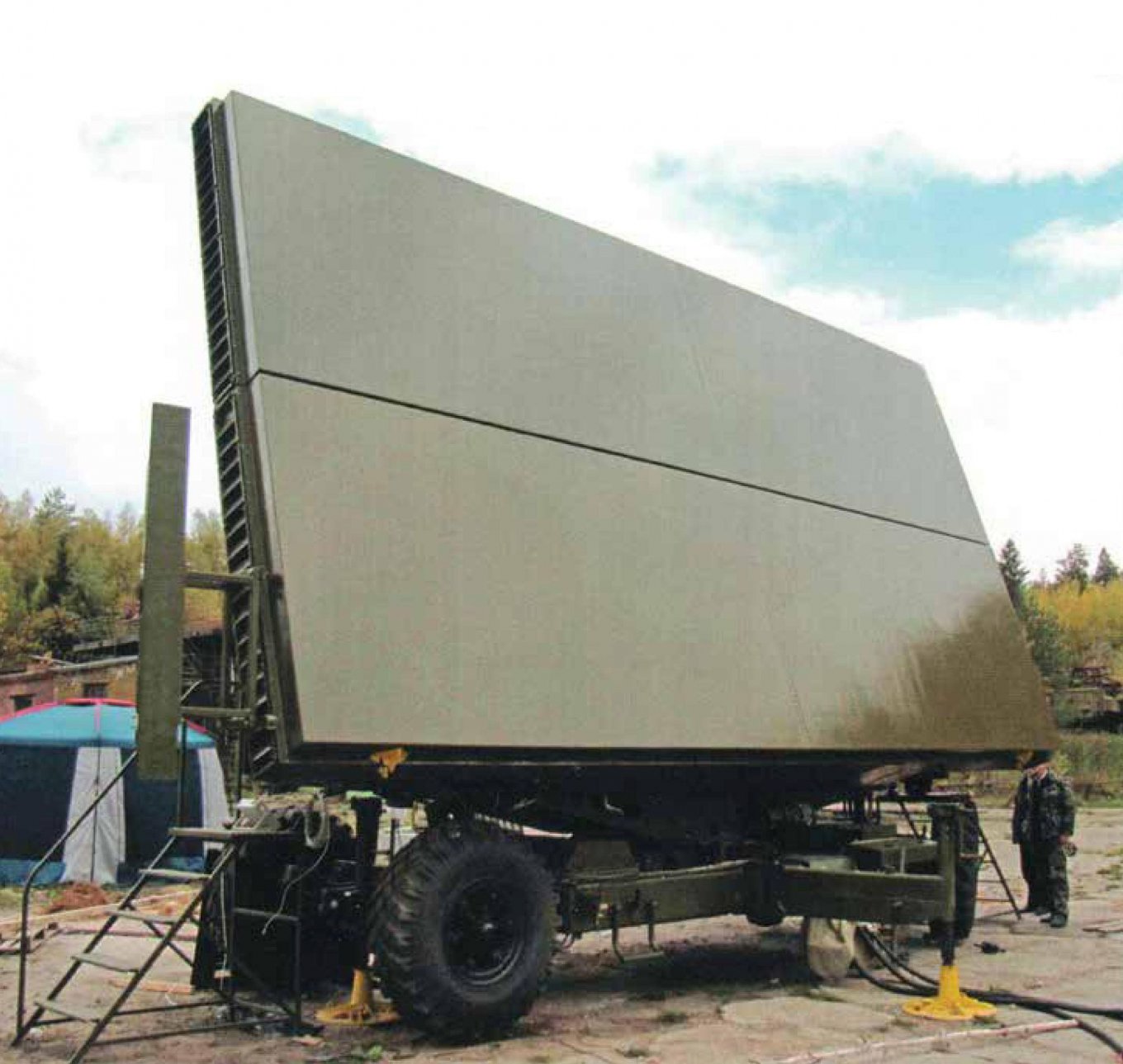
The station can operate continuously for up to 72 hours. It is mounted on a trailer and operated by a crew of five. There were also reports of a version installed on a MAZ-543M heavy truck.
In 2013, an upgraded version known as the Gamma-DM was introduced. Its external design was changed, replacing the curved radome with a flat one, the detection range was increased to 400 km, and the crew size was reduced to three personnel.
This is the first radar of this type confirmed lost by Russia. It is likely that Russia possesses only a few experimental units.
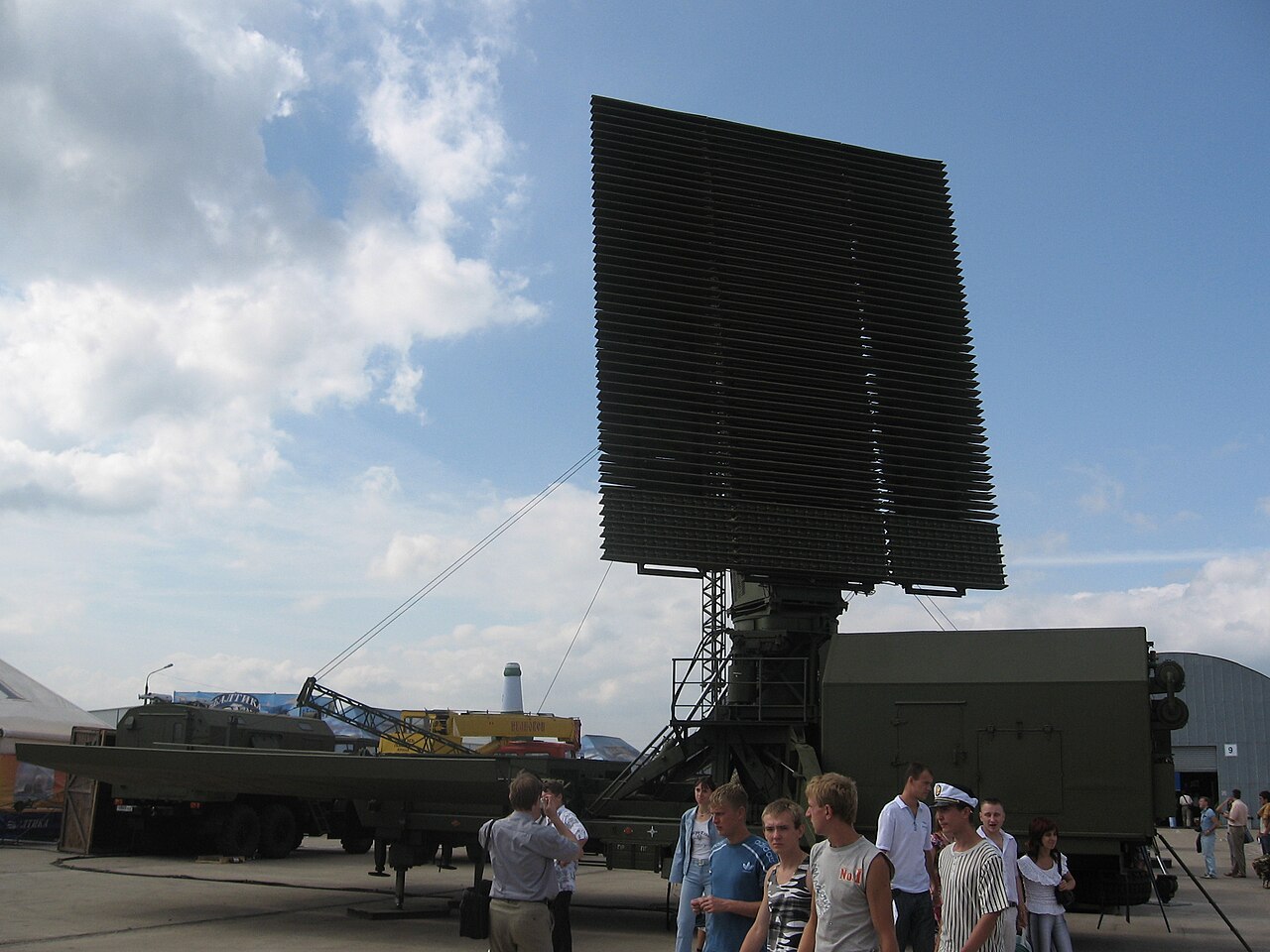
The 59N6-E Protivnik-GE radar was developed in the 1990s at the Nizhny Novgorod Research Institute of Radio Engineering under the original name Vetluga. It is capable of detecting stealth aircraft at ranges of up to 200 km. The system can also detect and track other targets at altitudes of up to 200 km and at a maximum range of 400 km, enabling the detection of low-Earth-orbit satellites in near space. The radar is equipped with an active electronically scanned array (AESA).
In addition to three-dimensional tracking, the Protivnik-GE determines a fourth parameter – radial velocity – which allows it to filter out false targets. All equipment is mounted on two KhMAZAP-93867 trailers, one for the antenna and one for the electronics. A newer version, the 59N6-T, is mounted on a KAMAZ-6560 truck.
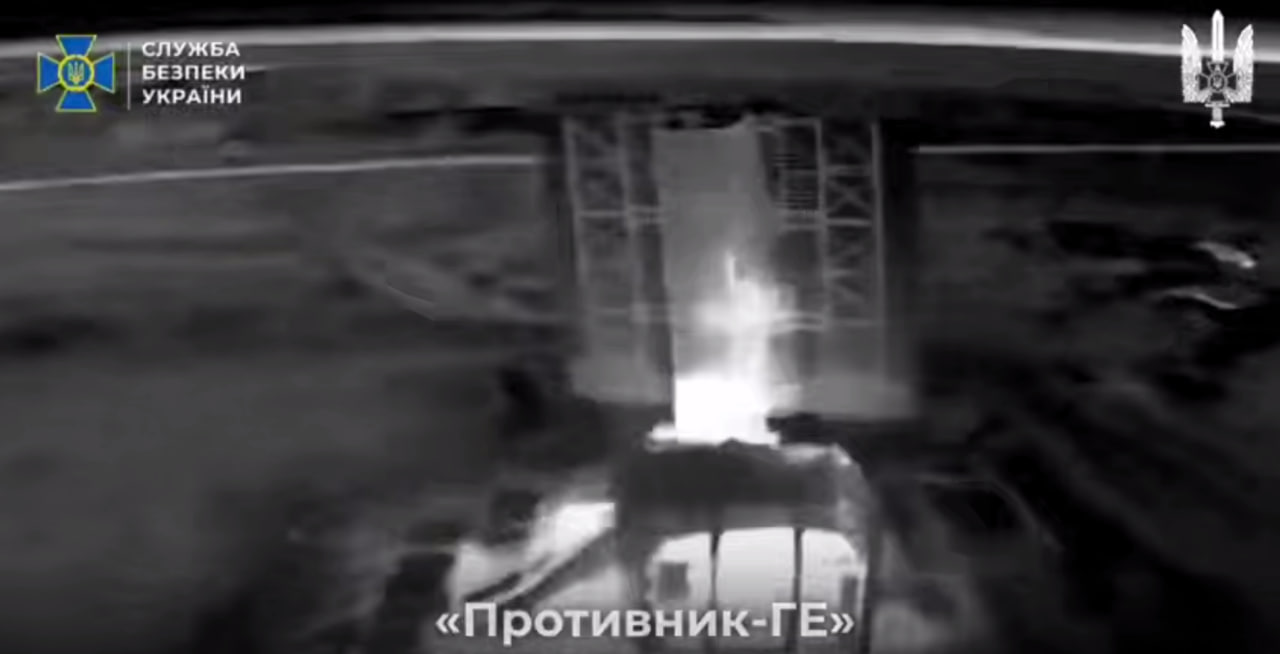
There is also a 59N6-1 variant, which gained the capability to detect ballistic targets at altitudes above 100 km and at ranges of up to 340 km, as well as aeroballistic targets at altitudes of up to 50 km and at ranges of up to 400 km. These capabilities were likely also integrated into the 59N6-T version.
It is known that Russia has at least 13 such radar stations, while Belarus has ordered seven units.
Підтримати нас можна через:
Приват: 5169 3351 0164 7408 PayPal - [email protected] Стати нашим патроном за лінком ⬇
Subscribe to our newsletter
or on ours Telegram
Thank you!!
You are subscribed to our newsletter