




Popular
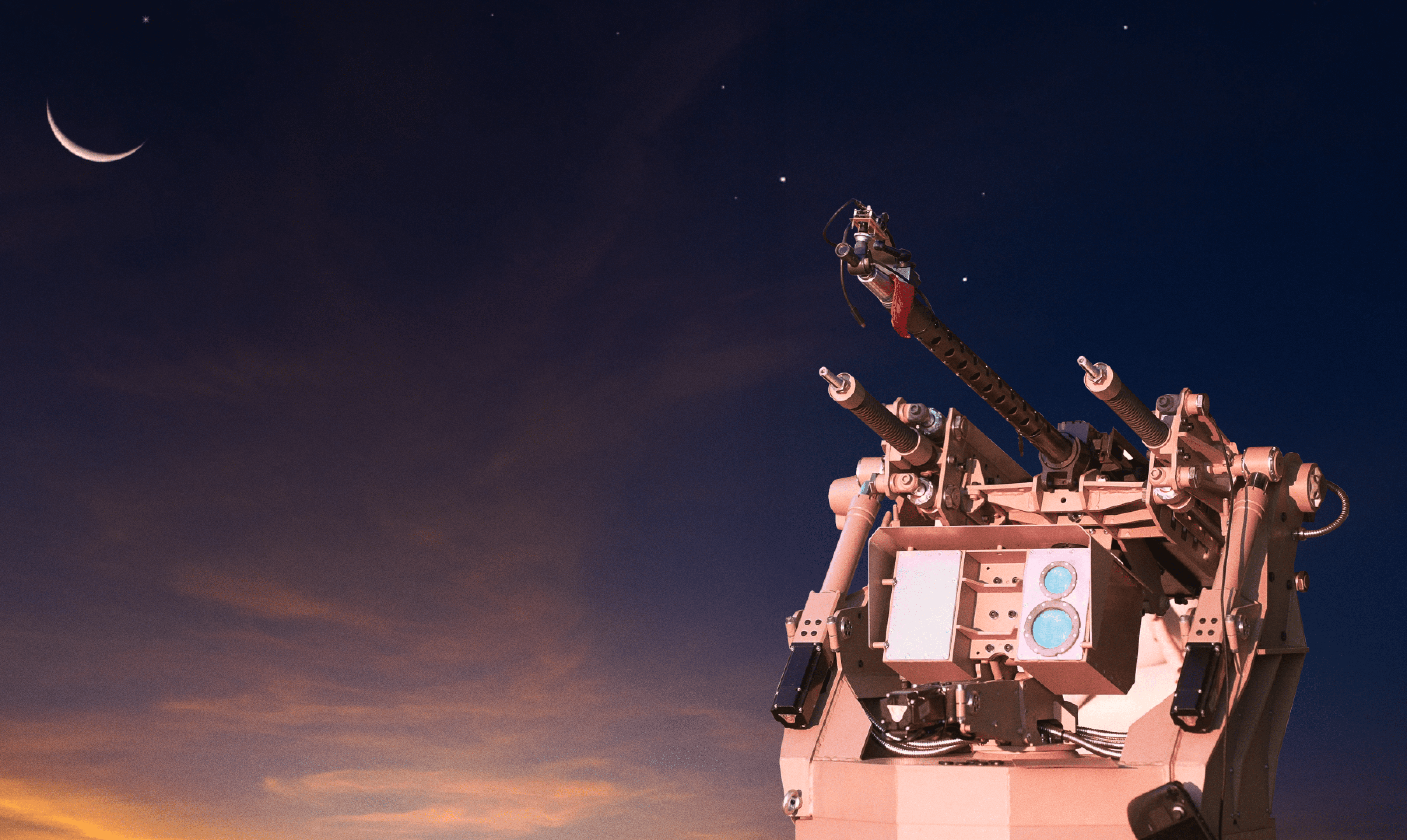
The fully automated Sky Sentinel turret, controlled by artificial intelligence, has already shot down the first Russian drones and is preparing for serial production.
United24 media reported on this.
Ukrainian developers created the autonomous combat module controlled by algorithms to protect Ukrainian cities from Russian strike drones. And it has to do this independently, without human intervention.
“Human intervention, such as a soldier manually aiming the turret, is unnecessary. Deploy Sky Sentinel into combat position, feed it radar data, and it will do the rest: detect, lock on, track flight paths, calculate the shot, and fire. All on its own,” the developers shared.
Sky Sentinel is equipped with a large-caliber M2 Browning machine gun and a system of sensors that allow it to monitor the sky for targets around the clock.

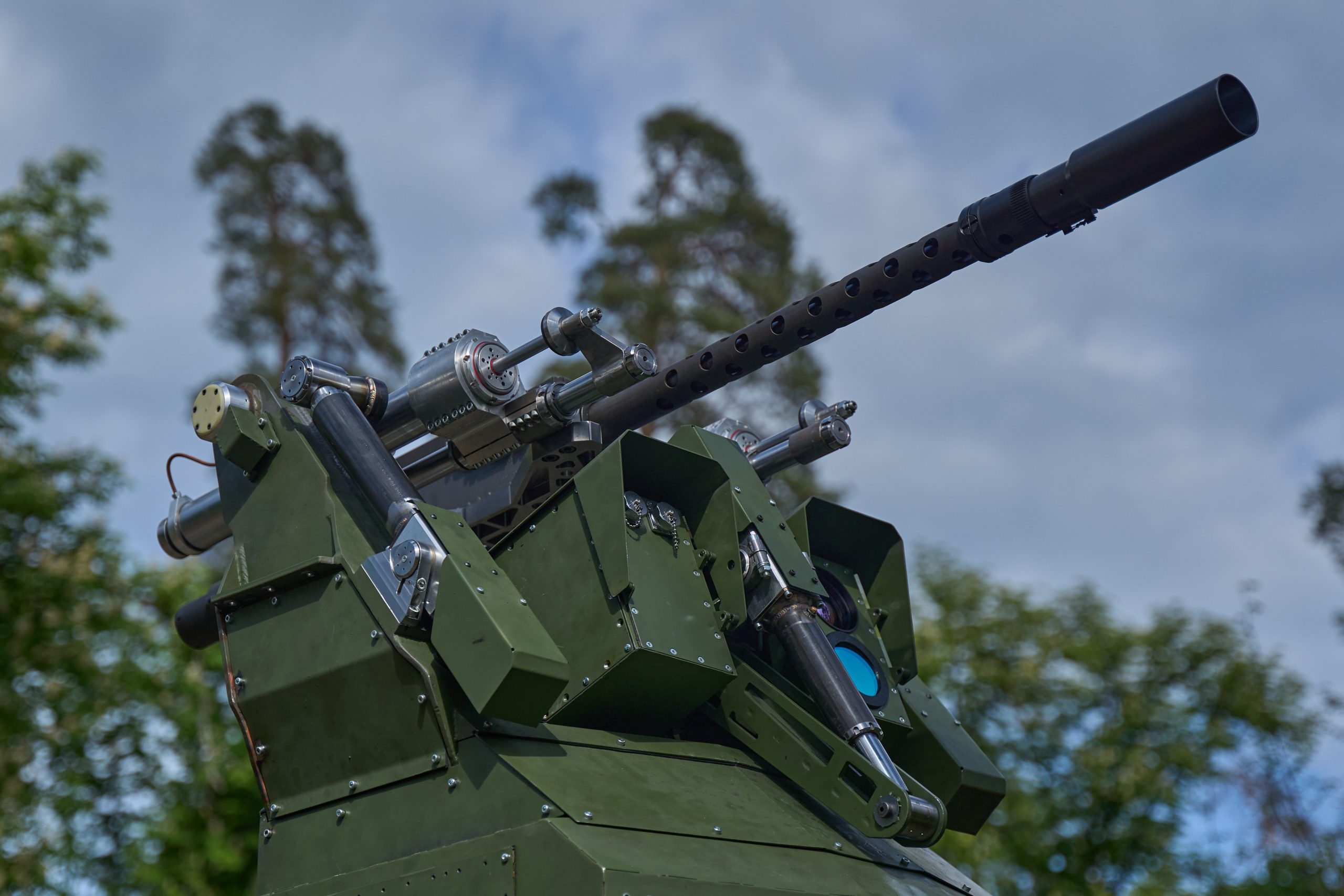
The developers note that the turret’s characteristics allow it to intercept small, fast-moving targets traveling at speeds of “200, 400, and even 800 kilometers per hour.” This is enough to shoot down a slow-moving strike drone such as the Shahed-136 or even an object half its size.
The Sky Sentinel’s stated specifications also theoretically make it possible to intercept subsonic cruise missiles such as the Russian Kalibr or Kh-101.
Its maximum range remains classified, but the M2 machine gun’s effective range against air targets is 1,500 meters.
Each turret costs about $150,000. According to the developers, 10 to 30 turrets are needed to protect a city effectively. They consider their mass deployment to be cost-effective, as one unit is cheaper than a conventional interceptor missile used in traditional air defense systems.
Sky Sentinel manufacturers say that every step in the target interception process is a technical challenge in itself. First, the turret must distinguish between a bird and a drone and not target sparrows. Next, it needs to lock onto the target. After that, things get even more complicated: it must calculate the drone’s speed, take wind resistance into account, and predict the exact collision point between the bullet and the drone — all in real time.
The lead engineer points out one critical issue that few people outside the industry think about: “One of the biggest engineering challenges for this type of weapon is what’s called ‘backlash’—mechanical play.”
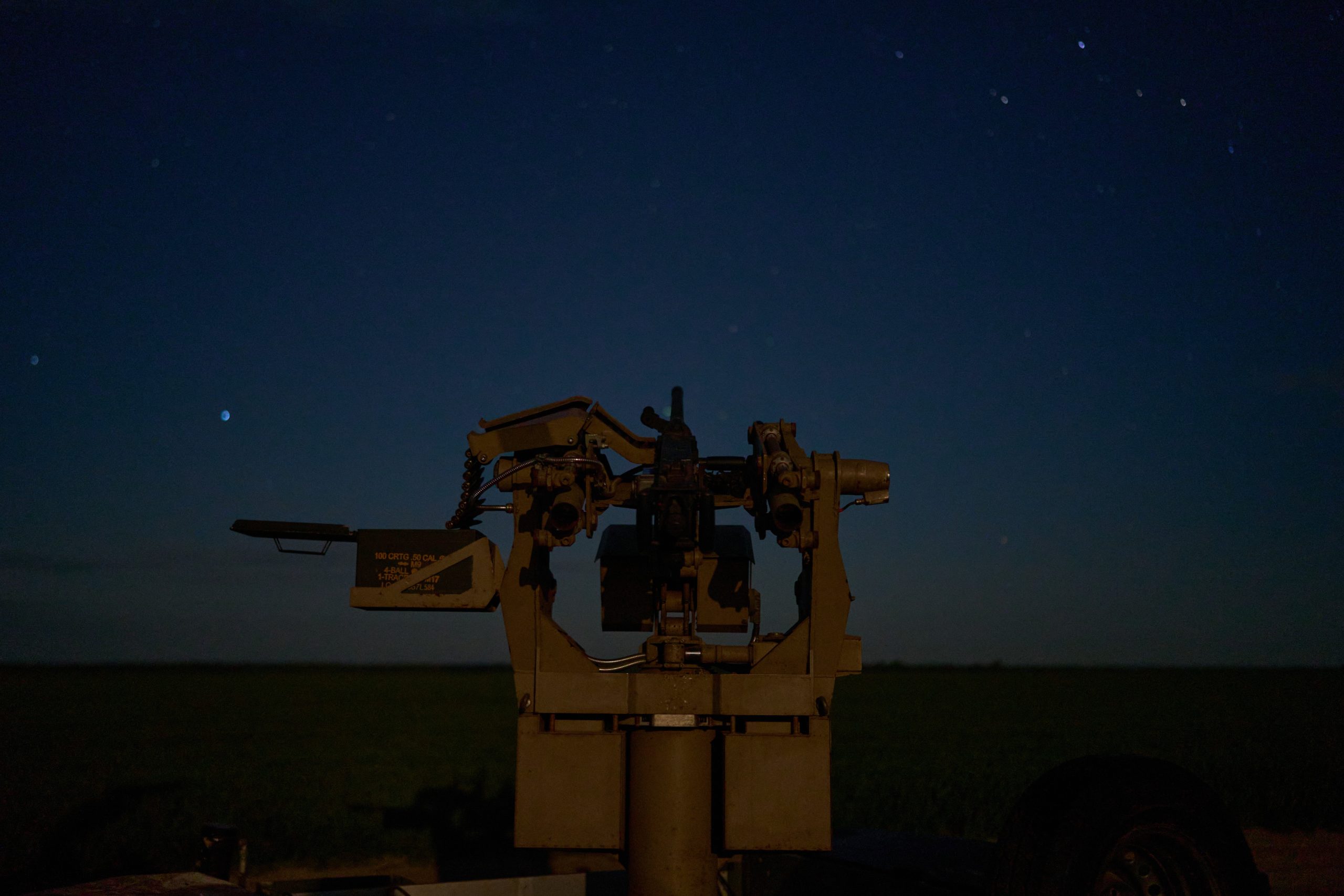
Even a slight misalignment of the turret mechanisms by a single millimeter can result in an aiming error of several tens of meters. Such an error makes high-precision firing impossible, regardless of how well the rest of the system works.
“We had to create a system that performs a multitude of movements with zero mechanical backlash,” explained one of the engineers. “And not just move, but also shoot. This means that it also has to cope with recoil.”
The Sky Sentinel’s mechanics were developed and fully tested in Ukraine, at test sites and in real combat conditions. One prototype has already seen combat on the front lines and successfully shot down four Shahed drones.
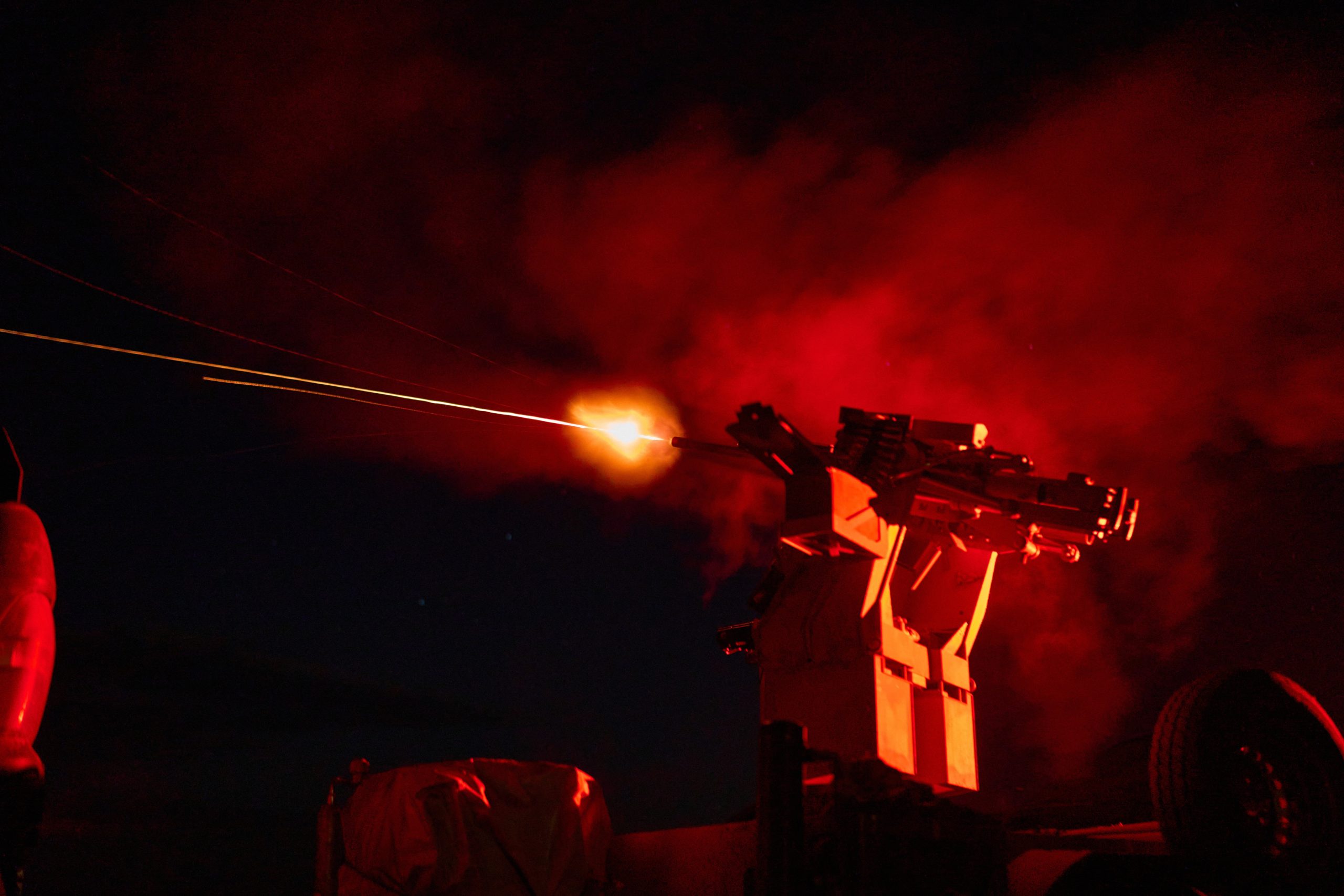
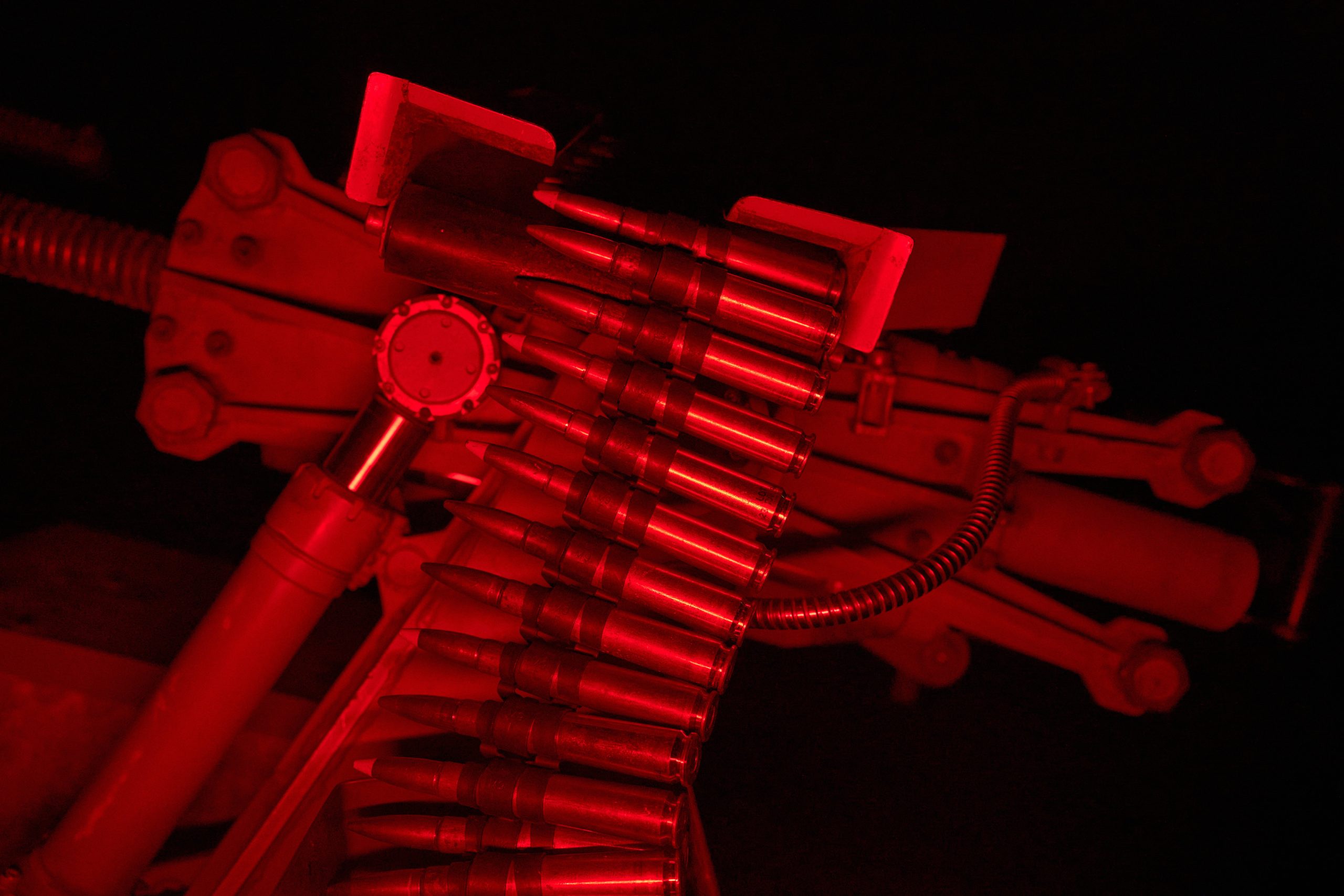
Sky Sentinel uses foreign-made optical devices and rangefinders — critically important systems for which Ukraine has no domestic equivalents. Software written entirely by Ukrainian engineers controls the entire system.
The development team is currently focused on increasing production to dozens of units per month. This is also a difficult task. With single prototypes, it is easier to identify and correct mechanical play. In mass production, this is more difficult. “But it is absolutely possible,” the lead developer says.
Підтримати нас можна через:
Приват: 5169 3351 0164 7408 PayPal - [email protected] Стати нашим патроном за лінком ⬇
Subscribe to our newsletter
or on ours Telegram
Thank you!!
You are subscribed to our newsletter