


Popular
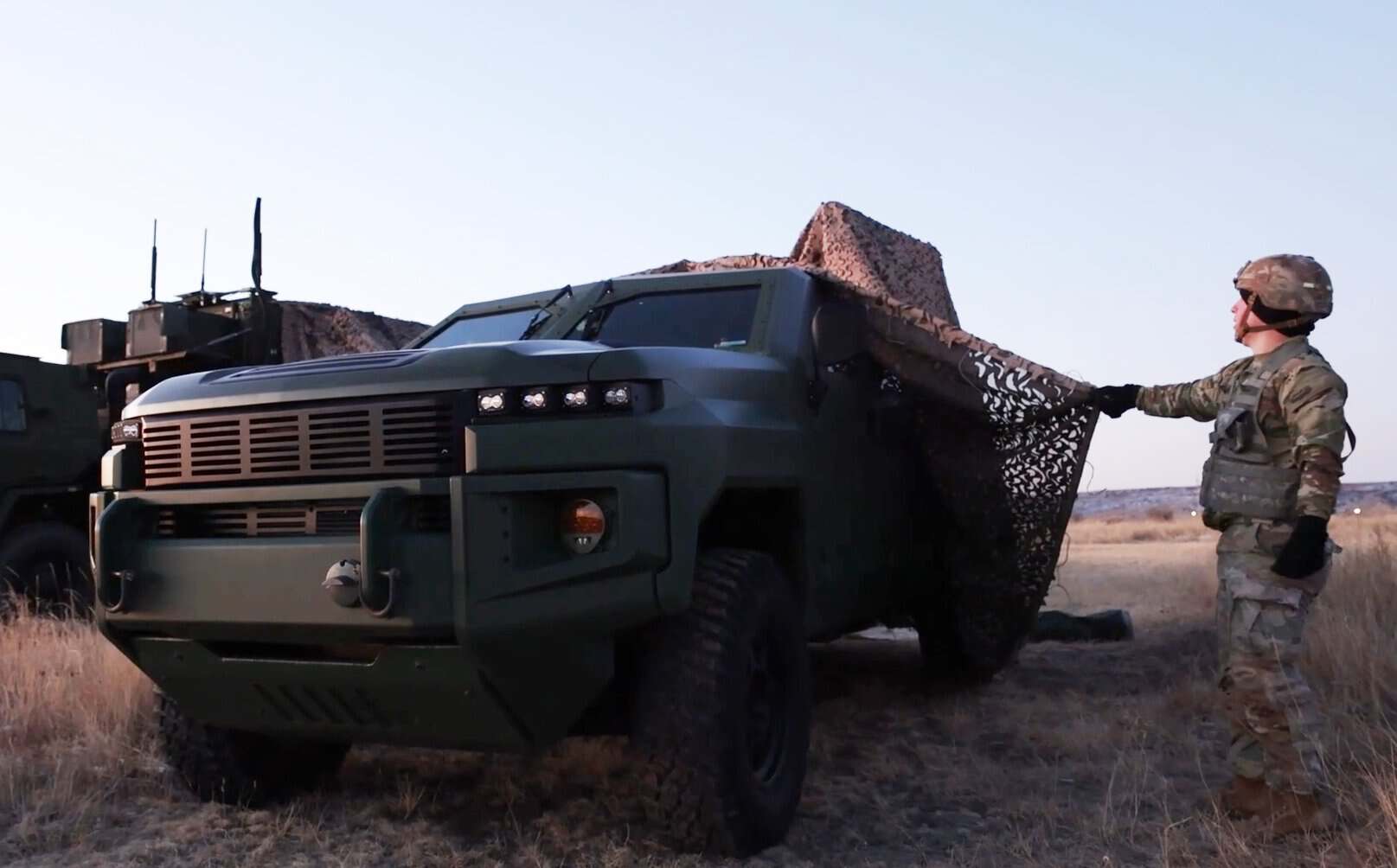
The US Army has announced a competition for a new heavy version of its Infantry Squad Vehicle.
Defence Blog reported that the focus of the requirements is the Infantry Squad Vehicle–Heavy, or ISV-H, which the Army plans to use not only for transporting personnel but also as a mobile command and combat support platform.
The Army is seeking a system capable of rapidly moving over long distances, deploying via air, sea, and land, and maintaining communications and combat systems while on the move.
The vehicle is intended for use at the division and brigade levels, where mobile units are increasingly operating in smaller, dispersed formations.
Procurement documents indicate an approved requirement for 606 units, meaning the project has already moved beyond the conceptual stage and is tied to specific military needs.
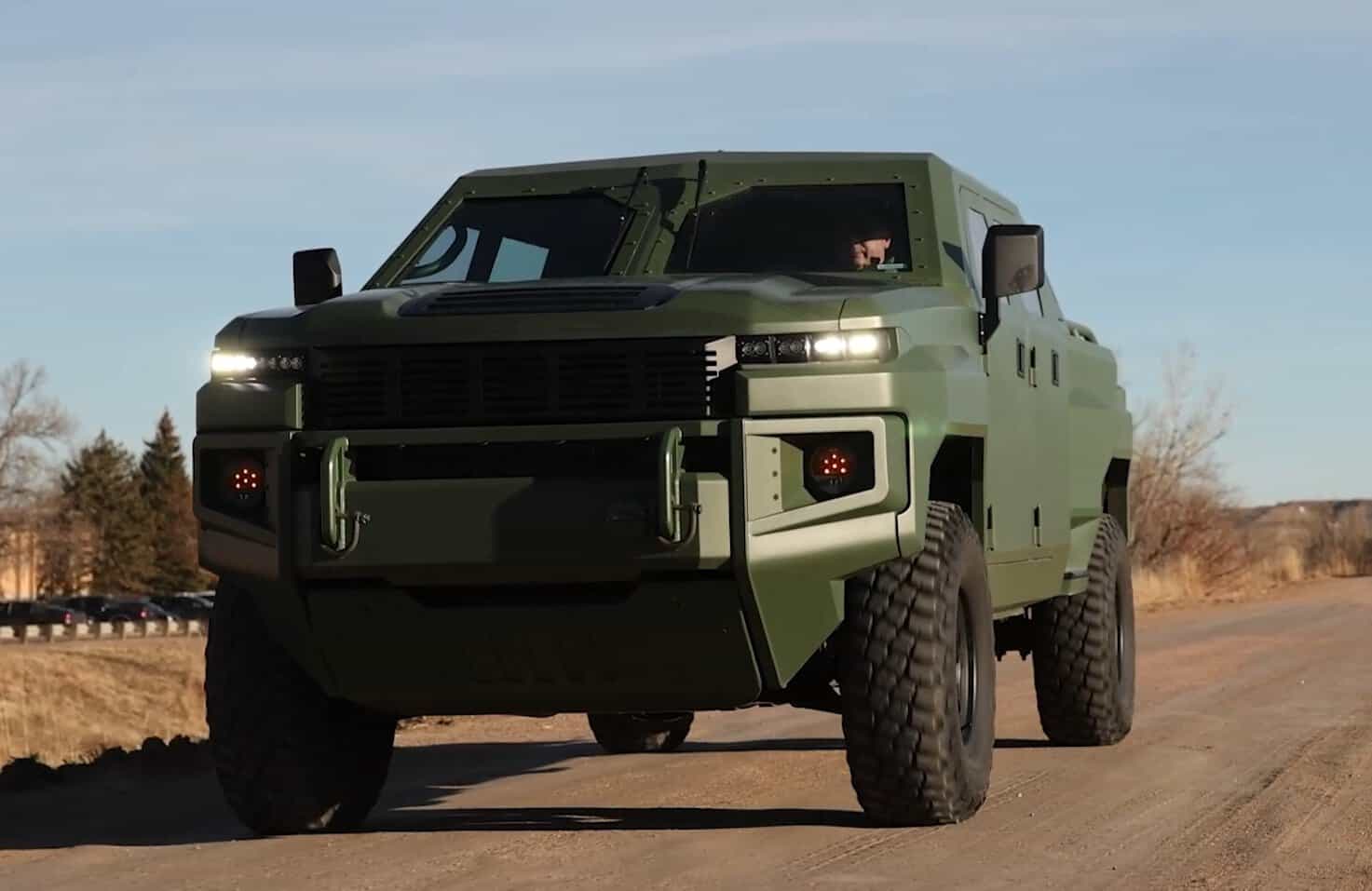
Instead of launching a lengthy development process ‘from scratch,’ the army is prioritizing speed.
The announcement calls for the use of a platform based on commercial or existing technologies, with a focus on reliability rather than deep customization.
The competition is organized in several stages.
The first involves the submission of conceptual documents by companies, followed by presentations, and then full-fledged commercial proposals from selected participants.
Based on the results of this process, the army may award up to three contracts.
The second stage may involve funding for up to three prototypes, with each company required to provide up to three vehicles for testing and evaluation by the military.
If the tests are successful, the Army may proceed directly to mass production.
The ISV-H is designed to transport a six-person crew along with their equipment (total payload up to 1,814 kg) and to tow trailers weighing up to 2,948 kg.
The vehicle must be able to traverse steep slopes, rough terrain, and water obstacles up to 30 inches deep, while remaining air-transportable by C-5, C-17, and C-130 aircraft, as well as via external sling on a CH-47 helicopter.
One of the key requirements is a mobile power source function.
The Army expects the vehicle to provide up to 60 kilowatts of continuous output power, as well as standard 28-volt DC and 120-volt AC outputs.
This power is intended to support communications equipment, unmanned systems, counter-drone systems, radars, electronic warfare systems, and even directed-energy systems.
This clearly demonstrates how the Army envisions future brigade operations. Tactical vehicles are increasingly expected to do more than just transport personnel.
They are becoming mobile hubs capable of carrying sensors, powering systems, supporting command posts, and ensuring network operations closer to the front lines.
The documents also devote significant attention to maintenance. Future manufacturing contracts will likely include Right to Repair provisions, which will grant the army access to manuals, schematics, software, spare parts data, and diagnostic tools.
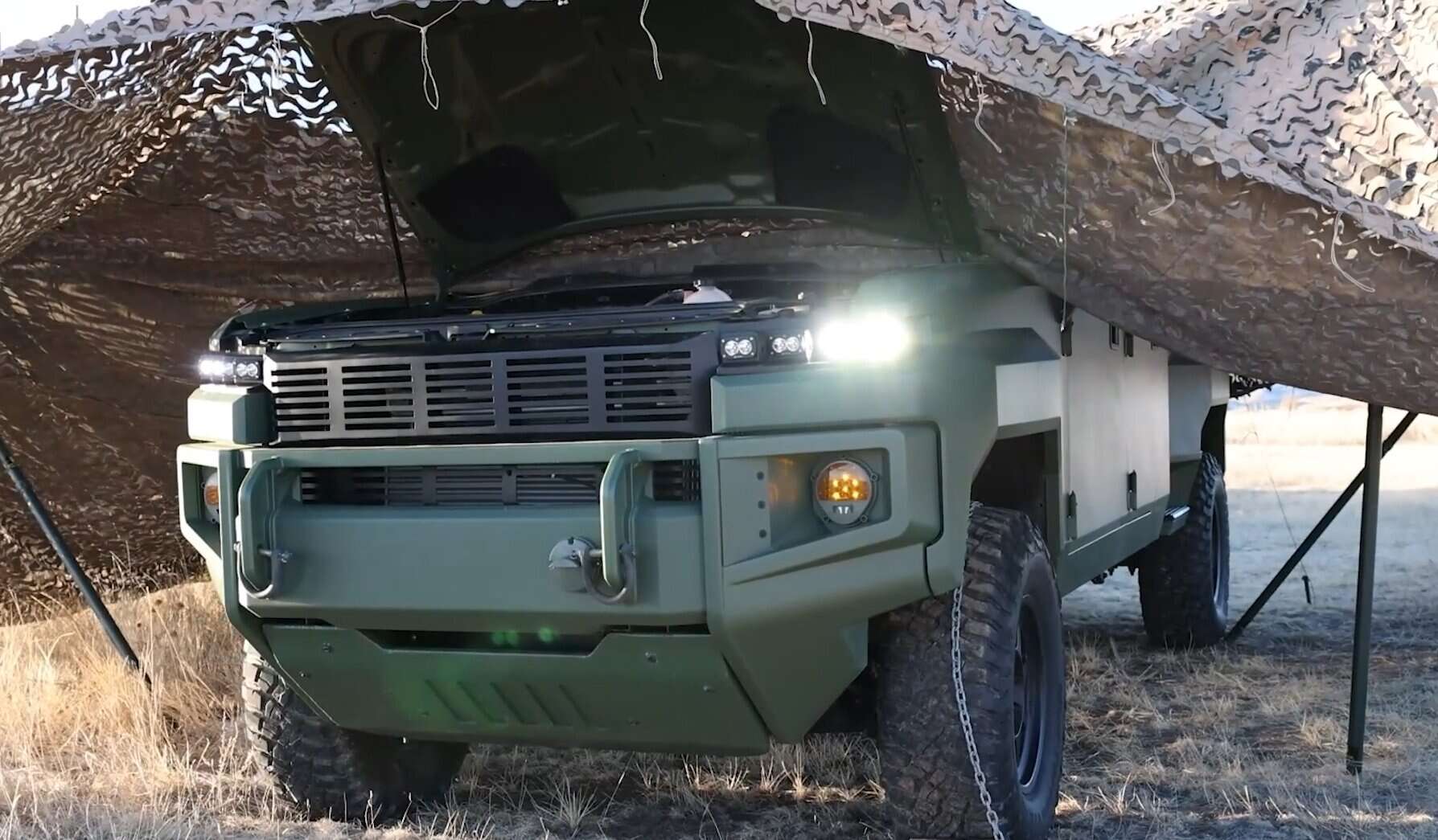
The goal is to ensure that the military can repair and maintain equipment without long-term dependence on the manufacturer.
“This part of the requirements may be particularly important for the industry, as it signals the Army’s desire for broader access to technical data and reduced maintenance costs throughout the entire lifecycle,” noted Defence Blog.
In 2020, the US Army planned to sign a three-year contract to supply more than 1,000 ultra-light vehicles for the infantry under the Infantry Squad Vehicles (ISV) program.
Підтримати нас можна через:
Приват: 5169 3351 0164 7408 PayPal - [email protected] Стати нашим патроном за лінком ⬇
Subscribe to our newsletter
or on ours Telegram
Thank you!!
You are subscribed to our newsletter