




Popular
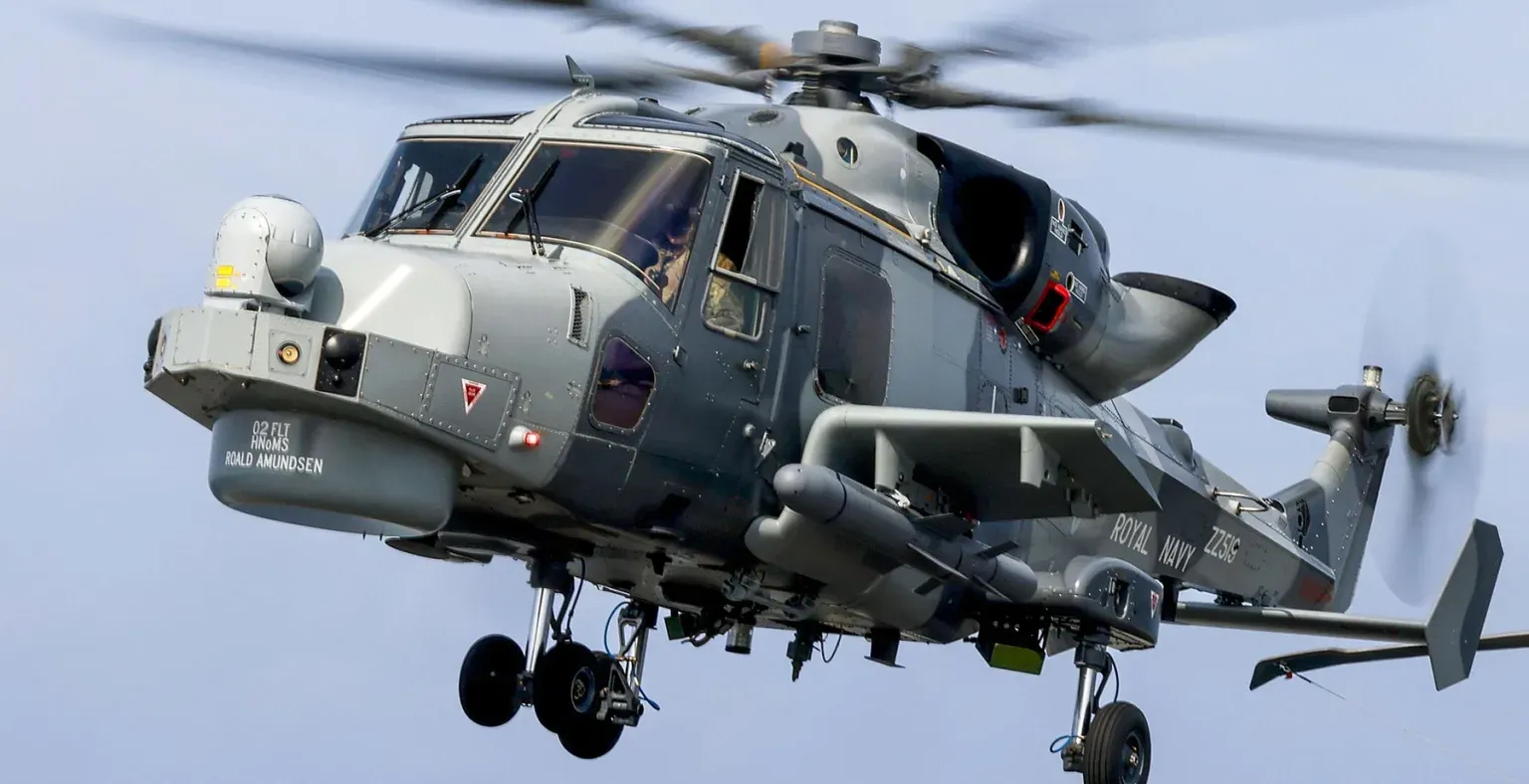
The lightweight anti-ship missile Sea Venom has achieved initial operational capability. It can now be deployed on Royal Navy’s Wildcat helicopters for combat duties.
The UK Defence Journal reported on this.
The Wildcat helicopter can carry up to four Sea Venom missiles, allowing it to engage multiple targets in a single sortie or conduct salvo launches against larger targets.
The missile’s power is sufficient to target major surface combatants, including corvettes and patrol vessels. Meanwhile, Wildcat can also carry the light multi-role Martlet missile, designed for countering boats, smaller vessels, and airborne targets.
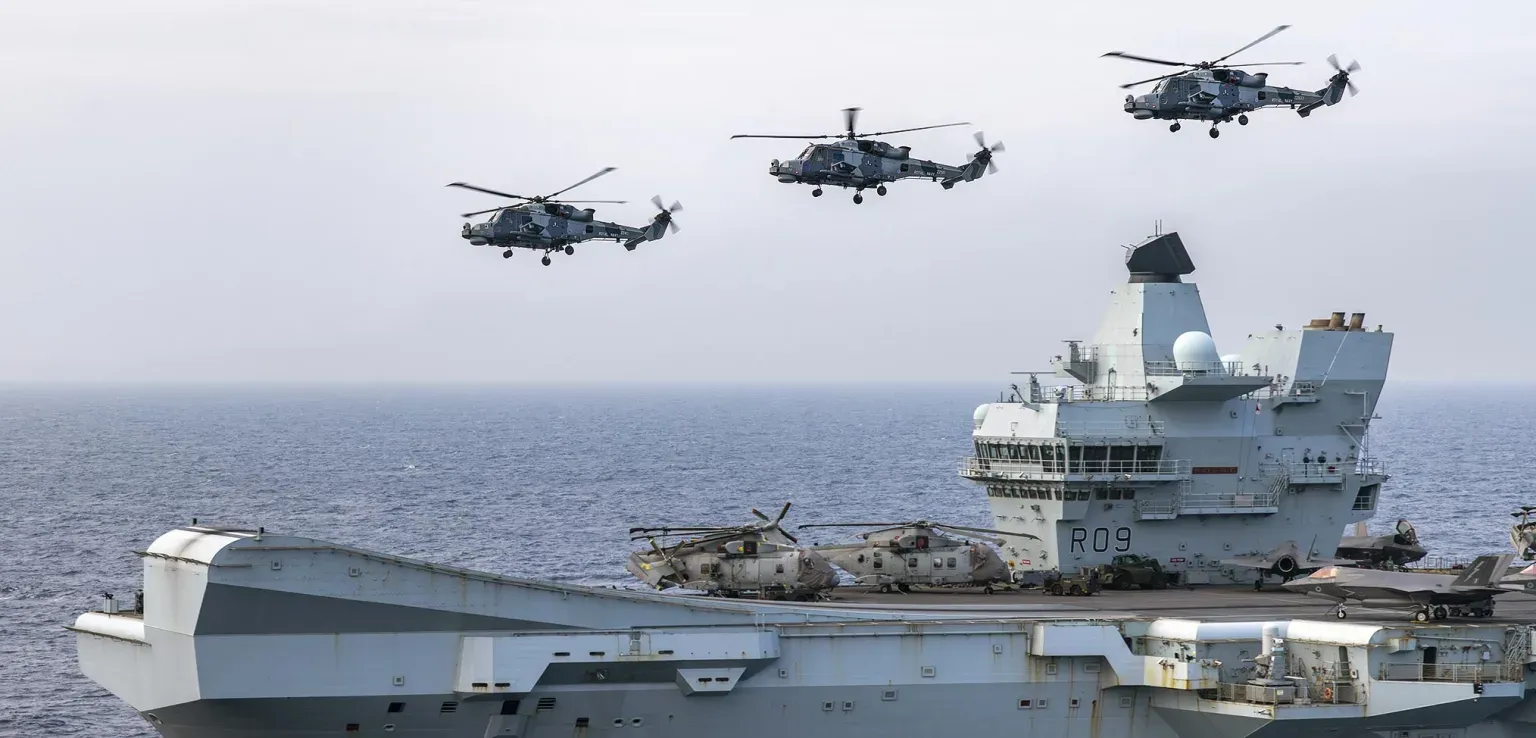
Initial operational capability was achieved during Operation Highmast – a global Indo-Pacific deployment of the Royal Navy, led by the aircraft carrier Prince of Wales. Four Wildcats from 815 Naval Air Squadron, equipped with Sea Venom, are operating from the decks of HMS Prince of Wales, the destroyer HMS Dauntless, and the Norwegian frigate HNoMS Roald Amundsen.
Sea Venom is a joint development between the United Kingdom and France (the French variant is called ANL – Anti-Navire Léger). The first test launches took place in 2017, and in November 2020, MBDA completed the qualification trials for the Sea Venom anti-ship missile.
Initially, it was planned for Sea Venom to achieve initial operational capability on the Wildcat HMA2 by October 2020. However, the program faced a series of issues related to design and integration.
The first Sea Venom missiles, with limited functionality, were delivered for deployment as part of the aircraft carrier strike group CSG21 in 2021.
On October 5th, 2024, the Royal Navy’s Wildcat helicopter successfully conducted the first live-fire missile launches with the Sea Venom.
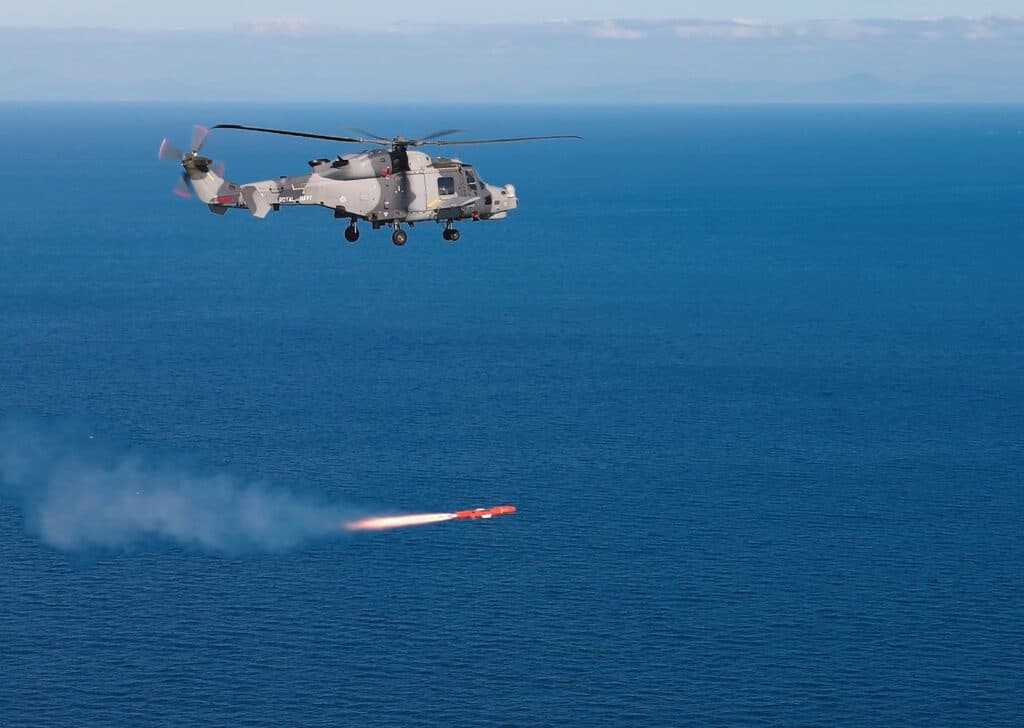
Sea Venom is a subsonic missile weighing 120 kg, 2.5 m long and 200 mm in diameter. It is fitted with a 30‑kg semi‑armor‑piercing high‑explosive fragmentation warhead.
Powered by a two‑pulse solid‑propellant motor, the missile has a range of about 20 km and can fly different mission profiles, including very low‑altitude (sea‑skimming) flight.
The missile employs an ‘operator‑in‑the‑loop’ system, transmitting imagery from its infrared seeker to an operator, which allows real‑time in‑flight guidance corrections. Sea Venom is optimised to engage corvettes and patrol vessels, but it can also strike coastal and land targets with high precision.
Підтримати нас можна через:
Приват: 5169 3351 0164 7408 PayPal - [email protected] Стати нашим патроном за лінком ⬇
Subscribe to our newsletter
or on ours Telegram
Thank you!!
You are subscribed to our newsletter