




Popular
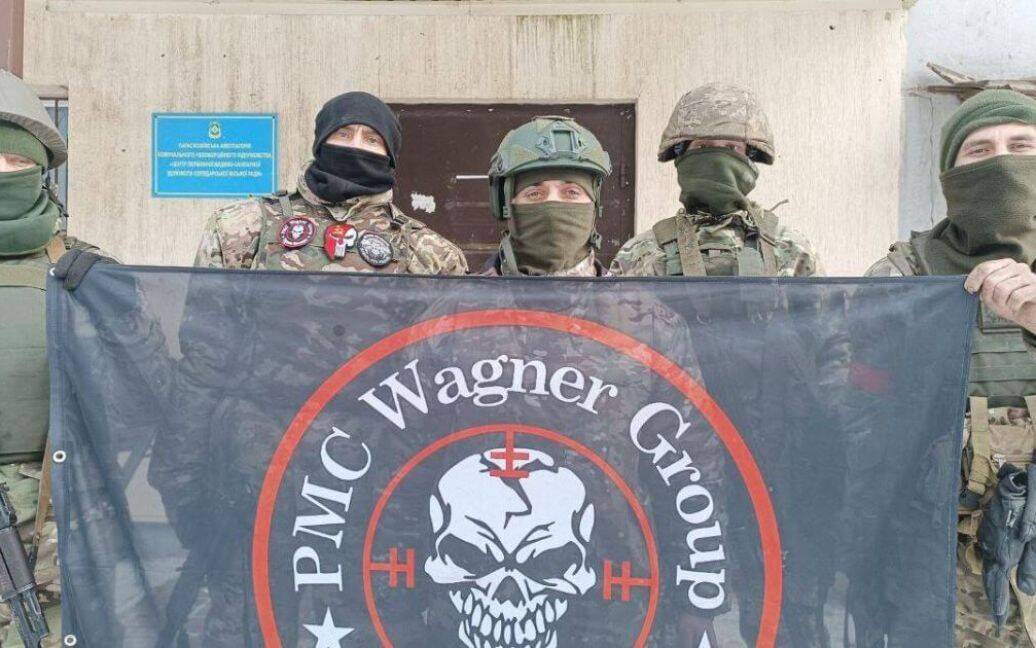
Russian special services have begun using a network of recruiters and propagandists from the former Wagner Group to organize sabotage operations in European countries.
According to Western intelligence, after the death of Yevgeny Prigozhin, the group’s structures were integrated into the operations of the Main Directorate of the General Staff of the Russian Federation (GRU), reports the Financial Times.
Now, instead of looking for volunteers for the front, these units are focused on recruiting Europeans to carry out sabotage operations on NATO territory.
The main targets of recruiters are economically vulnerable and marginalized residents of European countries. Using established channels on Telegram and other social networks, operatives offer money for setting fire to warehouses with aid for Ukraine, politicians’ cars, or for spreading disinformation.
Western officials call such agents ‘disposable’ because they have no special training and are easily replaceable in case of failure.
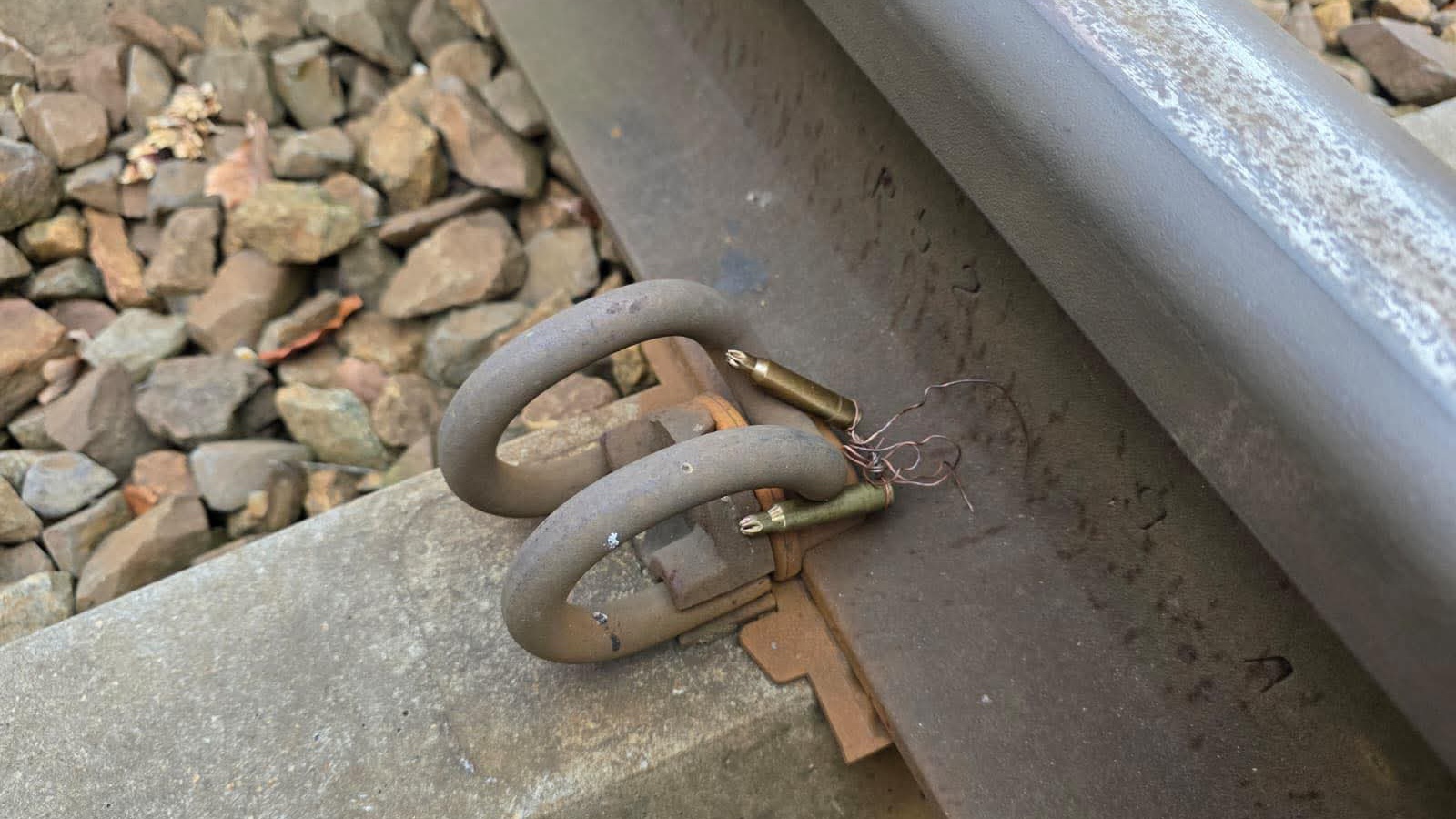
The use of intermediaries from the Wagner network allows Russian intelligence to create several levels of cover between themselves and the direct perpetrators. This allows the Kremlin to deny involvement in the attacks.
Although the FSB more often turns to criminal circles and diasporas, it is Wagner’s tools that have proven to be more effective for mass recruitment through online platforms.
Western intelligence services note the high adaptability of Wagner propagandists to working with foreign audiences. Thanks to the experience of ‘troll factories’ in St. Petersburg, they create attractive content for young people prone to radicalization. Anonymous recruiters operate through encrypted chats, where they find people willing to commit crimes for quick money.
One example of such activity was the arson attack on a warehouse in London in March 2024. At that time, 21-year-old local resident Dylan Earl, recruited by Wagner structures through social media, recruited four other people to carry out the attack.
Last year, he was sentenced to 23 years in prison. The court emphasized that the hidden hand of the internet allowed anonymous proxy agents to radicalize British citizens.
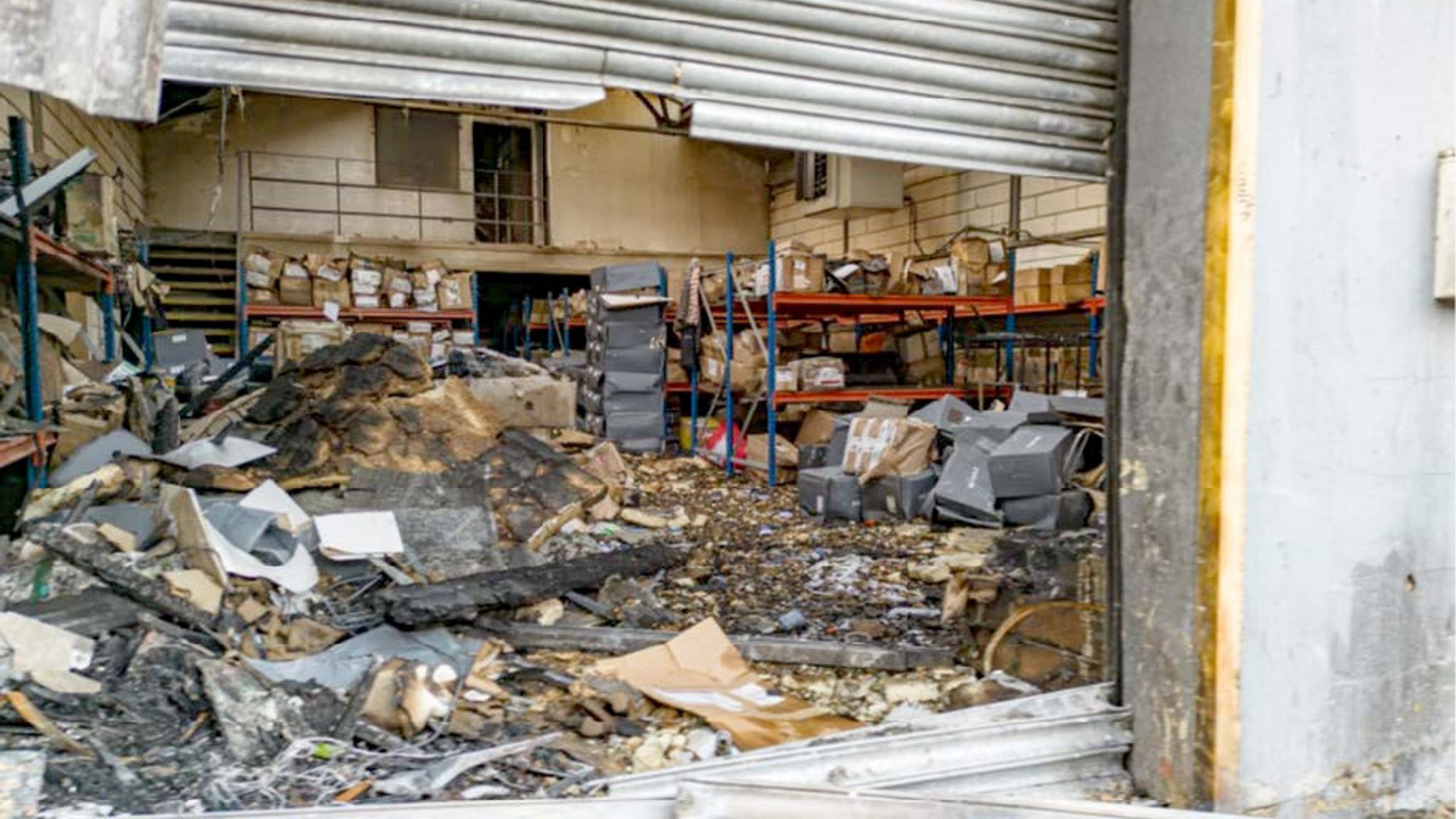
Having lost a significant portion of its spies in Europe, the GUG is forced to rely on cruder and less covert methods of operation. This gives European security agencies a certain advantage, as the use of amateurs leads to poor-quality operational planning.
Currently, most sabotage attempts are detected and prevented in time. However, European intelligence services continue to gather data on an extensive network of ‘disposable’ agents across the continent. The main goal of these attacks remains unchanged — to weaken the determination of Western countries to support Ukraine and provoke social instability within Europe.
Підтримати нас можна через:
Приват: 5169 3351 0164 7408 PayPal - [email protected] Стати нашим патроном за лінком ⬇
Subscribe to our newsletter
or on ours Telegram
Thank you!!
You are subscribed to our newsletter