



Popular

A Russian heavy strike drone, identified as the Altius, crashed in the city of Kazan, reportedly falling onto a private residence.
Eyewitness videos from the scene and local media reports confirm the incident, which occurred in the morning. Prior to the crash, residents observed the drone flying over the city, accompanied by a Cessna aircraft.
According to reports, the drone experienced a malfunction approximately one kilometer from the runway. The regional transport prosecutor’s office has launched an investigation into the circumstances surrounding the crash.
Although Russian authorities have not officially confirmed that the aircraft was military – some media outlets even describing it as a “civilian drone” – video evidence published online strongly suggests that it was indeed an Altius strike UAV.
⚠️/1. Breaking: Russian Altius (Altair) combat drone crashes near Kazan during test flight
A Russian Sokol Altius (Altair) unmanned combat aerial vehicle (UCAV) crashed today during a test flight near Kazan. The drone came down near the Borisoglebskoye military airfield and… pic.twitter.com/GKoREM9BYM
— Special Kherson Cat ??? (@bayraktar_1love) July 8, 2025
Something resembling military camouflage can be seen on the wing debris.

A long-endurance unmanned aerial vehicle lost control and crashed into a private house within the Kazanka-3 gardening cooperative in the city, according to local media. A fire broke out at the site, though no casualties have been reported at this time.
The development of the Altius-U started in 2011 at the Simonov Design Bureau in Kazan. Flight testing started in 2016. In 2018, the project was transferred to the “Ural Civil Aviation Plant” located in Tatarstan.
The drone completed its first fully autonomous flight in August 2019. During the test, the aircraft took off from the airfield, performed maneuvers in the sky, and then landed.
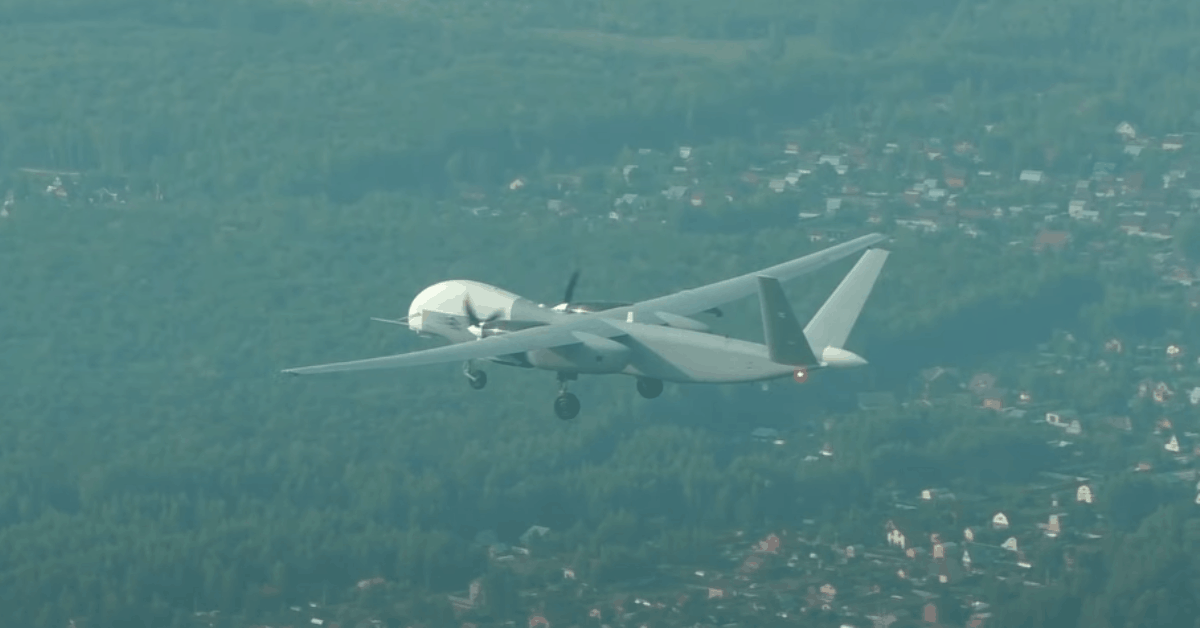
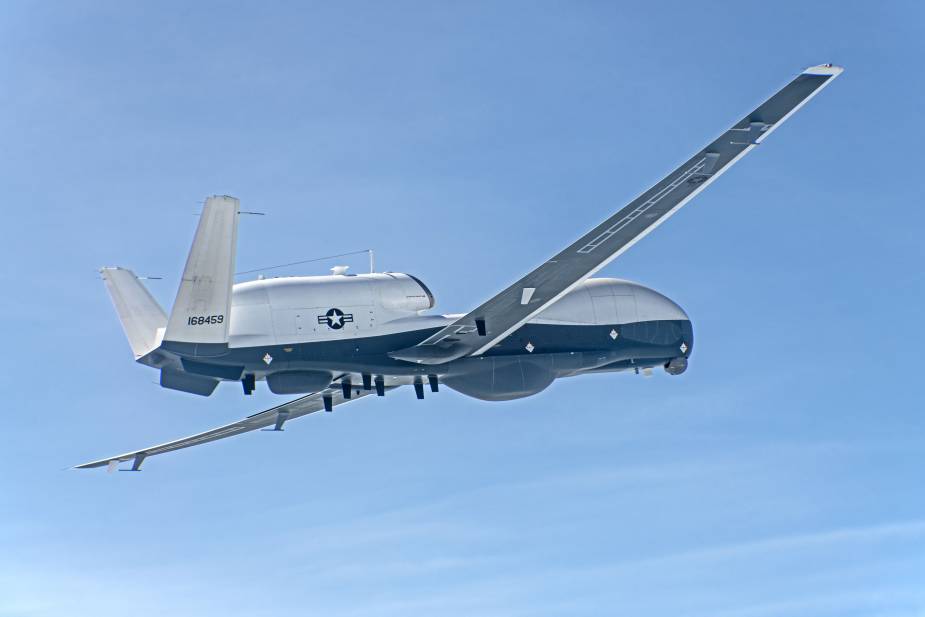
The Altius-U has a wingspan of 28.5 meters, a length of 11.6 meters, and a takeoff weight of 7 tons. It can fly at an altitude of up to 12 km, with a range of up to 10,000 km, and is capable of staying airborne for up to 48 hours.
The payload of this Russian multi-purpose UAV includes an optical reconnaissance station with an electro-optical system and a side-looking radar with an active phased array antenna.
In the summer of 2021, the drone was used for the first time to engage airborne weapons against ground targets during testing.
Підтримати нас можна через:
Приват: 5169 3351 0164 7408 PayPal - [email protected] Стати нашим патроном за лінком ⬇
Subscribe to our newsletter
or on ours Telegram
Thank you!!
You are subscribed to our newsletter