



Popular
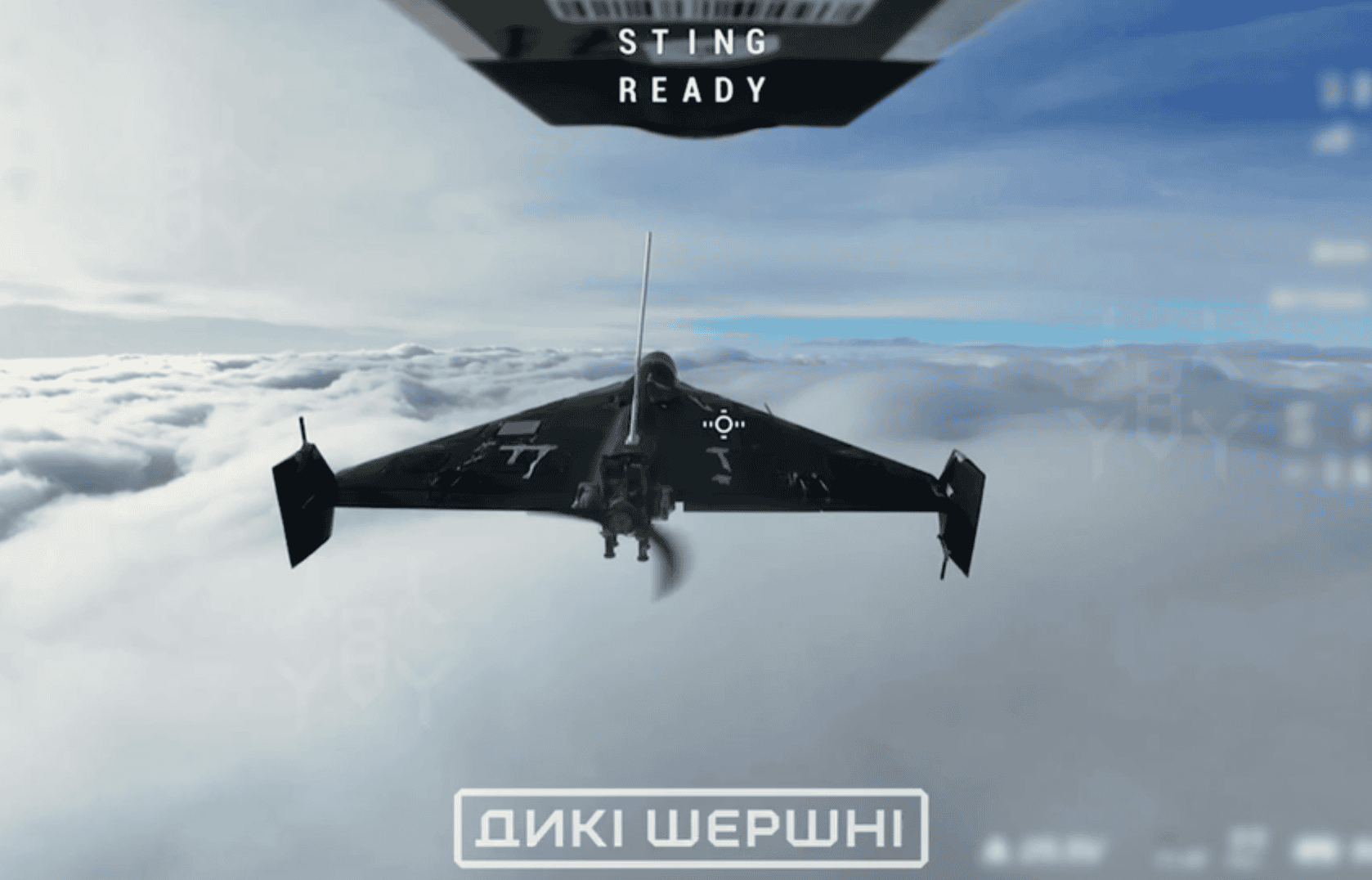
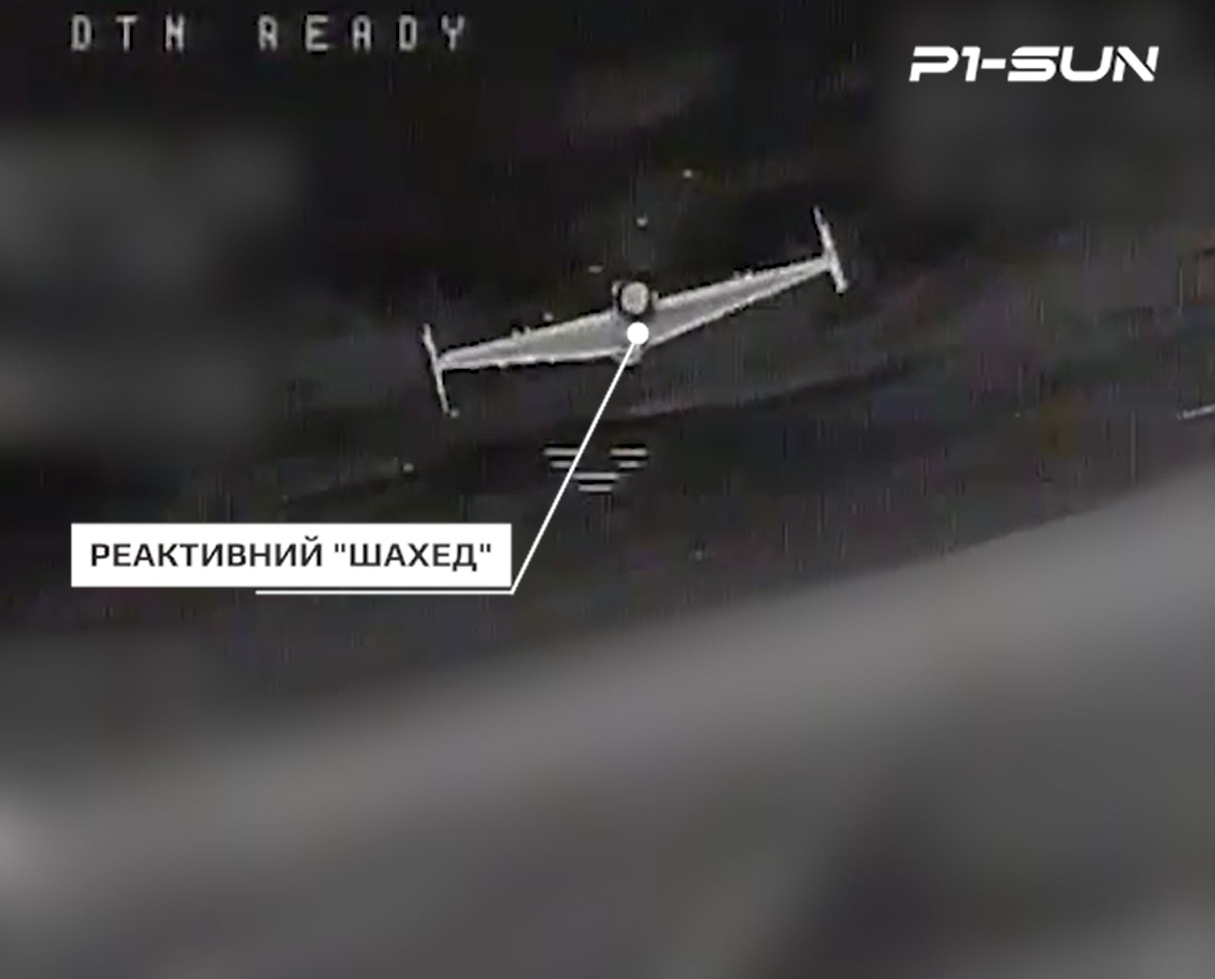
Russia is continuing to set up new control stations for long-range drones in both the occupied areas of Ukraine and in Belarus.
Ukrainian President Volodymyr Zelensky announced this after receiving a briefing from Defense Intelligence Chief Oleh Ivashchenko.
According to Zelensky, four such stations have been identified in Belarus so far. He stressed that Ukraine will respond appropriately and has ordered that this information be made public and shared with the media.
It is worth noting that reports about the use of Belarusian territory to control Shahed-type drones first appeared at the end of January, though without specific details at the time.
Later, in February, the international intelligence community InformNapalm, together with the analytical cyber center Fenix, hacked accounts of Russian military personnel and gained access to monitoring systems used by drone operators.

This made it possible to determine how Russia uses Belarusian infrastructure to carry out attacks on Ukraine. As of September 2025, analysis of intercepted chat data showed that Russia actively uses civilian infrastructure—particularly mobile communication towers in Belarus—to map routes for its Shahed drones.
In this way, Russian forces ensured a stable signal to strike targets near Ukraine’s northern and western borders, and their drones even entered the airspace of NATO countries.
Meanwhile, in September 2025, analysts provided NATO partners with operational intelligence indicating that the incursion of dozens of Russian drones into Poland on the night of September 9–10, 2025, was part of testing a new tactic and the capabilities of Belarusian civilian mobile communication infrastructure.
In addition, as the president noted after the meeting with Ivashchenko, intelligence has undeniable evidence that Russia continues to pass intelligence data to the Iranian regime.
Moscow uses its own electronic warfare and signals intelligence capabilities, as well as some data obtained through cooperation with partners in the Middle East.
Russia also used this as a bargaining tool in negotiations with the United States. Moscow proposed that Washington stop sharing intelligence with Ukraine in exchange for similar actions regarding Iran.
As reported, the United States refused this proposal.
Підтримати нас можна через:
Приват: 5169 3351 0164 7408 PayPal - [email protected] Стати нашим патроном за лінком ⬇
Subscribe to our newsletter
or on ours Telegram
Thank you!!
You are subscribed to our newsletter