



Popular
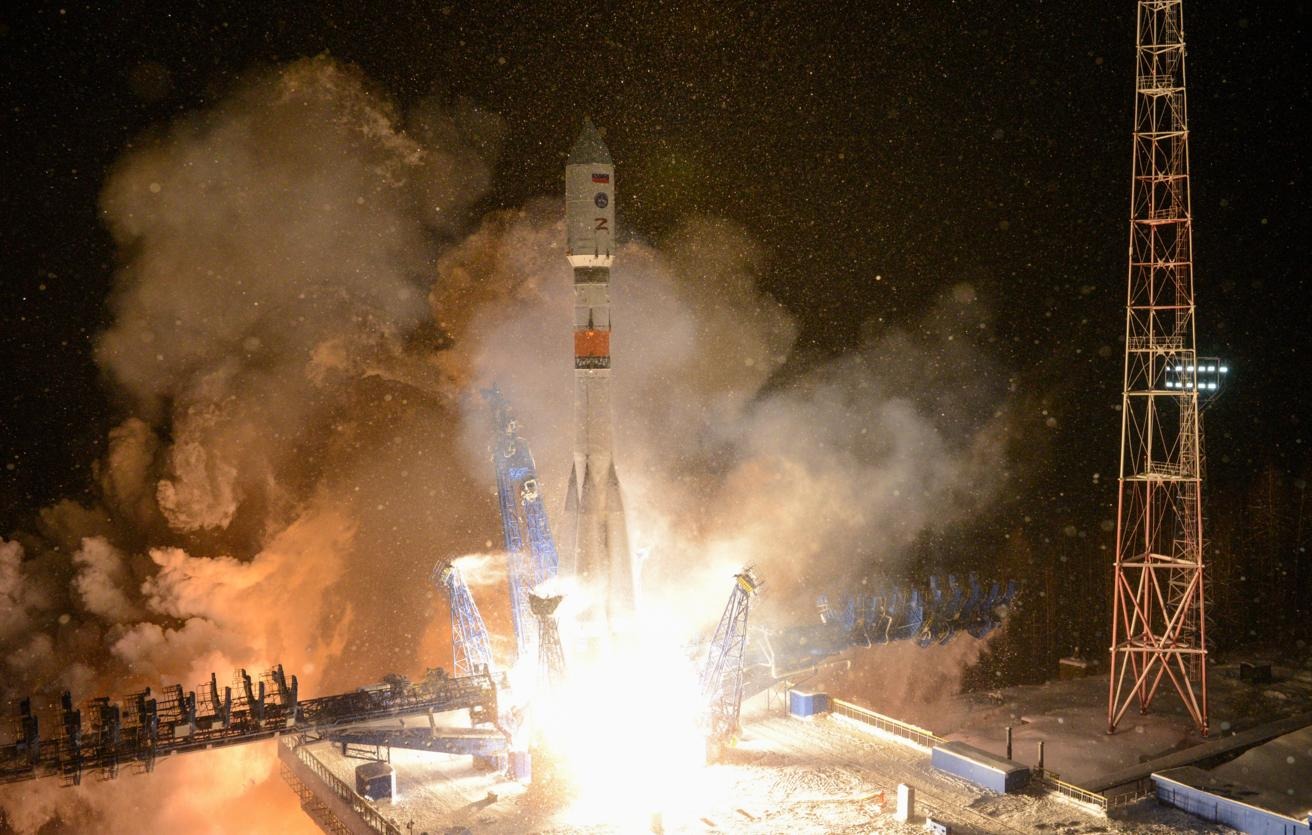
Russia launched spacecraft into space using the Soyuz-2.1b carrier rocket on behalf of the Ministry of Defence of the Russian Federation. The purpose of the satellites has not been disclosed, but based on their orbital parameters, they are likely to be reconnaissance devices.
The launch was reported by the Russian Ministry of Defence.
According to the ministry, after the launch, the carrier rocket was tracked by the ground-based automated control complex of the German Titov Main Test Space Center.
At the calculated time, the spacecraft were brought into their target orbit and taken over by the ground control systems of the space forces. Stable telemetry communication has been established and maintained with the spacecraft, and their onboard systems are functioning normally.
According to observers at RussianSpaceWeb, on January 26, 2026, the Russian authorities issued a warning to maritime and air traffic in the Barents and Norwegian Seas regarding a missile launch between February 2 and 12, 2026.
The projected fall areas of the stages were located along the flight path to a near-polar sun-synchronous orbit with an inclination of about 97 degrees to the equator.
This is an orbit typical for reconnaissance satellites. Previously, Soyuz rockets used it to launch various military payloads for the Russian Ministry of Defence, including Bars-M optical reconnaissance satellites.
Finally, on February 5, 2026, Russia launched a carrier rocket into space from pad 43 of the Plesetsk Cosmodrome. On the same day, the US Space Force released the orbital parameters of nine objects associated with this Soyuz-2.1b launch:
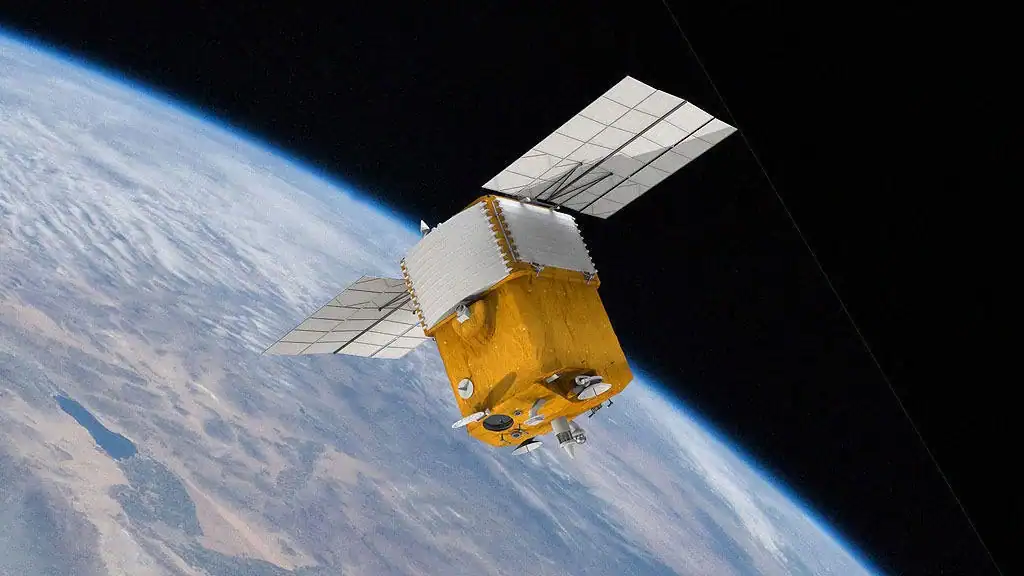
Based on these orbital parameters, it can be concluded that after forming an initial nearly circular orbit at an altitude slightly below 330 km, the Fregat upper stage separated one main spacecraft (object 2026-023A). It then maneuvered into an orbit of about 500 km, where it deployed the remaining satellites.
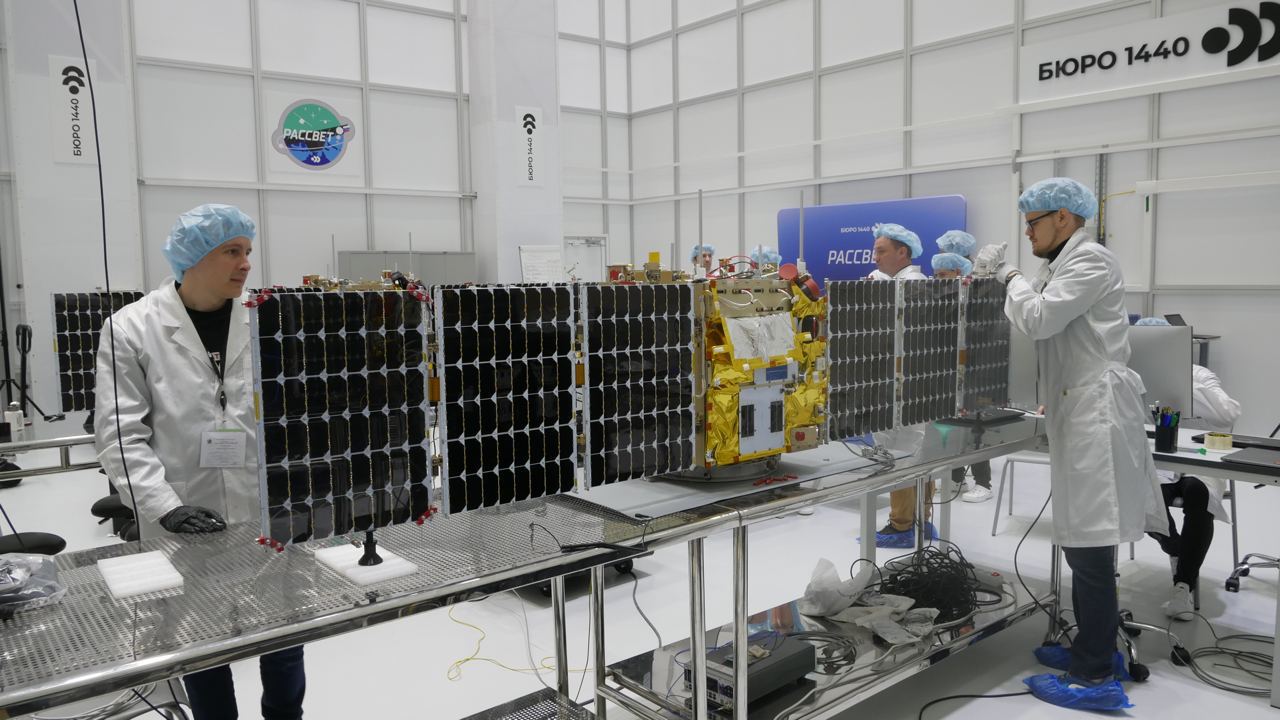
The number of payloads in this mission coincided with the number of spacecraft launched during the Soyuz launch from Plesetsk on May 16, 2024. At that time, Russia launched three Rassvet communications satellites into orbit for the Moscow-based company Bureau 1440, but they were placed in a much higher orbit.
It was recently revealed that Russian spacecraft Luch-1 and Luch-2 are suspected of intercepting signals from key European satellites.
According to European security services, this jeopardizes the confidential information transmitted by the satellites. Both spacecraft made risky approaches to some of Europe’s most important geostationary satellites.
Підтримати нас можна через:
Приват: 5169 3351 0164 7408 PayPal - [email protected] Стати нашим патроном за лінком ⬇
Subscribe to our newsletter
or on ours Telegram
Thank you!!
You are subscribed to our newsletter