






Popular
In 2026, Chinese suppliers sharply raised fiber optic prices for Russian customers by 2.5 to 4 times.
The Russian newspaper Vedomosti reports this, citing telecom market participants and cable manufacturers, including Evrokabel-1, Incab, and backbone operator TransTeleCom.
Experts say the global shortage of optical fiber is worsening due to the boom in artificial intelligence and rising demand from data centers and defense industries.
More than 60% of the world’s optical fiber is produced in China, so Russian buyers are effectively forced to accept Chinese domestic pricing. The price of the widely used G.652D fiber standard more than doubled over the past year – rising from 16 yuan per kilometer at the beginning of 2025 to 25 yuan by the end of the year, and reaching 40 yuan in January 2026.

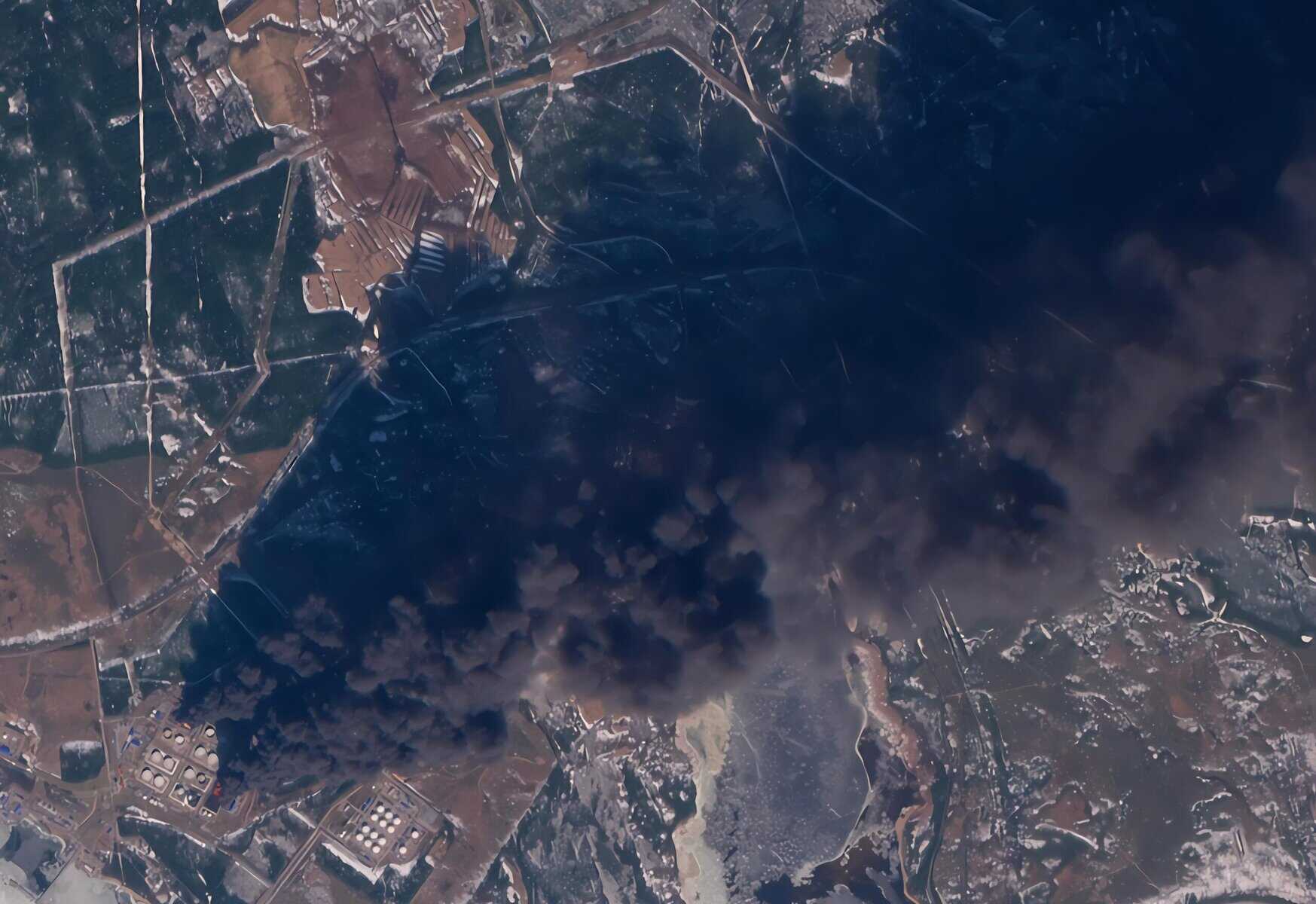
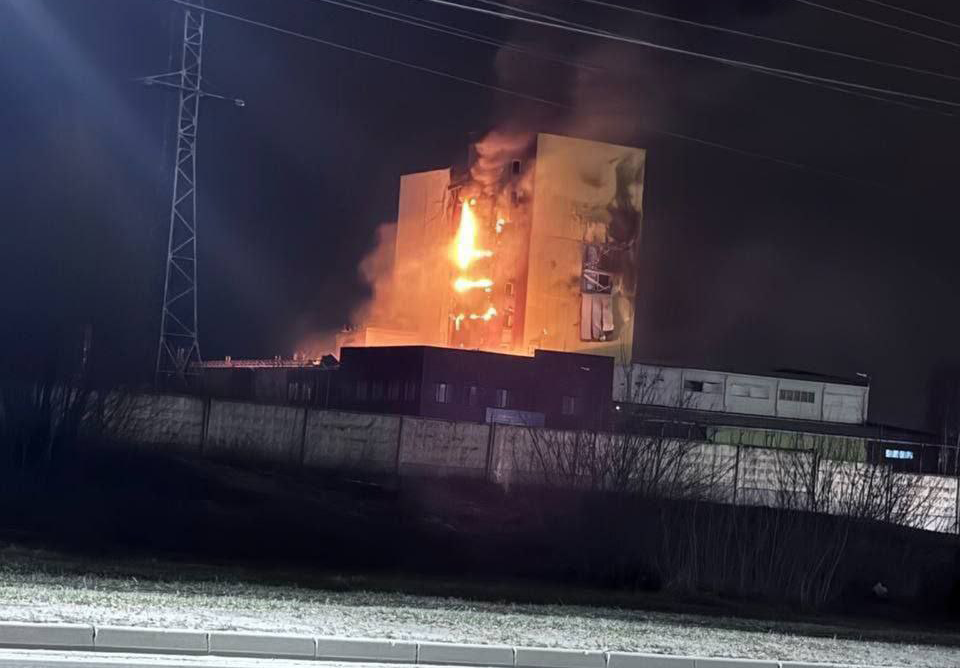
The situation is further complicated by the lack of full fledged domestic production. Russia’s only plant – Optic Fiber Systems in Saransk – halted operations in spring 2025 after a Ukrainian drone attack. Since then, all fiber has been imported from China, as purchases from the United States and Japan are blocked by sanctions.
Even if production resumes, a full transition to domestically sourced materials remains problematic. The plant depends on imported preforms, and Russia’s own production of these blanks is still in its early stages.
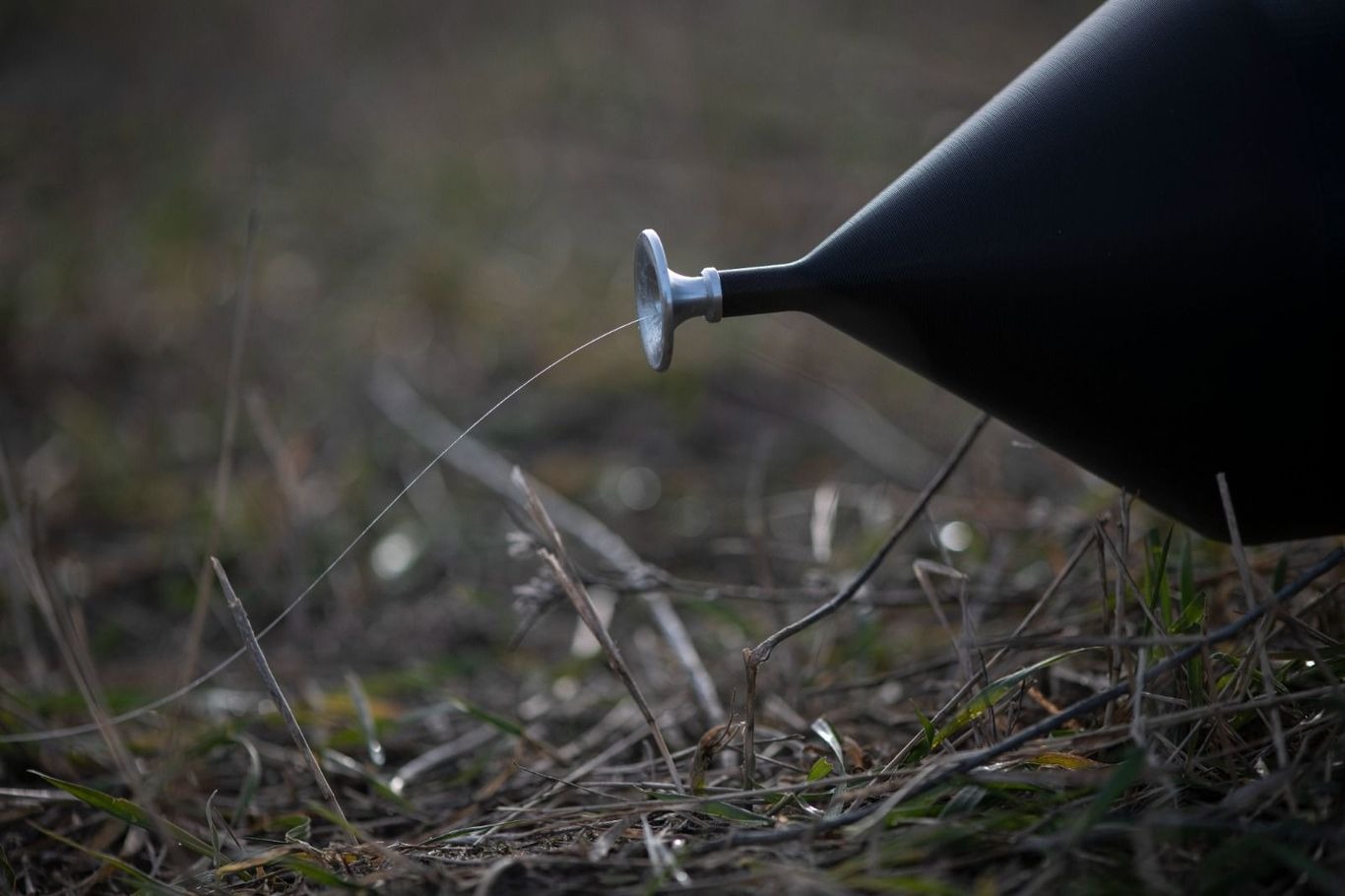
Additional demand surged in 2025 due to the use of fiber optics in cable-controlled FPV drones with lines up to 50 km long, as well as the rapid expansion of data centers for artificial intelligence.
In AI infrastructure, all connections between servers with graphics processing units are made via optical channels, and large clusters require tens of thousands even millions of kilometers of cable. As a result, according to Chinese analysts, Russia consumed about 10.5% of global fiber optic output in 2025, nearly 60 million kilometers, whereas previously its share did not exceed 1%.
Cable manufacturers warn that rising fiber prices will inevitably lead to higher cable costs and more expensive telecommunications services.
This could affect the cost of leasing ‘dark fiber,’ building backbone lines, and network modernization, which will now cost significantly more than expected. Meanwhile, market participants see the main risk not only in price, but also in the physical availability of the required volumes of raw materials.
Telecom operators are closely monitoring the situation. Rostelecom said it is tracking developments; MegaFon emphasized cooperation with various suppliers based on economic feasibility; and TransTeleCom reported that its existing cable reserves will be sufficient to implement infrastructure projects in the first half of 2026, although the company is already considering the possibility of changing suppliers.
The global shortage is further fueled by demand from the defense sector and technology corporations deploying AI infrastructure.
According to industry estimates, market tensions may persist at least until 2027. Amid the shortage, suppliers are shifting to 100% prepayment, and the procurement cost of raw materials is rising severalfold.
It is highly possible that the price hike will significantly affect the scale of use of Russian drones equipped with fiber-optic control systems.
Підтримати нас можна через:
Приват: 5169 3351 0164 7408 PayPal - [email protected] Стати нашим патроном за лінком ⬇
Subscribe to our newsletter
or on ours Telegram
Thank you!!
You are subscribed to our newsletter