






Popular

The Russian company Bureau 1440 launched the first satellites of the low-Earth orbit cluster Rassvet, which is considered a Russian alternative to the Starlink system.
After reaching their target orbit, the 16 spacecraft successfully separated from the Soyuz-2.1B launch vehicle and were transferred to the company’s Flight Control Center.
Once all systems have been tested and activated, the satellites will begin their transition to operational orbits, according to Bureau 1440.
The satellites are built on the company’s proprietary platform. They are equipped with 5G NTN-based communication, an upgraded power supply system, next-generation inter-satellite laser terminals, and plasma engines. A separation system developed by the company was used for their deployment.
The launch of the first satellites in the target cluster marks the transition from testing to the formation of a full-fledged communication service.
The company reached this stage in 1,000 days — exactly the time that elapsed between the launch of the experimental satellites and the production models. However, development has not been without difficulties and delays: the first satellite cluster was originally scheduled for launch in late 2025.
A large-scale deployment of the system lies ahead, which will include dozens of launches and a significant increase in the number of satellites.
It is expected that Rassvet will become a low-Earth orbit communication system capable of providing internet access worldwide, particularly for transportation — trains and airplanes.
According to plans, the cluster will initially consist of 350 satellites. More than 250 satellites are scheduled to be deployed by 2027, with the commercial launch of the service planned for the same time.
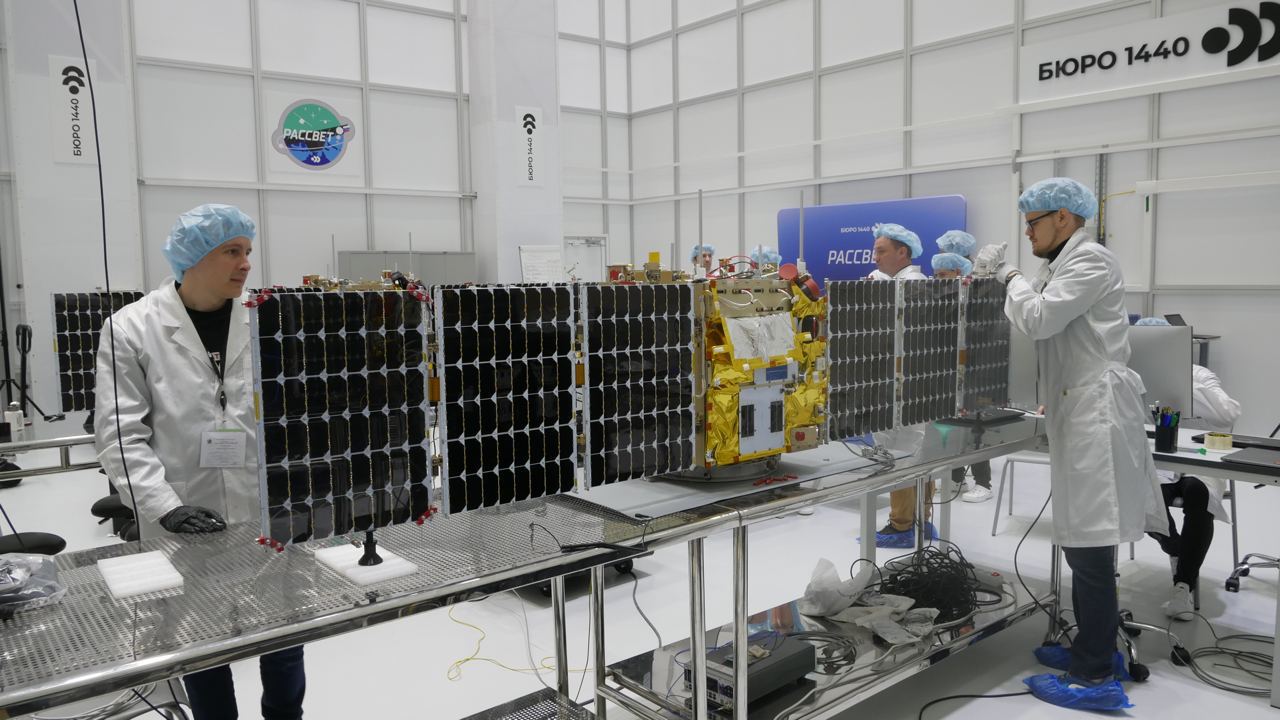
By 2035, the cluster could exceed 900 satellites.
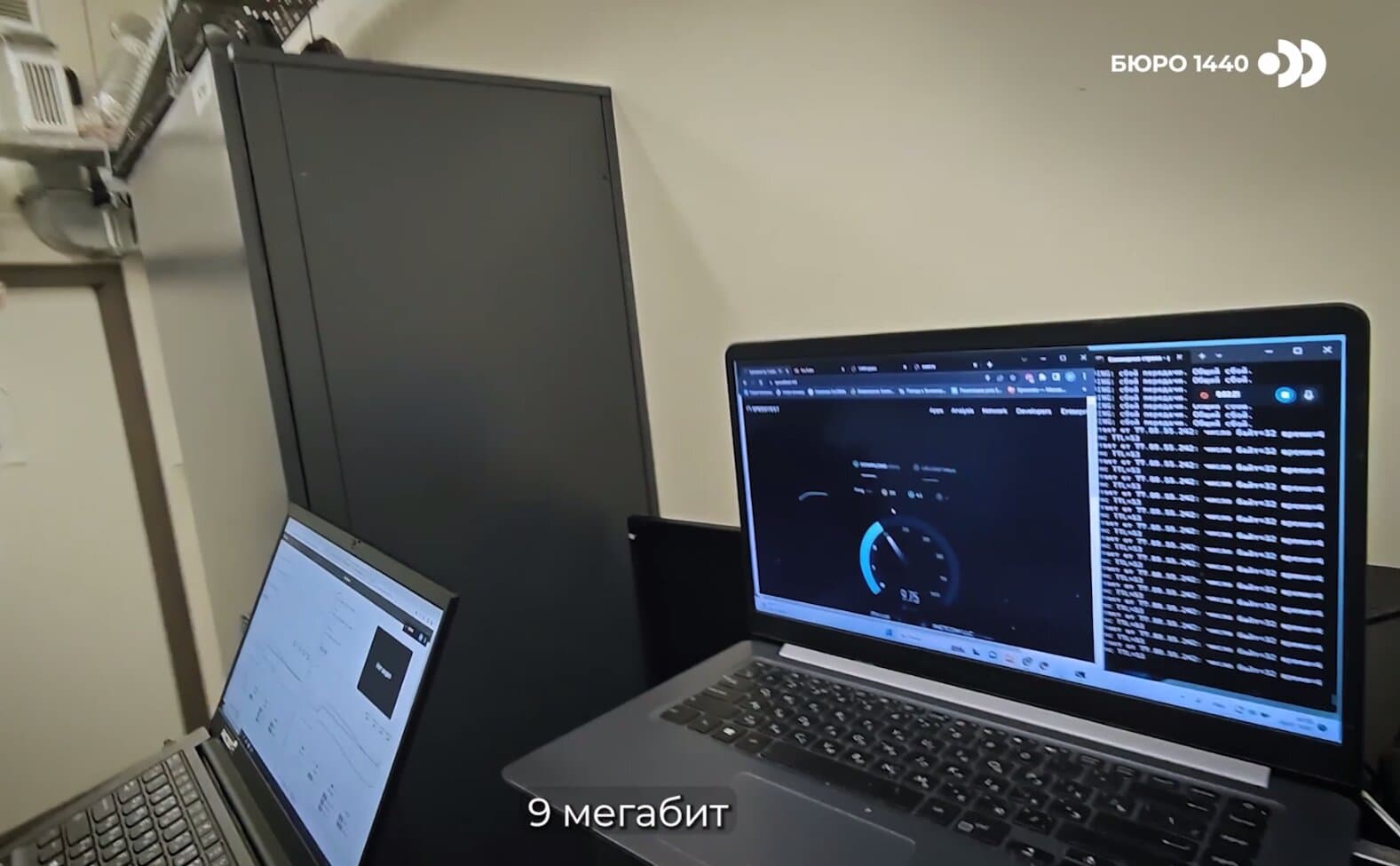
“On July 1, 2023, we conducted our first communication session with the first three satellites developed by Bureau 1440 for the Rassvet-1 mission and saw our ‘space internet.’ The data transfer rate to the device at that time was 10 Mbps, and the latency was 41 ms,” the company said.
The Russian federal budget has allocated 102.8 billion rubles ($1.36 billion) for the project as part of the national “Data Economy” initiative. Bureau 1440 plans to contribute an additional 329 billion rubles ($4.36 billion) from its own funds by 2030.
Підтримати нас можна через:
Приват: 5169 3351 0164 7408 PayPal - [email protected] Стати нашим патроном за лінком ⬇
Subscribe to our newsletter
or on ours Telegram
Thank you!!
You are subscribed to our newsletter