

Popular
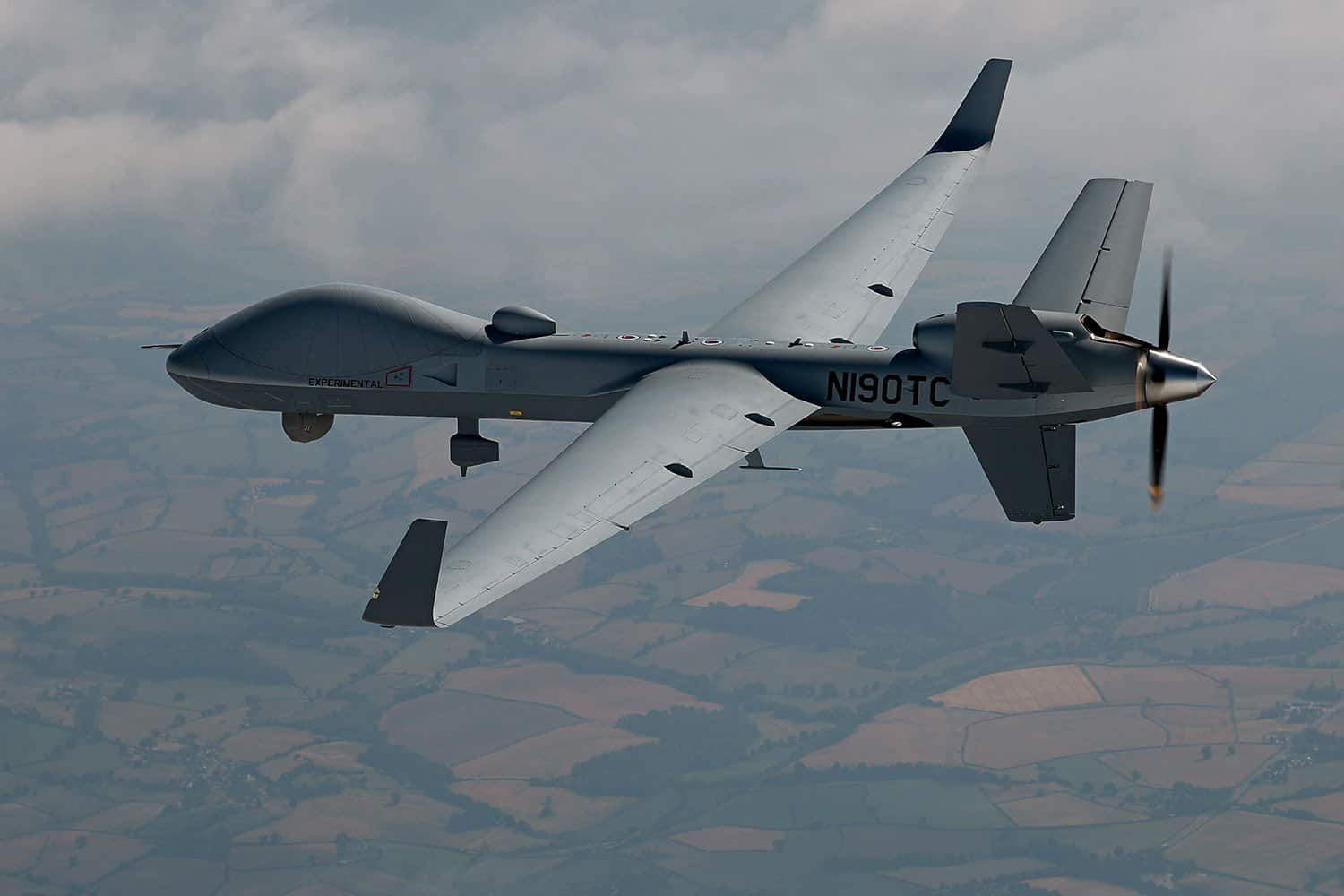
Qatar is moving to expand its drone fleet with a planned purchase of eight MQ-9B Reaper reconnaissance and strike UAVs, even as questions mount over its survivability against Houthi anti-aircraft missiles.
The US Defense Security Cooperation Agency (DSCA) has approved the proposed $1.96 billion sale, which includes not only the drones but also an extensive weapons package.
The order comprises 300 BLU-111 general-purpose bombs, 200 JDAM guidance kits with DSU-38 laser sensors, 100 Paveway II laser-guided bomb kits, and 110 AGM-114R2 Hellfire II missiles.
Qatar also intends to acquire 10 AN/APY-8 Lynx synthetic aperture radars for ground and maritime surveillance and 10 L3 Rio Grande COMINT systems for communications intelligence. The payloads suggest Qatar plans to deploy the Reapers not just for reconnaissance but also in strike roles, likely targeting Iranian-backed Houthi forces in Yemen and the Red Sea region. And here the first questions arise regarding the choice of the Qatari military.
The acquisition comes amid growing concerns about the Reaper’s vulnerability. In the span of 25 days earlier this year, the US Central Command lost three MQ-9s during operations against Houthi positions, according to Fox News chief correspondent. A fourth was shot down on March 3. That is, in the conditions of a potential operation by the “Arab Coalition,” Qatar could lose half of its aircraft in just one month.
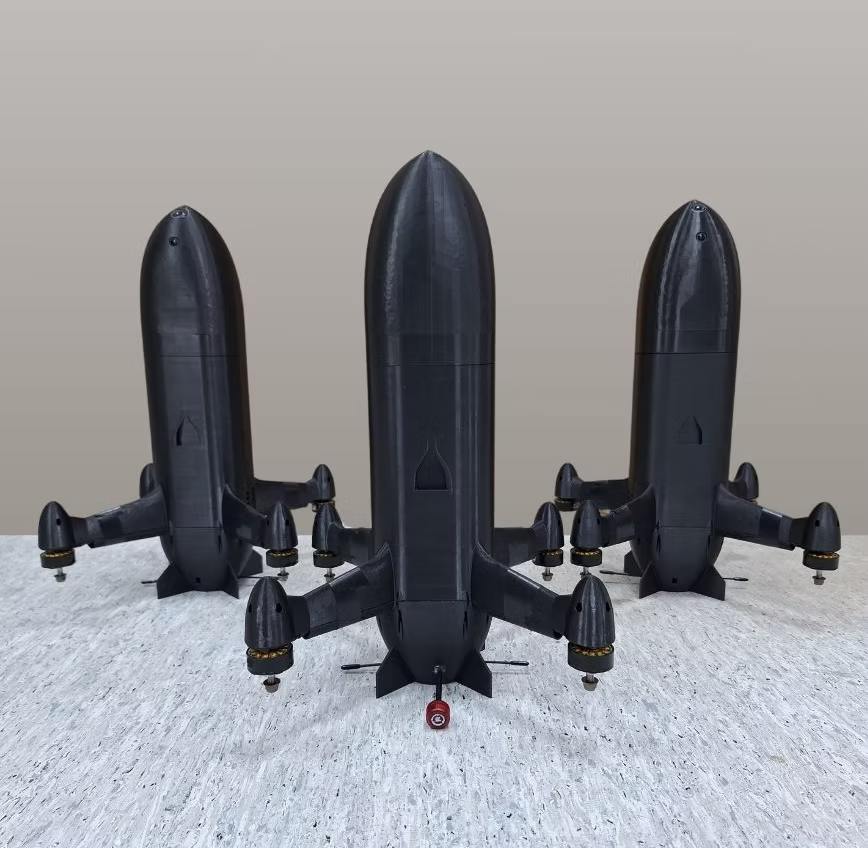
Such losses in aviation to the US Air Force, seemingly, were caused by poorly armed terrorists due to the Iranian-made 358 missiles — low-cost, loitering munitions designed for ambush tactics and simple launch conditions.
These infrared-guided weapons, which resemble jet-powered drones, can be launched from rudimentary platforms and autonomously track heat signatures. After launch, this “rocket drone” hovers in the air in anticipation of the appearance of heat-contrast objects, which are captured automatically.
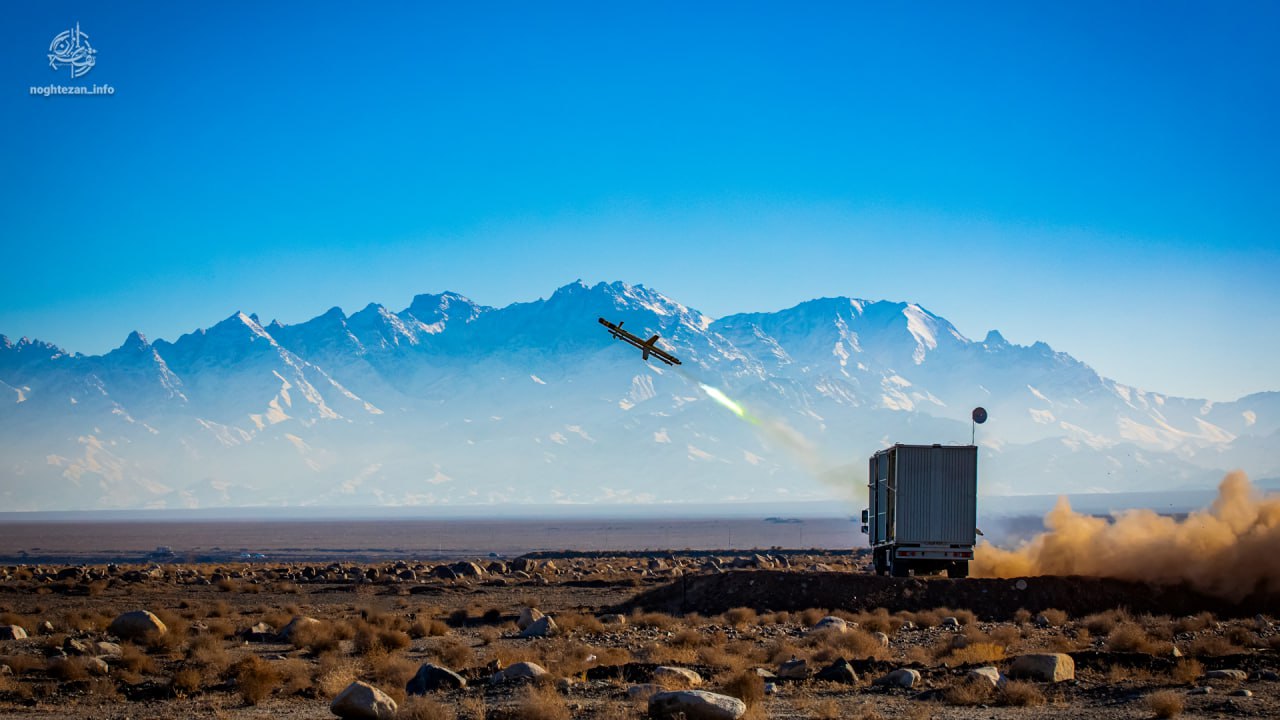
These missiles are manufactured in Iran and shipped by sea to Yemen in a disassembled state. Their modular design makes them easy to smuggle and deploy, and they have already appeared in conflict zones across the Middle East. Therefore, there is no doubt that in the event of an escalation, the Houthis will not have any interruptions in their supplies.
Given the urgency of the threat and the Americans’ fresh combat experience, the choice of the Qatari Air Force remains questionable. The MQ-9s will join a fleet that already includes Turkish-made Bayraktar TB2 drones.
The country also maintains a substantial manned air force that can also carry out bombing missions. It includes a combined inventory of F-15E Strike Eagles, Eurofighter Typhoons, and Dassault Rafales, supported by Airbus A330 MRTT tankers for extended-range missions.
Підтримати нас можна через:
Приват: 5169 3351 0164 7408 PayPal - [email protected] Стати нашим патроном за лінком ⬇
Subscribe to our newsletter
or on ours Telegram
Thank you!!
You are subscribed to our newsletter