





Popular
US President Donald Trump rejected Vladimir Putin’s proposal to transfer Iran’s enriched uranium stockpile to Russia.
Axios reported the initiative, which was part of Moscow’s plan to mediate the Iranian nuclear crisis. The White House, however, chose a different approach.
According to Axios, Putin raised the idea during a telephone call with Trump.
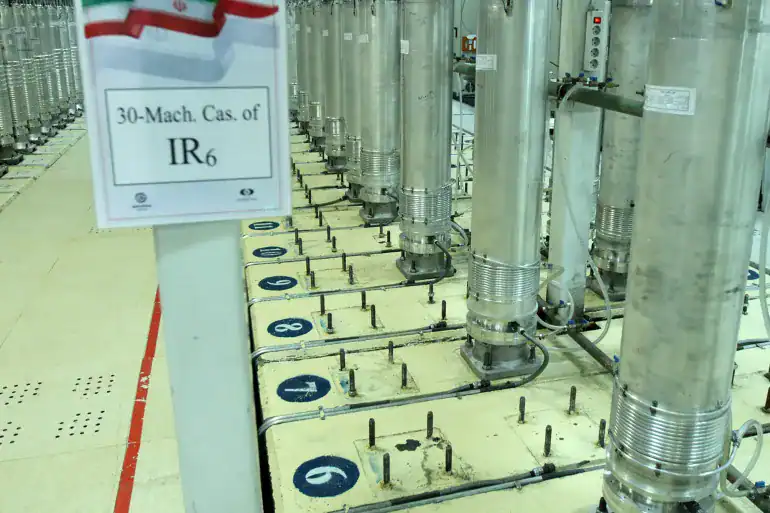
The plan would have involved Tehran transferring nuclear materials to Russia for storage in exchange for eased sanctions. Moscow argued this step would prevent Iran from quickly developing nuclear weapons.
Trump and his advisers were skeptical of the proposal.
The US administration argued that the mechanism would give Russia too much influence over the process and would not guarantee the full dismantling of Iran’s nuclear program.
Instead, Washington is pursuing a policy of ‘maximum pressure’ with direct demands on the Iranian government.
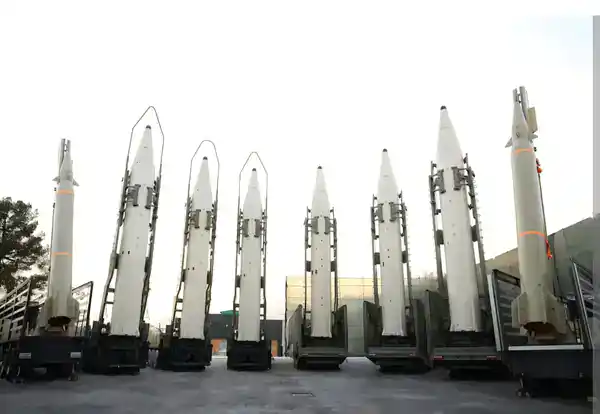
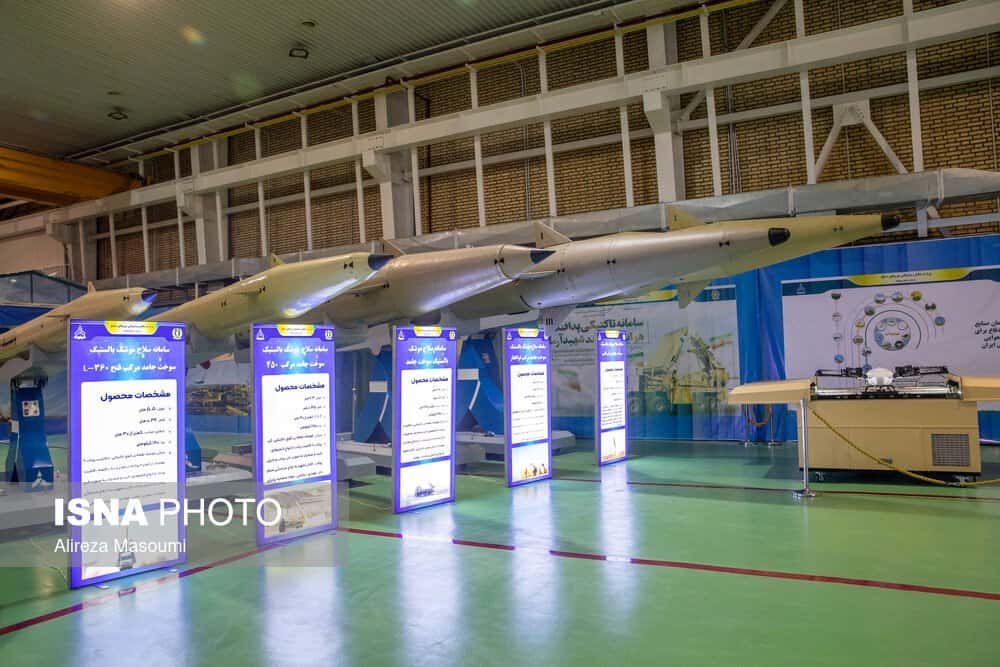
Trump’s team stressed that any new deal must be stricter than previous agreements, covering not only nuclear development limits but also Iran’s support for terrorism and ballistic missile programs.
Trump has repeatedly criticized previous nuclear agreements with Iran, calling them ‘the worst deal in history.’ The US continues to tighten sanctions to force Tehran into concessions without relying on Russian logistics.
The crisis began in 2002 after intelligence revealed secret facilities in Natanz and Arak. Under pressure from Britain, France, and Germany, Tehran temporarily suspended uranium enrichment in 2003 but resumed it two years later.
The resumption prompted UN Security Council resolutions and the imposition of strict economic sanctions.
In 2015, Iran and the P5+1 group signed the ‘Iran nuclear deal.’ Under the agreement, Tehran significantly reduced its enriched uranium stockpiles, dismantled some centrifuges, and converted the Arak reactor.
Russia acted as a logistical partner, exporting Iranian uranium surpluses to its territory, enabling the West to gradually lift sanctions.
In 2018, Trump unilaterally withdrew the US from the deal, citing gaps on ballistic missiles and destabilizing Iranian activities. After renewed US sanctions, Tehran gradually abandoned its commitments and eventually increased uranium enrichment to 60%.
The escalation peaked in June 2025 when the IAEA officially declared Iran in violation of the agreement. This led to a 12-day conflict between Israel and Iran, including strikes on nuclear sites.
That same month, US aircraft attacked three Iranian nuclear facilities with bunker-busting bombs. Iran has since largely ceased cooperating with the IAEA.
Підтримати нас можна через:
Приват: 5169 3351 0164 7408 PayPal - [email protected] Стати нашим патроном за лінком ⬇
Subscribe to our newsletter
or on ours Telegram
Thank you!!
You are subscribed to our newsletter