






Popular
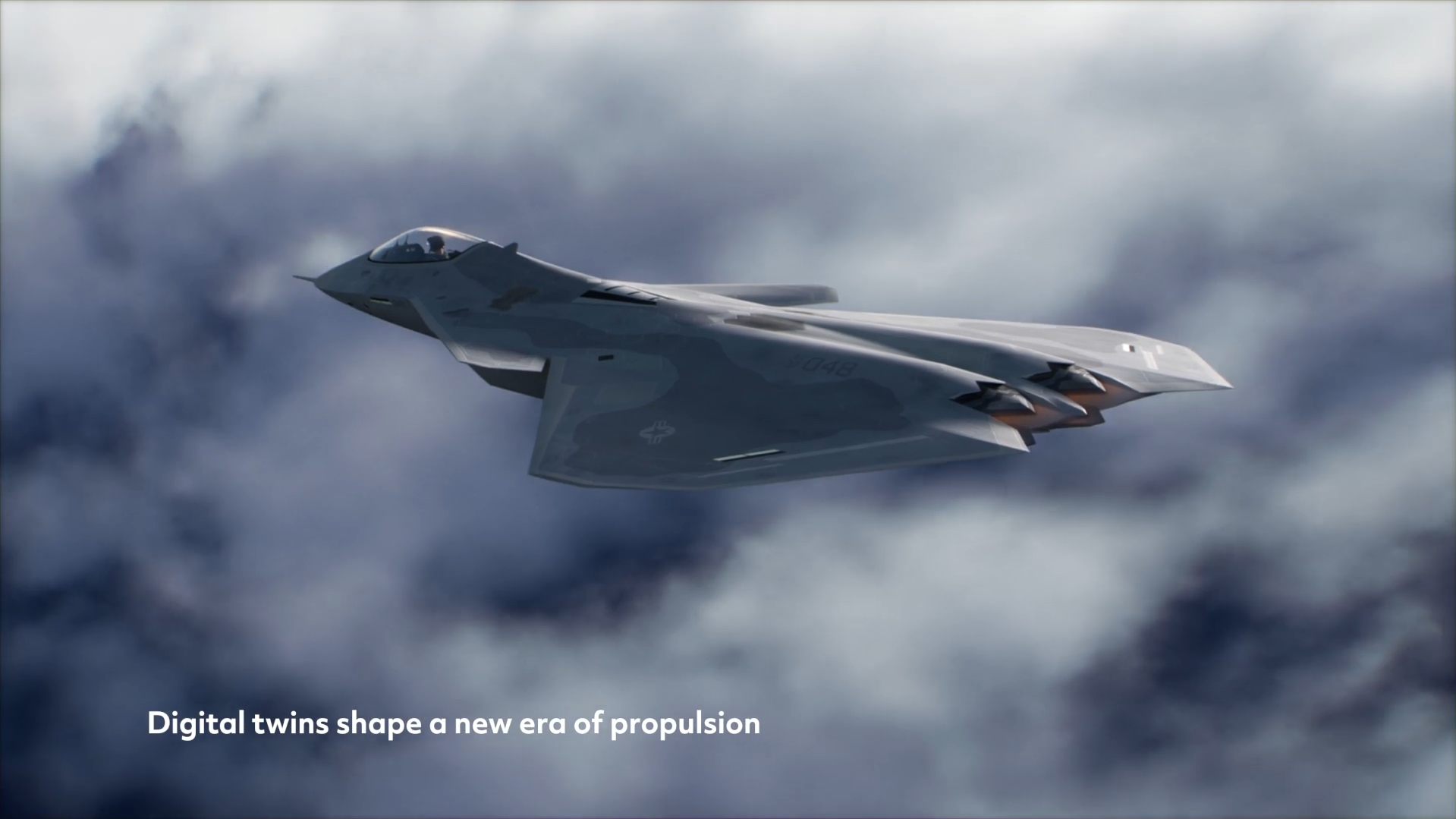
Pratt & Whitney has released a new video about the promising XA103 engine for the future sixth-generation F-47 fighter jet. The aircraft shown in the video has a number of differences from earlier images.
The video was published on the official website of Pratt & Whitney.
The company presented a video about the XA103 engine, which is being developed as part of the Next Generation Adaptive Propulsion (NGAP) program. As part of this program, Pratt & Whitney is competing with General Electric to create an engine for the promising sixth-generation Boeing F-47 fighter jet.
As noted by The Aviationist, the most attention is drawn to the final part of the video, which shows a model of a twin-engine, single-seat, tailless aircraft with a trapezoidal wing and forward horizontal surfaces (canards). Although canards have previously appeared in official F-47 renderings, the aircraft shown in the video has a number of differences.
In particular, the visualization shows two engines with flat nozzles with thrust vector control, similar to the F-22, as well as two air intakes under the front surfaces. The cockpit is located quite high, and the nose differs from the previously shown “spade-like” shapes.
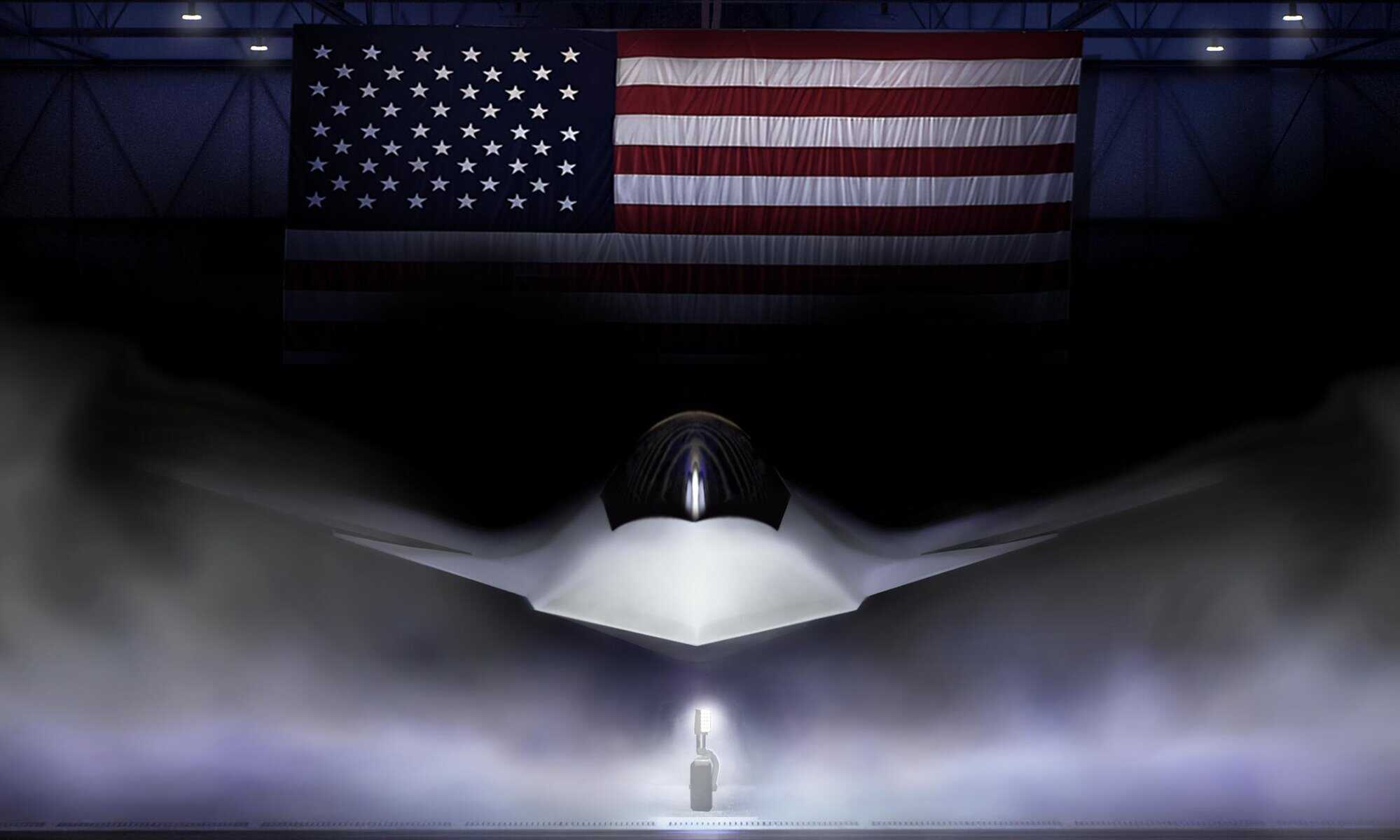
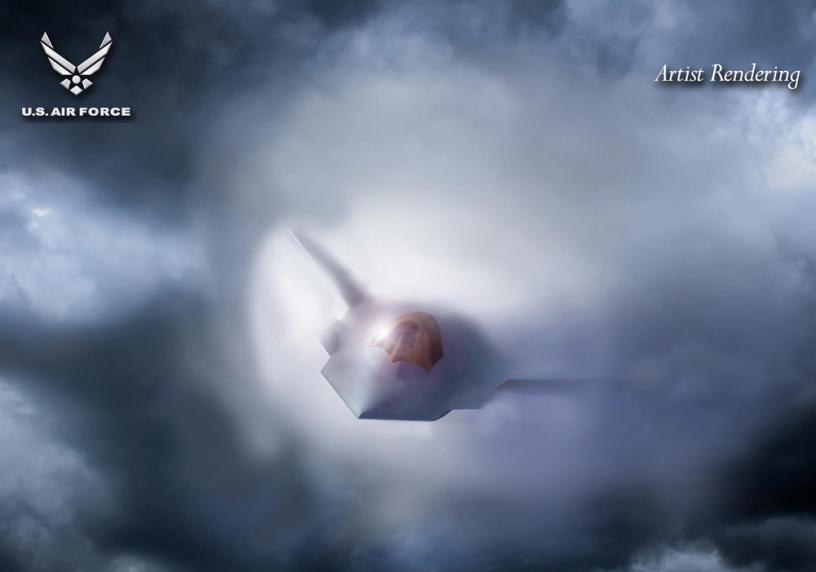
However, the video probably shows a conceptual visualization rather than the actual appearance of the promising aircraft. After signing a contract with Boeing in 2025, the US Air Force released only two official renders of the F-47, which, according to service representatives, were deliberately altered to conceal the actual design features. Previously, officials emphasized that these images “should not be taken literally.”
Pratt & Whitney states that the XA103 engine is being developed entirely in a digital environment using a model that combines design, manufacturing, and testing. The company claims that this significantly speeds up development and reduces the number of errors.
The XA103 has an adaptive operating cycle that allows the degree of bypass to be changed during flight depending on the needs of the moment. This will allow, in particular, switching between modes of maximum thrust, increased efficiency, and reduced thermal signature — depending on whether the aircraft requires maximum power, economy, or low visibility.
Pratt & Whitney announced the completion of the Detailed Design Review phase for the XA103 in February 2025. The company has already invested approximately $30 million in digital engineering infrastructure and has engaged more than a thousand engineers and over a hundred suppliers to work on the program.

The next stage will be the Assembly Readiness Review, after which the prototype is planned to be assembled and tested. The company says that the goal of NGAP is to surpass the capabilities of fourth- and fifth-generation engines and provide an advantage for the future F-47.
According to the plan, the first F-47 is scheduled to make its maiden flight in 2028. At the same time, there is a possibility that even the early production F-47 aircraft may receive a “temporary” engine until the completion of the development of power plants by Pratt & Whitney and General Electric.
It was reported that as of fall 2025, the first aircraft was already in production, but the degree of its readiness was not disclosed.
Підтримати нас можна через:
Приват: 5169 3351 0164 7408 PayPal - [email protected] Стати нашим патроном за лінком ⬇
Subscribe to our newsletter
or on ours Telegram
Thank you!!
You are subscribed to our newsletter