



Popular
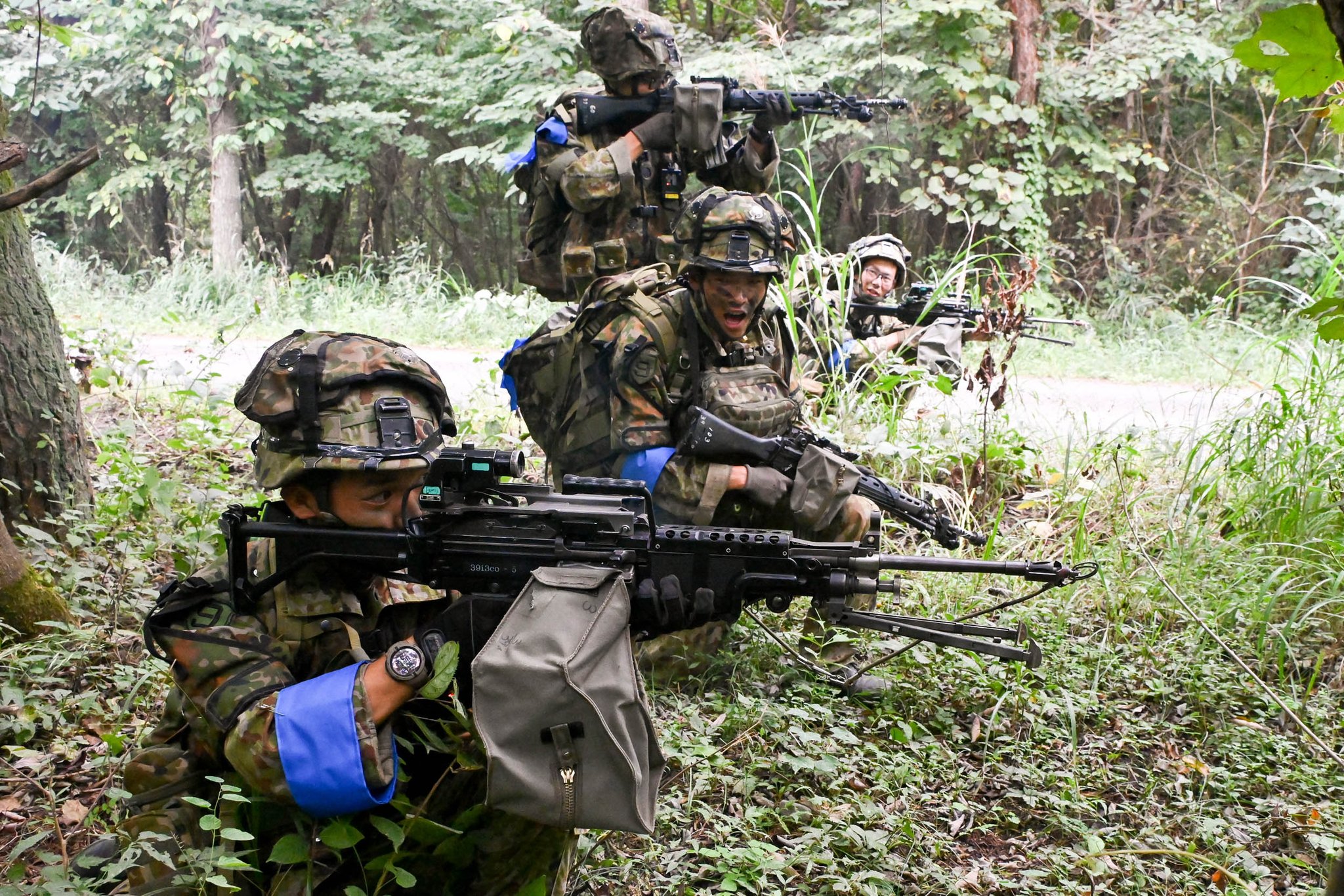
The Japanese government has stated that in the event of the use of force against Taiwan, such as a naval blockade, Japan may recognize it as a “threat to existence” and, accordingly, “exercise collective self-defense.”
This is reported by the IPST think tank, citing the words of Japanese Prime Minister Takaichi Sanae.
During a hearing at the House Budget Committee, Japanese Prime Minister Takaichi Sanae said that if an emergency in Taiwan is accompanied by the use of force by the other side, such as a naval blockade involving warships, the Japanese government “may” recognize it as a “state of threat to existence” and, accordingly, exercise collective self-defense.
This statement is seen as a significant declaration of Japanese security policy. Yamashita Akio, Director General of the Indo-Pacific Analytical Center, called it a “historic break” that symbolizes the formation of a new Japanese policy.
The “state of threat to existence” is a key concept introduced during the adoption of Japan’s updated security legislation in 2015. It means that even if Japan has not been directly attacked, but the United States or another ally has been the target of an armed attack that threatens the existence of Japan and the rights to life of its citizens, the Self-Defense Forces can exercise the right to collective self-defense.

“When it comes to the use of warships and the use of force, the likelihood of recognizing a ‘state of threat to existence’ is high. The government must anticipate the worst-case scenarios and prepare for them,” the Prime Minister said.
At the same time, Takaichi drew a line: not every escalation in the Taiwan Strait will automatically lead to military action by Japan, but only open military action.
“If you just line up civilian ships in a single line, making navigation difficult, I don’t think it would constitute an ‘existential threat’. But if we are talking about a naval blockade under martial law, flying drones and related circumstances, this can be viewed from a different angle,” she explained.
As noted in the publication, Takayichi’s statement is not only a political signal, it has launched a discussion about the transformation of Japan’s national strategy.
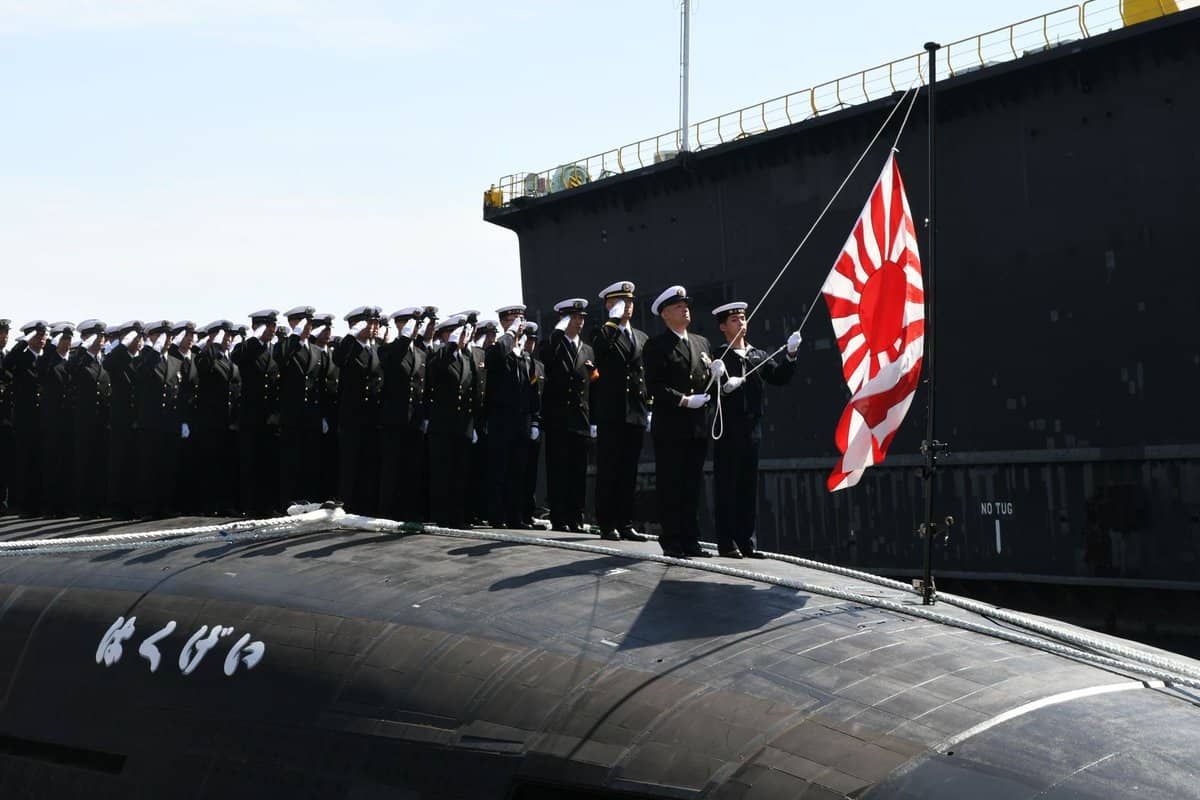
For a long time, due to the constraints of a pacifist constitution, Japan has relied mainly on economic and diplomatic instruments. Takaiichi’s speech symbolizes the revival of national subjectivity: the country is gradually emerging from its passive state.
This is undoubtedly a positive signal for Taiwan. If China considers the use of force, it will have to take into account not only the United States but also Japan.
In late October, Japanese Defense Minister Shinjiro Koizumi suggested that Tokyo might resort to easing restrictions on arms exports to countries involved in armed conflicts.
Підтримати нас можна через:
Приват: 5169 3351 0164 7408 PayPal - [email protected] Стати нашим патроном за лінком ⬇
Subscribe to our newsletter
or on ours Telegram
Thank you!!
You are subscribed to our newsletter