



Popular
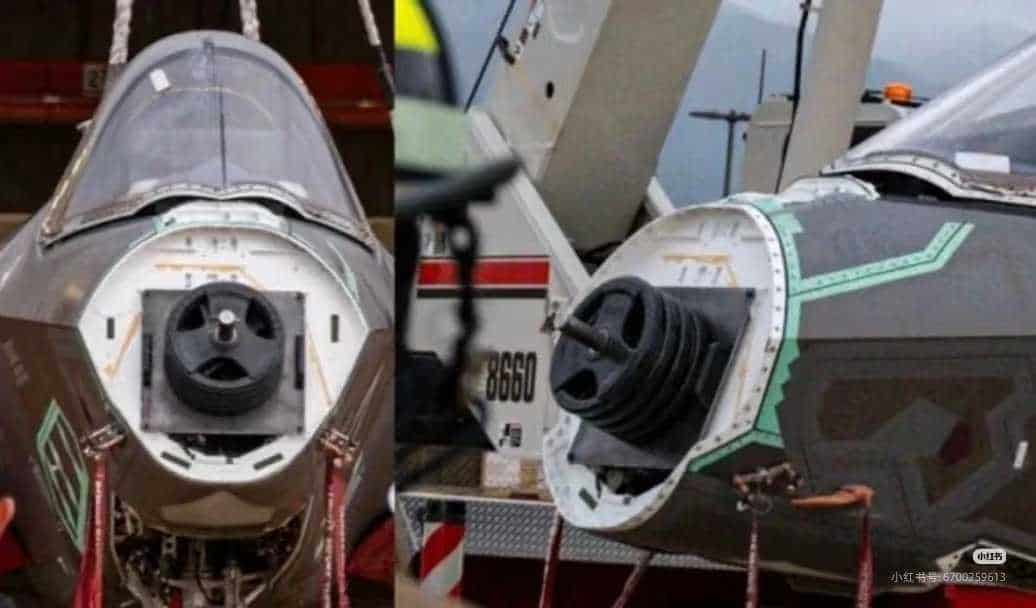
Due to delays in developing the new AN/APG-85 radar, the United States will receive F-35 aircraft for its air component without operational radars starting in June 2025. Instead, ballast is being installed in the nose cones.
Avionics International reported on this.
The issue stems from the components’ physical incompatibility. The latest production batches of F-35s (starting with Lot 17) are structurally prepared for the AN/APG-85 gallium nitride (GaN) radar.
Designers modified the aircraft’s nose structure and mounting system, which now can’t accommodate the older AN/APG-81 radar.
As development and testing of the APG-85 are delayed by cooling and power-consumption challenges, new fighters are rolling off the assembly line with empty nose pods.
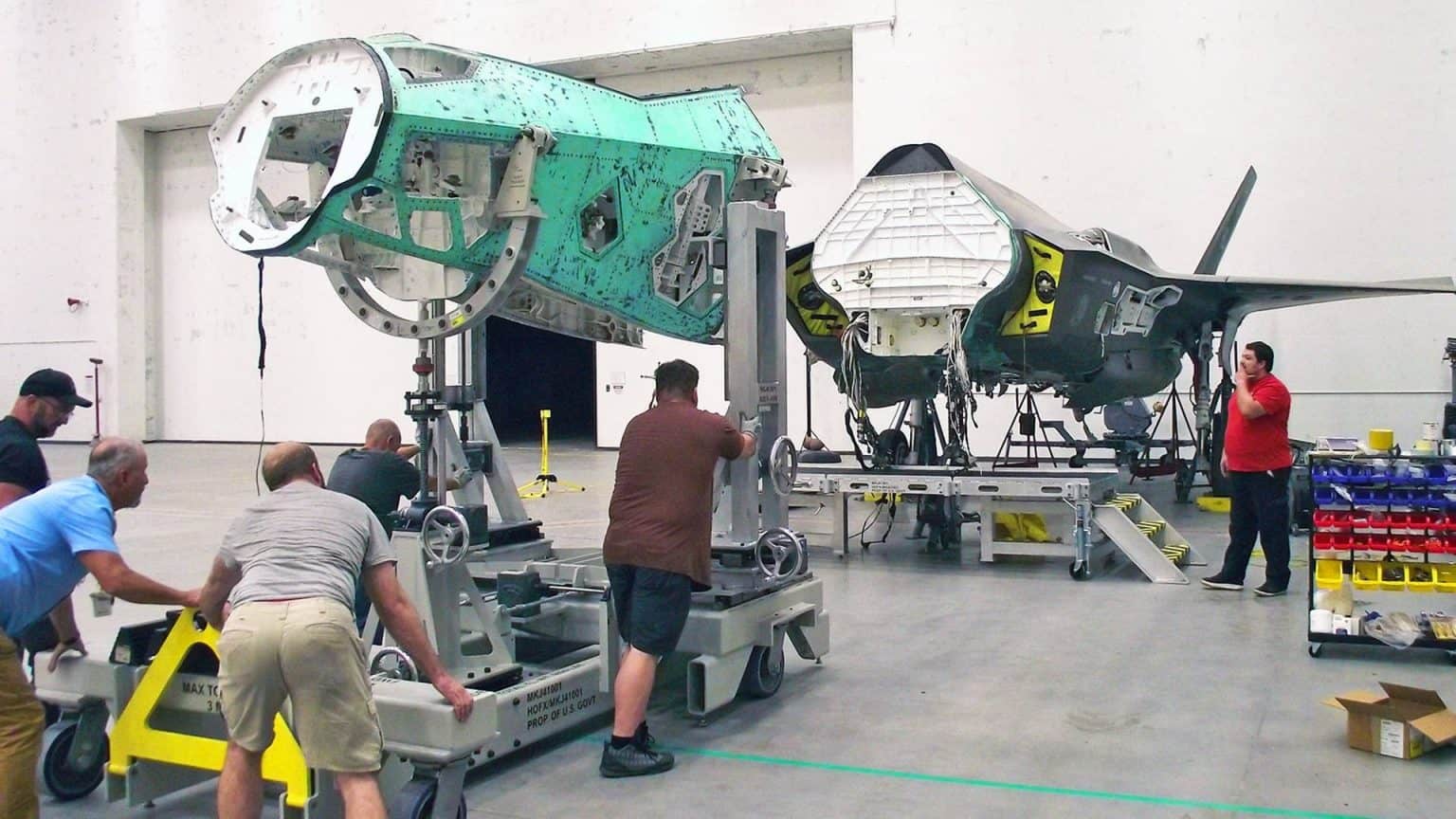
To maintain aerodynamic balance and flight characteristics, ballast is installed in the aircraft’s nose.
The issue arose as part of the transition to the new onboard systems package (Technology Refresh 3/Block 4).
Rob Wittman, chairman of the US House Subcommittee on Tactical Aviation, confirmed the problem.
According to him, delivering aircraft in the current configuration is a “challenge” because the APG-85 requires significantly more power and enhanced cooling compared with its predecessor.
This directly ties the radar delay to the need to upgrade the F-35’s engine and thermal management systems.
A similar historical example occurred in the 1980s with the Panavia Tornado F.2 (ADV) fighter-interceptor.
The Royal Air Force of the UK ordered the aircraft to protect its airspace from Soviet bombers. Its key system was to be the powerful AI.24 Foxhunter radar from GEC-Marconi. However, radar development lagged far behind aircraft production.
When the first Tornado F.2s reached operational units, they had empty nose cones. Flying like that violated aerodynamic balance. Engineers solved the problem simply—and somewhat comically—by filling the nose with concrete blocks to simulate the radar’s weight.
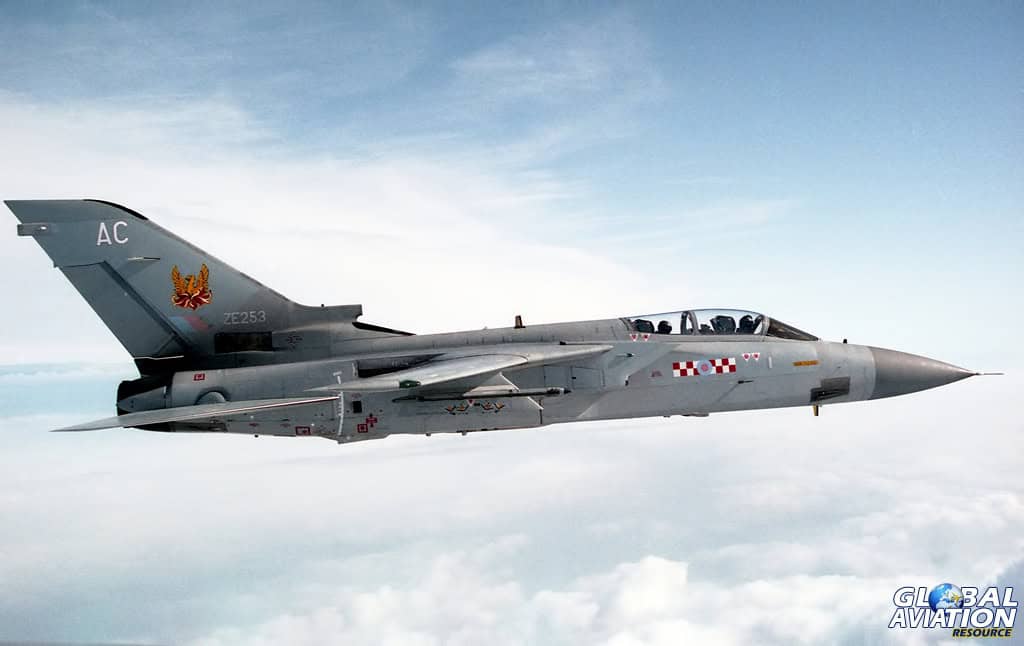
British pilots quickly nicknamed the block “Blue Circle,” referencing the well-known cement brand. A full Foxhunter radar was installed only years later on the Tornado F.3.
The Tornado’s successor, the Eurofighter Typhoon, experienced a similar situation. The first Tranche 1 aircraft entered service without the promised PIRATE optoelectronic system. Instead of the infrared sensor, a metal ballast plug occupied the nose until the system was finally delivered.
Підтримати нас можна через:
Приват: 5169 3351 0164 7408 PayPal - [email protected] Стати нашим патроном за лінком ⬇
Subscribe to our newsletter
or on ours Telegram
Thank you!!
You are subscribed to our newsletter