




Popular

The U.S. Army is set to retire hundreds of helicopters and drones and suspend purchases of armored vehicles as part of a sweeping reorganization aimed at eliminating “redundant and ineffective programs,” according to a report by Breaking Defense.
On May 1, Defense Secretary Pete Hegseth signed a directive initiating a “comprehensive transformation” of the Army, which includes disbanding certain formations, cancelling acquisitions of outdated equipment, and consolidating overlapping internal structures.
A key element of the overhaul is the merger of Army Futures Command (AFC) and Training and Doctrine Command (TRADOC) into a single entity.
AFC, established in 2018, is tasked with developing new weapons and technologies, while TRADOC focuses on training and doctrine. The merger is expected to streamline innovation and reduce duplication.
Additional directives include the restructuring of attack helicopter units, replacing some with lower-cost drone swarms, and phasing out legacy armored and aviation units across the active-duty force, reserves, and National Guard.
“The Army must transform at an accelerated pace by divesting outdated, redundant, and inefficient programs, as well as restructuring headquarters and acquisition systems to build a space-saving and more lethal force,” Hegseth wrote in a memo.
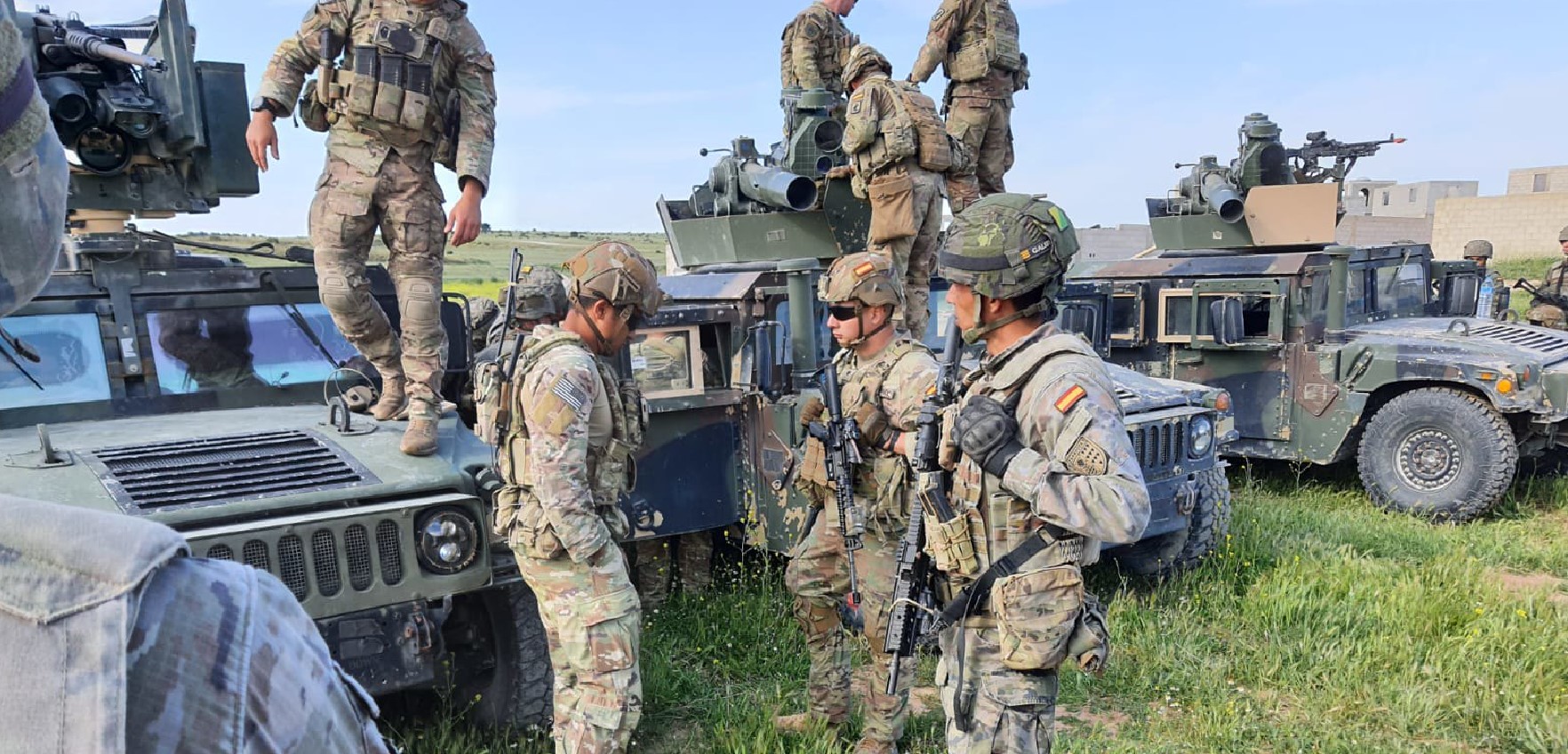
The Army will halt purchases of both the HMMWV tactical vehicle and the JLTV light armored vehicle. It will also stop production of the M10 Booker light tank, developed by General Dynamics Land Systems.
“Booker is a classic example of the faulty logic of sunk-cost and how the army does things wrong. We wanted to develop a lightweight tank that would be maneuverable and could land in places where our conventional tanks cannot operate. The result was a heavyweight tank,” said U.S. Secretary of the Army Daniel Driscoll.
Alex Miller, chief technical officer to the Army Chief of Staff, said the service also plans to retire its AH-64D Apache helicopter fleet. It remains unclear whether these will be replaced by newer AH-64E models.
“These Apaches are expensive to maintain,” said Gen. Randy George, Chief of Staff. “This decision should actually boost our combat readiness.”

The Army currently operates 91 AH-64D Longbow helicopters, some of which have been refurbished as AH-64E Apache Guardians.
Also on the chopping block is the General Atomics MQ-1 Gray Eagle drone, a more advanced derivative of the MQ-1 Predator. Although the platform remains in service, the Army now considers it outdated.
General Atomics spokesperson Mark Brinkley disputed that characterization, noting recent upgrades to the platform including the Gray Eagle 25M, a STOL variant, and the EagleEye radar.
“We developed the modernized Gray Eagle 25M, Gray Eagle STOL [short takeoff and landing], and EagleEye airborne radar to bring these platforms to the absolute cutting edge. We did this despite low funding priorities and a vague vision from the U.S. Army, which forced Congress and others to take bold steps on behalf of American soldiers,” Brinkley wrote in an email to Breaking Defense.
So far, 61 Gray Eagles have been delivered to the Army, with another 44 in production under government contracts. The drone is used for surveillance, target acquisition, electronic warfare, communications, and precision strikes.

Army Chief of Staff General Randy George cautioned that the announced arms reduction plans were only the first stage, while “a second round of transformational efforts will be implemented in the coming months.”
The scope of future reductions remains unclear, but Army leadership has signaled that even deeper cuts to the ground equipment fleet were likely, including potential halts to modernization programs and competitions to replace the Bradley infantry fighting vehicle and Stryker armored personnel carrier.
Hegseth’s memo, while detailing equipment drawdowns, also outlined areas of continued investment:
Retired Maj. Gen. John Ferrari, now a senior fellow at the American Enterprise Institute, noted the timeline was not coincidental.
“This is a bold plan by the army and its leadership that integrates strategic decisions and timelines, setting 2027 as a clear endpoint – and that is only 32 months away,” commented Ferrari for Breaking Defense.
Підтримати нас можна через:
Приват: 5169 3351 0164 7408 PayPal - [email protected] Стати нашим патроном за лінком ⬇
Subscribe to our newsletter
or on ours Telegram
Thank you!!
You are subscribed to our newsletter