






Popular
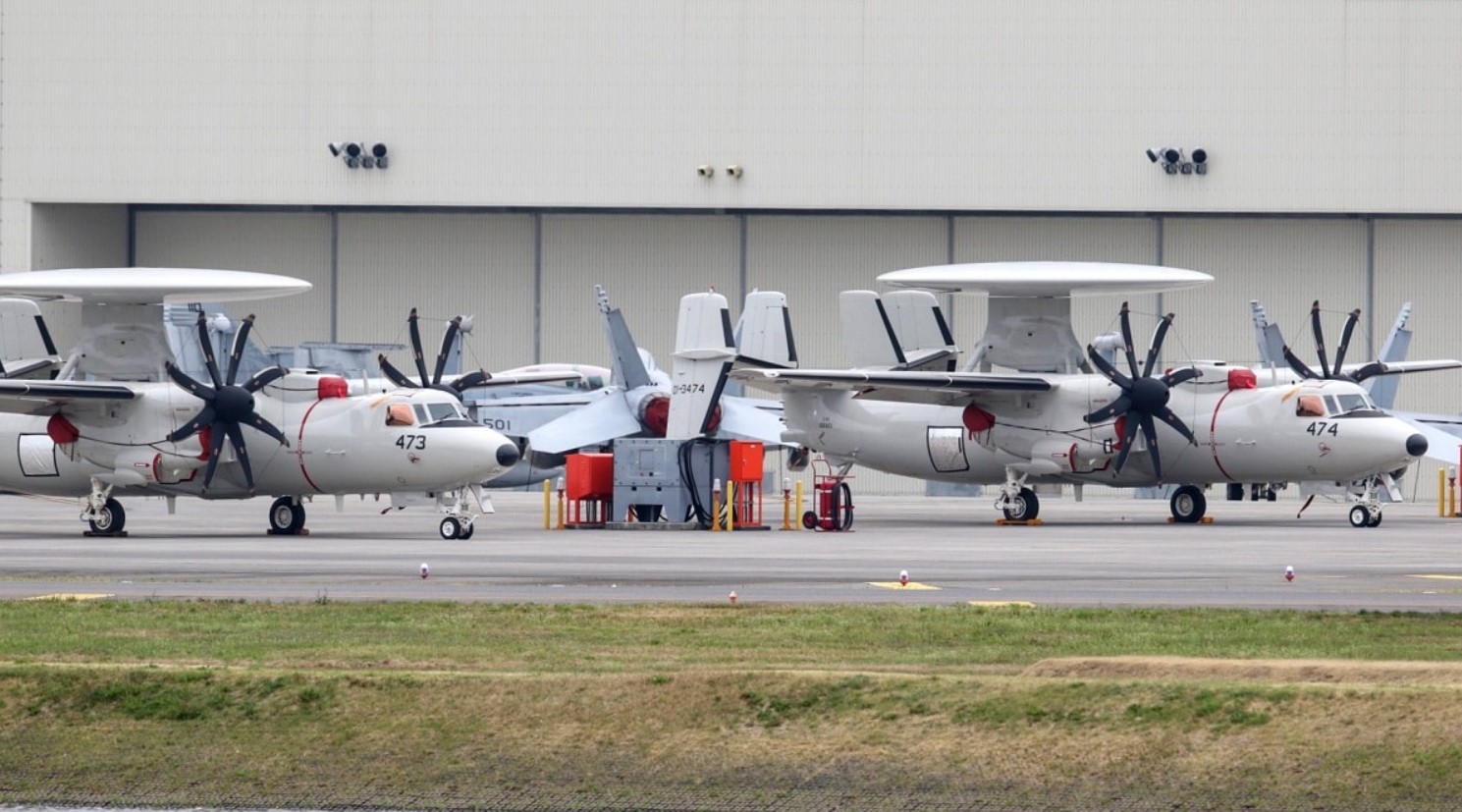
In January 2026, Japan’s Board of Audit reported that military equipment worth about $6.9 billion, purchased from the United States under the Foreign Military Sales (FMS) program, has not yet been delivered to the Japan Self-Defense Forces.
The audit noted that more than five years have passed since the contracts were signed, but the equipment has still not arrived. According to Defence Blog, the findings were outlined in a report submitted to Japan’s parliament at the request of the House of Councillors.
The report revealed that 118 procurement contracts remain unfulfilled well beyond their originally planned delivery schedules.
The main cause of the delays was identified as problems with U.S. manufacturers, forcing the Japanese military to continue using outdated equipment.
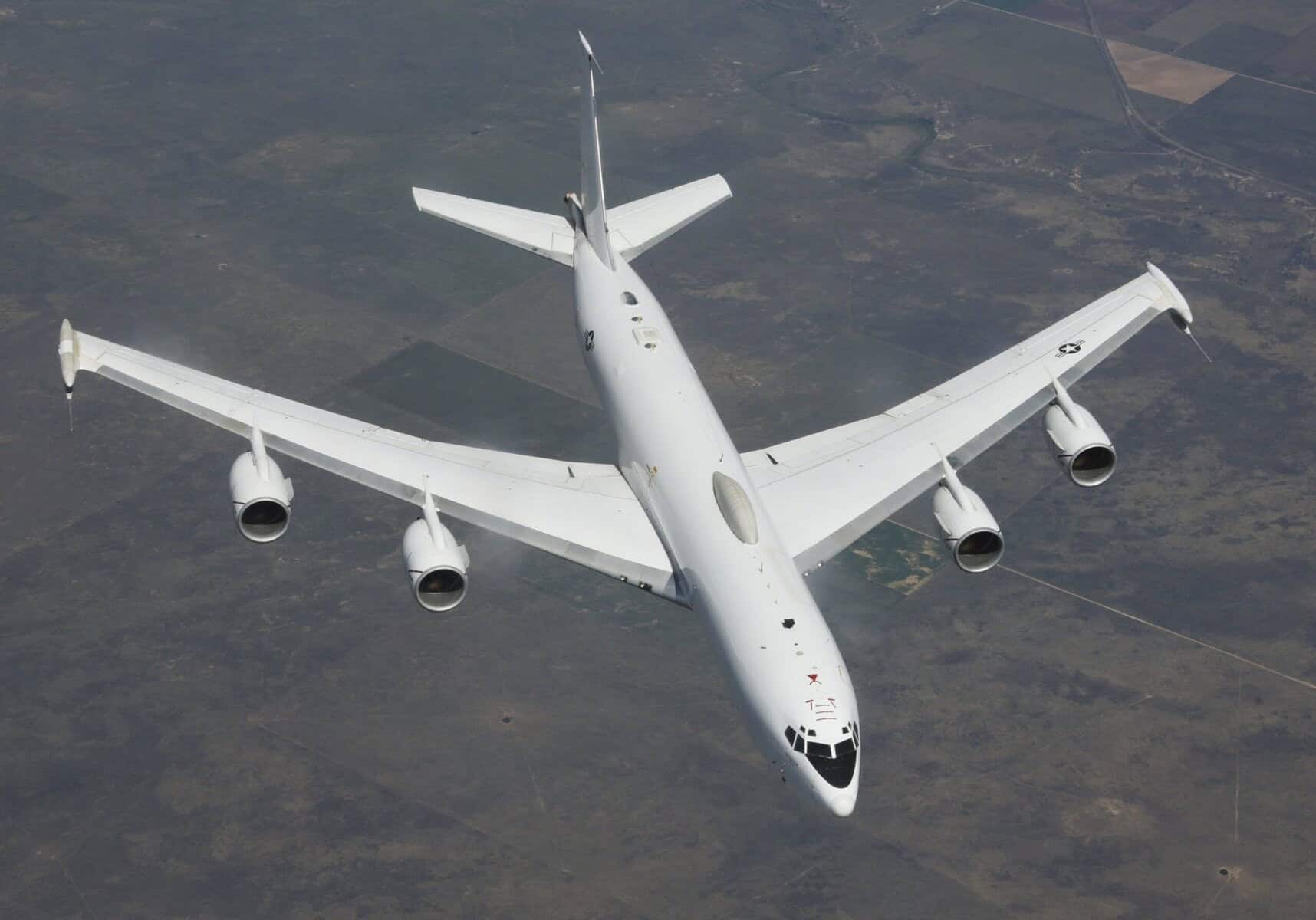
One of the most serious examples cited was the lack of maintenance equipment for E-2D Advanced Hawkeye airborne early warning aircraft.

The planned deliveries never took place, directly affecting the Air Self-Defense Force’s ability to maintain the operational readiness of this key element of the air defense system.
The report emphasizes that under the FMS system, delivery timelines specified in contracts are only indicative and are not legally binding on the U.S. government. This leaves Japan with little leverage after signing agreements and making advance payments.
The U.S. side frequently altered delivery schedules through administrative decisions without consulting the Japanese side.
Japan had already paid most contracts in full, yet the equipment was not delivered. In some cases, the funds remained “frozen” for years, creating significant financial and operational risks for the armed forces.
The Court of Audit also highlighted structural problems in the Foreign Military Sales (FMS) system: contracts are signed by the U.S. government rather than directly with Japan, which reduces transparency and limits Japan’s ability to exercise oversight and control.

Japan’s Ministry of Defense repeatedly appealed to U.S. authorities to speed up deliveries, but achieved only partial results.
The report recommends strengthening oversight of contract execution and more closely monitoring delayed items in order to avoid gaps in combat readiness.
Підтримати нас можна через:
Приват: 5169 3351 0164 7408 PayPal - [email protected] Стати нашим патроном за лінком ⬇
Subscribe to our newsletter
or on ours Telegram
Thank you!!
You are subscribed to our newsletter