



Popular

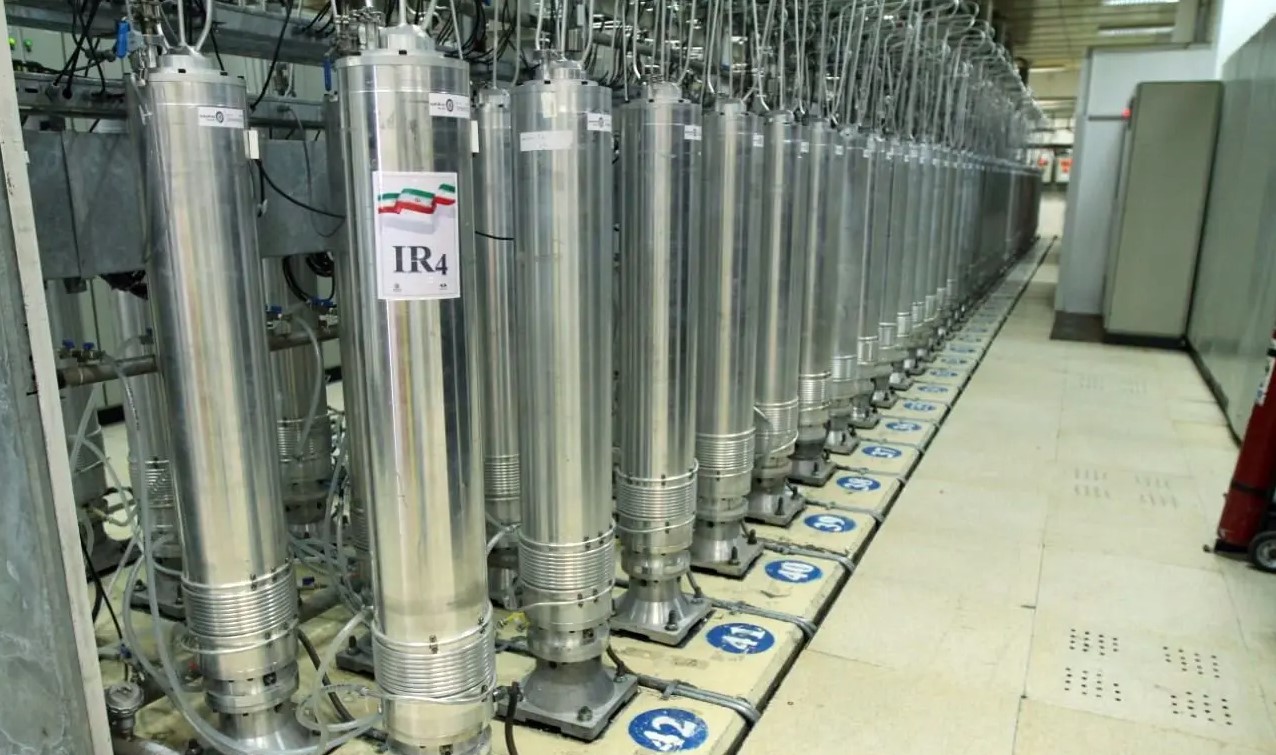
The most sensitive facilities of Iran’s nuclear program are located at a depth that is beyond the reach of conventional bombardment and potentially even nuclear strikes.
Rafael Grossi, Director General of the International Atomic Energy Agency (IAEA), stated this in an interview with the Financial Times.
Iran granted IAEA inspectors access to its nuclear sites under the framework of the 2015 Joint Comprehensive Plan of Action (JCPOA), designed to limit the number of centrifuges used for enriching weapons-grade uranium and to reduce existing stockpiles.
As a result, for three years prior to the collapse of the agreement, IAEA specialists had the opportunity to examine the infrastructure of Iran’s nuclear program. According to Grossi, its most critical components are effectively impervious to potential strikes by the United States or Israel.
“The most sensitive elements are located half a mile [800 meters] underground — I’ve been there many times,” he said. “To reach them, you have to go down, down, down through a spiral tunnel.”
This represents an extraordinary underground fortification level comparable to the world’s most secure nuclear facilities from the Cold War era. For example, the U.S. NORAD complex inside Cheyenne Mountain, responsible for early detection of intercontinental ballistic missile launches, is situated 600 meters below ground. It is designed to withstand a direct nuclear strike or a nearby detonation of up to 30 megatons at a distance of several kilometers.

The latest IAEA report states that Iran has imposed restrictions on inspectors and now possesses large — and growing — stockpiles of uranium enriched to 60% purity.
Grossi notes that “at this moment, Iran does not have nuclear weapons, but it does have the material.” A bomb could be developed very quickly.
Iran likely already possesses the necessary materials to produce its first warheads. In 2023, Bloomberg reported that an IAEA inspection had detected uranium enriched to 84% — just 6% below the threshold required for a nuclear weapon.
This level of isotope concentration is significantly higher than the 5% typically used for fuel assemblies in thermal reactors that generate electricity.
Previously, Iran had officially declared its capability to enrich uranium to 90% — the level required for nuclear weapons-grade material.
Militarnyi previously reported that Iran is developing a ballistic missile capable of carrying a nuclear warhead, with a range of 3,000 kilometers, based on designs transferred to the Islamic regime by North Korea.
Підтримати нас можна через:
Приват: 5169 3351 0164 7408 PayPal - [email protected] Стати нашим патроном за лінком ⬇
Subscribe to our newsletter
or on ours Telegram
Thank you!!
You are subscribed to our newsletter