



Popular
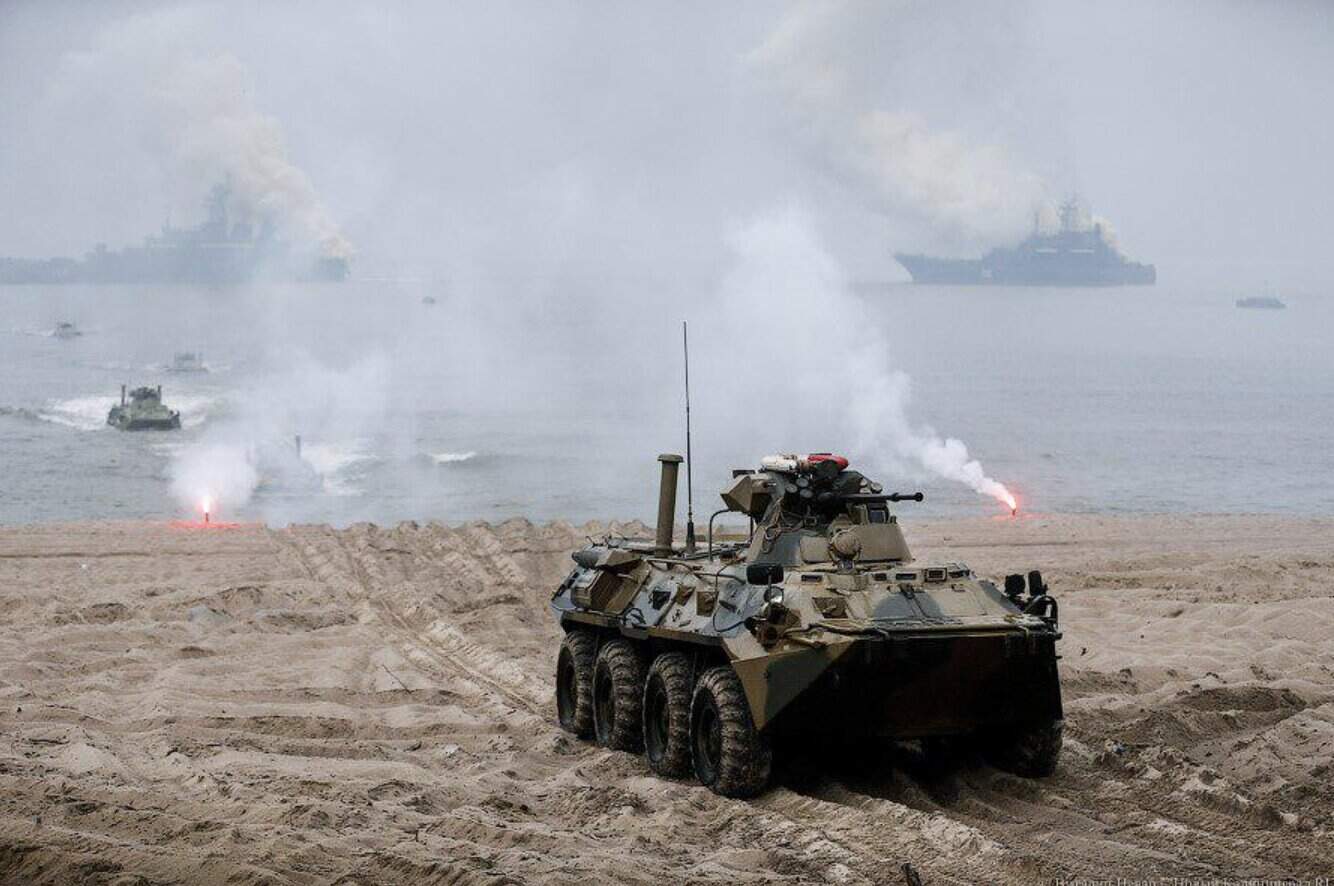
The German publication WELT, together with experts, conducted a wargame that simulated Russia’s invasion of Lithuania to create a land corridor with the Kaliningrad region.
The simulation revealed serious gaps in the readiness of Germany and Europe as a whole to respond quickly and decisively without clear leadership from the US.
The scenario of the military game envisaged limited Russian military escalation in the Baltic region amid Washington’s indecisive position.
In such circumstances, as the simulation showed, European allies take a very long time to make decisions.
The project did not aim to predict real developments. Its task was to identify weaknesses in political and military decision-making, as well as structural constraints that manifest themselves during crises.
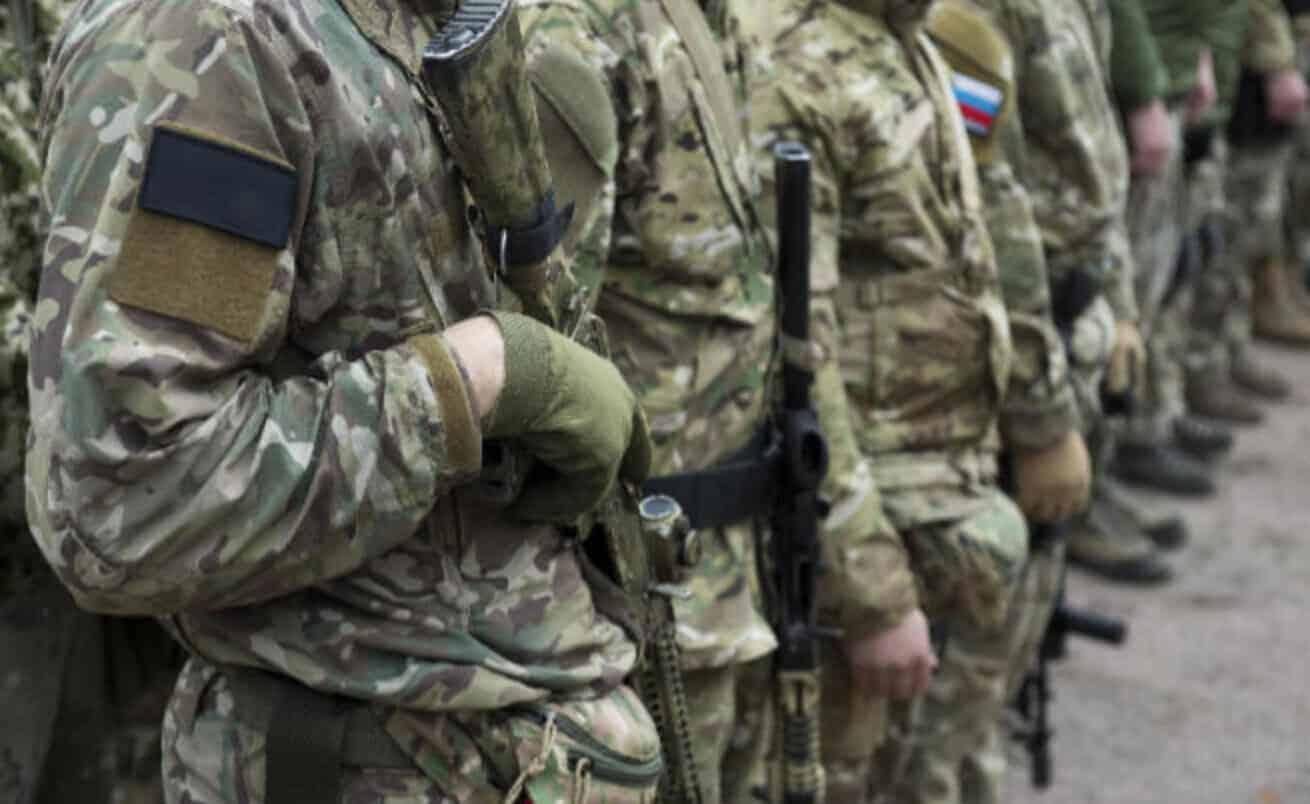
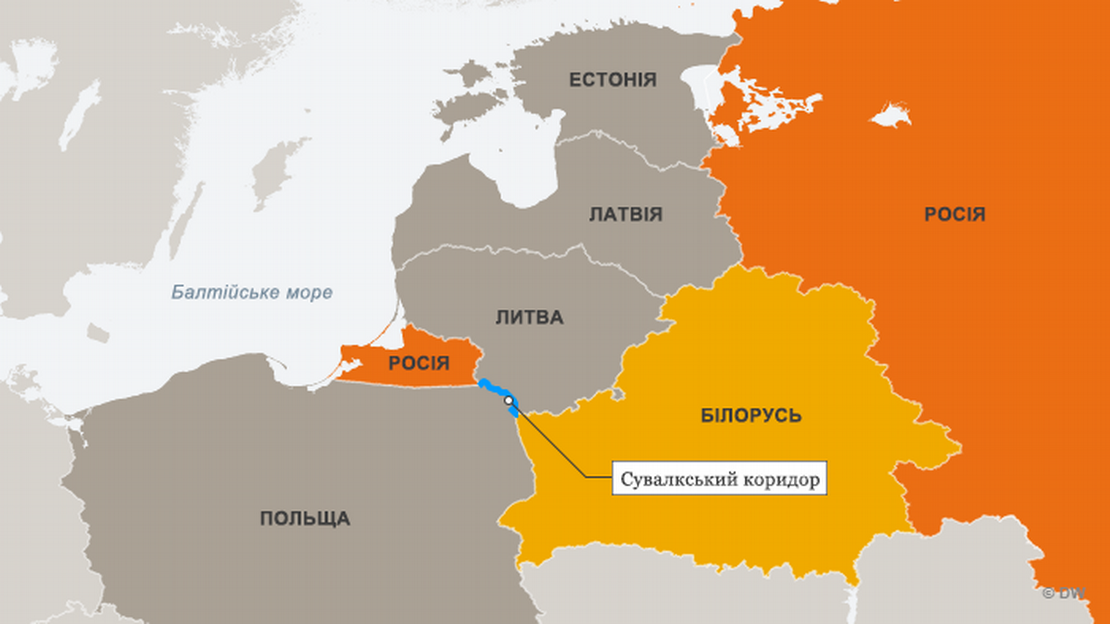
Under the terms of the game, Russian troops created a land corridor through Lithuania, connecting Belarus with the Kaliningrad region.
The corridor ran through the Suwałki Gap, a strategically vulnerable area that is NATO’s only land link to the Baltic countries.
Germany’s response in the simulation included sanctions pressure, naval measures in the Baltic Sea, and internal crisis preparedness, including civil protection and economic security measures.
At the same time, Berlin avoided a direct military response in the initial phase.
The German leadership focused less on immediately thwarting Moscow’s key objectives than on seeking consensus among allies, sending political signals, and deterring escalation.
One of the key conclusions of the simulation was that, once a “fait accompli” had been created on the ground, countering it would require significantly greater resources and carry high risks.
Former senior officials, retired military commanders, NATO representatives, and leading security experts participated in the wargame.
All participants acted independently, without a pre-prepared scenario.

The events of the game unfolded at the end of October 2026 — after the ceasefire in Ukraine, the “freezing” of the front line, leaving Russia in control of the occupied territories.
Following the Zapad 2026 exercises, according to the scenario, part of the Russian troops remained in Belarus.
Against the backdrop of security incidents that Lithuania attributed to Russian special forces, Vilnius closed its border.
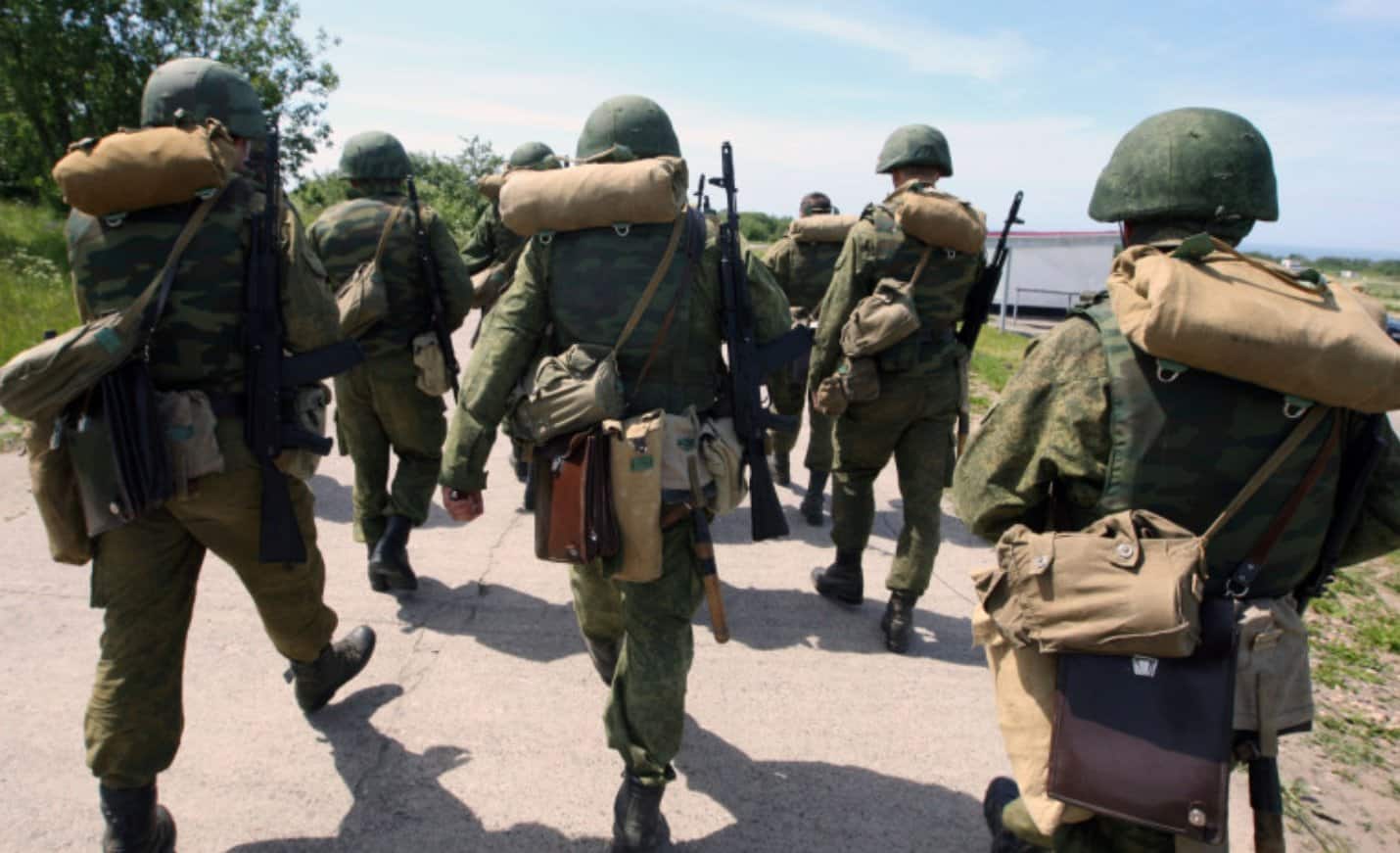
In response, Moscow declared a “humanitarian crisis” in Kaliningrad and demanded a transit corridor through Lithuanian territory.
European officials and experts emphasize that after a possible “bad peace” in Ukraine, Russia could become even more dangerous for NATO.
Підтримати нас можна через:
Приват: 5169 3351 0164 7408 PayPal - [email protected] Стати нашим патроном за лінком ⬇
Subscribe to our newsletter
or on ours Telegram
Thank you!!
You are subscribed to our newsletter