

Popular

Analysts from the Hudson Institute, Luke Coffey and Jan Kasapoglu, proposed eight targets for deep strikes against Russia aimed at breaking the current positional stalemate in the war.
The report, titled Breaking the Stalemate: Russian Targets Ukraine Should Strike, was published on August 11, 2025.
It lists eight strategic Russian targets that, in their opinion, could become key to turning the tide of the war.
According to the authors, striking these targets could significantly undermine Russia’s ability to conduct the war against Ukraine.
The Volga–Don Canal is a key route between the Caspian Sea and the Black Sea via the Sea of Azov, used for both military and commercial transport.
It is also crucial to Russia’s internal waterways, connecting the Baltic and White Seas with the Black Sea.
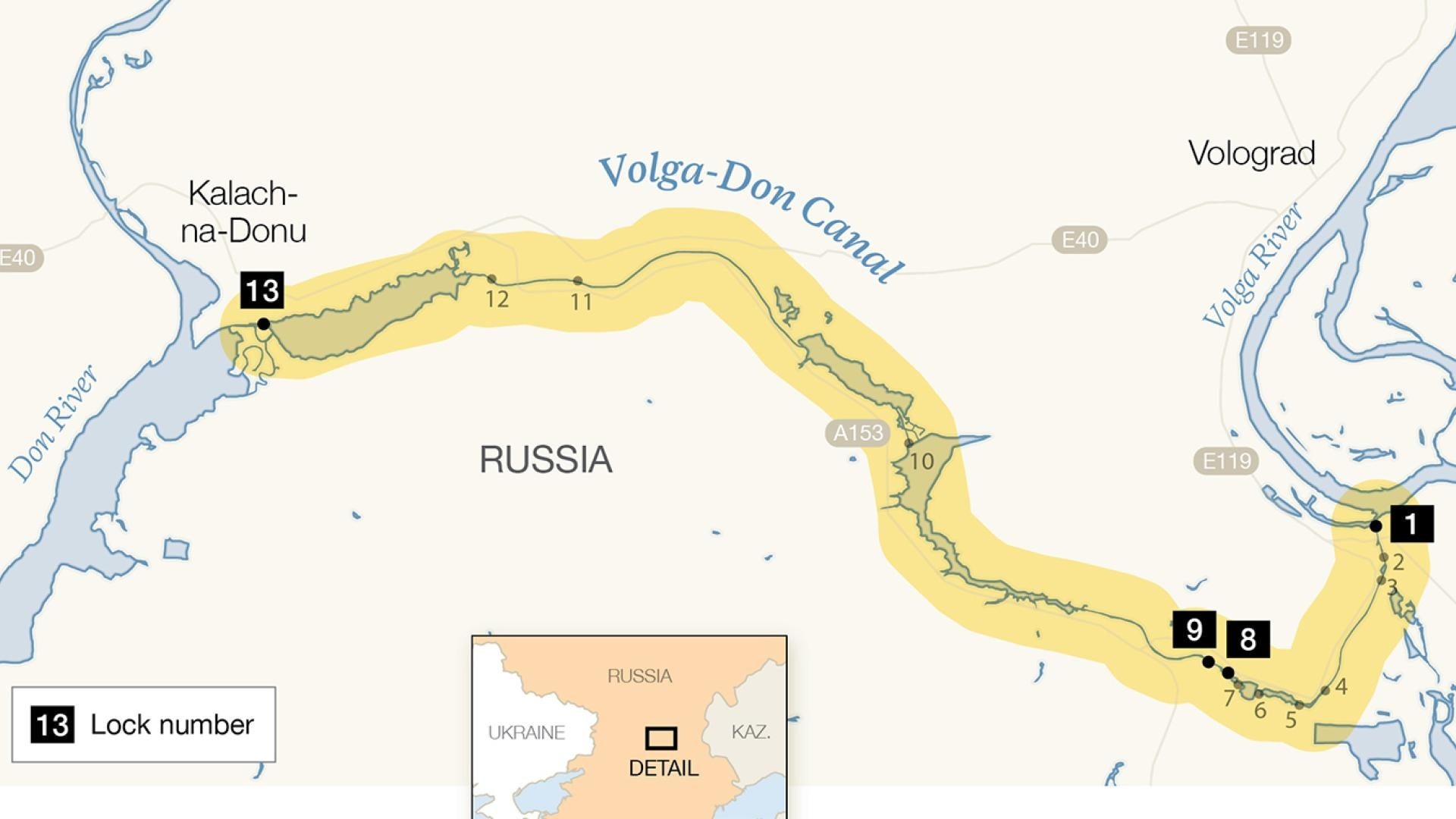
The Volga–Don Canal consists of 13 locks – nine on the Volga slope and four on the Don slope – and several of these are critically vulnerable. The vulnerable points are locks No. 8 and No. 9 (the hydraulic complex).
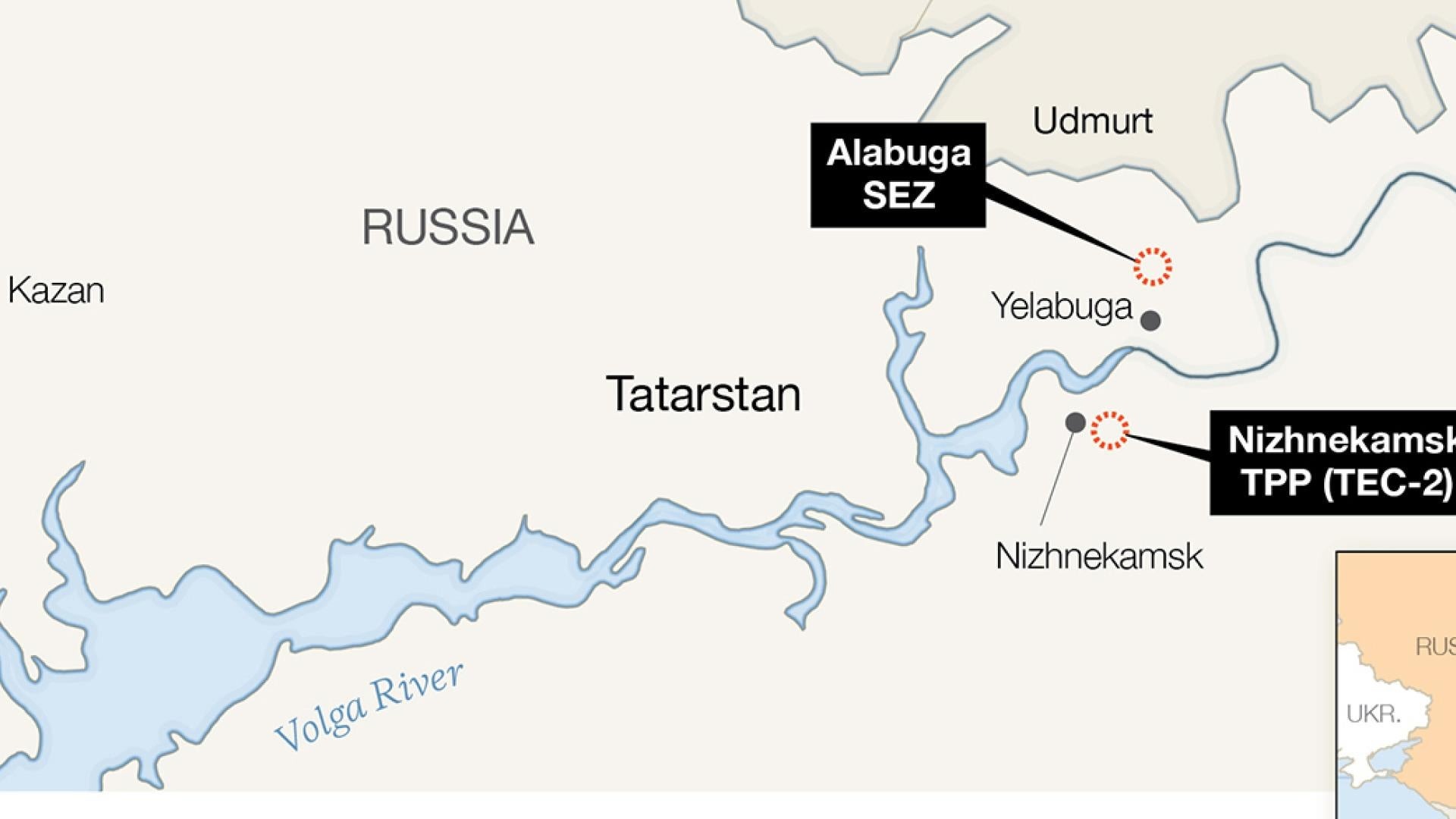
The joint Russian-Iranian Shahed plant in Tatarstan is the main production facility for kamikaze drones (Shahed-131/136/238 and their Russian counterparts), with a capacity of up to 190 units per day. Both the plant itself and its power supply (Nizhnekamsk Combined Cycle Power Plant) are potential targets.
The China-Russia land routes – particularly the border railway hubs of Manzhouli-Zabaykalsk and Suifenhe-Pogranichnyy – are especially significant.
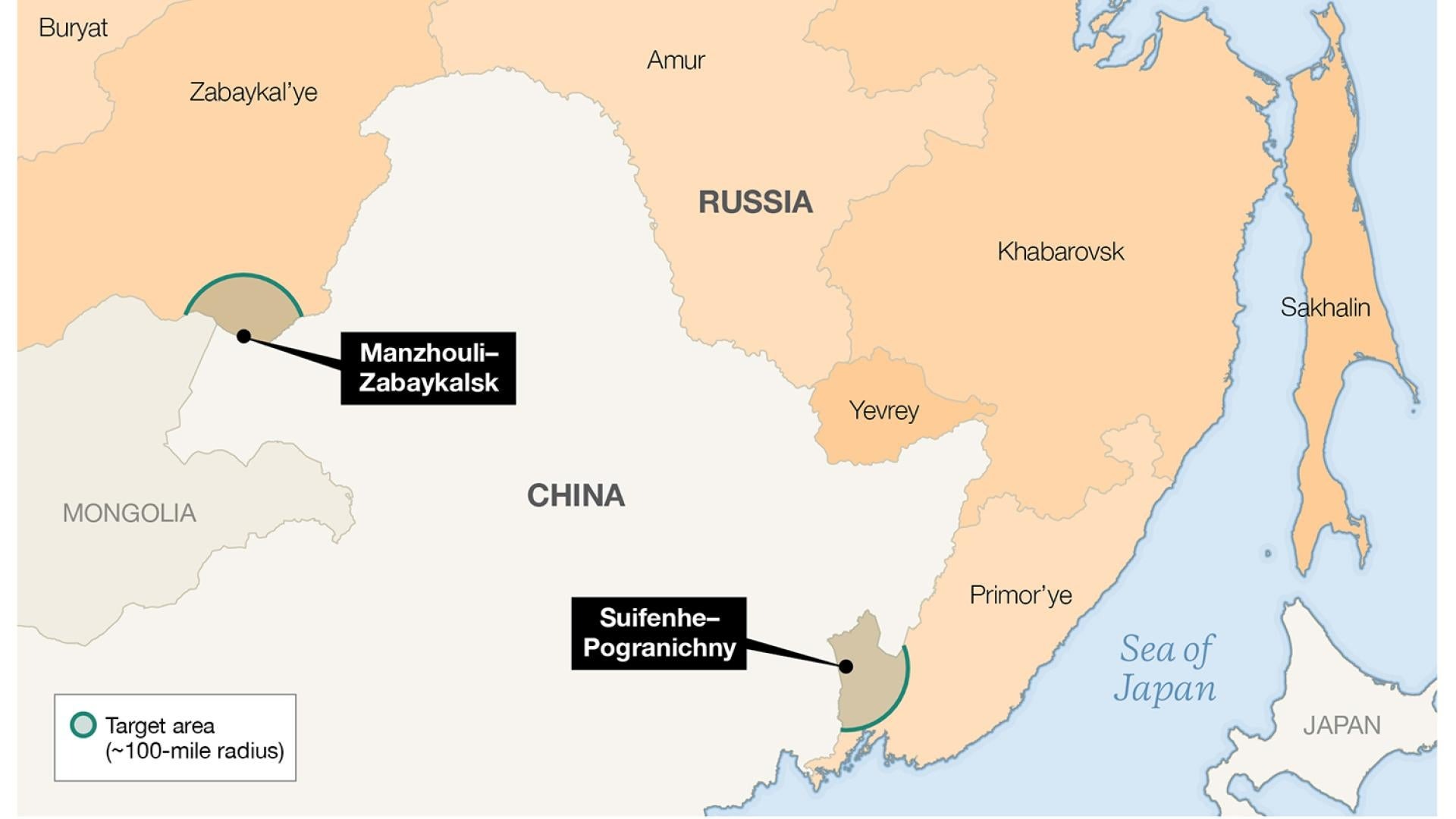
Analysts propose sabotage operations within a 100-mile radius on Russian territory to disrupt the supply of critical goods.
Access points to Crimea (the Kerch Bridge and the bridges over Syvash) – the Chonhar, Syvash, and Henichesk bridges – which provide the main land routes from Crimea to southern Ukraine.
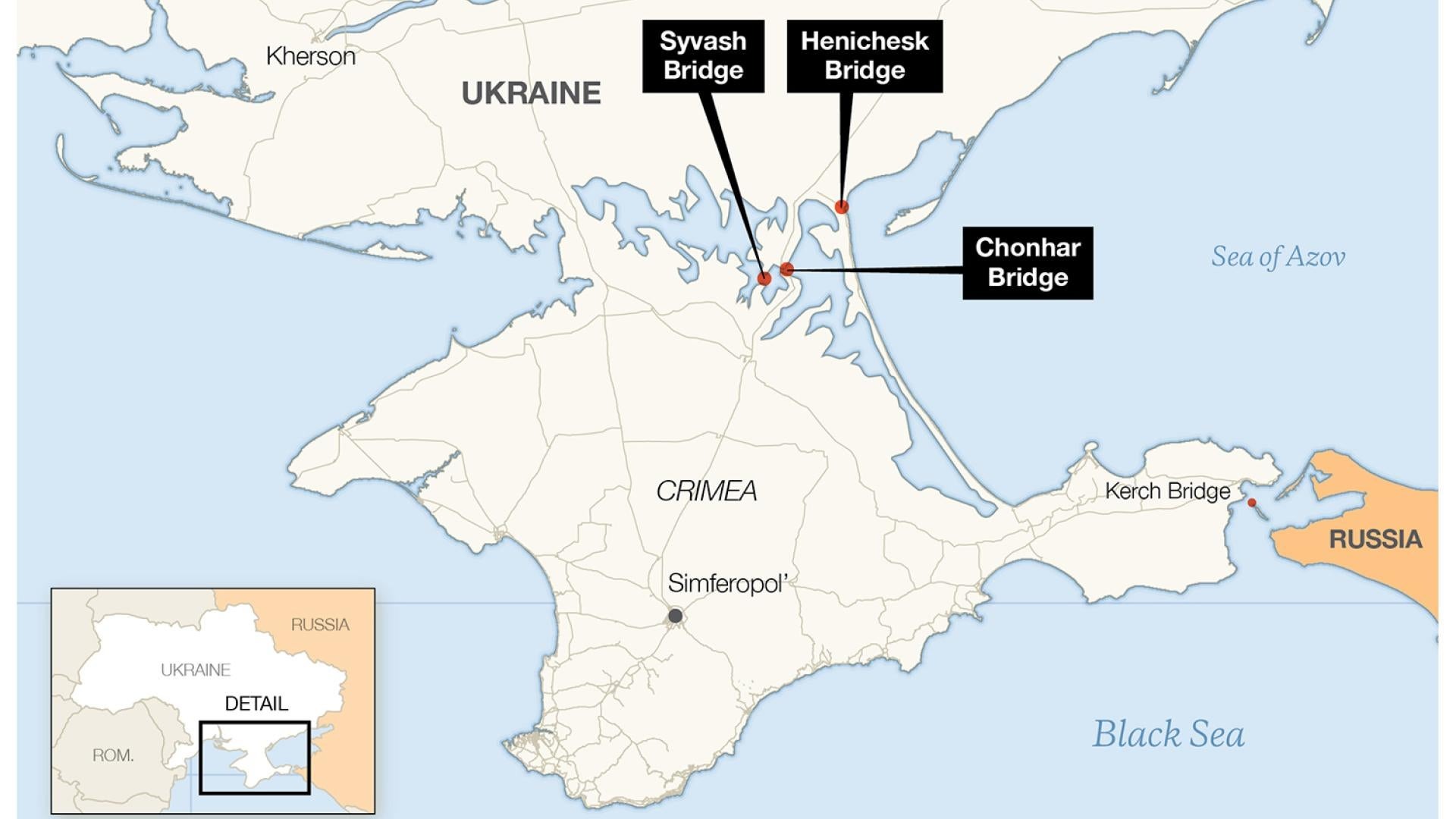
According to the researchers, destroying these bridges would complicate the supply of Russian forces in the occupied territories of Ukraine and hinder the maneuverability of Russian troops.
Key railway bridges in Russia’s Western Military District – especially those critical for transporting fuel and ammunition – are prime targets. Striking bridges, transformers, and traction substations would create long-term bottlenecks in logistics.
A new Russian Navy base in Abkhazia (Ochamchira) is being built for part of the Black Sea Fleet following strikes on Crimea. In July 2024, the first Russian naval vessel arrived at the base in the occupied part of Georgia.
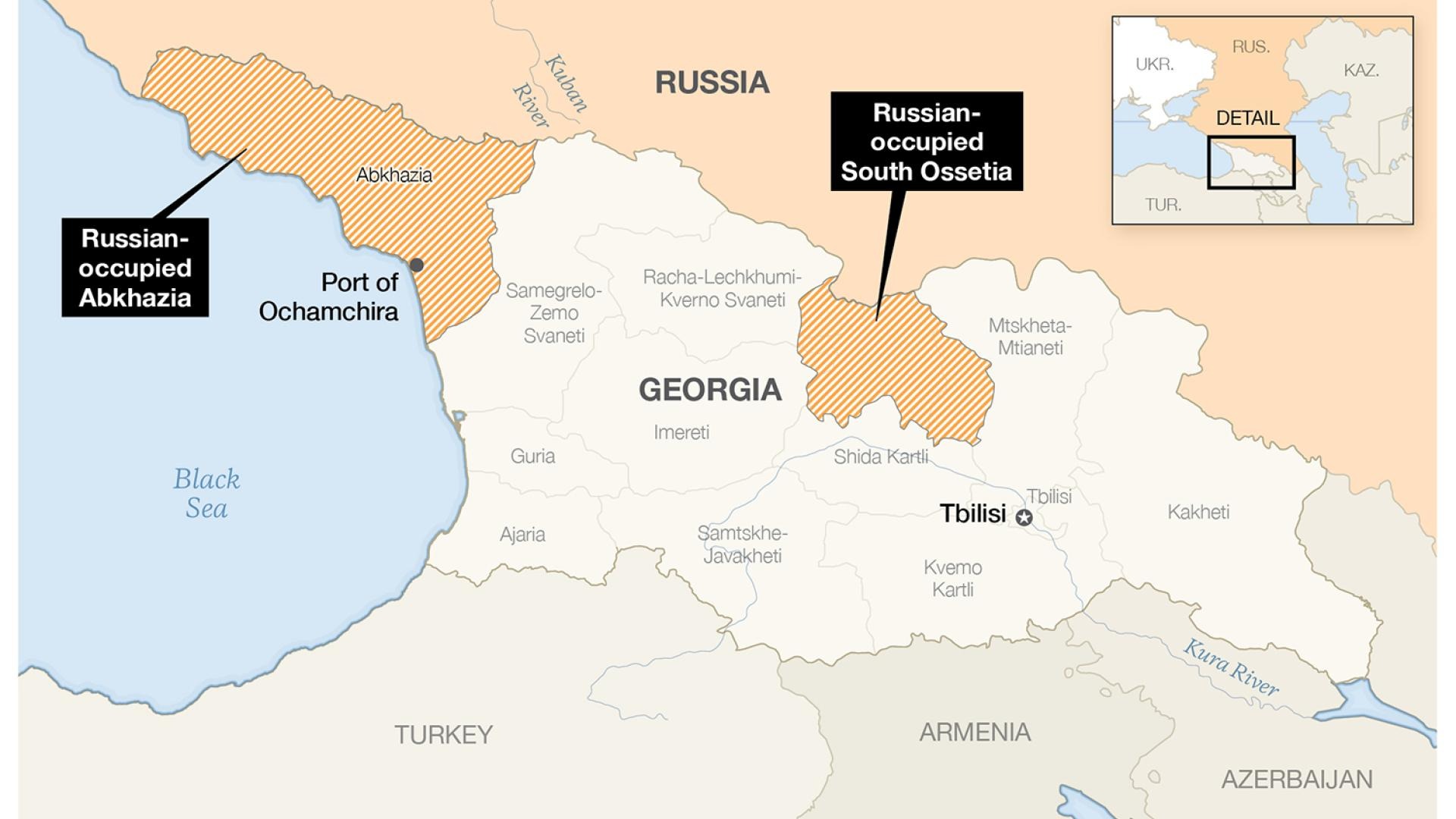
Vulnerabilities include the lack of fortifications, dependence on local communications, and a single line of connection.
Transnistria hosts an isolated Russian contingent (~1,500 troops) with no possibility of reinforcements. A potential takeover would reduce the threat to Odessa and deprive Russia of a foothold in the west.

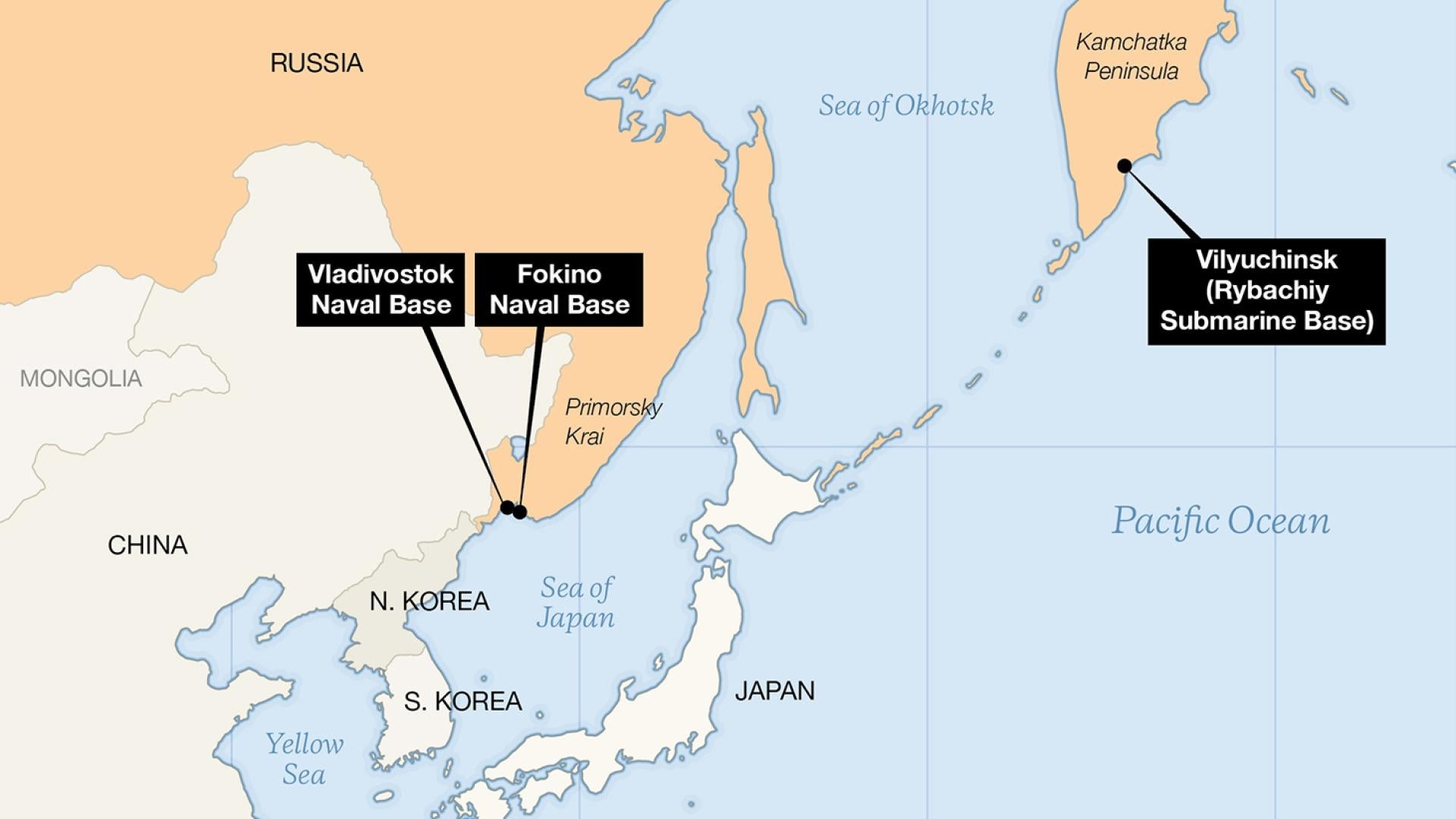
Russian Pacific Fleet bases are not directly involved in the war, but their naval infantry is fighting in Ukraine. It is proposed to use maritime or aerial drones to demonstrate strategic reach and force Russia to disperse its forces.
Strikes on the listed targets should increase the political and economic cost of aggression and destroy Russia’s key logistical, industrial, and military capabilities.
Підтримати нас можна через:
Приват: 5169 3351 0164 7408 PayPal - [email protected] Стати нашим патроном за лінком ⬇
Subscribe to our newsletter
or on ours Telegram
Thank you!!
You are subscribed to our newsletter