



Popular

The Ukrainian low-Earth-orbit satellite constellation project UASAT LEO has entered the implementation stage. The launch of Ukraine’s first satellite is scheduled for October 2026, and a launch slot to place it into orbit has already been secured.
SkyLinker reported on this.
According to the media, high-speed satellite communications have reshaped modern warfare, marking the beginning of an era of “drone warfare.” The effective use of satellite networks such as Starlink, OneWeb, and other systems has highlighted the critical importance of satellite communications during a full-scale military conflict.
Meanwhile, Ukraine’s critical dependence on such companies – operators of satellite communication solutions – has become more apparent, especially given the uncertainty surrounding U.S. foreign policy.
Ukrainian technology company STETMAN, the operator of the UASAT satellite communications system, has developed UASAT LEO, its own low-Earth-orbit satellite constellation project. Overall, the company has an ambitious goal: to build a constellation of 245 low-orbit communications satellites.
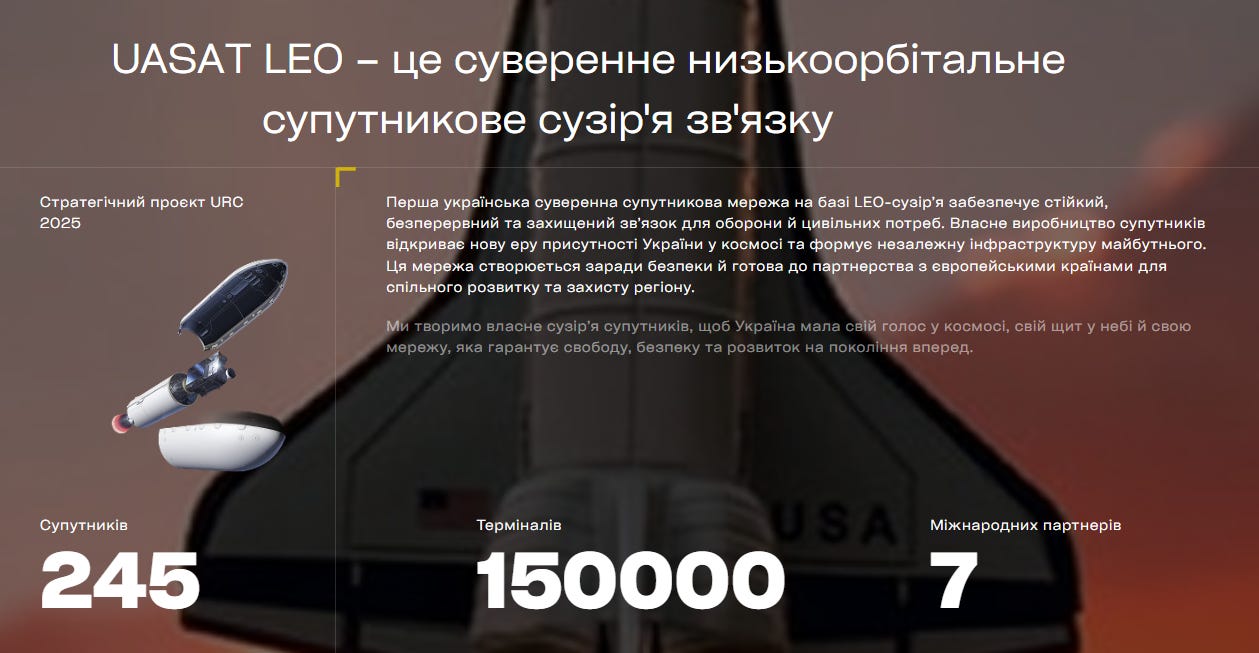
A key feature of the project is the integration of the capabilities, technologies, and needs of all its participants. The orbits of low-Earth-orbit satellites inevitably cover the territories of multiple countries, many of which share similar needs for their own sovereign communications systems. The current availability of technology makes it possible not only to implement such a project quickly, but also to design it from the outset to be economically viable for all participants.
It is noted that the UASAT LEO project quickly received support from the Ukrainian government and from companies in partner countries. Relevant European Union institutions have also backed the project. Leading global companies are involved in the development and production of the project’s technological solutions.
The joint efforts of the project’s developers, manufacturers, and partners have placed UASAT LEO on a clear path toward launch. STETMAN has already officially registered the first satellite of the UASAT constellation in accordance with the rules of the international regulator, the ITU. This marks the first registration of a Ukrainian satellite in a very long time.
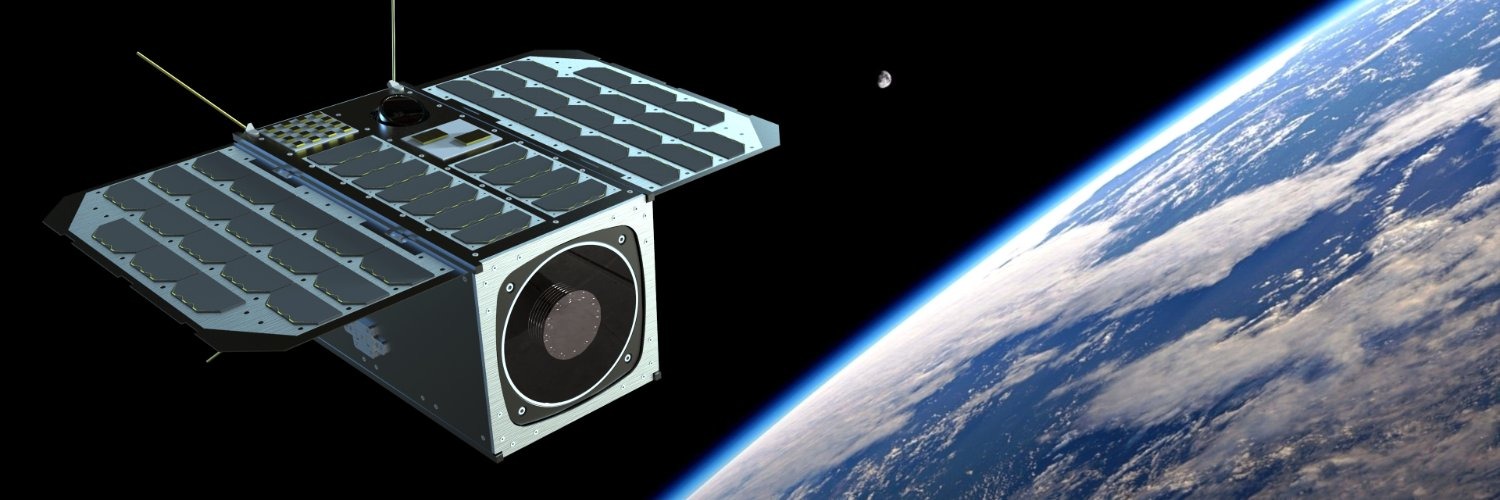
The launch of Ukraine’s first communications satellite—intended to serve as a key platform for testing and validating technologies—is scheduled for October 2026. A launch slot for delivery to orbit has already been secured, and the satellite has been named UASAT-NANO.
UASAT LEO is designed to provide a dedicated satellite network for sovereign communications for Ukraine and its partner countries. The project also includes the development and production of modern satellite communication terminals. As a result, the initiative is expected to become a key solution for ensuring reliable, independent communications in line with the country’s needs.
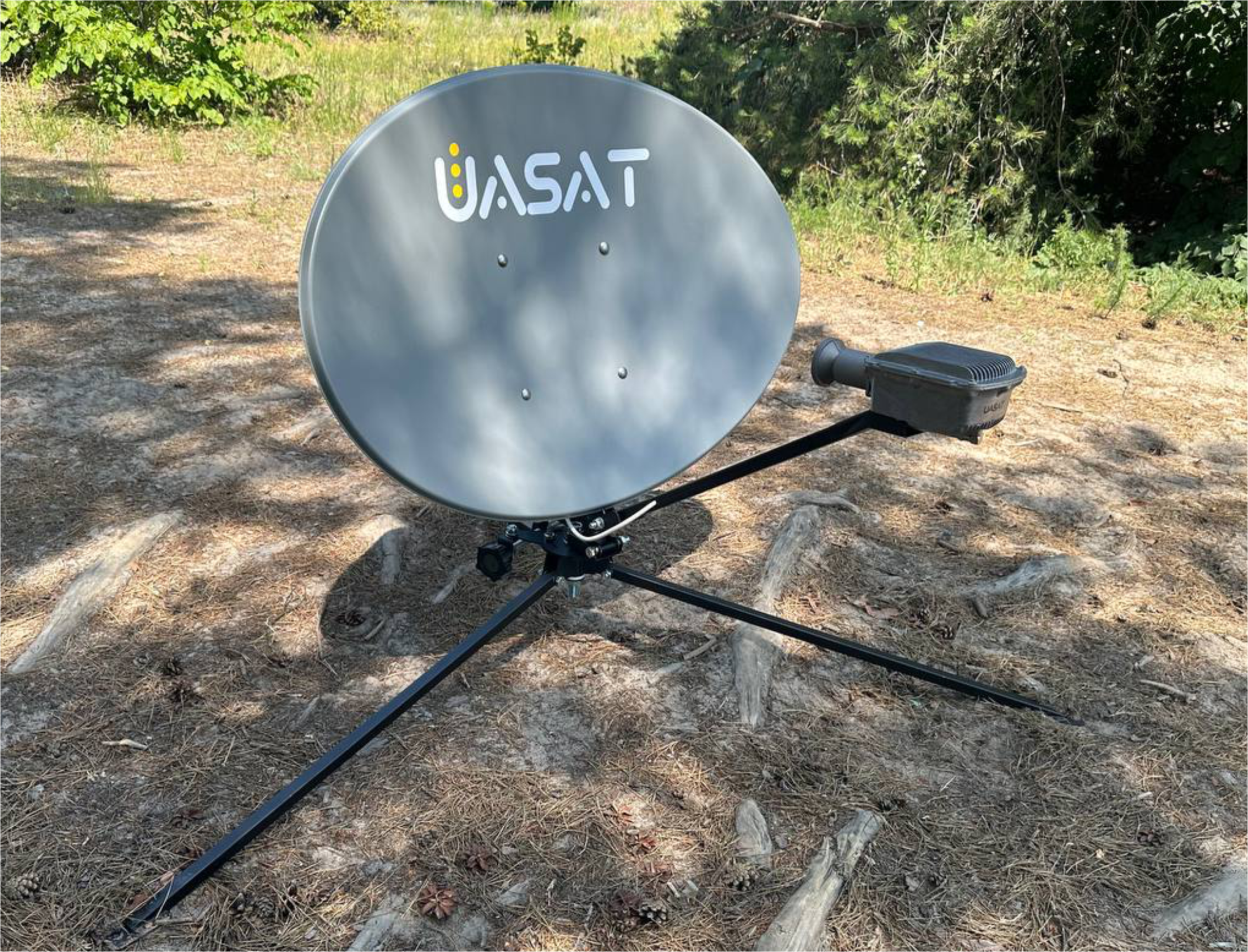
The media emphasizes that the idea is not just commercial competition with global operators such as Starlink, OneWeb, Amazon LEO, and others. Ukraine, like its partner countries, requires its own reliable communications system to meet critical civilian and defense needs. UASAT LEO is being created precisely for this purpose.
Since the beginning of Russia’s full-scale invasion, the issue of a sovereign satellite communications and reconnaissance system has become more urgent than ever. Despite intelligence support provided by partner countries, such information sharing can be constrained by partners’ perceptions of “escalation” and, due to the need for additional coordination, is slower than sovereign decision-making systems.
Meanwhile, a single domestically owned SAR satellite purchased through volunteer efforts, along with access to commercial satellite services, is not sufficient to cover all operational needs.
Therefore, as early as October 2022, the governments of the Czech Republic and Ukraine reached a political agreement to establish a defense cluster, within which a project was launched for Czech-Ukrainian cooperation to develop satellites required by both countries.
At the end of March 2025, it was announced that the Ministry of Defense had established a Space Policy Directorate.
“It will bring together all stakeholders involved in space activities in one place and unify their efforts. This includes space enterprises, international partners, commercial companies, the scientific community, and, of course, the defense forces,” Kateryna Chornohorenko said, describing the directorate’s mission.
The directorate operates in three main areas:
Starting in 2026, Ukraine is expected to develop satellites jointly with partner countries. The same year, plans include the development of a space situational awareness system and its integration into defense technologies.
The final step, planned for 2030–2035, is the creation of a complete defense space segment, specifically a satellite constellation that will provide real-time analytics and become part of global security projects.
A key component of the “Suzir’ya” optical reconnaissance constellation will be the Drak satellite, developed specifically for the Armed Forces of Ukraine by companies within the Czech Brno Space Cluster, in cooperation with Ukrainian specialists. The main integrator of the project is the Czech company TRL Space. The satellite will be equipped with a visible-spectrum camera with very high resolution less than one meter per pixel.
In total, five satellites are planned to be launched: the first in 2026 and the last in 2031.
In September 2025, Ukrainian and French companies signed an agreement to cooperate in space technologies, which includes the creation of a satellite constellation. The agreement covers the formation of a national consortium to launch a constellation of small intelligent satellites, ensuring Ukraine’s sovereign access to space observation data.
Підтримати нас можна через:
Приват: 5169 3351 0164 7408 PayPal - [email protected] Стати нашим патроном за лінком ⬇
Subscribe to our newsletter
or on ours Telegram
Thank you!!
You are subscribed to our newsletter