



Popular
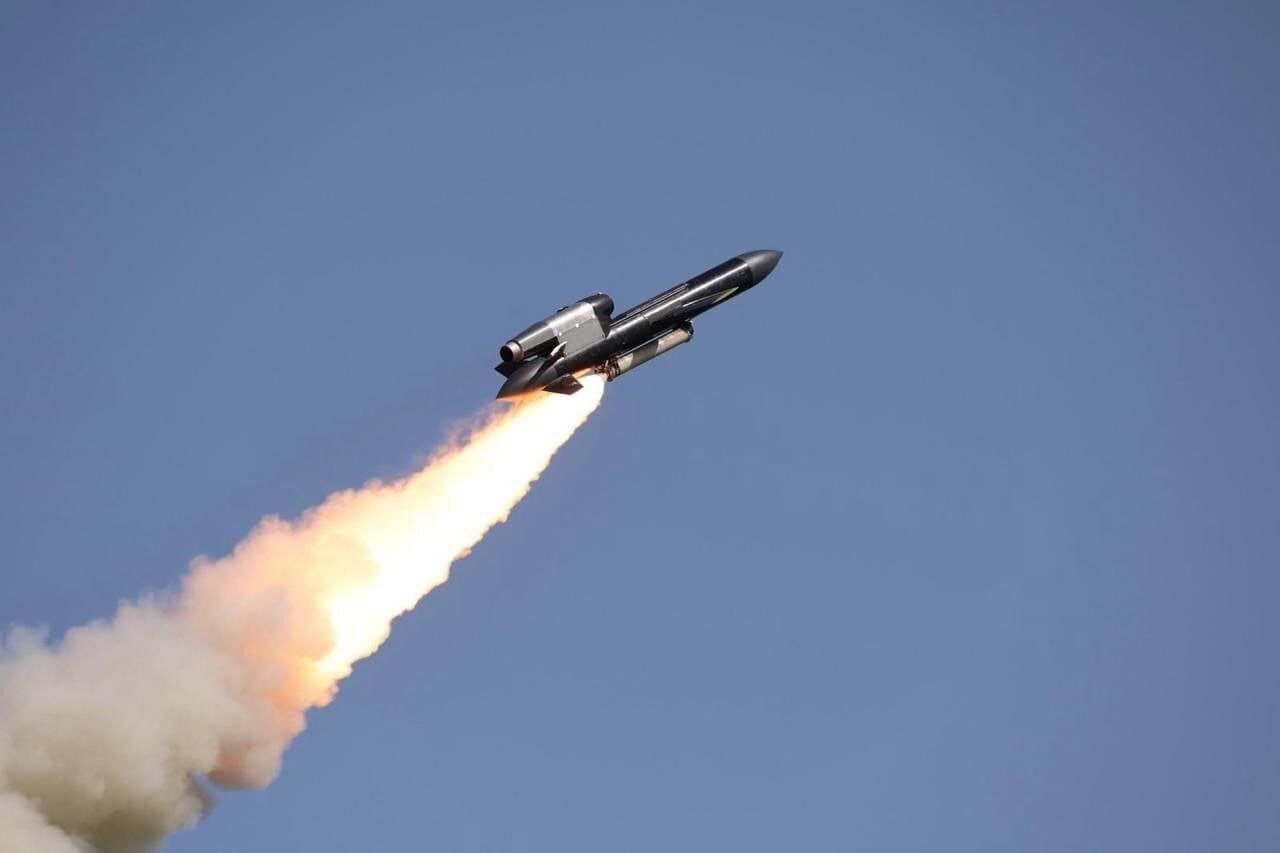
The Ukrainian company Fire Point is completing the development of its own jet engine for Flamingo cruise missiles, optimized for low-altitude flight.
Denys Shtilerman, the company’s chief designer and co-founder, shared this in an interview with PRO:UA.
According to him, the initial plan was to base the missile on the domestic AI-25 or AI-25TL engine, as it is significantly more efficient than the single-flow engines typically used in cruise missiles.
To support this approach, the company quietly built up a stock of used engines purchased through third-party companies. This reportedly allowed Fire Point to reach a production capacity sufficient to manufacture three missiles per day.

According to Shtilerman, the company is now completing development of its own engine. It will also be a turbojet engine with a low bypass ratio.
“The most important thing is that it is designed specifically for low-altitude flight. All the engines we use now were previously used in civil aviation. Their peak efficiency is roughly between 6,000 and 10,000 meters, so they are not very effective at sea level,” he explained.
Fire Point’s plans to produce its own engines for Flamingo cruise missiles were first announced in September 2025 at a company press conference attended by a Militarnyi correspondent.
“We need to think about tomorrow. That is why we are already building a plant under a license from a Ukrainian manufacturer to begin producing this engine ourselves from the beginning of next year,” Iryna Terekh, the company’s technical director, said at the time.
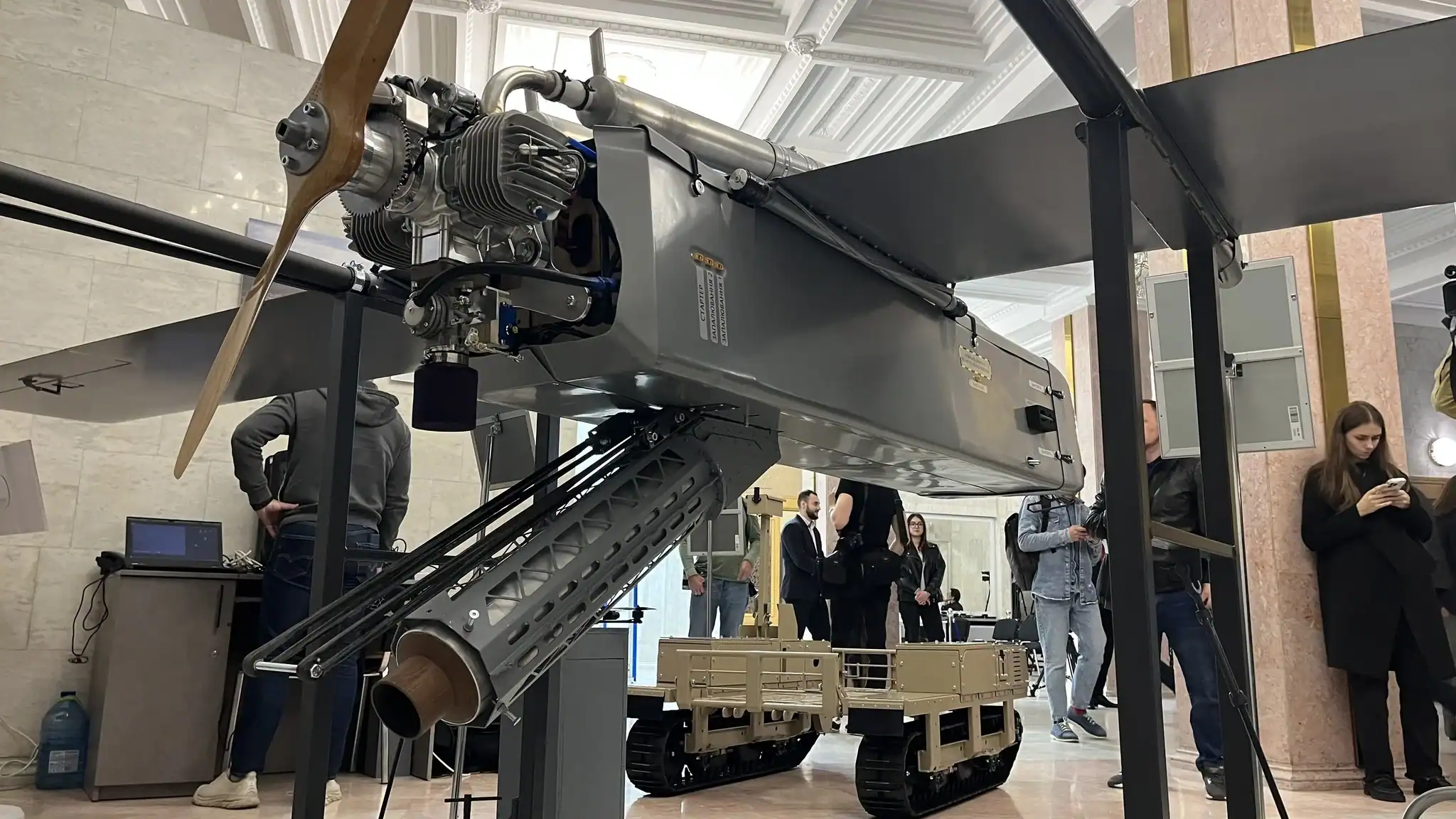
Fire Point has already established in-house production of more than 97% of the engine parts for its FP-1/2 long-range strike drones.
According to Terek, at the start of production, the company relied entirely on imported engines and continues to do so when necessary.
However, it quickly became clear that this would remain a bottleneck for scaling up production, prompting the company to pursue full localization.
“We depend heavily on partners for financing, intelligence, experience in developing the overall ecosystem, and general political support at various levels. But in terms of competencies and equipment, we try to do as much as possible independently,” she said.
Currently, 80 of the 82 engine components used in the company’s long-range drones — more than 97.5% — are produced in-house. The company has mastered the entire production cycle, including casting, machining, milling, fitting, and final assembly, all of which are carried out internally.
Підтримати нас можна через:
Приват: 5169 3351 0164 7408 PayPal - [email protected] Стати нашим патроном за лінком ⬇
Subscribe to our newsletter
or on ours Telegram
Thank you!!
You are subscribed to our newsletter