





Popular
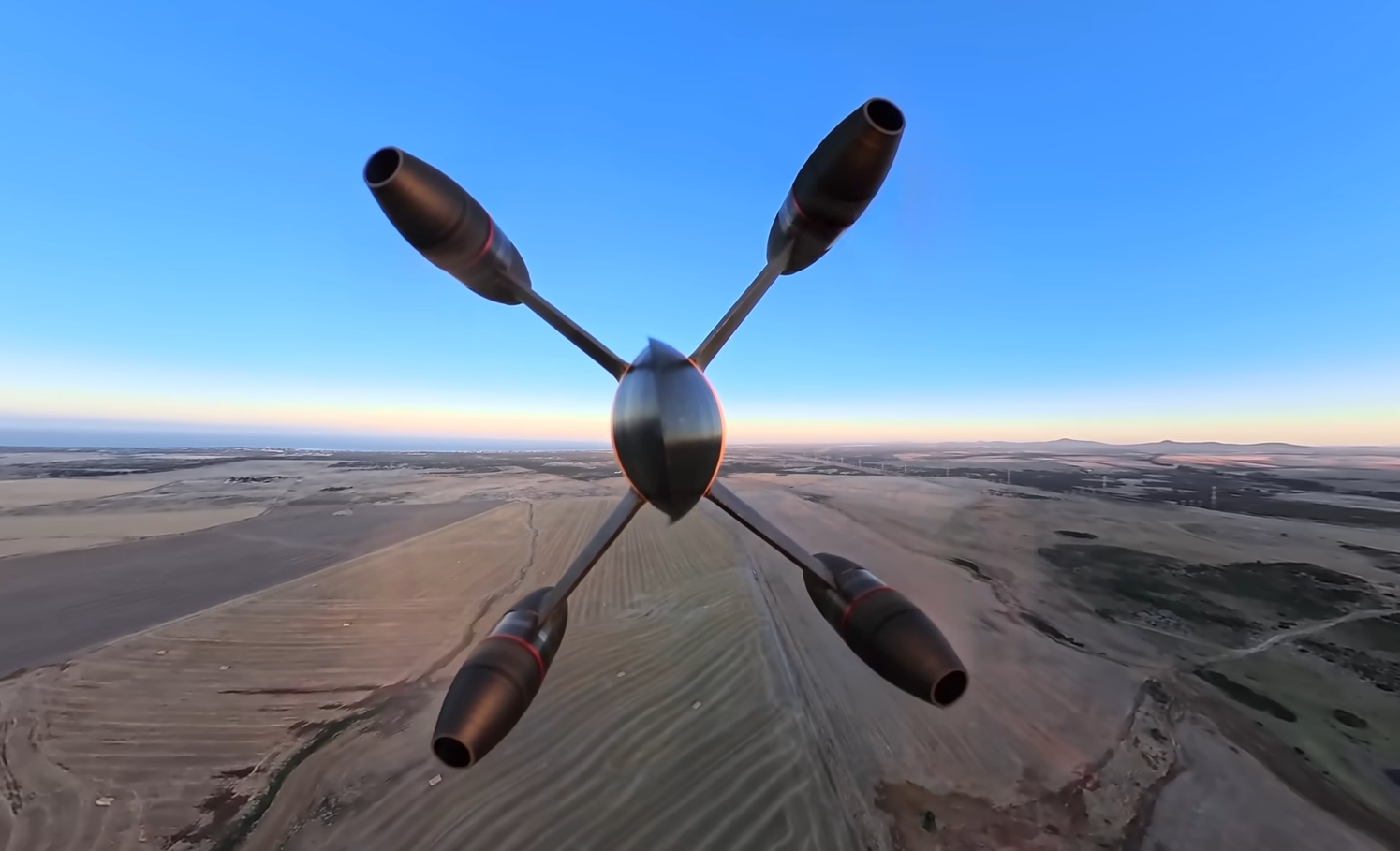
Luke and Mike Bell, a father-and-son team from South Africa, have reclaimed the title for the world’s fastest quadcopter.
Guinness World Records officially recorded their new Peregreen V4 at a speed of 657.59 km/h, making it the fastest battery-powered radio-controlled quadcopter.
Just a month earlier, the record belonged to Australian aerospace engineer Benjamin Biggs, whose drone reached 626 km/h.
Before that, the Bells themselves had set successive benchmarks in the category:
With the fourth iteration, the project did not merely improve on the previous result but achieved a substantial increase.
In such a competitive field, each additional kilometer per hour requires significant effort, making the new record particularly notable.
Peregreen V4 is the result of more than two years of continuous development. Luke Bell, an aerial surveyor from Cape Town, did most of the work, with engineering support from his father, Mike.
The name reflects the design approach: this is the fourth iteration of a custom-built quadcopter developed largely from scratch.
One of the main factors behind the result was extensive use of 3D printing, which allowed rapid prototyping, testing and iterative changes.
Peregreen V4 was printed on a Bambu Lab H2D high-speed 3D printer with a dual-nozzle setup.
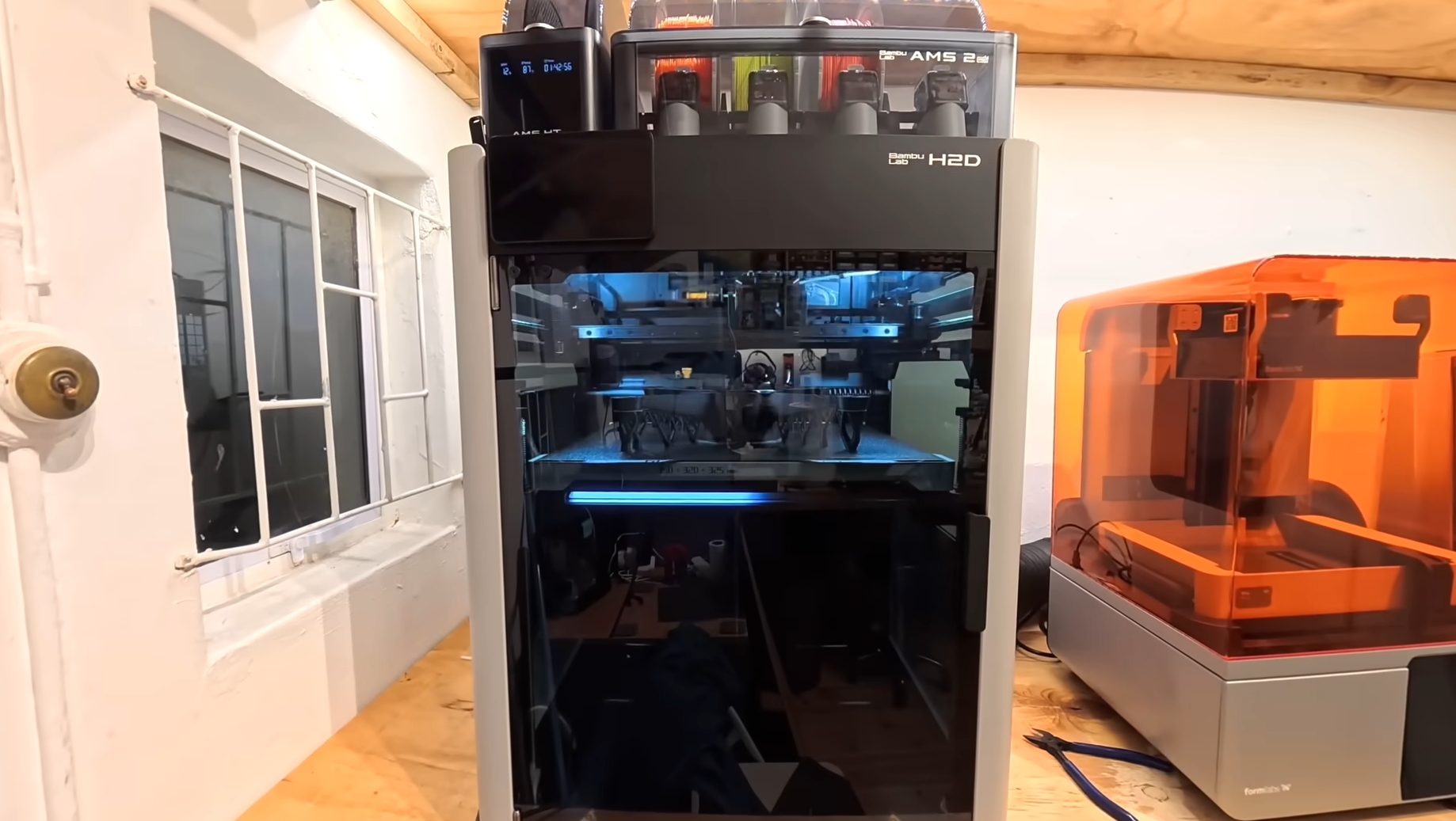
This configuration made it possible to combine different materials within a single component, which proved critical for the tail section and camera mount.
The printer’s larger build volume allowed the fuselage to be printed as a single piece without joints, improving both structural integrity and aerodynamic performance.
The onboard components were substantially upgraded. The team selected T-Motor 3120 brushless motors, prioritizing reliability and stable operation at extreme speeds. A 900 kV winding, compared with 800 kV in the previous version, increased maximum rotational speed.
Power comes from lithium-polymer batteries optimized for short bursts of maximum output, which is essential for short-duration record attempts.
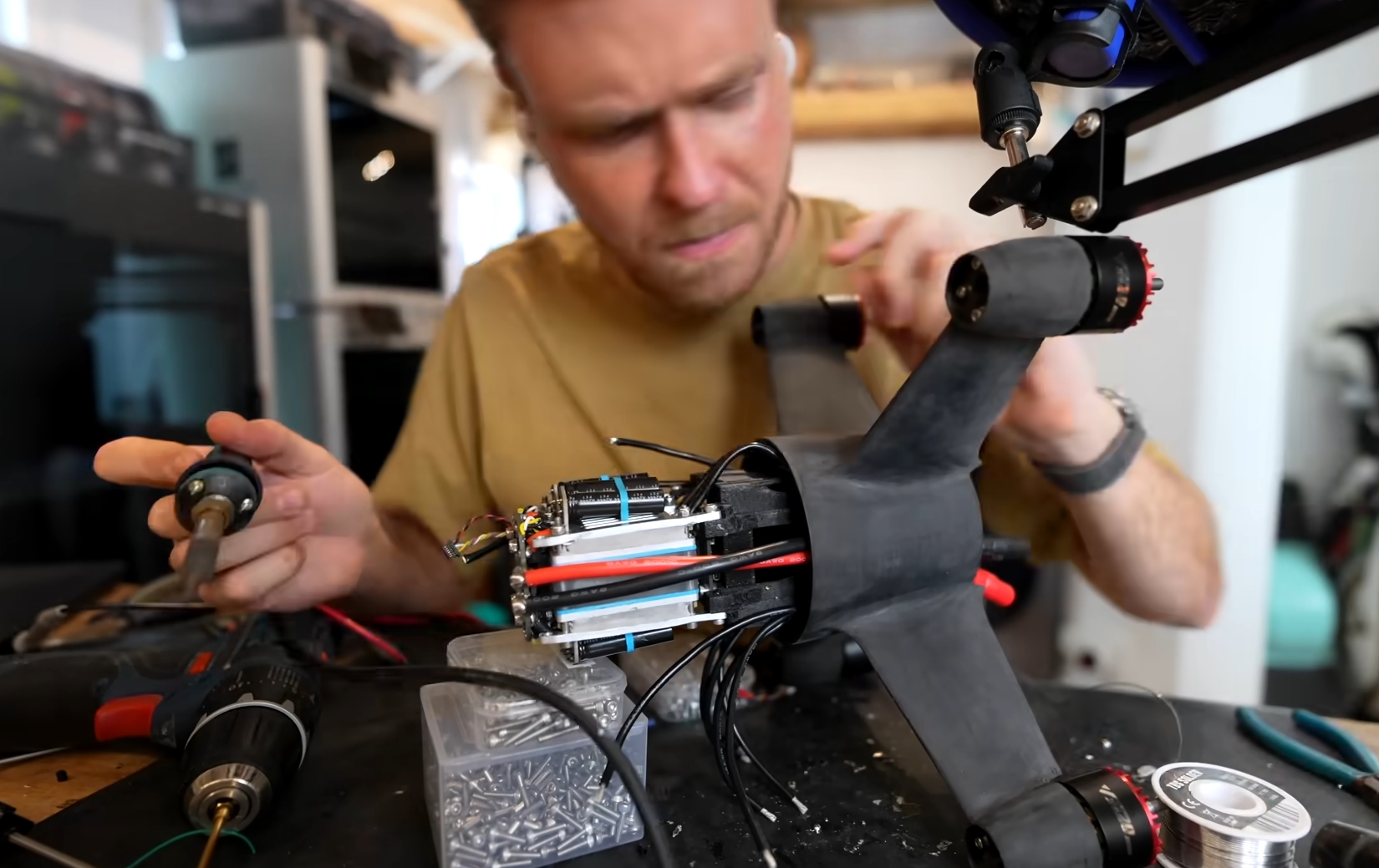
Aerodynamics received equal attention. Using the AirShaper platform, the team refined the fuselage shape in simulated airflow, smoothing contours and reducing drag. The propellers were shortened to 6 inches, balancing thrust against top speed.
Filming the Peregreen V4 proved challenging because of the drone’s size and speed.
To address this, the team used the camera system from the previous record holder, Peregreen 3, to capture the flights.
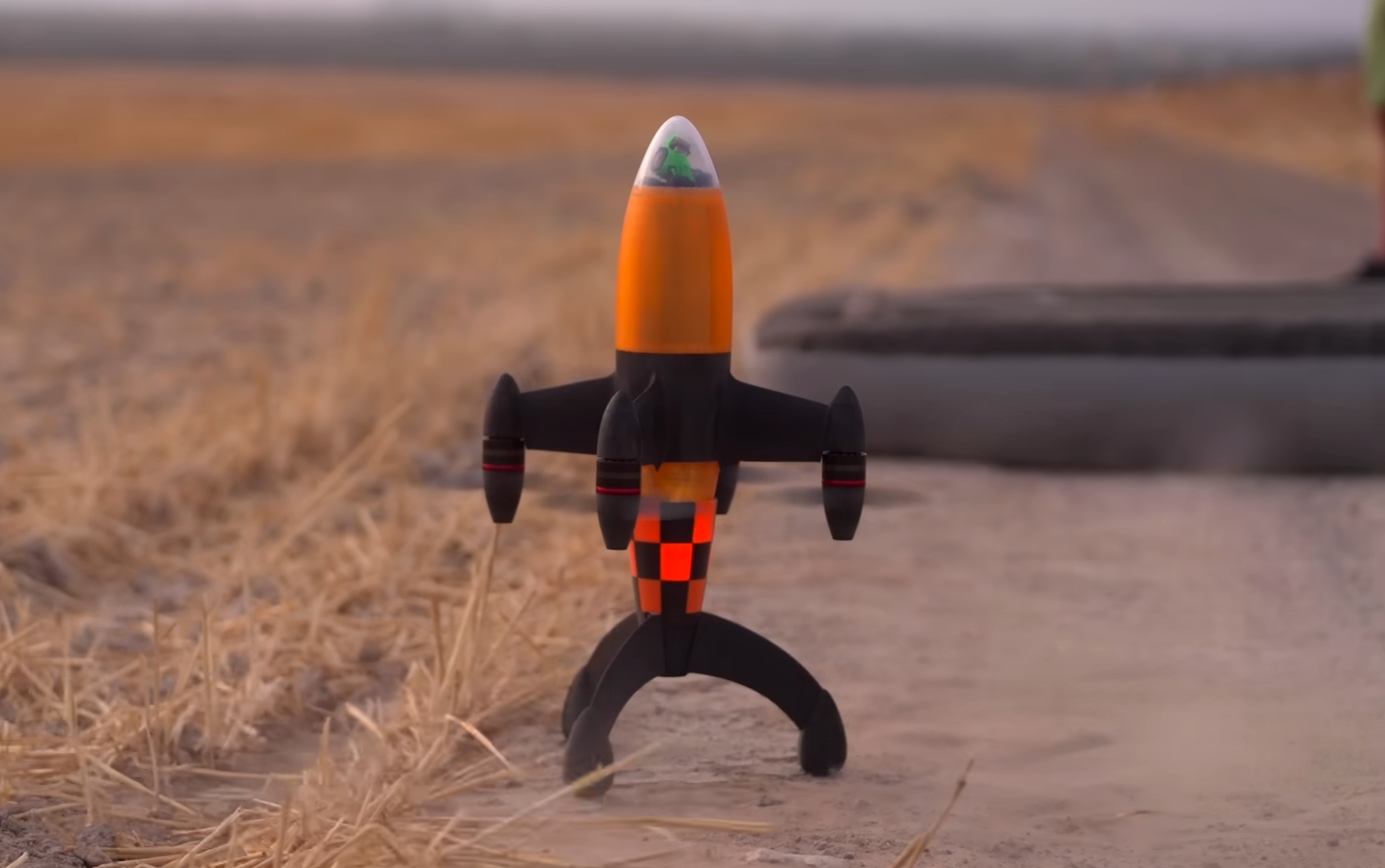
The record runs followed standard procedures, with flights conducted in opposite directions to offset wind effects. The averaged result produced a final speed of 657.59 km/h.
This figure was entered into Guinness World Records as the “highest ground speed of a battery-powered radio-controlled quadcopter.”
Підтримати нас можна через:
Приват: 5169 3351 0164 7408 PayPal - [email protected] Стати нашим патроном за лінком ⬇
Subscribe to our newsletter
or on ours Telegram
Thank you!!
You are subscribed to our newsletter