





Popular
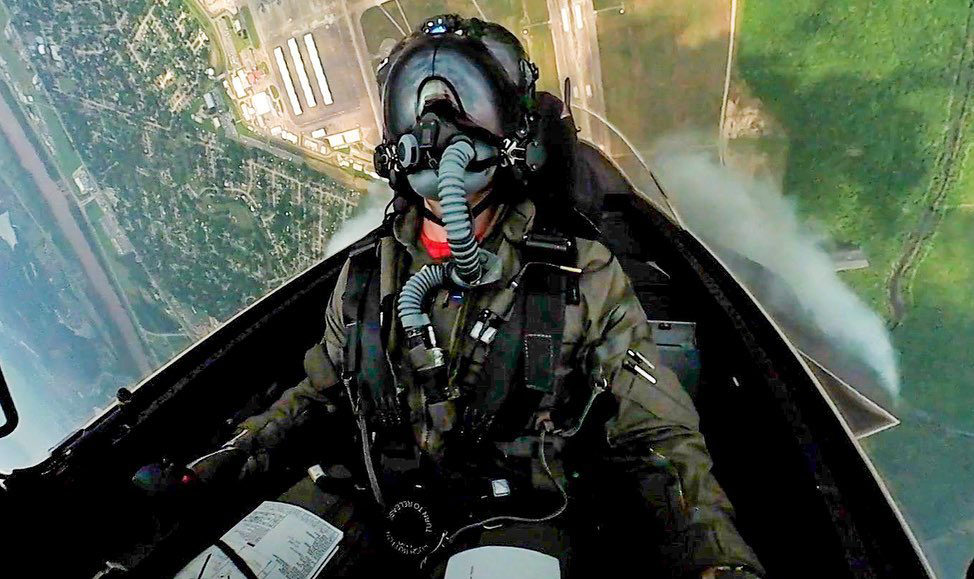
An American F-35A Lightning II pilot spent almost an hour talking to Lockheed Martin representatives while piloting a faulty aircraft before it crashed.
This was reported by CNN after reviewing the materials of the investigation of the plane crash at Eielson Air Force Base in January 2025.
According to the investigation, the crash was caused by icing on the nose and main landing gear struts of the F-35, which blocked their release and made it impossible to land.
After takeoff, the pilot tried to retract the landing gear but failed. When he tried to release it again, the struts were not centered and locked at an angle to the left. Attempts to fix the malfunction were unsuccessful.
The pilot then contacted five engineers from Lockheed Martin, the manufacturer, and continued to circle the airbase with the landing gear still attached. The plane “remained in the air for approximately 50 minutes while the team developed a plan of action,” the documents say.
The company’s engineers advised the pilot to physically impact the locked landing gear by touching it to the ground on approach, then immediately pick up speed and take off. This was supposed to level the cursed landing gear, but two attempts were unsuccessful and resulted in the complete locking of all the struts.
During the second attempt, the aircraft’s sensors mistakenly identified the aircraft as already on the ground, and the fighter jet became “uncontrollable.” This forced the pilot to eject. The plane eventually crashed, but the pilot survived.
The moment the F-35A, which was part of the 354th Fighter Wing of the US Air Force, crashed was caught on video.
Based on the results of the inspection, the commission found that the cause of the icing was water ingress into the hydraulic system of the nose and main struts. At the time of the accident, the air temperature was about -18°C.
Colonel Michael Lewis, the chairman of the commission, said that “crew decisions, including actions taken during an in-flight telephone meeting,” as well as a lack of proper “oversight of the hazardous materials management program” were contributing factors to the accident.
He praised those on the call, saying they “handled a difficult situation that the F-35 fleet has never experienced before.” However, he added that other options would have been more favorable if they had taken into account Lockheed Martin’s previous reports from April 2024 about problems with landing gear sensors that could lead to control problems.
“Had the [call] participants taken this into account, they likely would have recommended a planned full landing or a controlled ejection instead of a second approach and takeoff,” the report said.
The report noted that airbase maintenance personnel stored hydraulic fluid drums in the open during deployments to Kadena Air Base in Japan, and during deployments to at least one other temporary duty station outside of Eielson Air Force Base, “the drums were exposed to wet conditions and inclement weather.”
The report also pointed to a “general lack of discipline” and “poor record keeping” among material handling personnel.
Підтримати нас можна через:
Приват: 5169 3351 0164 7408 PayPal - [email protected] Стати нашим патроном за лінком ⬇
Subscribe to our newsletter
or on ours Telegram
Thank you!!
You are subscribed to our newsletter