





Popular
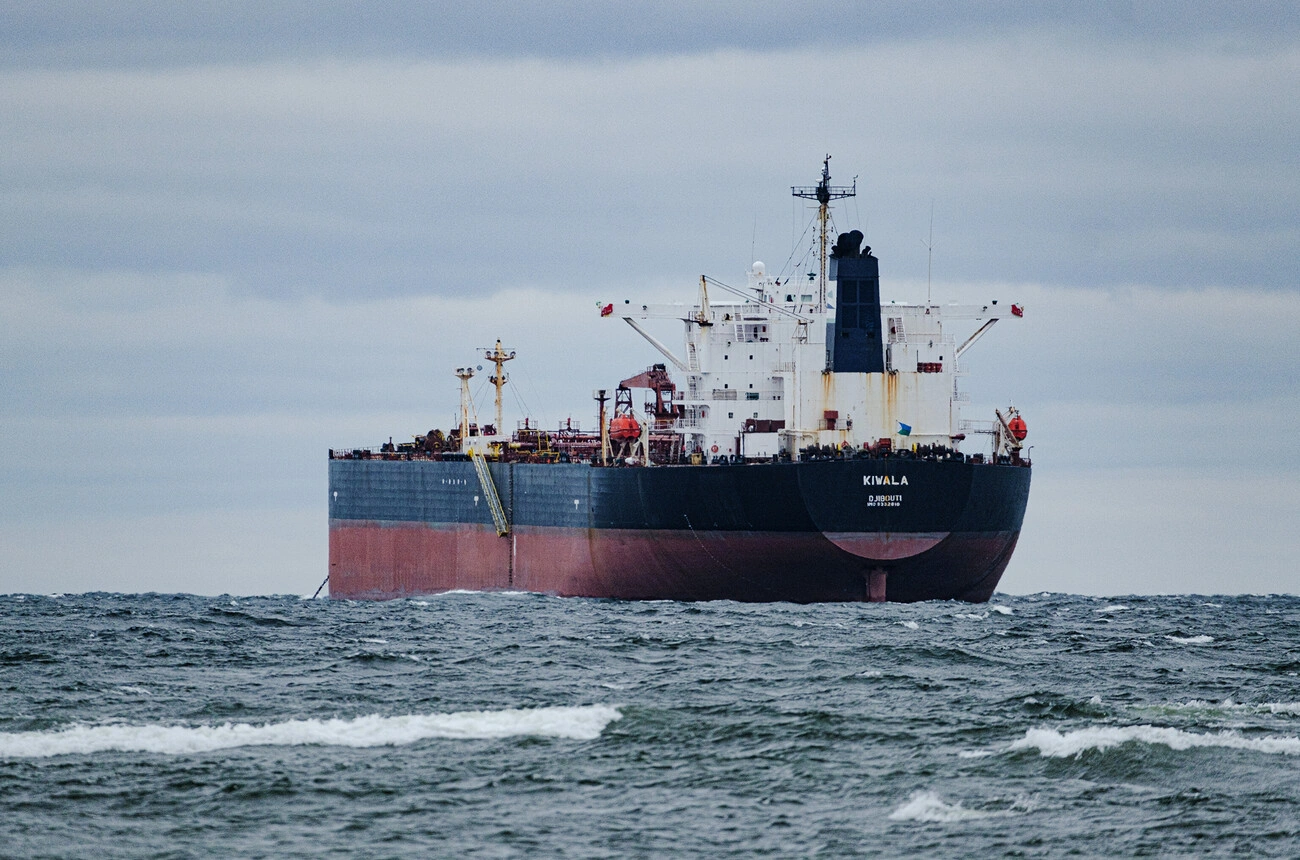
In the Baltic Sea and eastern Finland, there has been a sharp increase in Russian interference with satellite navigation.
Maritime and air transport are forced to revert to using old systems that do not rely on GNSS signals, yle reports.
Many countries have already restored the operation of old radio beacons and are introducing hybrid systems that combine data from sensors, maps, and satellites.
Spoofing—misleading navigation systems by falsifying location signals—has become particularly dangerous.
Professor Sanna Kaasalainen from the Center for Geospatial Information notes that the future belongs to devices that automatically switch between different data sources depending on their reliability.

At the same time, the development of such systems requires significant research and investment.
The European Union, together with the European Space Agency, is working on the creation of a new system of small near-space satellites. It should complicate interference, although it will not eliminate it completely.
At the end of last year, the EU launched a verification service for the Galileo navigation system, which allows users to check the authenticity of signals.
The implementation of the new positioning system will take several more years.
In May 2025, jamming from Russia led to ships disappearing from radars and navigation disruptions in the Baltic Sea.

Research by Polish GNSS experts has discovered that jamming sources can be located on moving ships, rather than on stationary objects, as previously thought.
Militarnyi also has an article on how Russian electronic warfare is “jamming” the Baltic.
Підтримати нас можна через:
Приват: 5169 3351 0164 7408 PayPal - [email protected] Стати нашим патроном за лінком ⬇
Subscribe to our newsletter
or on ours Telegram
Thank you!!
You are subscribed to our newsletter