

Popular
Operators of the 1st Center of the Unmanned Systems Forces used FP-2 drones equipped with a warhead weighing over 100 kg to destroy a launcher of an S-300V air defense missile system near Mariupol.
Robert “Madyar” Brovdi, the Commander of the Unmanned Systems Forces, reported on this on his social media accounts.
According to the Commander, the strike was carried out on the night of March 1 in coordination with the newly established Deep Strike Coordination Center of the Unmanned Systems Forces.
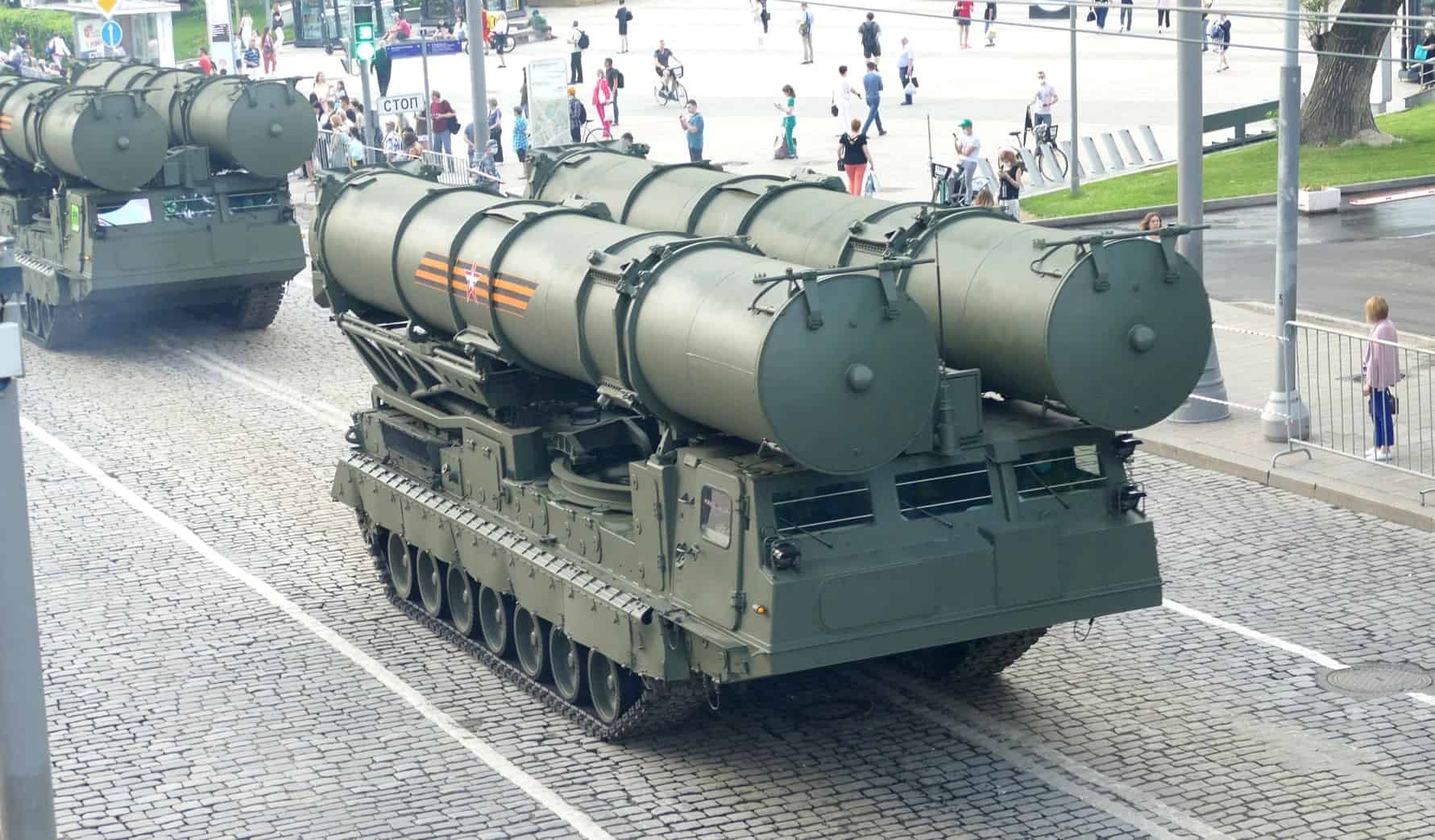
The drones destroyed a 9A84 transporter-loader vehicle from the same S-300V surface-to-air missile system. It is primarily designed for the storage, transportation, and loading of the 9A82 launcher, which carries two 9M82 guided surface-to-air missiles capable of intercepting not only aerodynamic targets but also ballistic ones.
In addition, if necessary, the 9A84 can launch surface-to-air missiles when paired with the 9A82 launcher. This makes it possible to increase the number of launchers within the system.
According to drone footage, the vehicle was deployed before the strike and served as an additional launcher.
It was also claimed that the 9S19 Imbir radar was hit – a three-coordinate self-propelled radar station designed to detect ballistic, aeroballistic, and cruise missiles, as well as aerodynamic targets at ranges of up to 175 km, and part of the S-300V surface-to-air missile system. However, a detailed analysis of the video shows that it was a full-scale mock-up – the geometry of the antenna does not match that of the real radar.
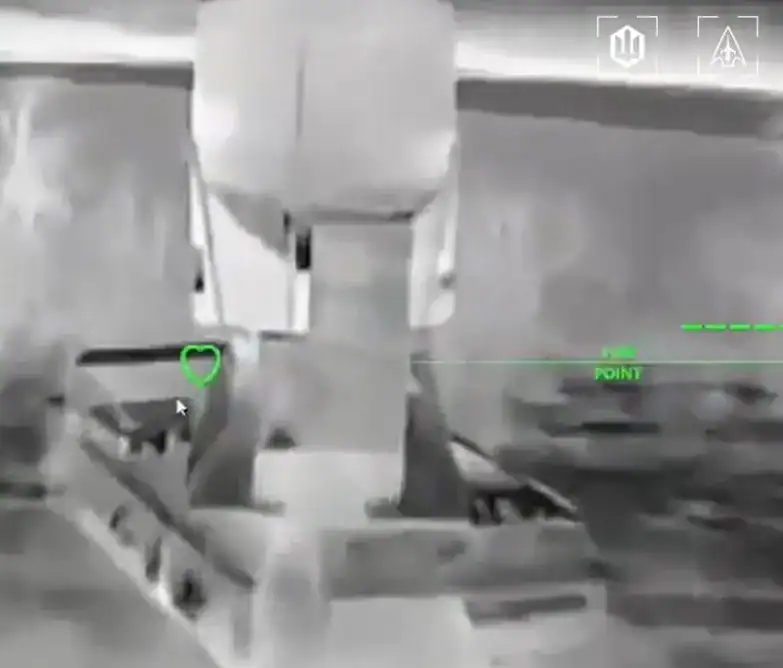
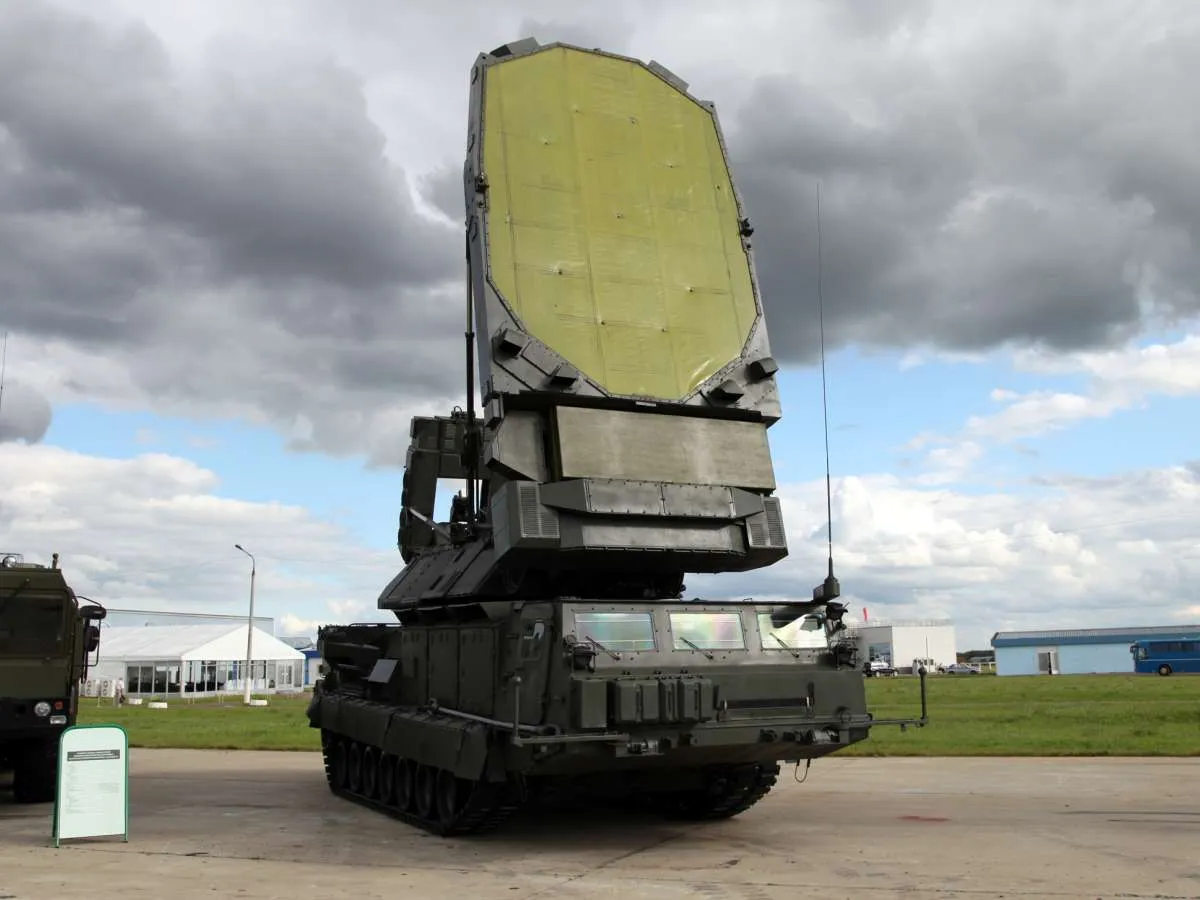
OSINT analyst @99Dominik_ on the social network X analyzed the published video and determined that the S-300V air defense system was struck near the settlement of Mangush, approximately 10 kilometers southwest of Mariupol.
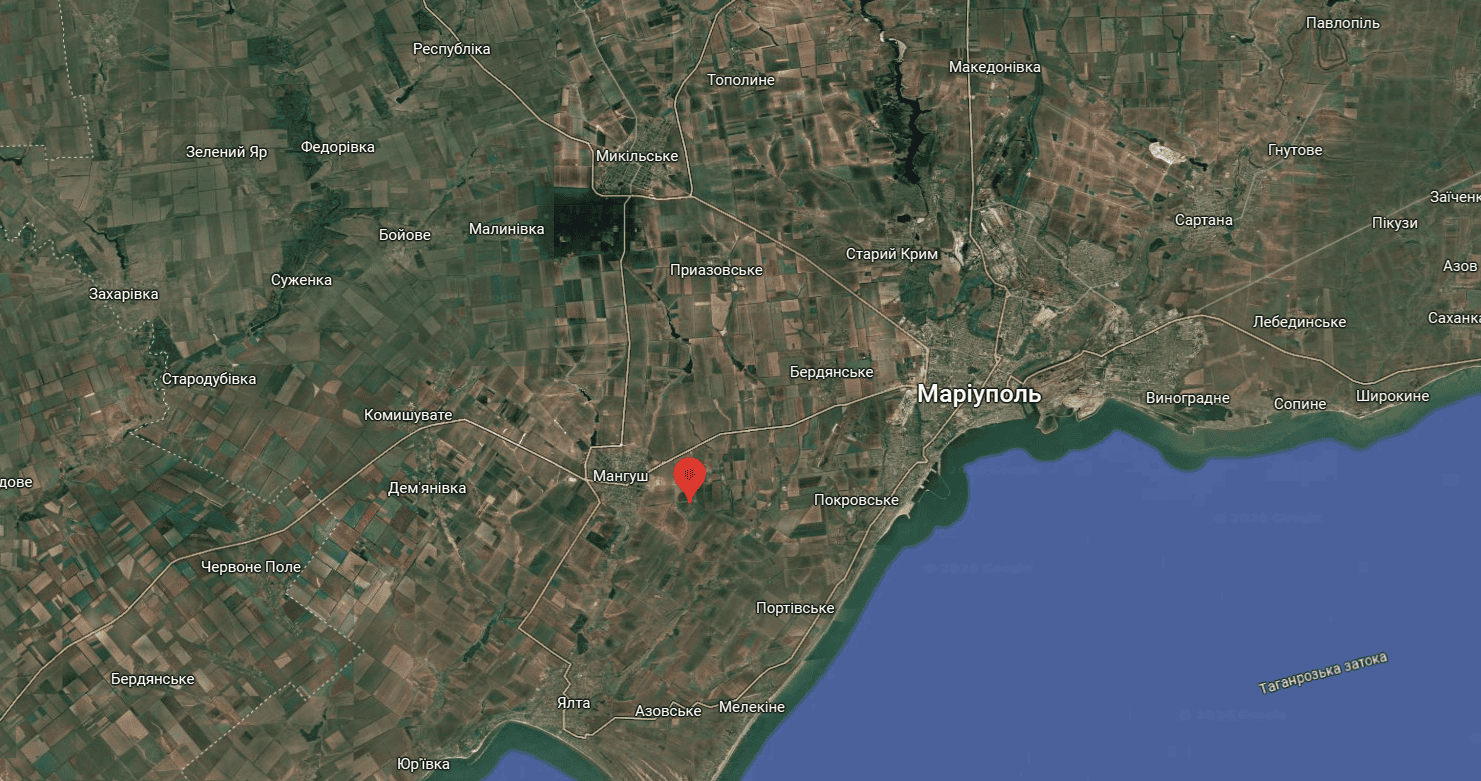
After the air defense system was hit on the outskirts of the city, strike drones also attacked an ammunition depot that the Russians had set up within Mariupol itself.
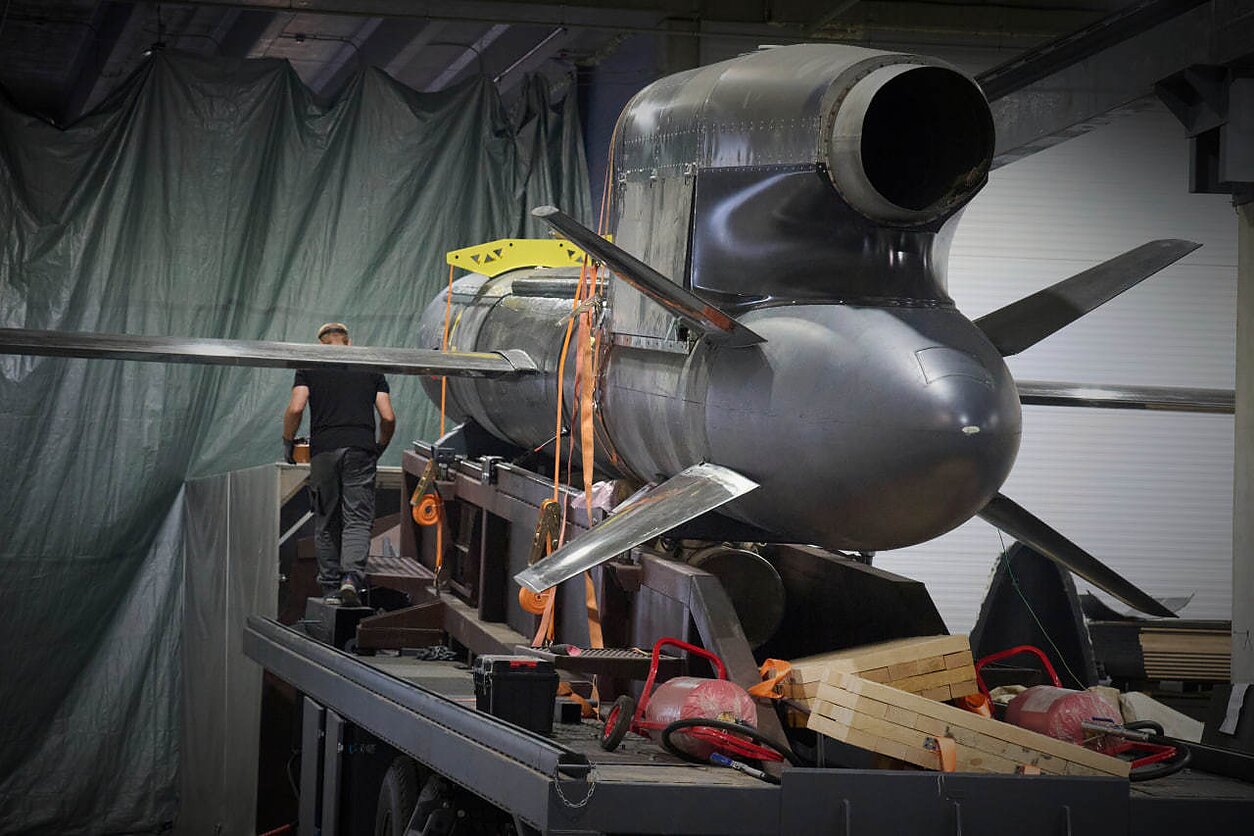
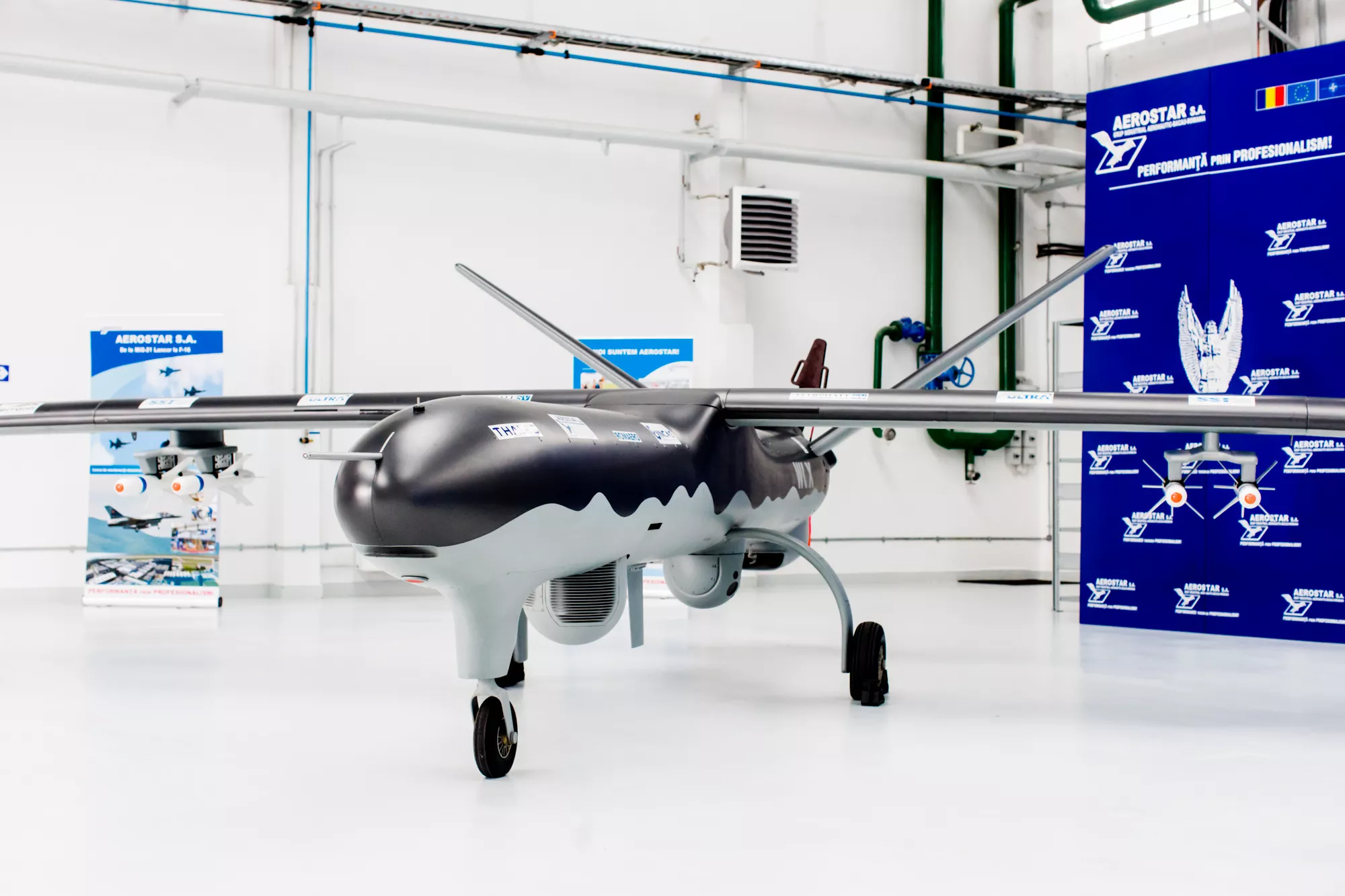
The use of FP-2 drones with a large 105 kg warhead makes it possible to completely destroy Russian air defense system components upon impact. This distinguishes them favorably from other drones of a similar class, which, due to their relatively small warheads, often only damage rather than destroy their targets. Although repairing air defense systems is usually a lengthy and costly process, the Russians are often able to return damaged systems to service.
In mid-February, operators of the 1st Separate Center of the Unmanned Systems Forces had already struck a launcher of a Russian S-300VM air defense system near Mariupol.
It is likely that the S-300V system components hit on the night of March 1 came from the same system that was struck in mid-February.
Підтримати нас можна через:
Приват: 5169 3351 0164 7408 PayPal - [email protected] Стати нашим патроном за лінком ⬇
Subscribe to our newsletter
or on ours Telegram
Thank you!!
You are subscribed to our newsletter