





Popular

The People’s Liberation Army of China is deploying a large-scale system of underwater sensors in the western Pacific Ocean.
This is a five-layer surveillance network – from the seabed to space – known as the Transparent Ocean strategy, which challenges the ability of US and allied submarines to remain undetected, Defense One reports.
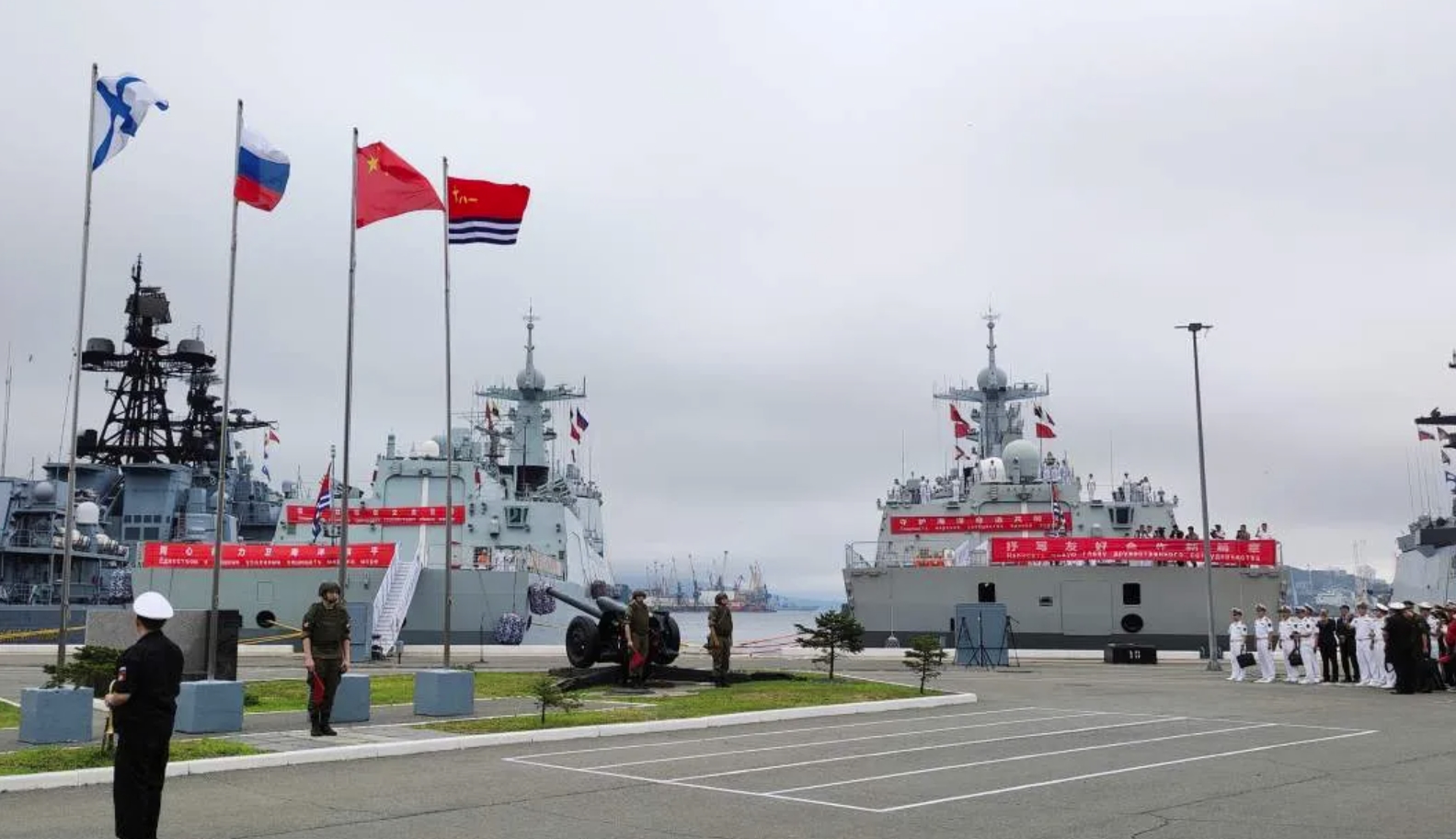
Beijing demonstrated this technological threat in August during the joint China-Russia Naval Exercise Maritime Interaction 2025 near Vladivostok.
As part of the anti-submarine warfare exercises, Chinese and Russian forces synchronized their communication systems and exchanged real-time hydrometeorological and air and sea data. According to Chinese state media, the goal was to deprive the enemy submarines of any opportunities for hiding.
These maneuvers were an early example of a mature automated detection network that China intends to expand to several seas and oceans.
The Transparent Ocean strategy is designed to provide continuous real-time tracking of objects in vast marine areas. It consists of five interconnected layers, each of which performs a separate function of observation and data collection.
The first level is the Ocean star cluster (space). This is a constellation of satellites with interferometric radar altimetry and lidar ocean profiling systems. They provide extensive sensing of marine areas and mark points that activate lower levels of the system.
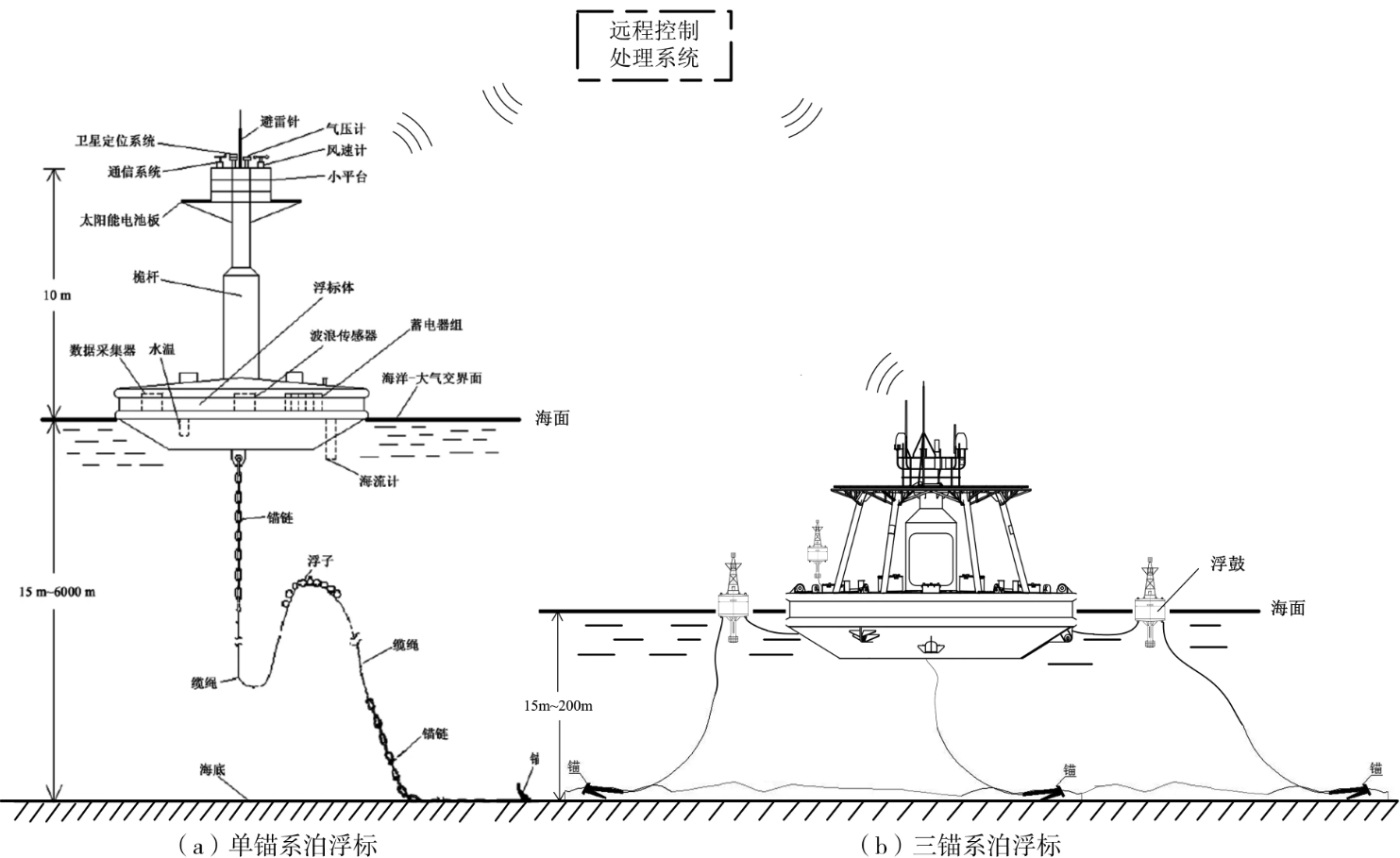
The second level is the air-sea interface. It includes advanced buoys, wave gliders, and unmanned surface vessels deployed along strategically important straits and shelves. They collect data from the upper layers of the ocean and transmit it to shore via satellite or cellular communications.
The third level is the deep sea, which includes autonomous deep-sea vehicles, gliders, and drones that can patrol the ocean floor, performing acoustic profiling of the environment. They fill the information gaps left by orbiting sensors.
The fourth level is an underwater perspective located on the seabed. The cable-connected observatories contain passive hydroacoustic arrays, navigation beacons, and recharging stations. They provide hidden maintenance for unmanned vehicles and extend their autonomous operation without the need to surface.
The final level is the Deep Blue Brain. This is the main command and analysis center that combines data from all layers to create a single operational picture of the ocean. This is where tasks are set, operations are planned, and goals are set for combat networks.

Experts believe that implementing this system will significantly improve China’s maritime surveillance capabilities and pose unprecedented challenges to the submarine forces of the United States, Japan, and Australia, which traditionally depend on stealth underwater.
Підтримати нас можна через:
Приват: 5169 3351 0164 7408 PayPal - [email protected] Стати нашим патроном за лінком ⬇
Subscribe to our newsletter
or on ours Telegram
Thank you!!
You are subscribed to our newsletter