



Popular
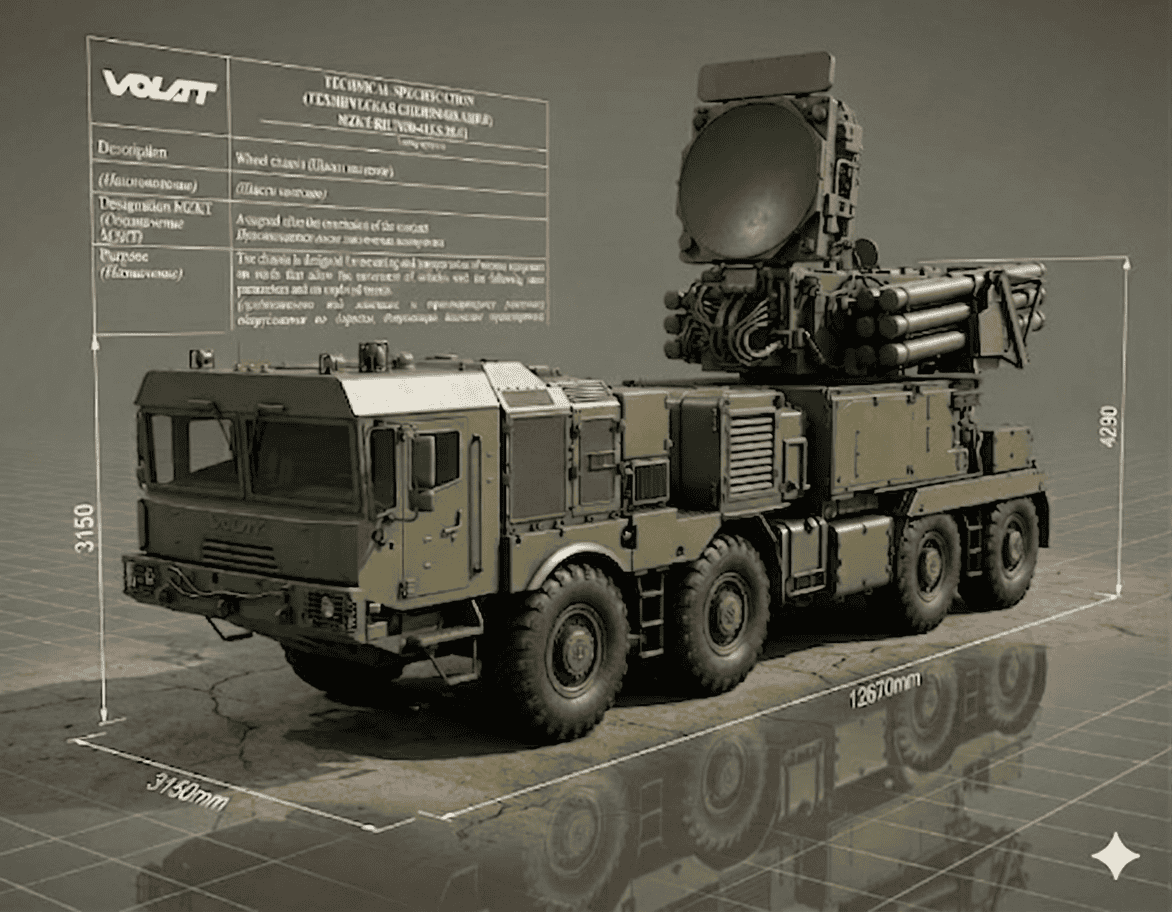
In 2024, Belarus was to supply Russia with 18 MZKT-7930-312 chassis produced by the Minsk Wheel Tractor Plant for Pantsir-S1 air defense systems.
Militarnyi identified this information in an investigation by the Belarusian initiative BelPol published on November 22, 2025.
The contract was likely fulfilled, as a Pantsir-S1 hit in Mariupol showed a similar silhouette, although differences in the cabin led to initial misidentification as a system based on a BAZ chassis.
According to a published fragment of technical documentation for the MZKT-7930-415, included in the procurement materials for the Pantsir systems, the key visual difference from the baseline MZKT-7930 is an armored cab and a two-piece windshield, rather than the three-part configuration.
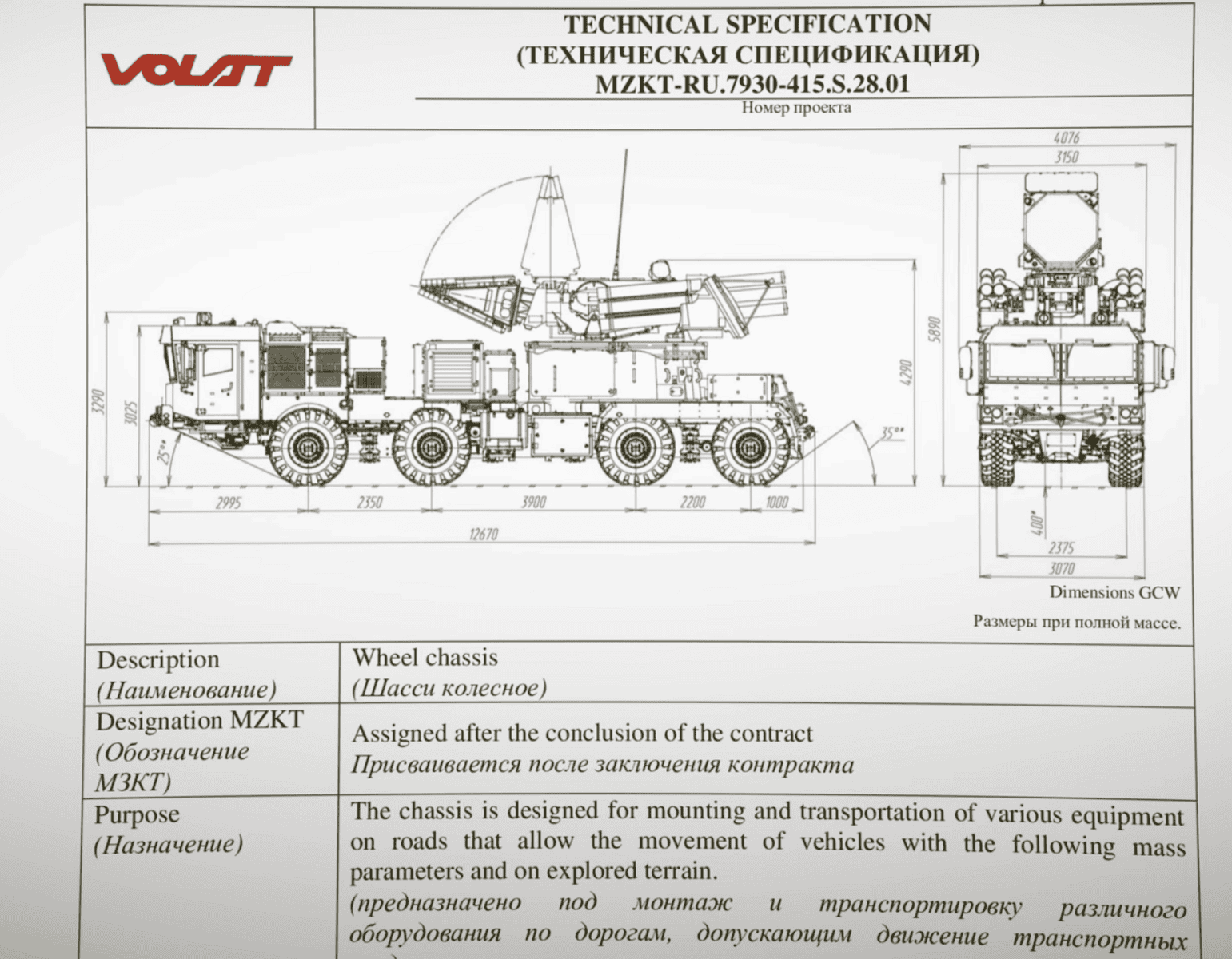
Although the contracts mention the MZKT-7930-312 chassis, while the technical documentation refers to the MZKT-7930-415, both appear to relate to the same order. The index likely changed during contract execution as the design was updated to meet customer requirements.
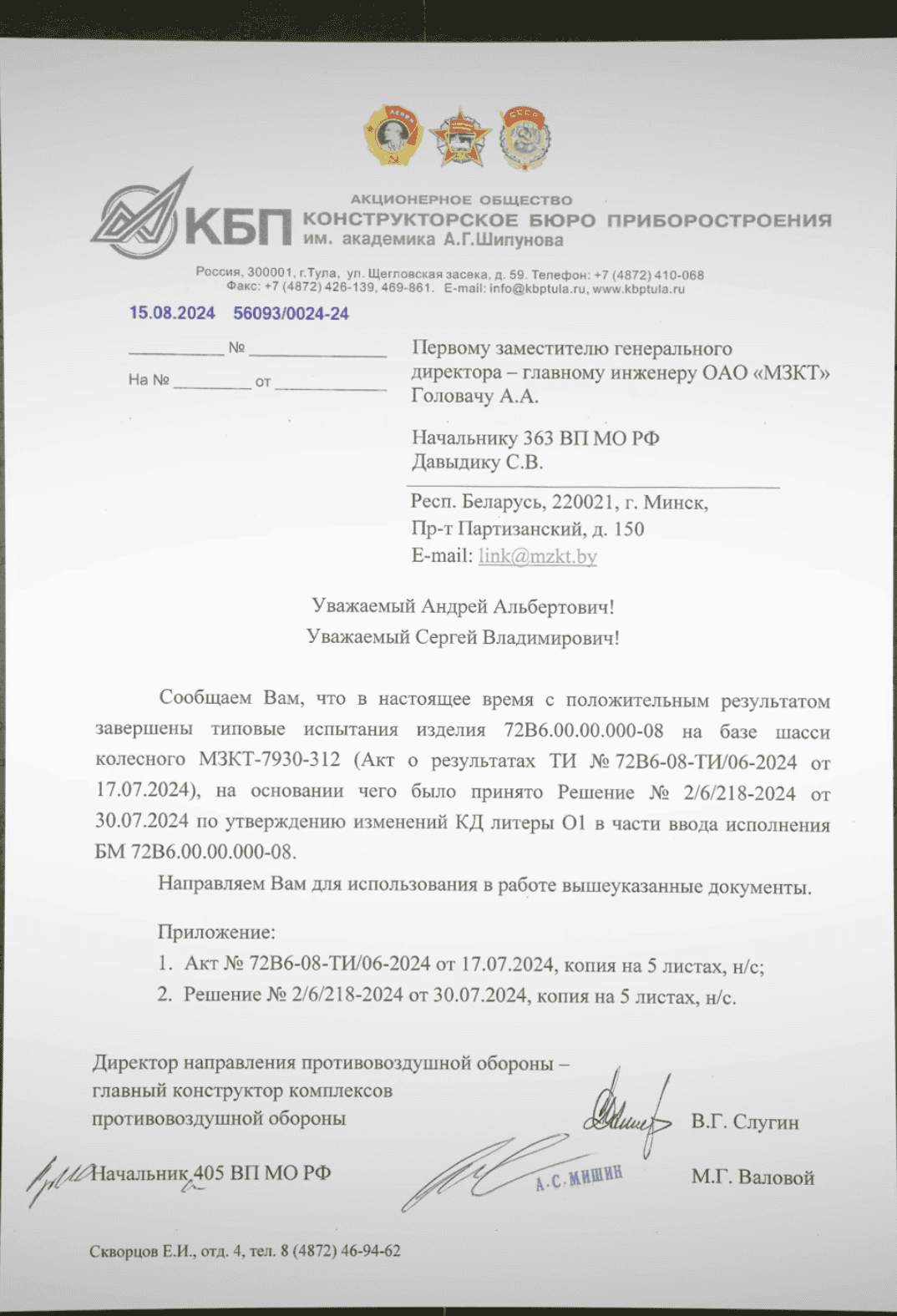
The documents indicate that combat module 72V6.00.00.000-08 was integrated onto the MZKT chassis. The 72V6 index points to a Pantsir-S1 variant for the Russian Armed Forces rather than an export version or the newer Pantsir-S2.

The use of MZKT chassis for Pantsir systems dates back to the late 1990s, when the UAE expressed interest in the platform.
To fulfill that contract, developers created a new combat module that includes twin rapid-fire autocannons, new surface-to-air missiles with a range of up to 20 km, and updated radar systems for target detection and fire control.
Developers also considered installing the system on a tracked GM352-M1E chassis produced by MTZ (later developed into the Pantsir-SM-SV), as well as on wheeled platforms such as MZKT-7930, KamAZ-6350, and MAN, and in a stationary air defense configuration (Pantsir-SMD-E).
Ultimately, all Pantsir-S1 systems for the UAE were delivered on the MAN SX45 8×8 wheeled platform. In May 2000, the Instrument Design Bureau signed a contract with the UAE to supply 50 systems worth $734 million.

This contract enabled additional export deals for several dozen more Pantsir systems. It helped preserve Russia’s defense industrial capacity and later supported deliveries to the Russian Armed Forces, which began receiving Pantsir-S1 systems on the KamAZ-6560 chassis in late 2012.
Operational experience with Pantsir-S1 systems on the KamAZ chassis revealed several drawbacks, including limited off-road mobility and a tendency to roll over due to a high center of gravity and narrow track width.
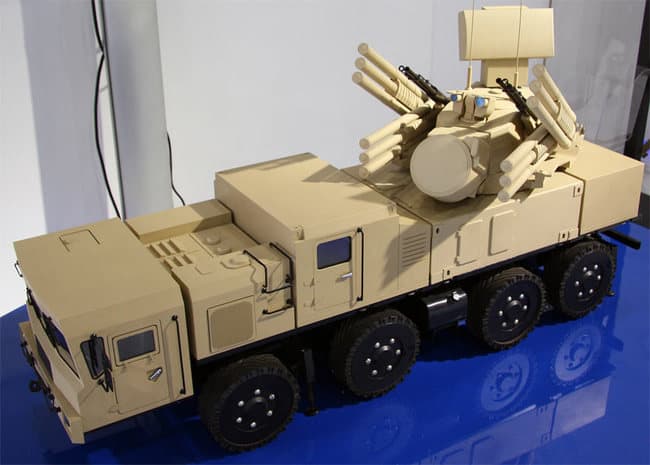
Amid this, the Belarusian MZKT plant continued to promote its chassis for Pantsir systems through military exhibitions and specialized publications.
Підтримати нас можна через:
Приват: 5169 3351 0164 7408 PayPal - [email protected] Стати нашим патроном за лінком ⬇
Subscribe to our newsletter
or on ours Telegram
Thank you!!
You are subscribed to our newsletter