






Popular
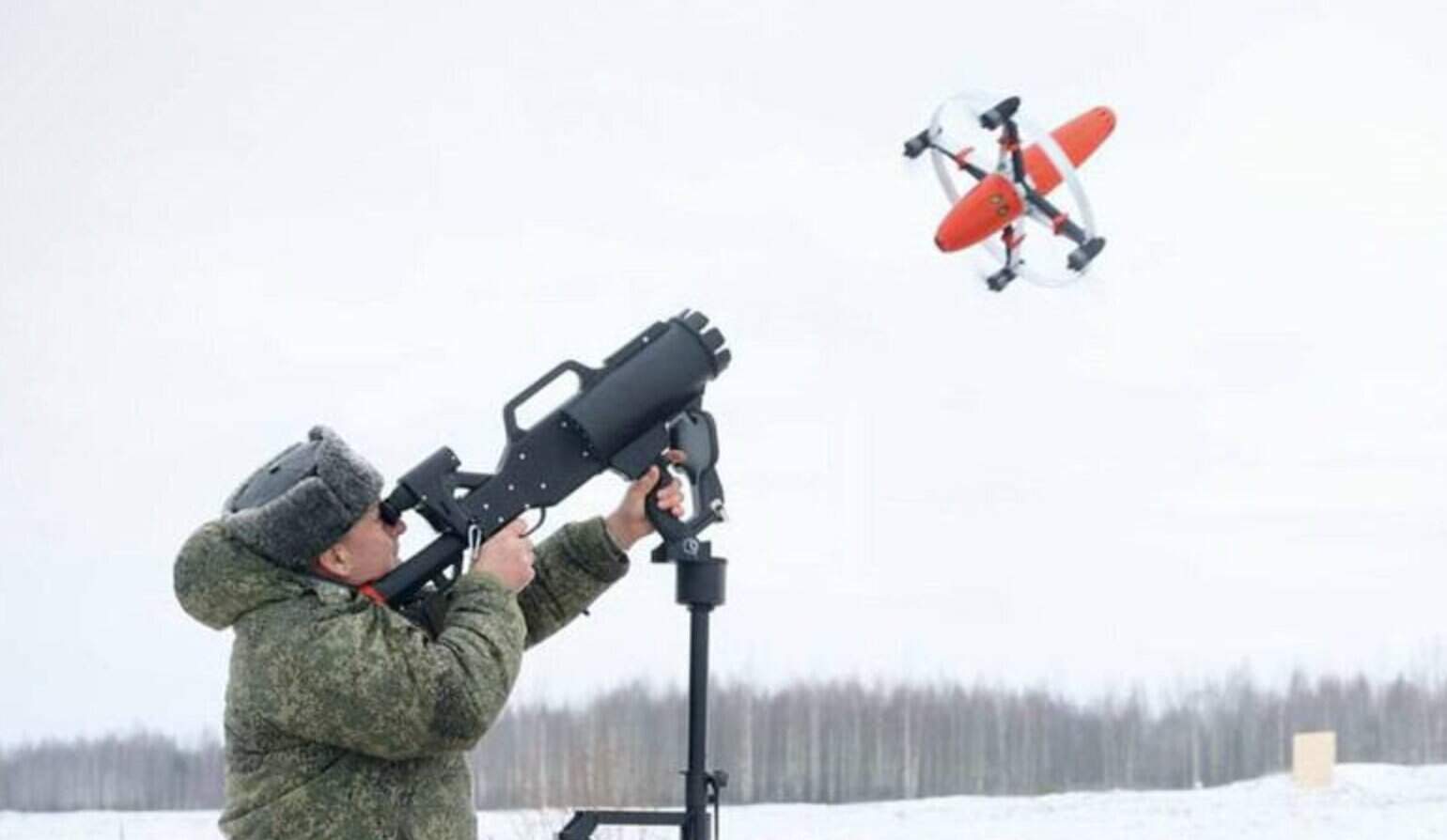
The Belarusian military has tested the Russian Molot drone interceptor, which is launched from a hand-held launcher.
In early February, Belarus began testing 59 different systems for combating drones, according to a representative of the country’s Ministry of Defense.
The tests involve detection, suppression, and destruction systems.
“More than 80% of the systems presented in the experiment are Belarusian-made,” the Ministry of Defence said.
The Russian Molot system from Nova Labs was admitted to the tests.
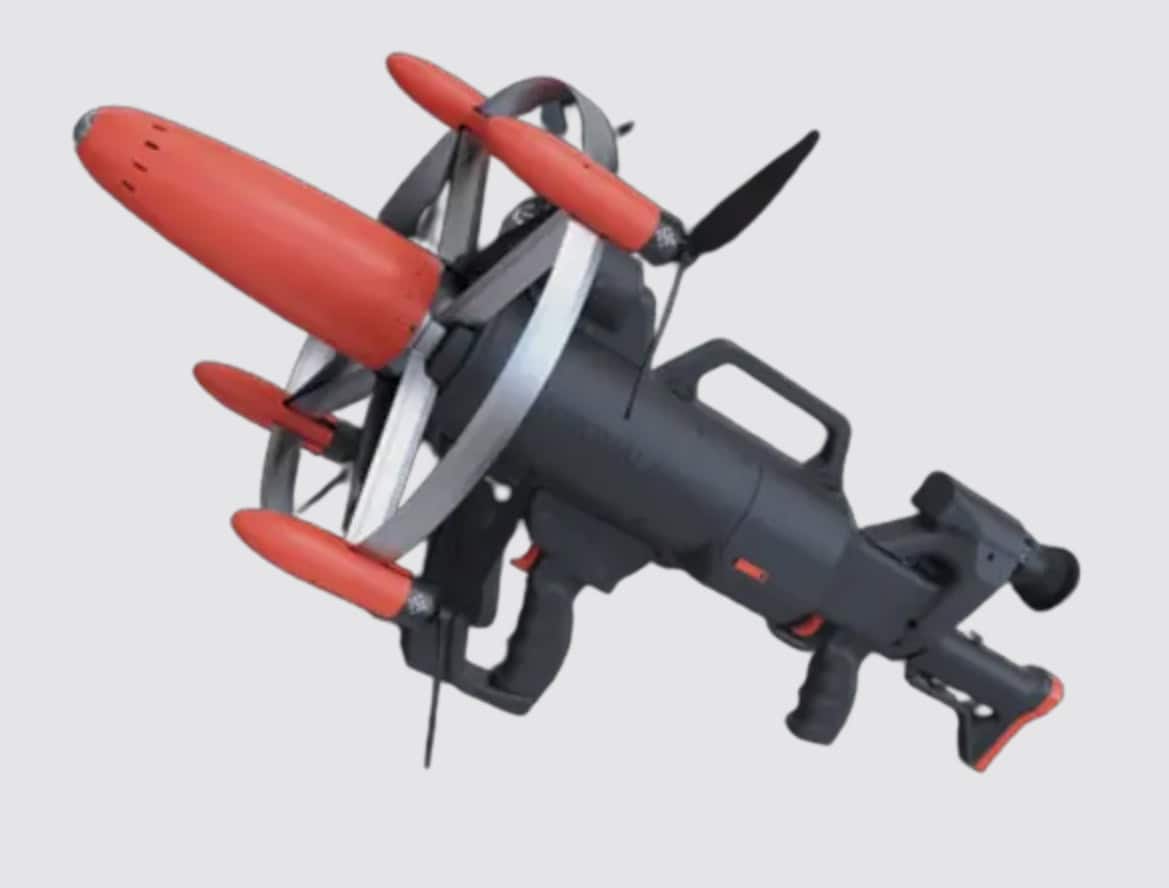
Molot consists of two main parts: a reusable launcher and an interceptor drone.
The launcher is designed as a tube closed at the rear, with two external handles, a stock, and a sight.
In combat position with the UAV installed, its length does not exceed 700–800 mm, and its weight is only a few kilograms. The system does not impose any special requirements on the user.
A UAV with a cylindrical body and a hemispherical nose cone is used as an interceptor.
Inside the body are a homing head, control devices, a warhead, and a battery. Depending on the configuration, the launch weight of the device does not exceed 1.5–2 kg.
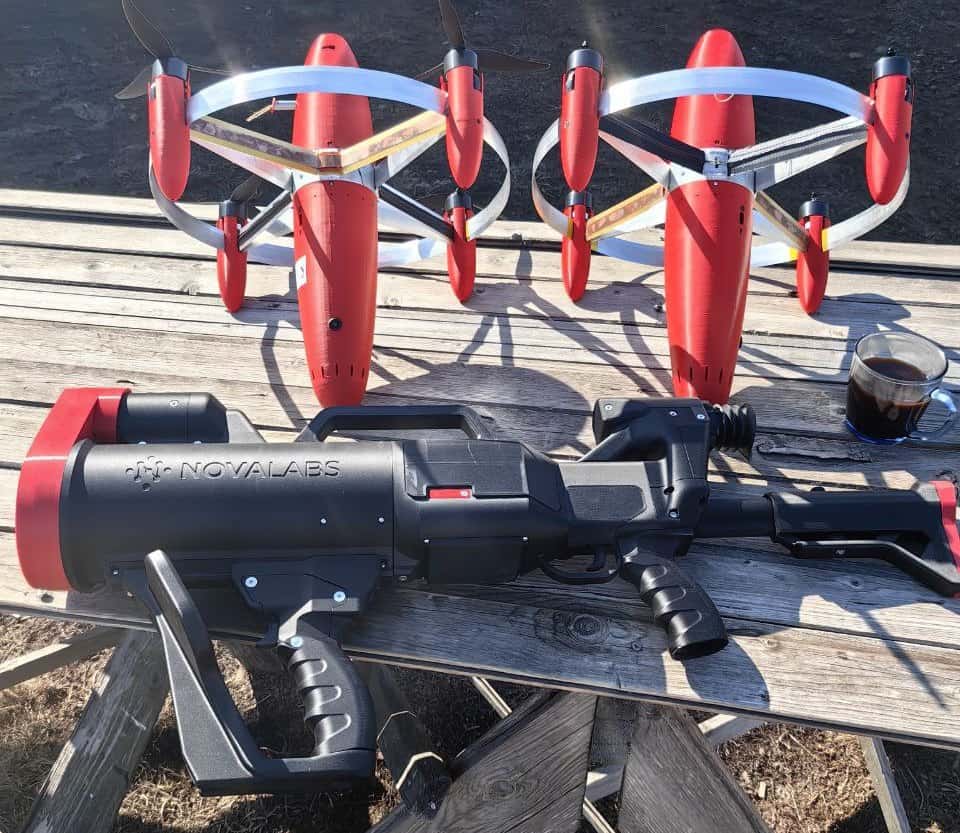
Four electric motors with propellers provide flight. The UAV is capable of vertical takeoff, hovering, and horizontal flight.
In flight, the device reaches speeds of up to 50 m/s. The combat radius depends on the type of target: when operating against large aircraft-type drones, it reaches 1 km.
Interception of drones with a diameter of up to 500–700 mm is possible at a distance of 350–400 m, and the operating height is up to 200 m.
The UAV is equipped with an infrared homing head capable of independently tracking the target. It is claimed that the project implements the ‘launch and forget’ principle.
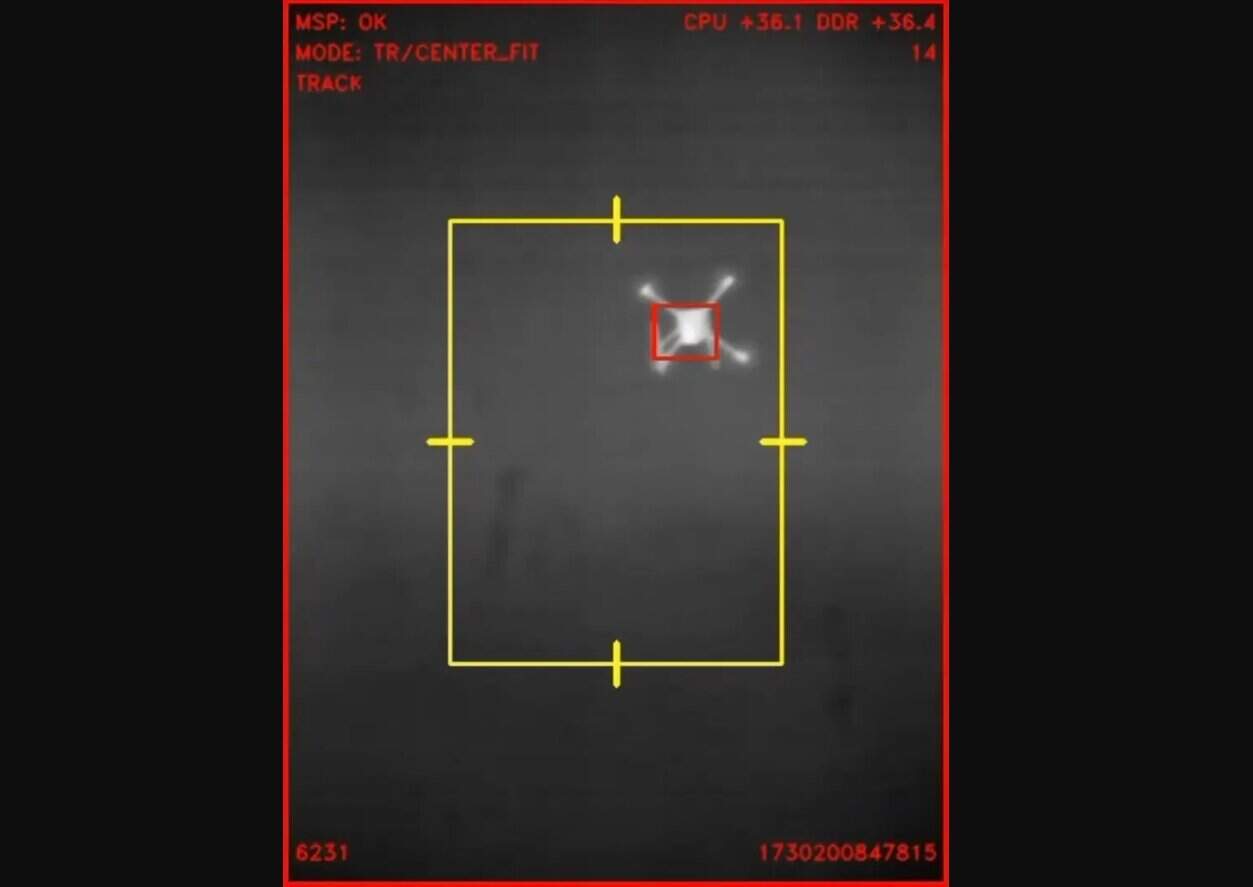
A 500 g high-explosive warhead is provided to destroy the target. The explosion occurs upon contact with the target or when passing it at a minimum distance. Kinetic interception is also possible — the UAV hits the target with a direct hit.
In the new version, the manufacturer claims that the interceptor can hit targets at an altitude of up to 2 km at speeds of up to 200 km/h. It is designed in two versions — portable and stationary.
The portable version features a thermal imaging homing head and 100 mm kinetic ammunition with a speed of up to 265 km/h.
The stationary version is equipped with radio command or laser guidance, has a range of up to 3.5 km, and the projectile speed reaches 360 km/h.
Ukraine also recently unveiled a new interceptor drone, the Saliut, which is already shooting down Shahed-type drones.
Підтримати нас можна через:
Приват: 5169 3351 0164 7408 PayPal - [email protected] Стати нашим патроном за лінком ⬇
Subscribe to our newsletter
or on ours Telegram
Thank you!!
You are subscribed to our newsletter