



Popular
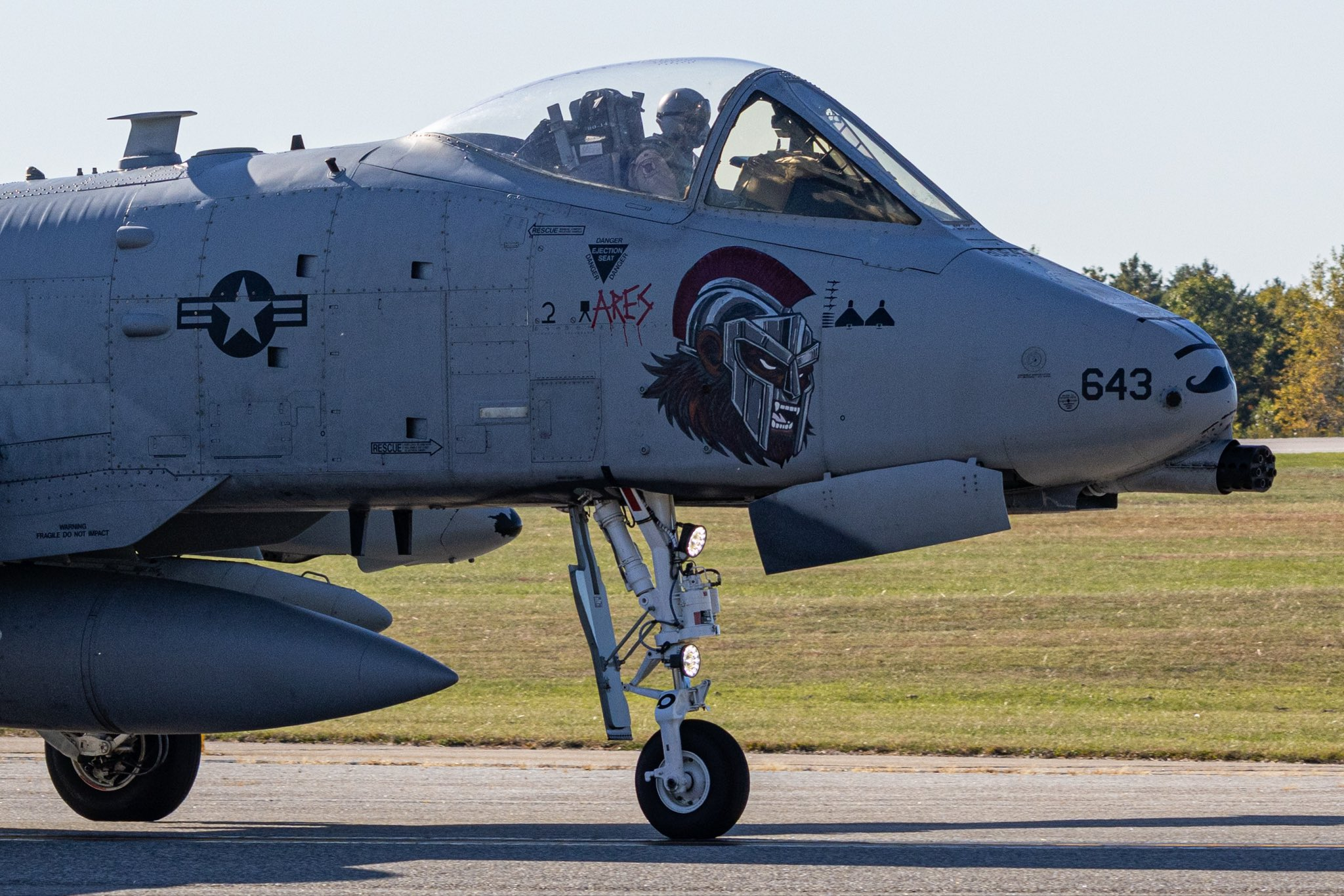
An A‑10 Thunderbolt II attack aircraft was sighted bearing markings that reportedly denote the destruction of drones similar to the Shahed, local air spotter @mhtplanes shared on X.
The aircraft, assigned to the 190th “Skull Bangers” Squadron of the Idaho Air National Guard, carries two drone‑kill markings on its fuselage.
The exact location of the engagement is unknown; it may have occurred as part of Operation Prosperity Guardian against Houthi forces in the Red Sea, where Iranian-made kamikaze drones have been used against civilian vessels.
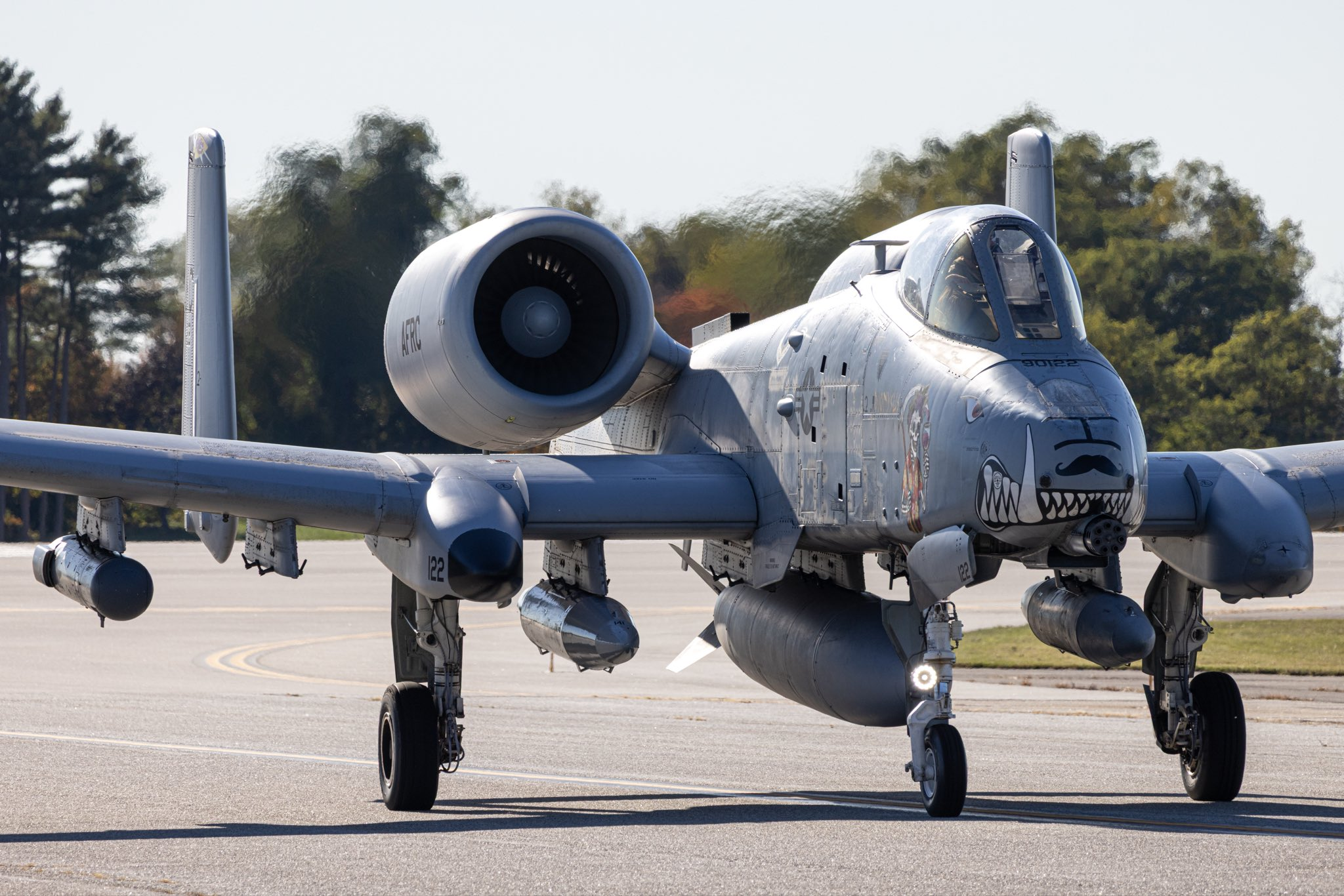
Details of how the Thunderbolt II intercepted the drones have not been released. One possible weapon is the APKWS (Advanced Precision Kill Weapon System) — a guided version of the unguided Hydra 70 rocket that U.S. aircraft have used against Houthi UAVs.
In January, containers carrying APKWS were spotted on an F‑16; the missiles were guided with a LITENING targeting pod. It is possible that APKWS was similarly employed from the A‑10.
One advantage of APKWS is its cost, which is significantly lower than that of the AIM-9X air-to-air missile. Pentagon budget documents put the cost of an AIM‑9X Sidewinder Block II at just under $420,000 per round.

By contrast, the APKWS II guidance and control unit is estimated to cost about $15,000, with the total round — including the warhead and motor — costing several thousand dollars more, excluding the base Hydra 70 rocket.
Beyond cost, using the A‑10 as a drone interceptor can be more economical than employing fighter jets such as the F‑16, F‑15, F‑18, or F‑35.
That role could extend the Thunderbolt II’s service life and slow plans for its retirement.
In the early 2000s, the U.S. Army sought a low‑cost, high‑precision solution to defeat lightly armored targets. BAE Systems was tasked with developing a guided version of the unguided Hydra 70 rocket.
In mid-2005, the company presented a precision version equipped with a semi-active laser seeker.
APKWS rounds use an improved motor from Norwegian firm Nammo, extending the maximum range to about 15 km. An optimized flight trajectory in the missile’s control system can further increase range.
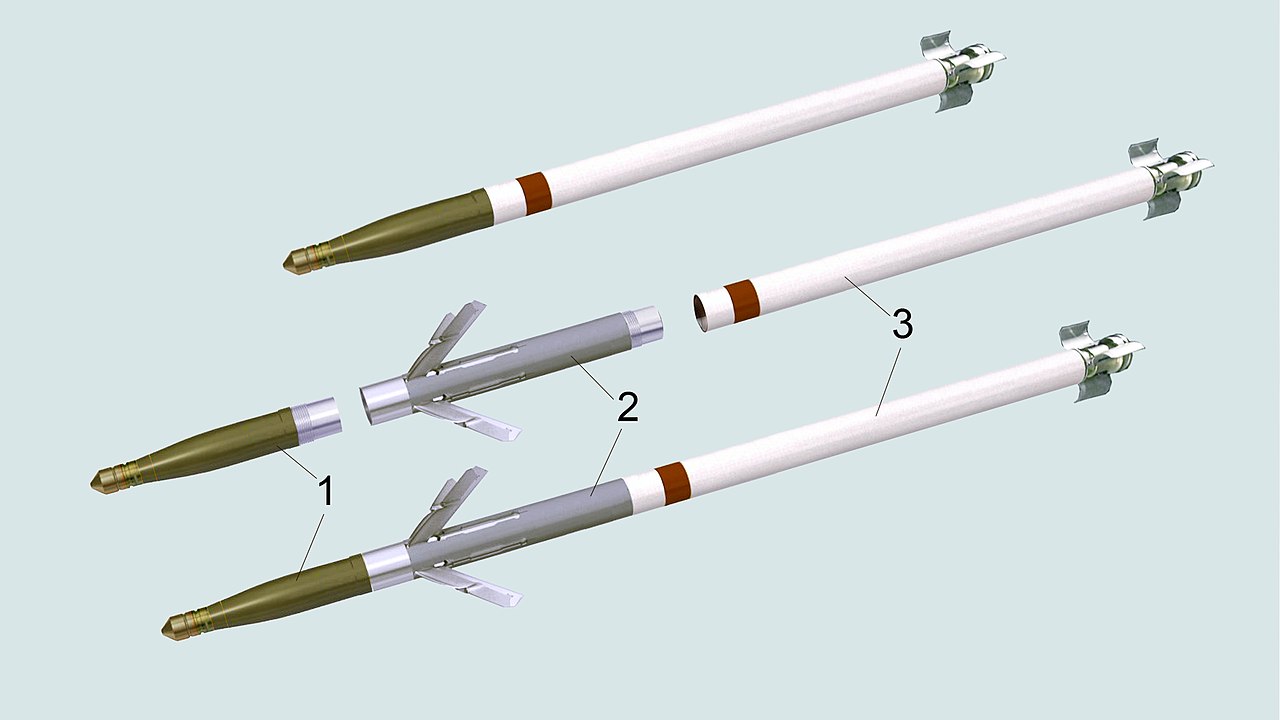
The missile can also be fitted with a new HEAT/APAM shaped charge warhead.
Read more on Hydra 70 in Militarnyi’s article ‘Hydra 70 Multi-Platform Rocket‘
The new missile can be fired from the same platforms as the original Hydra 70, but precision guidance requires the launch aircraft or helicopter to have a laser designation capability. APKWS can be used with aircraft equipped with LITENING 5 or Sniper XR targeting pods.
In December 2019, the U.S. Air Force’s 85th Test and Evaluation Squadron tested APKWS against a drone simulating a cruise missile; the service stated that the missile demonstrated performance comparable to that of more expensive interceptors.
By 2021, practical tests from ground launchers had demonstrated APKWS’s ability to defeat ground and small unmanned targets.
Підтримати нас можна через:
Приват: 5169 3351 0164 7408 PayPal - [email protected] Стати нашим патроном за лінком ⬇
Subscribe to our newsletter
or on ours Telegram
Thank you!!
You are subscribed to our newsletter